Click the link to read the release on the Colorado Parks & Wildlife website (John Livingston and Jake Kubié):
July 16, 2024
Amphibian and Aquatic Species Experts from Both Organizations Released More Than 2,200 Tadpoles in High-Altitude Wetlands
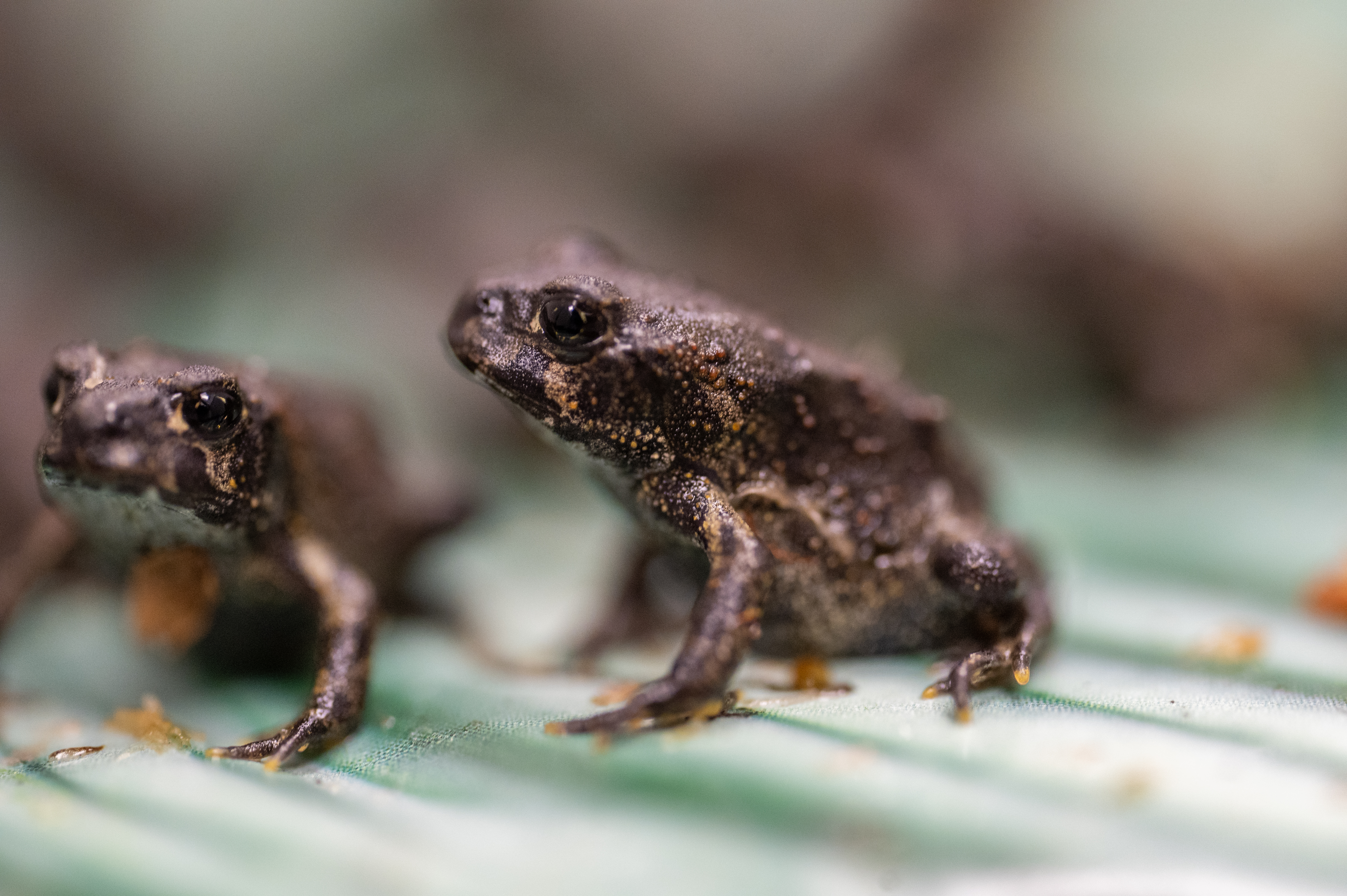
In 2021, Denver Zoo Conservation Alliance (DZCA) and Colorado Parks and Wildlife (CPW) launched a new initiative aimed at boosting the state’s population of boreal toads, a species listed as endangered in Colorado and New Mexico. Starting with 95 adult toads from CPW’s Native Aquatic Species Restoration Facility in Alamosa, experts from DZCA spent more than six months preparing them for breeding and nurturing their offspring leading up to their release into the wild.
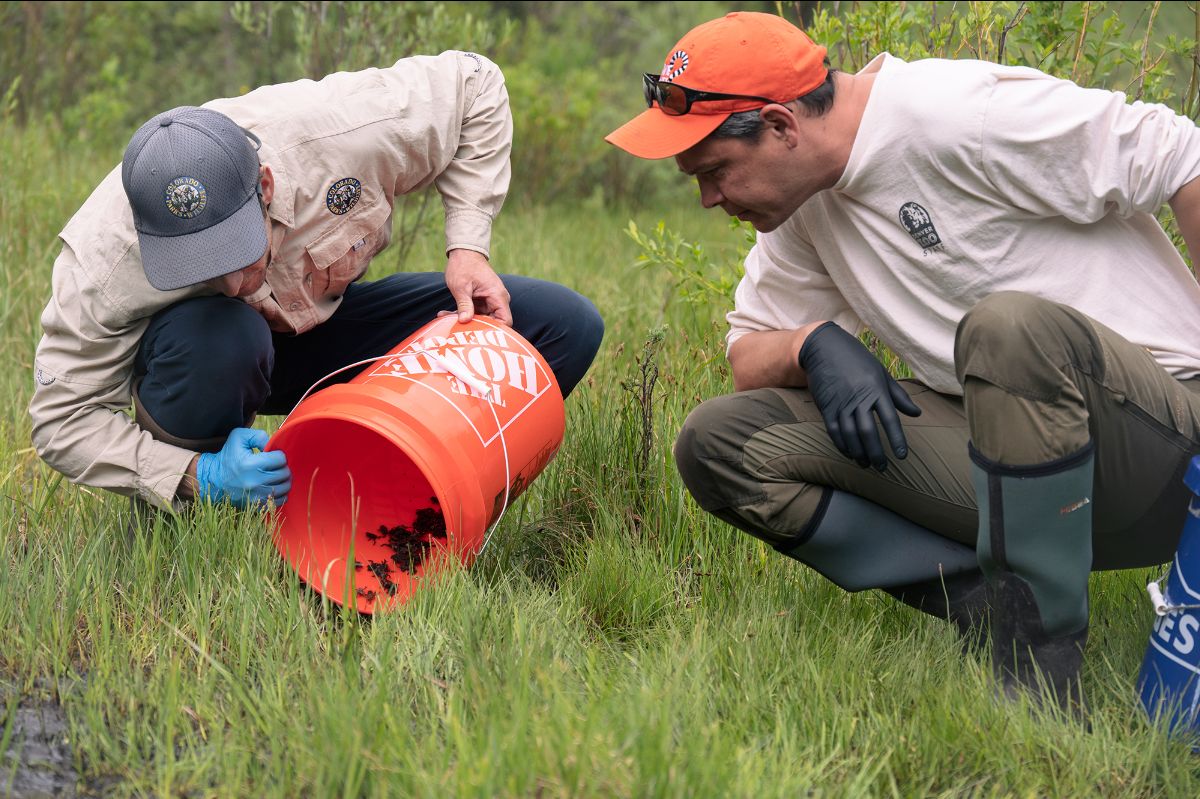
On June 20, 2024, teams from DZCA and CPW trekked wetlands near Creede to introduce more than 2,200 boreal toad tadpoles that officials hope could eventually host an established population of rare amphibians. This was the second successful breeding and release, including the reintroduction of more than 600 tadpoles in the Gunnison National Forest in 2022.
MEDIA: Photos and Video of Boreal Toad Tadpole Release on June 20, 2024
“This successful breeding and release effort was the result of a tremendous amount of hard work and planning by our Animal Care and Field Conservation teams and our partners at Colorado Parks and Wildlife,” said Brian Aucone, chief conservation officer at Denver Zoo Conservation Alliance. “We’re committed to continuing this effort with CPW for many years to come and doing our part to make sure this important species remains part of Colorado’s ecosystem for future generations.”
Once common in montane habitats between 7,000-12,000 feet in the Southern Rocky Mountains, the boreal toad has experienced dramatic population declines over the past two decades. The decline appears to be related to habitat loss and primarily infection by the chytrid fungus, which can infect most of the world’s 7,000 amphibian species and is linked to major population declines and extinctions globally. Officials estimate there may be as few as 800 wild adult toads left in Colorado.
“It was a very special day to join our partners from Denver Zoo to release boreal toad tadpoles that the Zoo produced at their facility,” said Daniel Cammack, Southwest Region Native Aquatic Species Biologist with CPW. “Consistent propagation of boreal toads in captivity has been the major missing link in our conservation efforts. In the past, we relied solely on collecting fertilized eggs from wild populations to grow into tadpoles at the hatchery and stock at translocation sites. Thanks to the Zoo’s expertise and hard work, we are able to increase our capacity and get more toads out at more locations. This is a critical partnership that we hope will translate to an increase in populations of this unique amphibian across our state.”
Denver Zoo Conservation Alliance has been conserving endangered and critically endangered amphibian species for more than 18 years. In 2018, DZCA became the first zoo in the Northern Hemisphere to successfully breed critically endangered Lake Titicaca frogs, and has since provided more than 250 healthy frogs to zoos and aquariums in the U.S. and Europe. In 2021, the organization successfully bred critically endangered Panamanian golden frogs as part of the Association of Zoos and Aquarium’s Species Survival Plan. In 2022, DZCA and CPW released the first brood – more than 600 tadpoles – from the joint initiative to support boreal toads in a remote wetland in Gunnison National Forest.
CPW has devoted significant resources for more than 30 years toward boreal toad research and continues to explore ways to recover the species. Specifically, CPW researchers focus on developing methodologies for reintroducing toads in historically occupied habitats, detecting chytrid fungus in the wild, marking and identifying individual toads and improving breeding success at the Native Aquatic Species Restoration Facility, which plays a critical role in the state’s efforts to restore populations of boreal toads.
Officials from DZCA and CPW estimate that it will take many years to bring the species back to a level where it is secure in the Southern Rocky Mountains and expect the collaboration to be a multi-year program. Additionally, as part of the wild release program, DZCA launched a community science project where volunteers monitor the species’ high-country habitat to help officials understand the health of current wild populations and determine suitable locations for future reintroduction of toads bred at DZCA’s campus in Denver. For more information, visit DenverZoo.org.