
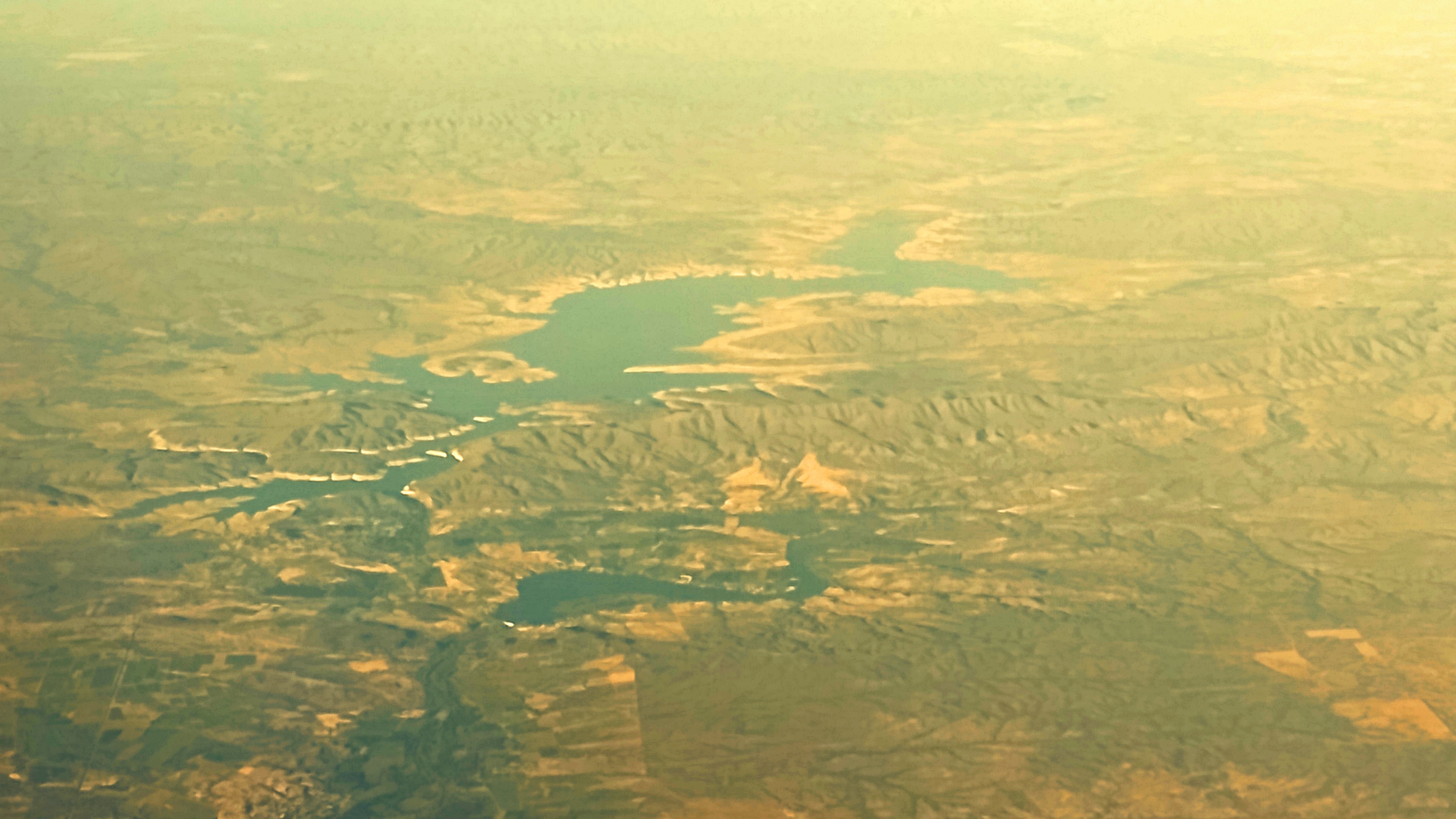
Click the link to read the article on the BBC website (Will Grant). Here’s an excerpt:
July 13, 2025
After the thirtieth consecutive month without rain, the townsfolk of San Francisco de Conchos in the northern Mexican state of Chihuahua gather to plead for divine intervention. On the shores of Lake Toronto, the reservoir behind the state’s most important dam – called La Boquilla, a priest leads local farmers on horseback and their families in prayer, the stony ground beneath their feet once part of the lakebed before the waters receded to today’s critically low levels…
“We’re currently at 26.52 metres below the high-water mark, less than 14% of its capacity.” — Rafael Betance, who has voluntarily monitored La Boquilla for the state water authority for 35 years
Now, a long-running dispute with Texas over the scarce resource is threatening to turn ugly. Under the terms of a 1944 water-sharing agreement, Mexico must send 430 million cubic metres of water per year from the Rio Grande to the US. The water is sent via a system of tributary channels into shared dams owned and operated by the International Boundary and Water Commission (IBWC), which oversees and regulates water-sharing between the two neighbours. In return, the US sends its own much larger allocation (nearly 1.85 billion cubic metres a year) from the Colorado River to supply the Mexican border cities of Tijuana and Mexicali. Mexico is in arrears and has failed to keep up with its water deliveries for much of the 21st Century…
Many in northern Mexico believe the 1944 water-sharing treaty is no longer fit for purpose. Mr Ramirez thinks it may have been adequate for conditions eight decades ago, but it has failed to adapt with the times or properly account for population growth or the ravages of climate change.