
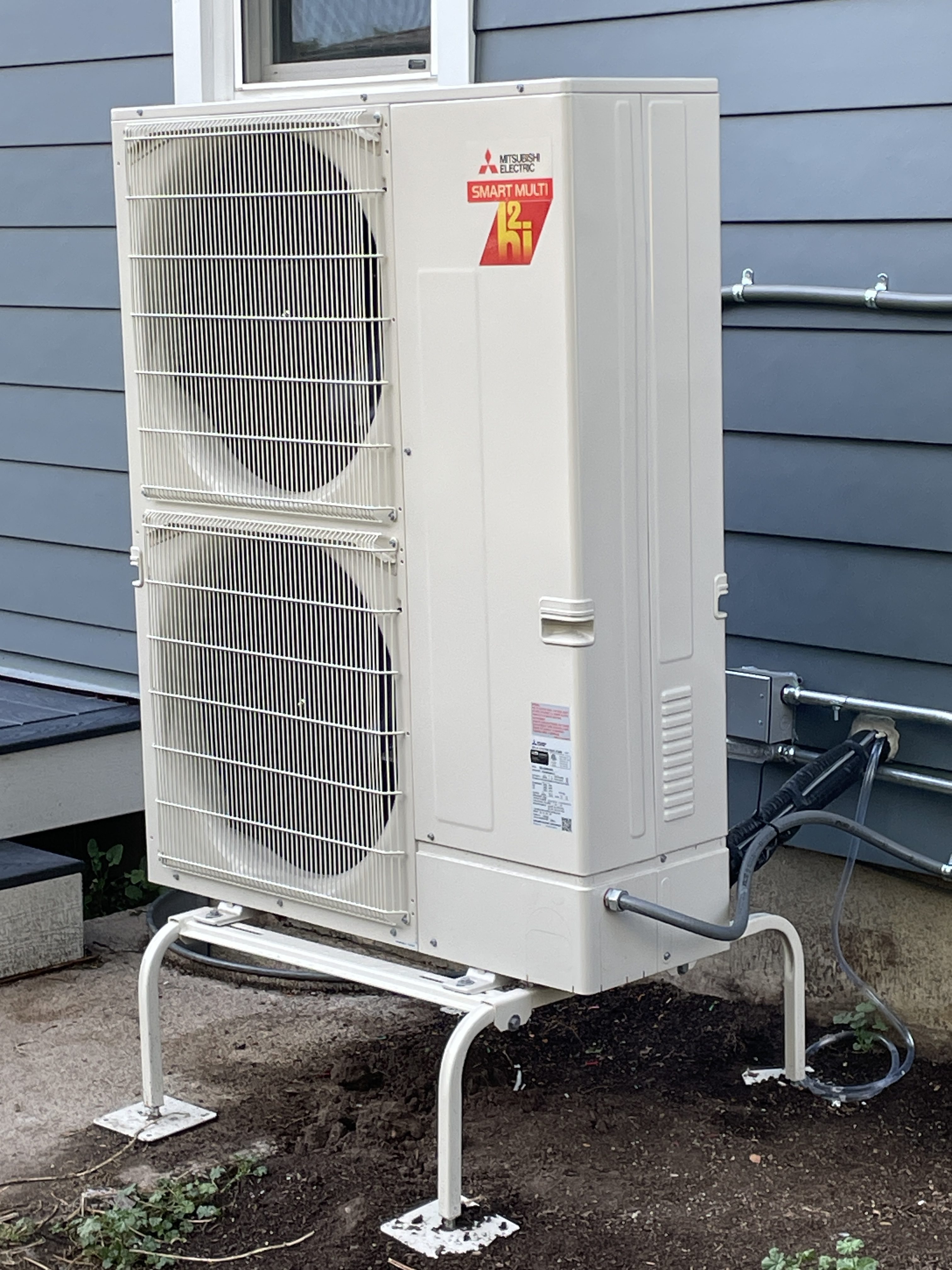
Click the link to read the article on The New York Times website (Kate Marvel). Here’s an excerpt:
November 18, 2023
Two and a half years ago, when I was asked to help write the most authoritative report on climate change in the United States, I hesitated. Did we really need another warning of the dire consequences of climate change in this country? The answer, legally, was yes: Congress mandates that the National Climate Assessment be updated every four years or so. But after four previous assessments and six United Nations reports since 1990, I was skeptical that what we needed to address climate change was yet another report. In the end, I said yes, but reluctantly. Frankly, I was sick of admonishing people about how bad things could get. Scientists have raised the alarm over and over again, and still the temperature rises. Extreme events like heat waves, floods and droughts are becoming more severe and frequent, exactly as we predicted they would. We were proved right. It didn’t seem to matter. Our report, which was released on Tuesday [November 14, 2023], contains more dire warnings. There are plenty of new reasons for despair. Thanks to recent scientific advances, we can now link climate change to specific extreme weather disasters, and we have a better understanding of how the feedback loops in the climate system can make warming even worse. We can also now more confidently forecast catastrophic outcomes if global emissions continue on their current trajectory. But to me, the most surprising new finding in the Fifth National Climate Assessment is this: There has been genuine progress, too…
…as we wrote the report, I learned other, even more mind-boggling numbers. In the last decade, the cost of wind energy has declined by 70 percent and solar has declined 90 percent. Renewables now make up 80 percent of new electricity generation capacity. Our country’s greenhouse gas emissions are falling, even as our G.D.P. and population grow…Some politicians now actually campaign on climate change, instead of ignoring or lying about it. Congress passed federal climate legislation — something I’d long regarded as impossible — in 2022 as we turned in the first draft. And while the report stresses the urgency of limiting warming to prevent terrible risks, it has a new message, too: We can do this. We now know how to make the dramatic emissions cuts we’d need to limit warming, and it’s very possible to do this in a way that’s sustainable, healthy and fair. The conversation has moved on, and the role of scientists has changed. We’re not just warning of danger anymore. We’re showing the way to safety.
The reason is that now, we have a better story to tell. The evidence is clear: Responding to climate change will not only create a better world for our children and grandchildren, but it will also make the world better for us right now. Eliminating the sources of greenhouse gas emissions will make our air and water cleaner, our economy stronger and our quality of life better. It could save hundreds of thousands or even millions of lives across the country through air quality benefits alone. Using land more wisely can both limit climate change and protect biodiversity. Climate change most strongly affects communities that get a raw deal in our society: people with low incomes, people of color, children and the elderly. And climate action can be an opportunity to redress legacies of racism, neglect and injustice.