
Memorial Day 2024

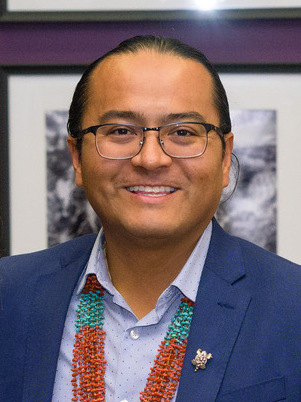
Click the link to read the article on the AZCentral.com website (Arlyssa D. Becenti). Here’s an excerpt:
May 25, 2024
Navajo Nation President Buu Nygren signed a historic water settlement with the federal government on Friday, the day after the Navajo Nation Council approved it unanimously. Speaker Crystalyne Curley said she believes Congress will support the measure, finally bringing the promise of water for thousands of people. The Northeastern Arizona Indian Water Rights Settlement Agreement, once passed by Congress, will settle the Navajo Nation’s claims to water rights to all Colorado River water in Arizona.
The separate Rio San José Stream System Water Rights Settlement Agreement will settle water rights claims in the Rio San José Stream System and the Rio Puerco Basin in New Mexico for the Navajo Nation if considered by Congress…
Included in the agreement is proposed funding of about $5 billion to build essential water projects required by the Navajo Nation, money that would require appropriations by Congress.
After the 25th Navajo Nation Council took office, along with Nygren and Vice President Richelle Montoya, a consensus emerged to address water rights claims, initiating discussions that had dragged on for years. Leaders emphasized that the effort was a collaborative endeavor involving Navajo Nation leadership, the Navajo Department of Justice, the Navajo Attorney General’s office, the Navajo Department of Water Resources and the Navajo Nation Water Rights Commission.
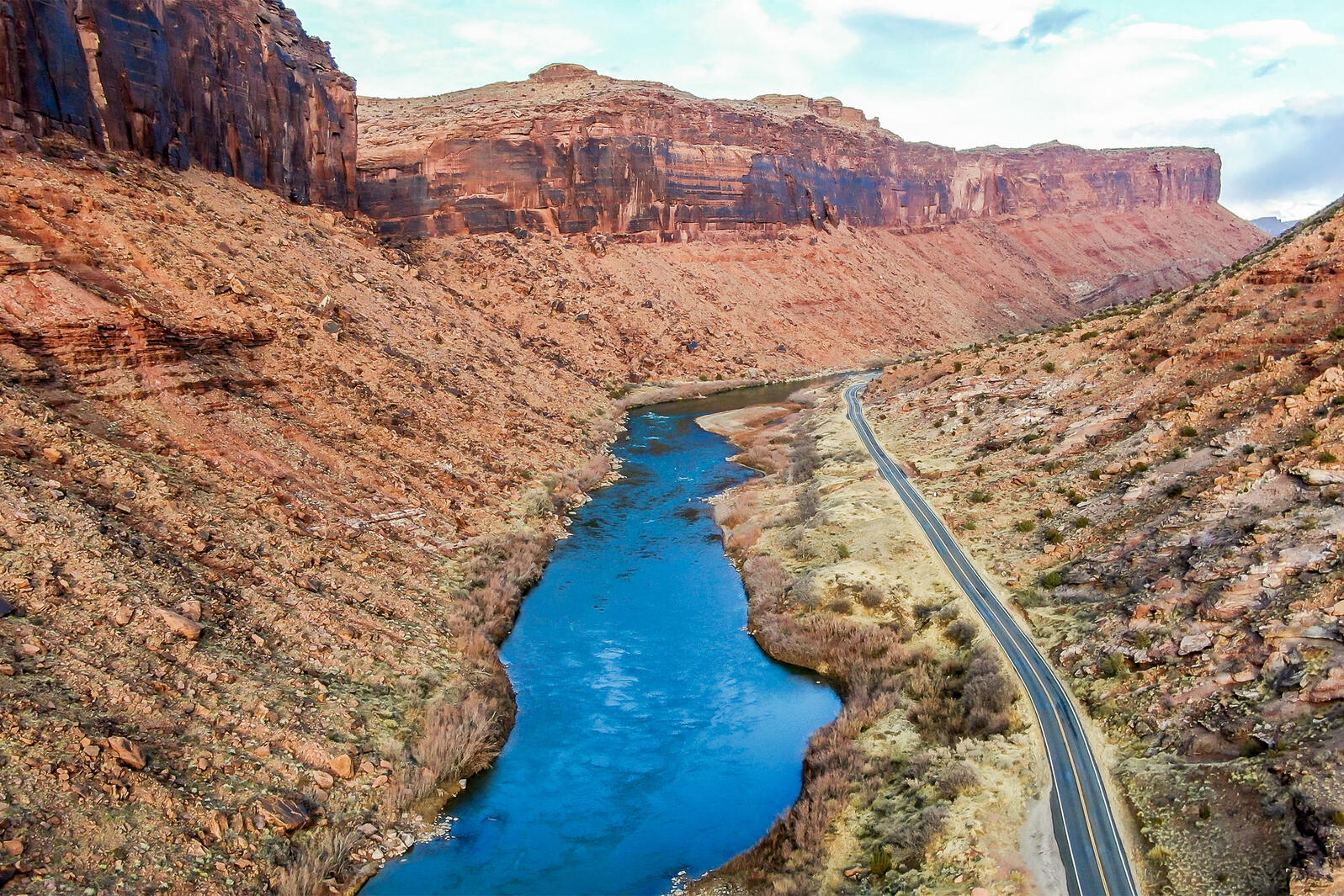
Click the link to read the article on The Salt Lake Tribune website (Anastasia Hufham). Here’s an excerpt:
May 16, 2024
The states are currently negotiating how the river and its reservoirs should be operated after current agreements expire in 2026.
This article is published through the Colorado River Collaborative, a solutions journalism initiative supported by the Janet Quinney Lawson Institute for Land, Water, and Air at Utah State University.
In March, the Upper Basin states (Colorado, New Mexico, Utah and Wyoming) and the Lower Basin states (Arizona, California and Nevada) submitted competing proposals to the federal Bureau of Reclamation for managing the Colorado River after current guidelines expire in 2026. The states had to consider the overwhelming demand for the river’s water, contend with future effects of climate change and confront decades of overuse. The Upper Basin claims that only the Lower Basin states should have to reduce their Colorado River water use. Colorado, New Mexico, Utah and Wyoming draw their share of water straight from the river itself, meaning they bear the brunt of evaporative losses and reduced flows due to climate change. In contrast, Arizona, California and Nevada draw their allocation from water stored in Lake Mead, so they are all but guaranteed their fair share of water each year. The Lower Basin argues that the entire Colorado River Basin should share the sacrifice of cuts…
Another point of agreement between the basins: states should use actual hydrologic conditions to determine how to operate the country’s two largest reservoirs, Lake Powell and Lake Mead, instead of unreliable forecasts.
