#ColoradoRiver #Snowpack gets late-season boost from #Colorado storms — 8NewsNow.com

Click the link to read the article on the 8NewsNow.com website (Greg Haas). Here’s an excerpt:

May 10, 2024

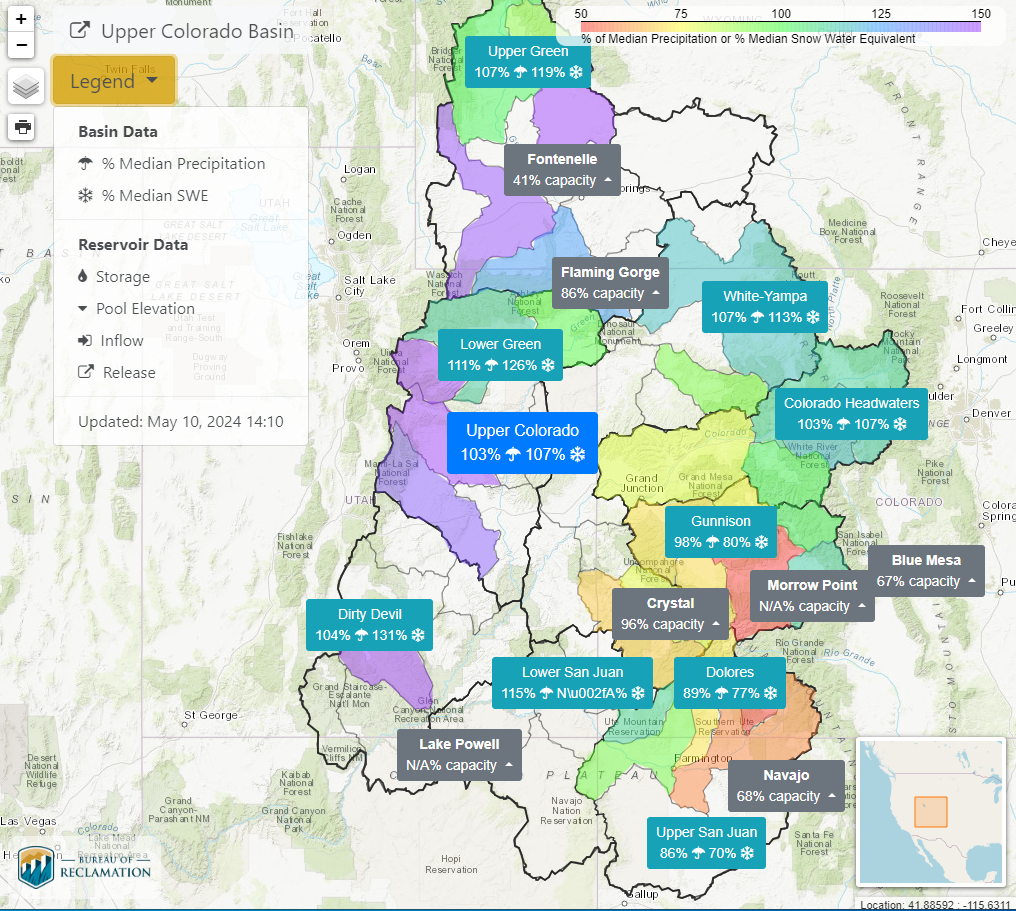
A late-season bump from storms in the Colorado Rockies has boosted snowpack levels, helping the region rebound after levels fell below normal at the end of April. That’s important for Las Vegas, which depends on the Colorado River for 90% of its water. Snowpack is currently at 107% of normal in the Upper Colorado River Basin, up from just 89% on May 1. On April 1, typically the peak for snowpack levels, data showed the amount of water stored in the snowpack at 111% of normal.

The blue box at the center of the map shows precipitation (103%) and snow water equivalent (107%) levels in the Upper Colorado River Basin. (U.S. Bureau of Reclamation)

Separately, Northern Nevada counties got some good news as the U.S. Department of Agriculture said Lake Tahoe would fill for the first time since 2019. The Nevada Water Supply Outlook Report showed snowpacks in the eastern Sierra Nevada far above normal levels for the second consecutive year. Most key reservoirs in Northern Nevada are expected to fill this year. The dramatic snow levels in the Sierra Nevada last year erased a two-decade megadrought in that region, according to a report by The Associated Press.

That won’t have any impact on Southern Nevada, where 90% of the water used comes from the Colorado River. The weather that has the greatest effect on the Las Vegas valley’s water supply happens hundreds of miles away. Lake Mead had fallen to 35% of capacity as of Thursday, according to data from the U.S. Bureau of Reclamation. Water from snowmelt in parts of Colorado, New Mexico, Utah and Wyoming feeds the flow of the river as it makes its way to Lake Powell. From there, water flows down the Grand Canyon and into Lake Mead.

Ruedi Reservoir expected to fill again — The #Aspen Daily News #FryingPanRiver #RoaringForkRiver #ColoradoRiver #COriver #aridification

Ruedi Reservoir on the Fryingpan River as seen on March 24. The reservoir is at its lowest level in nearly two decades, but U.S. Bureau of Reclamation officials say if forecasts hold, it should still be able to fill in 2022. CREDIT: HEATHER SACKETT/ASPEN JOURNALISM

Click the link to read the article on The Aspen Daily News website (Austin Corona). Here’s an excerpt:

Ruedi Reservoir is expected to hit full capacity for only the second time in five years, according to projections shared by reservoir managers. The managers don’t know exactly when the reservoir will hit capacity, though Tim Miller, hydrologist for the Bureau of Reclamation — the federal agency that operates Ruedi Dam —  said it will likely stay full through July. Miller said calls for Ruedi water farther down the Colorado River could change that timeline. Ruedi is currently 68.8% full.

Ruedi did not reach its full capacity for three years between 2020 and 2022. Low runoff kept the reservoir from filling in 2020, and then overshoots in inflow projections and dry soils caused the reservoir to miss its capacity again in 2021. Reservoir levels then dropped to a 20-year nadir in March 2022 and never quite reached full capacity during a rebound that summer. Those three years were the only multiyear stretch in which Ruedi failed to fill in the last 10 years. Reservoir levels also fell short in 2018.  Ruedi ended its dry streak after a wet winter in 2023, with Miller reporting in August that last year was almost flawless for reservoir operations.

This year, Miller said snowpack and runoff projections look similar to 2023. Water supply forecasts from the National Oceanic and Atmospheric Administration’s Colorado Basin River Forecast Center project a total Fryingpan River April-July runoff volume at Ruedi roughly 10% higher than projections from the same time in 2023 (this year’s May 1 projection is 135,000 acre feet). Miller said the Ruedi may receive even greater flows than expected this year because of operational issues at a connected facility on the eastern slope. Miller said water managers may have to leave more water in the Fryingpan River this year than usual if Turquoise Lake, an eastern slope reservoir that receives Fryingpan water through a tunnel under the continental divide, fills up. Miller said Turquoise’s outflow will be limited this year because both pump/turbine units at the Mount Elbert pumped-storage powerplant, which constitutes one outlet for the reservoir, are not operating this summer. 

The Bureau of Land Management cancels 25 Trump-era oil and gas leases in archaeology rich SE #Utah — Jonathan P. Thompson (www.landdesk.org) #ActOnClimate #KeepItInTheGround

Looking up Recapture Canyon in the Lands Between. Jonathan P. Thompson photo.

Click the link to read the article on The Land Desk website (Jonathan P. Thompson):

May 10, 2024

NEWS: The Bureau of Land Management cancelled 25 Trump-era oil and gas leases totaling more than 40,000 acres in the Lands Between, an area in southeastern Utah rich with cultural resources between Bears Ears and Hovenweep/Canyon of the Ancients National Monuments.

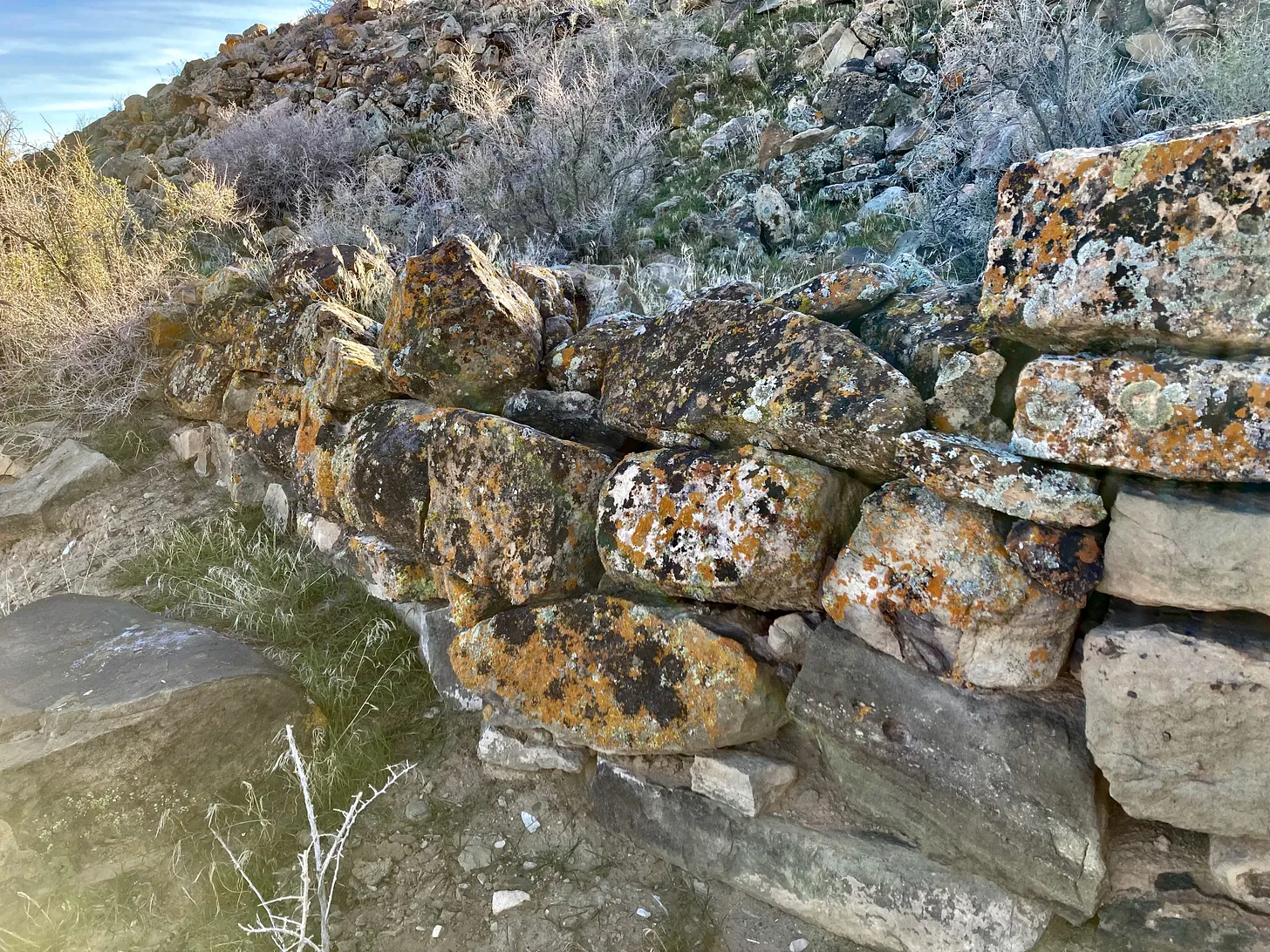
CONTEXT: There is a place known as the Great Sage Plain or, in more recent times, the Lands Between, a place of mesas and sagebrush and broad canyons spread that spread out north of the San Juan River and west of the Utah-Colorado state line. The beauty is more subtle here than in the serpentine gorges to the west, but it’s also ubiquitous, found in lichen-splattered stone, in the way the light plays across rain-soaked sagebrush, in the lascivious dusk bloom of the sacred datura.

And human history is omnipresent here, layers upon layers of reminders of those who came before. Cultural sites abound, some obvious, many barely discernible. The Lands Between is one of the most archaeologically rich swaths of land in the nation. And yet, the place is often ignored and more often abused.

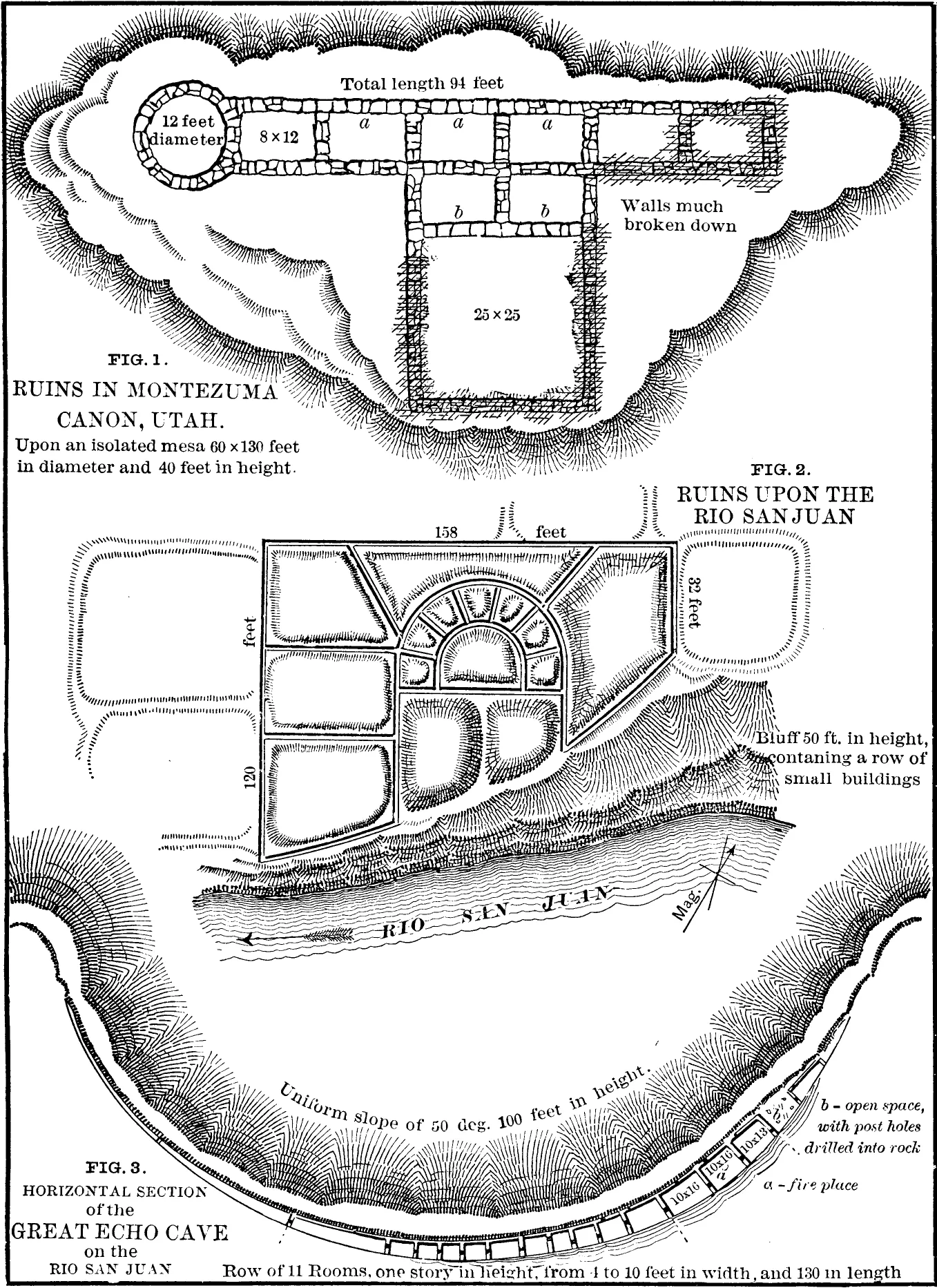
William H. Jackson’s sketches of cultural sites he identified in the Lands Between in his 1875 report: “Notice of Ancient Ruins in Arizona and Utah Lying About the Rio San Juan.”

In 2018, as part of its marauding quest for “energy dominance,” the Trump administration offered up thousands of acres in the Lands Between for oil and gas leasing. Tribal nations with ancestral ties to the land, environmental groups, and historic preservation advocates protested nearly all of the parcels. The administration cast the protests aside, however, and in March and December of that year, energy company representatives logged onto EnergyNet.com and bid between $2 and $91 per acre for the right to drill, with companies like Wasatch Energy, Kirkwood Oil & Gas, and Ayers Energy walking away with the spoils.

Friends of Cedar Mesa (now Bears Ears Partnership), sued the Trump administration, alleging that the BLM violated federal environmental law by issuing the leases. Early last year the BLM agreed to re-evaluate the leases, and launched a new environmental assessment process. That process culminated this week with the cancellation of 25 of 28 of the leases under review, with three leases affirmed.

BLM map of the contested and canceled leases.

Reasons for the decision included:

  • More than 900 National Register-eligible historic sites were identified within the leases, along with hundreds more within the half-mile buffer zone around the leases;
  • Twelve of the leases lie within the Alkali Ridge Area of Critical Environmental Concern and contain a total of 806 documented cultural resources, including Three Kiva Pueblo.
  • “Recent concerns brought forth by the Pueblo of Acoma, including the need to conduct a ‘more comprehensive review’, and a ‘structured consultation process with the Pueblo of Acoma and other tribes, ensuring that tribal expertise and cultural knowledge guide the evaluation and management of these lands.’
Detail of a site on the eastern edge of the Lands Between. Jonathan P. Thompson photo

While compelling, I was most interested in “topographic anomalies” identified by LiDAR, or a sort of laser-based radar used more and more frequently in archaeology, especially to find ancient “roads” such as the ones that radiate out from Chaco Canyon. The agency was tipped off to these anomalies by Winston B. Hurst’s draft report titled: “LiDAR’s Gifts: Firstlook Insights into Puebloan Roads and Berm-Swale Field Systems in Utah and Neighboring Sections of the Northern San Juan Region.” Hurst identified a number of these features within the lease areas and their five-mile buffer zones.

In its record of decision cancelling the leases, the BLM writes that the anomalies, which potentially are berm-swale fields, ancient roads, or other architectural features with unknown function, warrant more study, and adds:

So there you have it. It’s probably not a good idea to go in and wreck these significant cultural objects with well pads and drilling rigs and pipelines and roads. And the BLM seems to understand that, at last.

“Acoma is deeply grateful for the BLM’s decision to cancel these leases, which affirms the importance of this landscape for the Pueblo of Acoma and other Pueblos and Tribes. This landscape is a living testament to our ancestors and our ongoing cultural traditions. Preserving these areas from development allows us to maintain our deep connection to our history and educate future generations about their rich cultural heritage,” said Governor Randall Vicente of the Pueblo of Acoma in a written statement.

But the fight’s not over yet. Acoma is also challenging leases in the same area sold in 2019.

Read more about the Lands Between, national monuments, and the inadequacy of “identify and avoid”. But first, subscribe to get a taste of these delicious archives:

State Line JONATHAN P. THOMPSON AUGUST 13, 2021

Photo credit: Jonathan P. Thompson/The Land Desk

The following is from Sagebrush Empire: How a Remote Utah County Became the Battlefront of American Public Lands, by Jonathan P. Thompson. Torrey House Press, 2021. I am walking across the southeastern Utah desert, looking for the Colorado state line on an overcast day in early March. I think that maybe if I could just see the state line, experience it,…Read full story

The Meaning of Monuments JONATHAN P. THOMPSON JANUARY 22, 2021

Valley of the Gods from Cedar Mesa. Valley of the Gods was included in the original Bears Ears National Monument but taken out by President Trump. Now President Joe Biden is expected to restore the original boundaries. Photo credit: Jonathan P. Thompson/The Land Desk

When President Barack Obama established Bears Ears National Monument just over four years ago, conservationists and tribal leaders were …Read full story

Abandoned oil and gas wells threaten cultural sites JONATHAN P. THOMPSON MAR 5, 2024

Twin Angels Great House, a Chaco outlier, in the San Juan Basin. Oil and gas infrastructure is visible in the background. Jonathan P. Thompson photo.

Archaeology Southwest, an Arizona-based nonprofit, recently released an interesting and somewhat alarming report by Paul Reed, a New Mexico preservation archaeologist, on orphaned and abandoned oil and gas…Read full story

📸 Parting Shot 🎞️

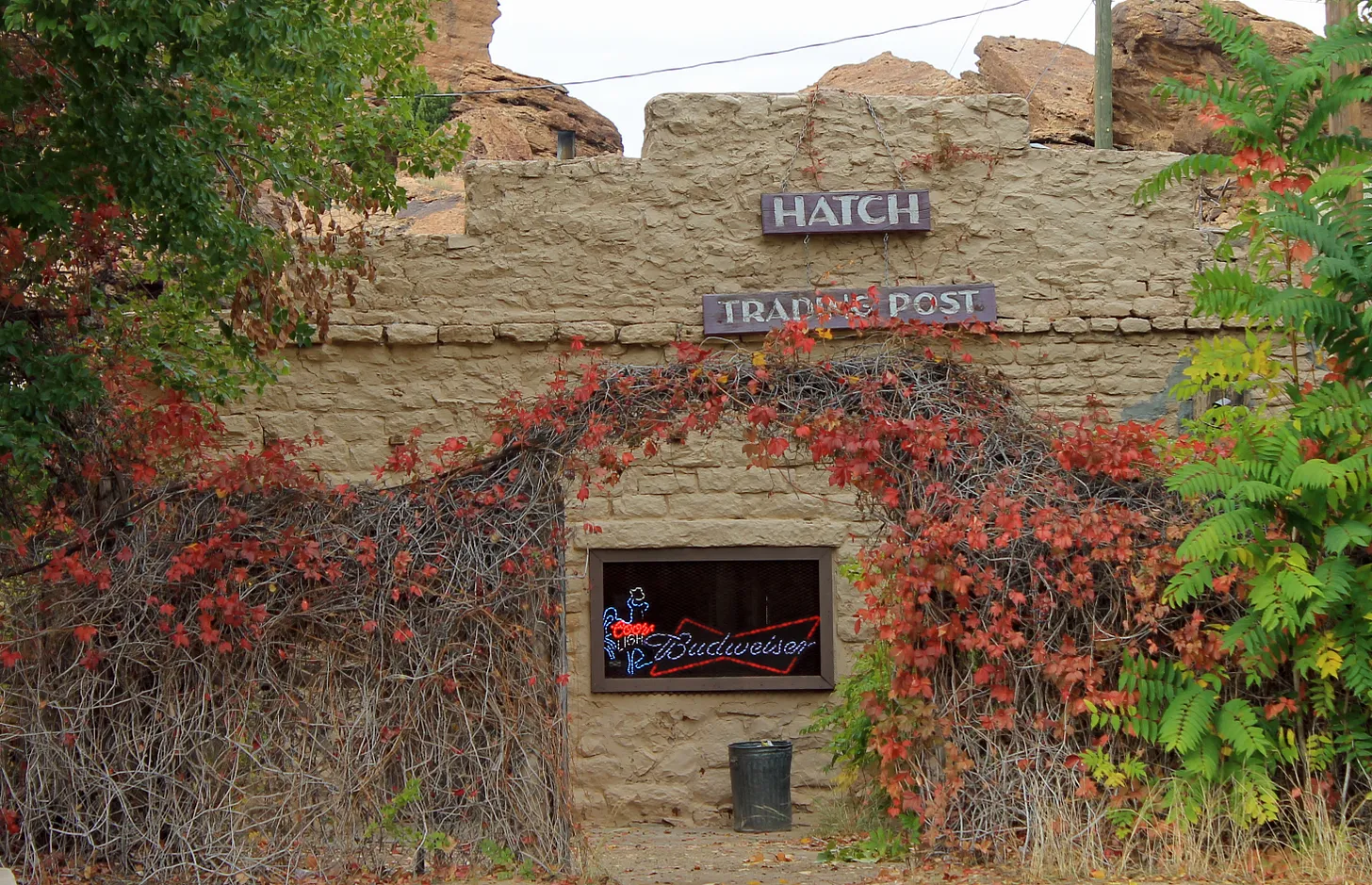
The now-defunct Hatch Trading Post in the heart of the Lands Between. Jonathan P. Thompson photo.

Construction wrapping up on Maybell Diversion improvement project — Craig Daily Press #YampaRiver

Maybell Diversion Restoration project. Photo credit: JHL Constructors

Click the link to read the article on the Craig Daily Press website (Ashley Dishman)

May 12, 2024

A major project to update the Maybell Diversion and headgate on the Yampa River is nearing completion as its users prepare for irrigation season. The Nature Conservancy, Maybell Irrigation District and JHL Constructors have worked together on the $6.8 million endeavor, which makes possible the first remote operation of the headgate in over 126 years.

Maybell is home to one of the largest irrigation diversions on the Yampa River. It provides water to about 2,000 acres of irrigated hay meadows in Northwest Colorado through a series of lateral ditches that come off the Maybell Diversion located just west of Craig toward Dinosaur National Monument…In the past, the headgate was manually operated, requiring a 3-mile round-trip hike and special tools and equipment to open the gates to the ditch. This often meant water was not used efficiently or at the most opportune times for ranchers. In addition, the Maybell Diversion has previously posed challenges for both fish and recreational boat passage through that part of the river in Juniper Canyon. In the past, fish movement was constrained by low river flows, especially during irrigation season. The Maybell reach has been considered a recreational-use hazard due to landslides, large boulders that block the river and push-up dams that hinder fish and boaters alike.

The newly modernized diversion and headgate will allow for remote operation and improved water delivery control to agricultural lands. It also aims to improve fish passage and recreational boat access. The redesign will connect two sections of floatable river with a constructed riffle at the diversion.

“We are excited to have this project completed,” said Mike Camblin, president of the Maybell Irrigation District. “Water is a precious resource, and this project allows us to manage it in the way the 21st century demands. We’re grateful to our partners, The Nature Conservancy, JHL Constructors and others who made this possible.”

Yampa River Basin via Wikimedia.

Lingering #drought effects are stealing the runoff thunder from #Utah’s #snowpack — KUER

Click the link to read the article on the KUER website (David Condos). Here’s an excerpt:

May 13, 2024

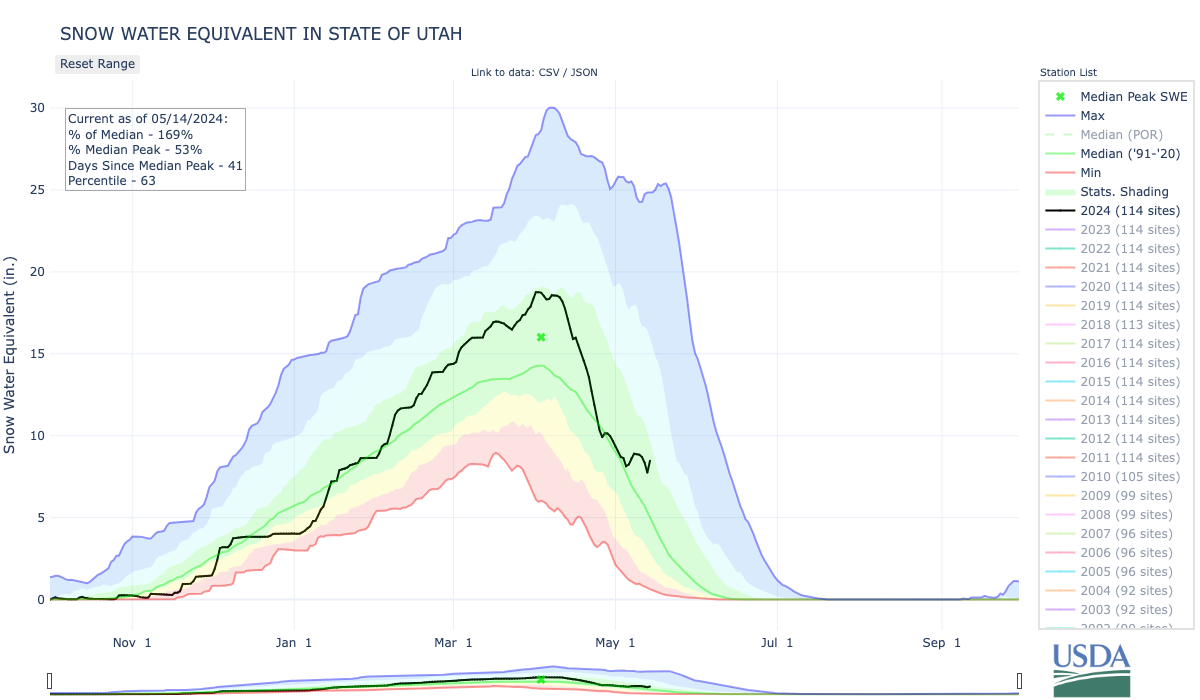
Runoff from mountain snowpack is particularly precious in Utah. It provides 95% of the state’s water supply. In recent years, however, getting above-average snowpack hasn’t necessarily led to above-average runoff. Historically, water managers could count on those numbers to more-or-less match, said Colorado River Authority of Utah Chair Gene Shawcroft. This discrepancy — and the uncertainty it brings — makes the already tricky job of managing water in the West even harder, he said.

“That’s part of the challenge we have with everything we do in the water world. Not only are we pressured to make sure there’s water for the future. We’re also wrestling with, ‘What happens if our water supply is less than what we’ve anticipated?’”

When snowpack peaked in the Colorado River’s Upper Basin in early April, it was 112% of its historical normal. But the actual runoff for April was just 99% of normal. As of May 10, snowpack was still above average at 107% of normal. The most recent streamflow forecast for May-July, however, predicts runoff to only be 87% of normal. Localized examples of this gap show up in southern Utah, too. In the southwestern region, which includes St. George and Kanab, snowpack levels hit 101% of normal on May 1. But the May-July streamflow forecast expects runoff to be just 60% of normal. The Escalante-Paria basin from Bryce Canyon National Park to the southern edges of Lake Powell had snowpack levels that were 262% of normal on May 1, but the latest streamflow forecast anticipates runoff to be 101% of normal…

So, why is this happening? One big factor is how parched the ground is. Soil moisture and groundwater levels are still trying to claw their way back from the extreme drought Utah had between 2020 and 2022, said Utah Snow Survey Program Supervisor Jordan Clayton. The ground became so dried out, that it soaked up a disproportionate amount of snowmelt in the subsequent runoff seasons. Even during the past two years, the ground beneath some of that snow has remained on the dry side…

Another factor is how fast the snowpack melts. If it goes quickly, the ground will likely stay saturated and a much larger percentage of the water will make it downstream. If it happens in fits and starts, however, the ground has more chances to dry out between melting periods and could absorb more of that water…

Where the snow falls also matters. As Clayton looked at Utah’s snow conditions this winter, he noticed that the middle and lower-elevation mountains had especially high snowpack levels compared to their historical normals. The problem is that most of Utah’s water doesn’t come from those lower elevations, but from sites with an altitude of around 10,000 feet.

A Tale of Two Halves: #Colorado’s Shift from Cold to Warm Temperatures Shapes Spring #Snowpack and Streamflow: As of May 1st, 2024, Colorado’s snowpack exhibits a distinct north-south divide and is at 90% of median — NRCS

Click the link to read the release on the NRCS website:

As of May 1st, 2024, Colorado’s snowpack exhibits a distinct north-south divide and is at 90% of median. The northern basins display persistent snowpack levels from 95% of median in the combined Yampa-White-Little Snake basins to 105% in the South Platte. In stark contrast, the southern basins are below median ranging from 57% in the Upper Rio Grande to 84% in the Arkansas. Statewide precipitation has reached 105% of median for the water year to date (WYTD), while April’s drier conditions have resulted in 88% of median precipitation. This monthly subnormal statewide median, when disaggregated, reveals a stark contrast in precipitation distribution, particularly with southern basins ranging from 54% to 68% and northern basins ranging from 82% to 102%. Southern basins have not only received less precipitation compared to the state’s median but also when set against their historical medians. The combined San Miguel-Dolores-Animas-San Juan (SMDASJ) basins are at 88% WYTD, dipping further to 68% for April totals. 

Streamflow projections echo snowpack and precipitation variances, with the state averaging forecasts at 95% of median. A closer look reveals 34 of 86 streamflow stations predicting above median flows. The Yampa-White-Little Snake forecast an above median flow at 109%, reflecting sustained snowpack levels. Conversely, the combined SMDASJ basins, experiencing reduced snowpack at 72%, project streamflow at 73% of median. Specific sites like Navajo Reservoir inflow and the Animas River at Durango are anticipating below median streamflow at 440 cubic feet per second (CFS) and 279 CFS, respectively. 

Karl Wetlaufer, a hydrologist with the NRCS Water and Climate Center, highlights the impact of recent weather patterns on streamflow projections: “The month of April brought above normal temperatures and below normal precipitation across the Upper Colorado and the Rio Grande basins. These conditions contributed to rapid snowmelt in most of the basins and above normal monthly streamflow in many sub-basins. All of these contributing factors led to a drop in total seasonal (April-July) volumetric forecasts since April 1st in most sub-basins with the exception of the Colorado Headwaters where forecasts remained most similar to last month.”

“The rapid onset of warmer temperatures in late April accelerated snowmelt rates, particularly in the Upper Colorado and Gunnison basins, highlights a potential for early peak streamflow,” comments Nagam Gill, NRCS hydrologist. SNOTEL data at the Schofield Pass and Red Mountain Pass sites in the Gunnison basin, show that snow water equivalent (SWE) was reduced to 75% and 90% of the seasonal peak, respectively, by early May. This trend is also observed at the Upper Taylor SNOTEL, where the snow water equivalent decreased to 48% of its peak by the same time, earlier than the historical median melt-out dates. Despite the past peak in SWE, ongoing weather patterns into May and June can still influence streamflow. Late spring rains, although not as impactful as winter snowpack, can help sustain streamflow and top up reservoirs levels before the drier summer months set in.

As of the end of April, reservoir storage across Colorado is at 97% of median an improvement from 86% observed this time last year. Most basins are reporting near to above median, ranging from 106% in the South Platte to 124% in the Colorado Headwaters. The combined SMDASJ basins are the exception at 84% of median slightly above last year’s 82% at this time. Despite less robust snowpack conditions this year, reservoir levels have benefited from last year’s abundant snowpack, which has helped maintain relatively high-water storage levels.

* San Miguel-Dolores-Animas-San Juan River basin
* *For more detailed information about April mountain snowpack refer to the  May1st, 2024 Colorado Water Supply Outlook Report. For the most up to date information about Colorado snowpack and water supply related information, refer to the Colorado Snow Survey website

This pioneering study tells us how snow disappears into thin air — KUNC #snowpack

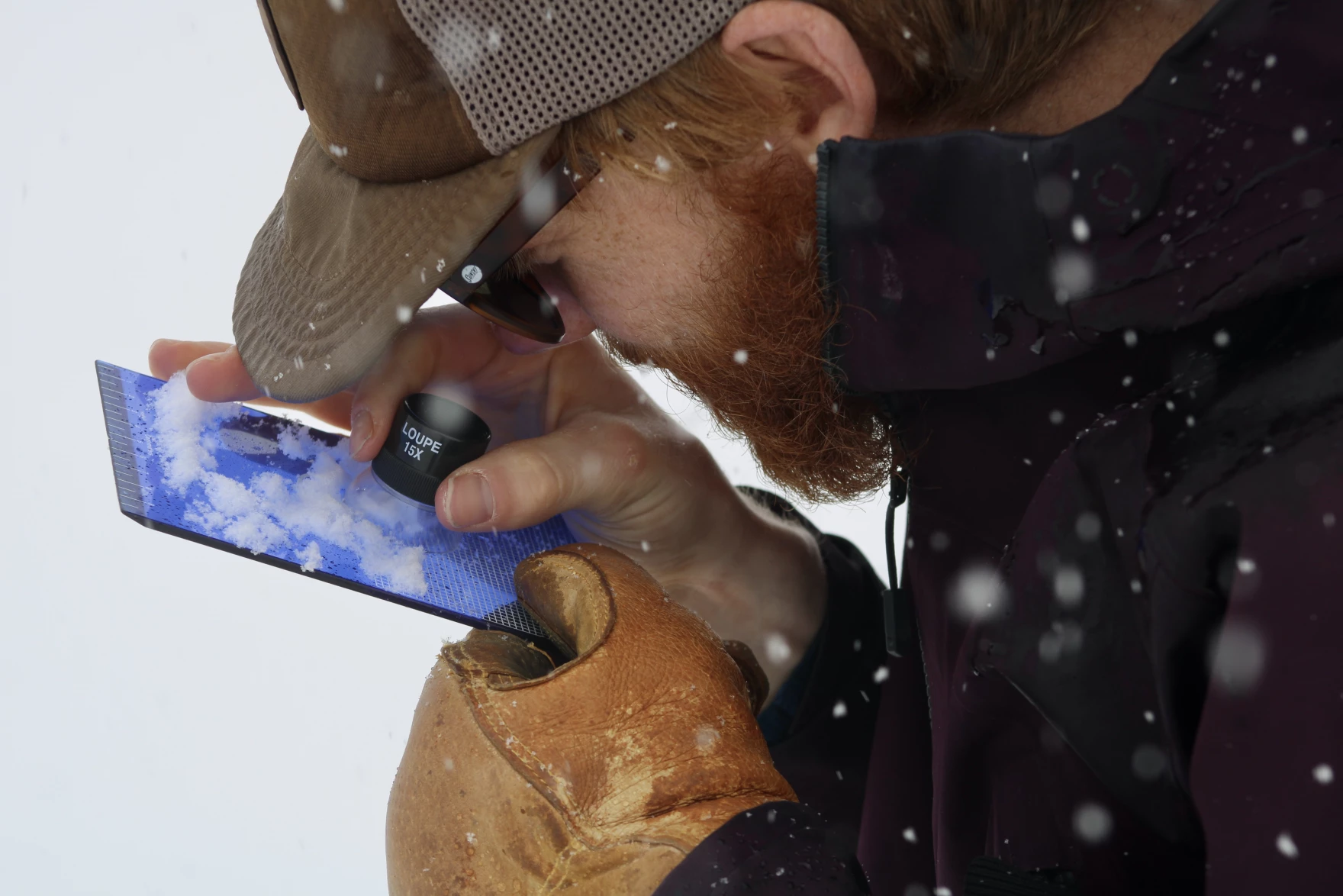
Danny Hogan, a snow researcher with the University of Washington, studies snowflakes on a “crystal card.” Out of the 135 terms these researchers could use to describe snowflakes, they choose about 10 to categorize these ones. Photo credit: Alex Hager/KUNC

Click the link to read the article on the KUNC website (Alex Hager):

May 10, 2024

This story is part of ongoing coverage of the Colorado River, produced by KUNC in Colorado and supported by the Walton Family Foundation. KUNC is solely responsible for its editorial coverage.

A team of researchers has been hard at work in the Rocky Mountains to solve a mystery. Snow is vanishing into thin air.

Now, for the first time, a new study explains how much is getting lost , and when, exactly, it’s disappearing . Their findings have to do with snow sublimation, a process that happens when snow evaporates before it has a chance to melt.

Perhaps most critical in the new findings is the fact that most snow evaporation happens in the spring, after snow totals have reached their peak. This could help water managers around the West know when to make changes to the amount of water they take from rivers and reservoirs.

“This lets us make much better decisions and understand processes that there was not data available to understand before,” said Jessica Lundquist, the study’s author. “These data are absolutely critical.”

Researchers across the western U.S. have been producing increasingly granular data about snow over the past two decades. Eighty-five percent of the Colorado River starts as high-altitude snow in the mountains of Colorado and Wyoming. As climate change and steady demand are putting a strain on the river’s supplies, scientists have sought to develop a better understanding of how snow behaves and give policymakers a more nuanced idea of how to manage reservoirs.

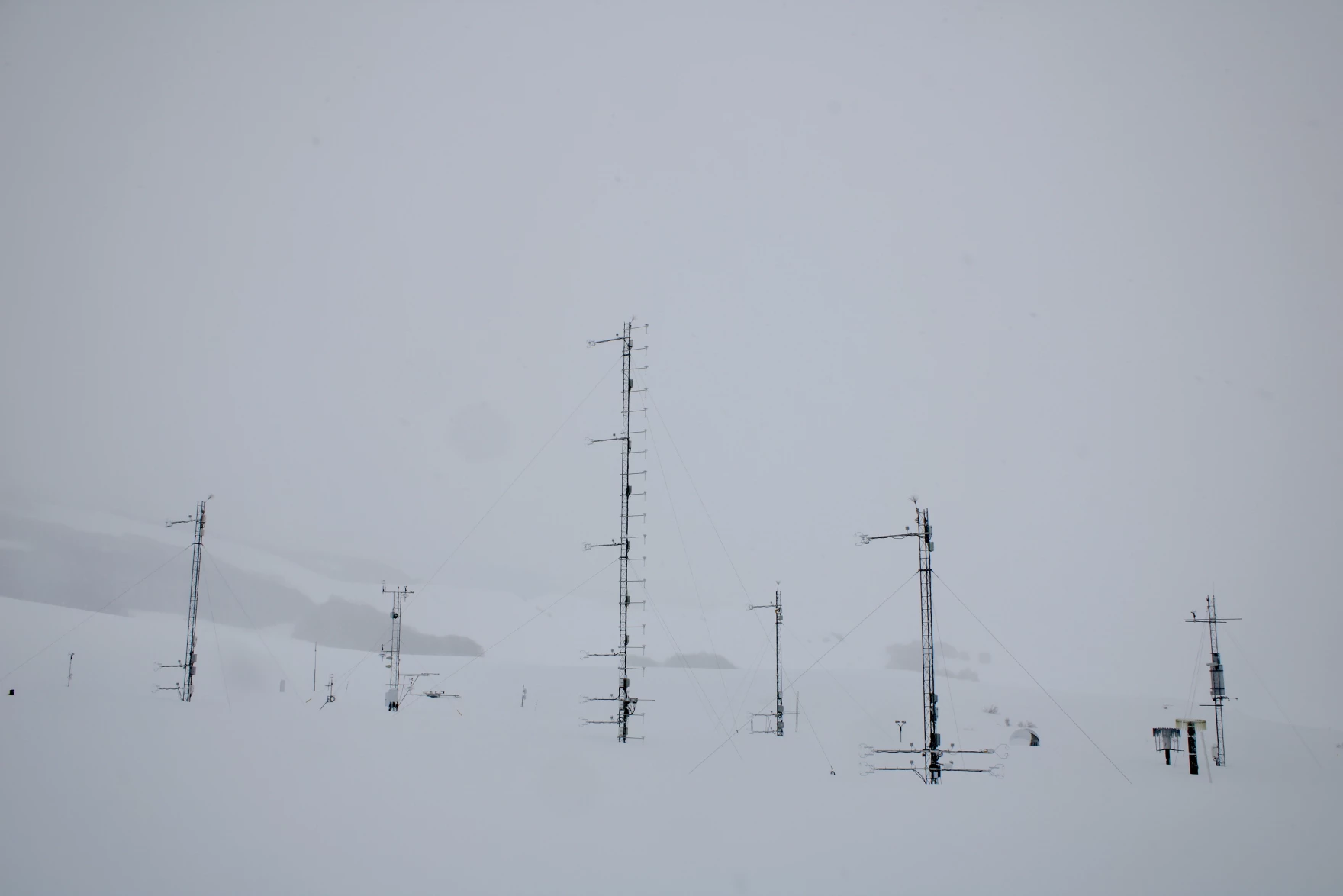
A field of thin metal towers holds more than a dozen sensors used to measure environmental factors that impact snow sublimation. Eli Schwat, a scientist with the University of Washington, said the research site looked like Hoth, the icy planet from Star Wars. Photo credit: Alex Hager/KUNC

Water managers often see a gap between the amount of water they expect to melt into rivers and streams each year and the amount that actually does. A number of climate factors are to blame, such as dry, thirsty soil that soaks up snow melt on its way downhill.

This new data, published in the Bulletin of the American Meteorological Society, helps explain how sublimation also contributes to that gap.

Lundquist said it will help make snow prediction models more accurate. This winter, models projected that 30 %-40% of snow would be lost to sublimation. She and her students found that about 10% of snow was actually lost to sublimation, less than models predicted.

“Before this study, there was no place you could get enough measurements to evaluate whether your model was getting all of the different processes right,” Lundquist said.

In March 2023, KUNC visited the research site to watch data collection in progress. It involved a network of more than 100 high-tech sensors, plus a small crew of hardy PhD students trekking through the snow with shovels and old-school hardware to gather measurements.

Those researchers found that wind is a major driver of snow sublimation during colder months, and heat from the sun is a major driver during the spring.

Colorado Snow Survey supervisor Brian Domonkos, who was not involved in the study, said he hopes to see more research like this carried out over a wider geographic range.

“One spot is a great start,” he said. “A study of this depth and this breadth, with all of the sensors that they deployed , is a spectacular start. Ideally, we would love to see this same study, sensors and whatnot, distributed across a number of sites in many locations across Colorado.”

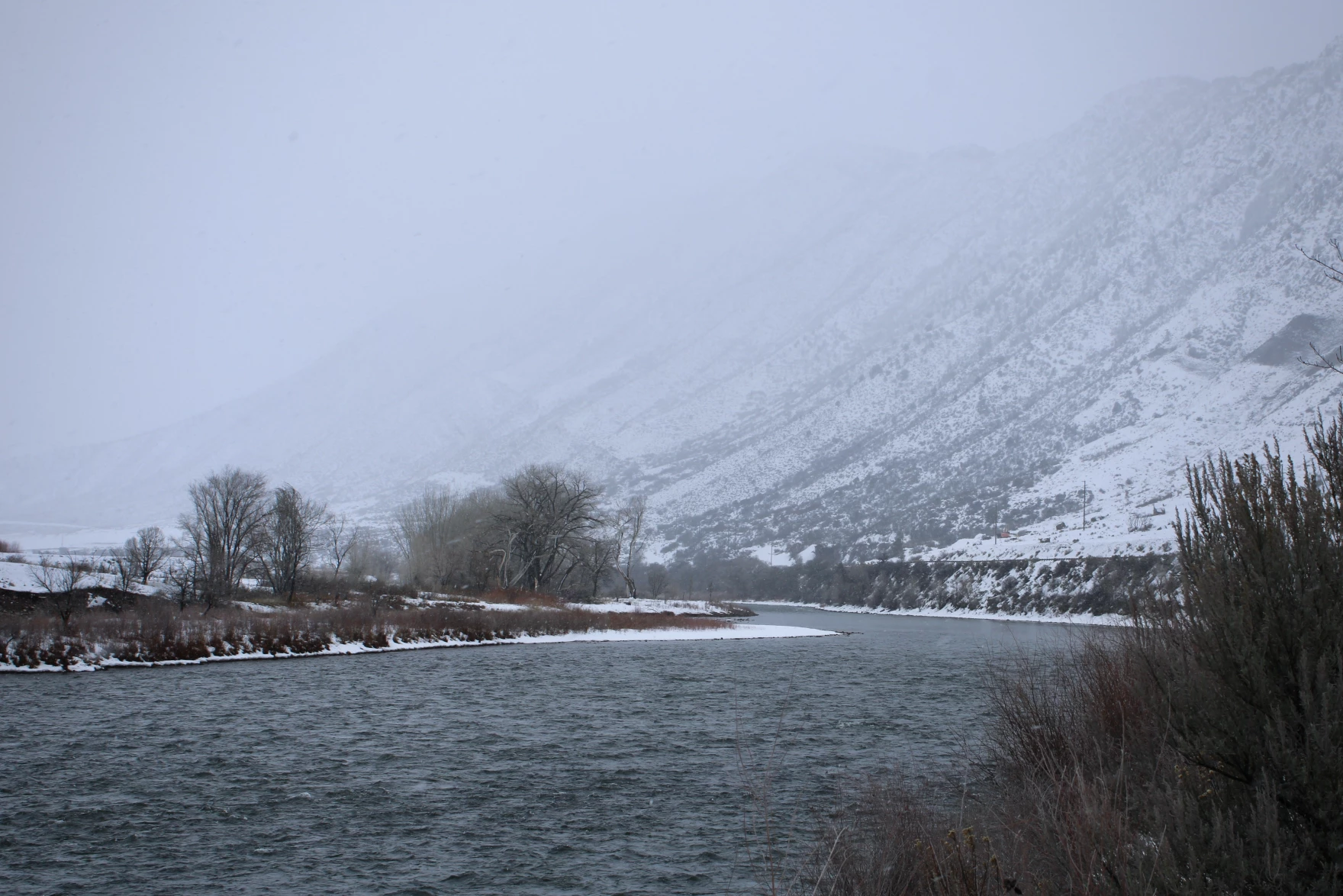
Snow falls on the Colorado River near New Castle, Colorado on January 11, 2023. Months of snow and rain soaked a region in the grips of drought and helped replenish reservoirs along the Colorado River. Photo credit: Alex Hager/KUNC

The initial study was carried out in Gothic, Colorado, near Crested Butte. Gothic, a once-abandoned 1800s mining town, has long hosted the Rocky Mountain Biological Laboratory. Each year, legions of scientists live in its cabins and study the natural world.

The site, Domonkos said, experiences a wide range of conditions throughout the winter and is a reasonably good representation of other places in Colorado’s mountains.

Lundquist, the study’s author and an engineering professor at the University of Washington, also wants to see more research on the matter going forward, especially during the spring months.

“Science is often led by the motivation of the scientists, and people love to go do research at places you can ski to in the winter, and places you can hike or drive to in the summer,” Lundquist said. “In the mud season, you can’t quite ski or hike or drive very well, and it’s a little bit harder to do. But that’s what we need to do to find the key answers to where the water’s going.”

A greater volume of data about snow could help hone forecasts with wide-reaching implications, as water managers as far away as Phoenix and Los Angeles turn to mountain snow data each year to more accurately plan how much water will be available for cities and farms around the Southwest.

The East River Valley, northwest of the historic town of Gothic, home to the Rocky Mountain Biological Laboratory. The mountain with the pointed peak in the distance is Mount Crested Butte. Photo credit: Mark Stone/University of Washington

#Nevada water right holders have little choice but to sell, say water regulators — Nevada Current

The state Division of Water Resources recently reported about 35 miles of dry channel with no flow on the Humboldt River. (Photo Credit: Colton Brunson, Water Commissioner, Nevada Division of Water Resources)

Click the link to read the article on the Nevada Current website (Jennifer Solis):

May 13, 2024

After two decades of dwindling aquifers, landowners in northern and central Nevada are choosing to surrender their groundwater rights to the state in exchange for cash payments, and more are waiting in line. 

Everyone from family farmers to residents in mid-sized towns depend on groundwater in Nevada, but over-pumping and persistent drought means there is simply not enough water to go around.

The Voluntary Water Rights Retirement Program was allocated a total of $25 million in funding last year to address groundwater conflicts by purchasing groundwater rights from private landowners in over-pumped and over-appropriated basins in northern and central Nevada communities, and there’s been massive interest.

While the program is only available to landowners in about half of Nevada’s counties, water rights sellers have offered to sell a total of $65.5 million in water rights in a matter of months — about $40 million more than available funding. 

“Farmers want to farm,” said Jeff Fontaine, the executive director of the Central Nevada Regional Water Authority and the Humboldt River Basin Water Authority. “But a lot of them see the writing on the wall.”

Throughout the Central Nevada Regional Water Authority region — an agency created to proactively address water resource issues in the region — there are 25 over-appropriated groundwater basins, eight of which are also over-pumped. An over-pumped basin is one that is pumped at a greater rate than it is replenished.

Water regulators have until September to enter into contractual agreements and acquire those groundwater rights, but as of May the program has already received commitments to retire more than 25,000 acre-feet of ground water annually. That’s about the average amount of water in both the Boca Reservoir and Donner Lake any given year.

“We’re gonna do that in one year,” said James Settelmeyer, director of the Nevada Department of Conservation and Natural Resources, during a Joint Interim Standing Committee on Natural Resources meeting Friday.

Due to high interest in the program not every application will result in a purchase, but state water regulators noted that not a single applicant has voluntarily dropped out of the program.

“We had some of the oldest ranches in the state that were looking at selling,” Settelmeyer said, adding that the decision came down to the rising cost of digging deeper and deeper wells to reach the shrinking water table.

Water rights holders are asking “’Do I drill another well or take my old well and go down an additional 200 to 300 feet? Or do I look at this program?’” he said, adding, “there are some that are getting a bit older and may not have someone willing to take over the property.”

Nevada landowners understand they’re between a rock and a hard place, said local water regulators. 

Fontaine, the executive director of the Central Nevada Regional Water Authority and the Humboldt River Basin Water Authority, said sharply declining groundwater levels is what motivated farmers in Humboldt County’s Middle Reese River Valley and Antelope Valley to sell.

“Some of the applicants we talked to were looking at having to spend potentially hundreds of thousands of dollars to deepen their wells. And at some point they realized that the situation isn’t getting any better anytime soon,” Fontaine said, during the Friday meeting.

Most of the funding will likely go to Eureka’s Diamond Valley, a small farming community in central Nevada, and the state’s only “critical management area,” as designated by the Nevada State Water Engineer. The designation means the valley’s groundwater levels are rapidly declining, and groundwater rights holders in the area are required to create a plan to address over-pumping or risk losing their rights.

More water rights than water

If all sales go through, the state expects to retire about 30% of the annual groundwater yield in Diamond Valley, Fontaine said.

Water regulators said the program application process was designed to purchase water rights that are in regular use and to weed out water rights sellers who have not pumped over the last five years, in order to effectively address shrinking aquifers in northern and central Nevada. 

Decades of granting more water rights than actual available water has left Nevada in a difficult position. Before electricity and modern pumping technology was available, there was little threat of draining an aquifer “but times have changed,” Fontaine said.

“The state did over-appropriate these groundwater basins. The past thinking was that water users were not going to put their entire allocations to use,” he said. 

Colorado, Kansas and Oregon have set up similar programs. But those programs have not seen the level of interest and demand Nevada’s water retirement program has. 

“There was a lot of interest in this program. In fact, I would say that it exceeded our expectations,” Fontaine said.

During the meeting, water managers and conservation groups in the state emphasized the need to establish a permanent statewide voluntary water rights retirement program based on the success of the limited program currently available for select counties.

Republican Nevada State Sen. Pete Goicoechea sponsored a bill in 2023 that would have created a statewide program to buy and retire water rights. But the legislation never made it to the floor for a vote.

“As we go into the next legislative session, we have the chance to take this pilot project and its learnings and create a stable funding mechanism to ensure that we can leverage these opportunities in the future,” said Peter Stanton, the CEO of the Walker Lake Conservancy, which focuses on restoring and maintaining Walker Lake.

Walker Lake, Nevada, with sign in lower-right showing lake elevation in 1908. By Raquel Baranow – Own work, CC BY-SA 3.0, https://commons.wikimedia.org/w/index.php?curid=28993516