

Click the link to read the article on The Land Desk website (Jonathan P. Thompson):
May 10, 2024
NEWS: The Bureau of Land Management cancelled 25 Trump-era oil and gas leases totaling more than 40,000 acres in the Lands Between, an area in southeastern Utah rich with cultural resources between Bears Ears and Hovenweep/Canyon of the Ancients National Monuments.
CONTEXT: There is a place known as the Great Sage Plain or, in more recent times, the Lands Between, a place of mesas and sagebrush and broad canyons spread that spread out north of the San Juan River and west of the Utah-Colorado state line. The beauty is more subtle here than in the serpentine gorges to the west, but it’s also ubiquitous, found in lichen-splattered stone, in the way the light plays across rain-soaked sagebrush, in the lascivious dusk bloom of the sacred datura.
And human history is omnipresent here, layers upon layers of reminders of those who came before. Cultural sites abound, some obvious, many barely discernible. The Lands Between is one of the most archaeologically rich swaths of land in the nation. And yet, the place is often ignored and more often abused.
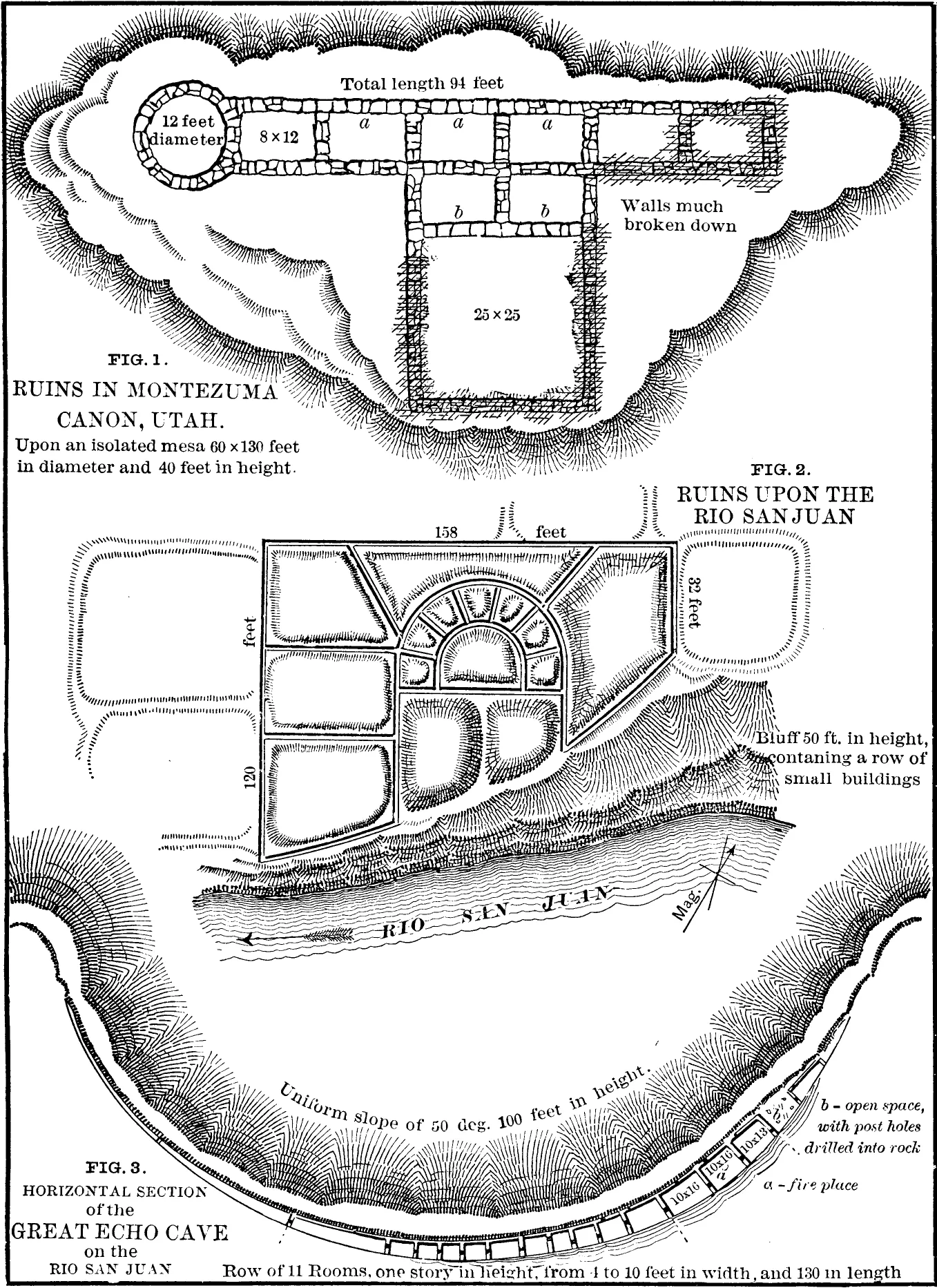
In 2018, as part of its marauding quest for “energy dominance,” the Trump administration offered up thousands of acres in the Lands Between for oil and gas leasing. Tribal nations with ancestral ties to the land, environmental groups, and historic preservation advocates protested nearly all of the parcels. The administration cast the protests aside, however, and in March and December of that year, energy company representatives logged onto EnergyNet.com and bid between $2 and $91 per acre for the right to drill, with companies like Wasatch Energy, Kirkwood Oil & Gas, and Ayers Energy walking away with the spoils.
Friends of Cedar Mesa (now Bears Ears Partnership), sued the Trump administration, alleging that the BLM violated federal environmental law by issuing the leases. Early last year the BLM agreed to re-evaluate the leases, and launched a new environmental assessment process. That process culminated this week with the cancellation of 25 of 28 of the leases under review, with three leases affirmed.

Reasons for the decision included:
- More than 900 National Register-eligible historic sites were identified within the leases, along with hundreds more within the half-mile buffer zone around the leases;
- Twelve of the leases lie within the Alkali Ridge Area of Critical Environmental Concern and contain a total of 806 documented cultural resources, including Three Kiva Pueblo.
- “Recent concerns brought forth by the Pueblo of Acoma, including the need to conduct a ‘more comprehensive review’, and a ‘structured consultation process with the Pueblo of Acoma and other tribes, ensuring that tribal expertise and cultural knowledge guide the evaluation and management of these lands.’
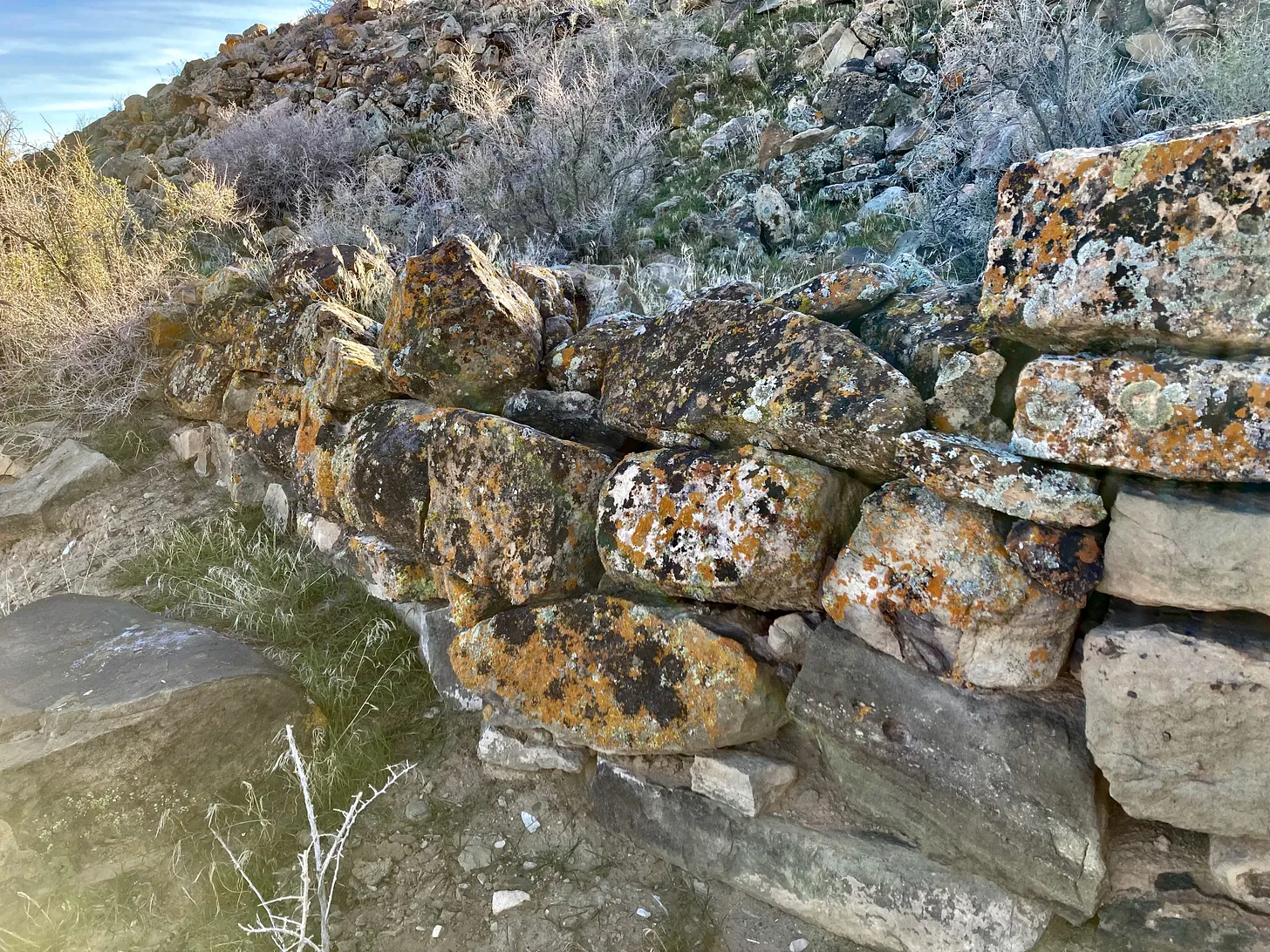
While compelling, I was most interested in “topographic anomalies” identified by LiDAR, or a sort of laser-based radar used more and more frequently in archaeology, especially to find ancient “roads” such as the ones that radiate out from Chaco Canyon. The agency was tipped off to these anomalies by Winston B. Hurst’s draft report titled: “LiDAR’s Gifts: Firstlook Insights into Puebloan Roads and Berm-Swale Field Systems in Utah and Neighboring Sections of the Northern San Juan Region.” Hurst identified a number of these features within the lease areas and their five-mile buffer zones.
In its record of decision cancelling the leases, the BLM writes that the anomalies, which potentially are berm-swale fields, ancient roads, or other architectural features with unknown function, warrant more study, and adds:

So there you have it. It’s probably not a good idea to go in and wreck these significant cultural objects with well pads and drilling rigs and pipelines and roads. And the BLM seems to understand that, at last.
“Acoma is deeply grateful for the BLM’s decision to cancel these leases, which affirms the importance of this landscape for the Pueblo of Acoma and other Pueblos and Tribes. This landscape is a living testament to our ancestors and our ongoing cultural traditions. Preserving these areas from development allows us to maintain our deep connection to our history and educate future generations about their rich cultural heritage,” said Governor Randall Vicente of the Pueblo of Acoma in a written statement.
But the fight’s not over yet. Acoma is also challenging leases in the same area sold in 2019.
Read more about the Lands Between, national monuments, and the inadequacy of “identify and avoid”. But first, subscribe to get a taste of these delicious archives:
State Line JONATHAN P. THOMPSON AUGUST 13, 2021
The following is from Sagebrush Empire: How a Remote Utah County Became the Battlefront of American Public Lands, by Jonathan P. Thompson. Torrey House Press, 2021. I am walking across the southeastern Utah desert, looking for the Colorado state line on an overcast day in early March. I think that maybe if I could just see the state line, experience it,…Read full story
The Meaning of Monuments JONATHAN P. THOMPSON JANUARY 22, 2021

When President Barack Obama established Bears Ears National Monument just over four years ago, conservationists and tribal leaders were …Read full story
Abandoned oil and gas wells threaten cultural sites JONATHAN P. THOMPSON MAR 5, 2024

Archaeology Southwest, an Arizona-based nonprofit, recently released an interesting and somewhat alarming report by Paul Reed, a New Mexico preservation archaeologist, on orphaned and abandoned oil and gas…Read full story
📸 Parting Shot 🎞️
One thought on “The Bureau of Land Management cancels 25 Trump-era oil and gas leases in archaeology rich SE #Utah — Jonathan P. Thompson (www.landdesk.org) #ActOnClimate #KeepItInTheGround”