Click the link to read the article on the Summit Daily website (Ryan Spencer). Here’s an excerpt:
October 10, 2026
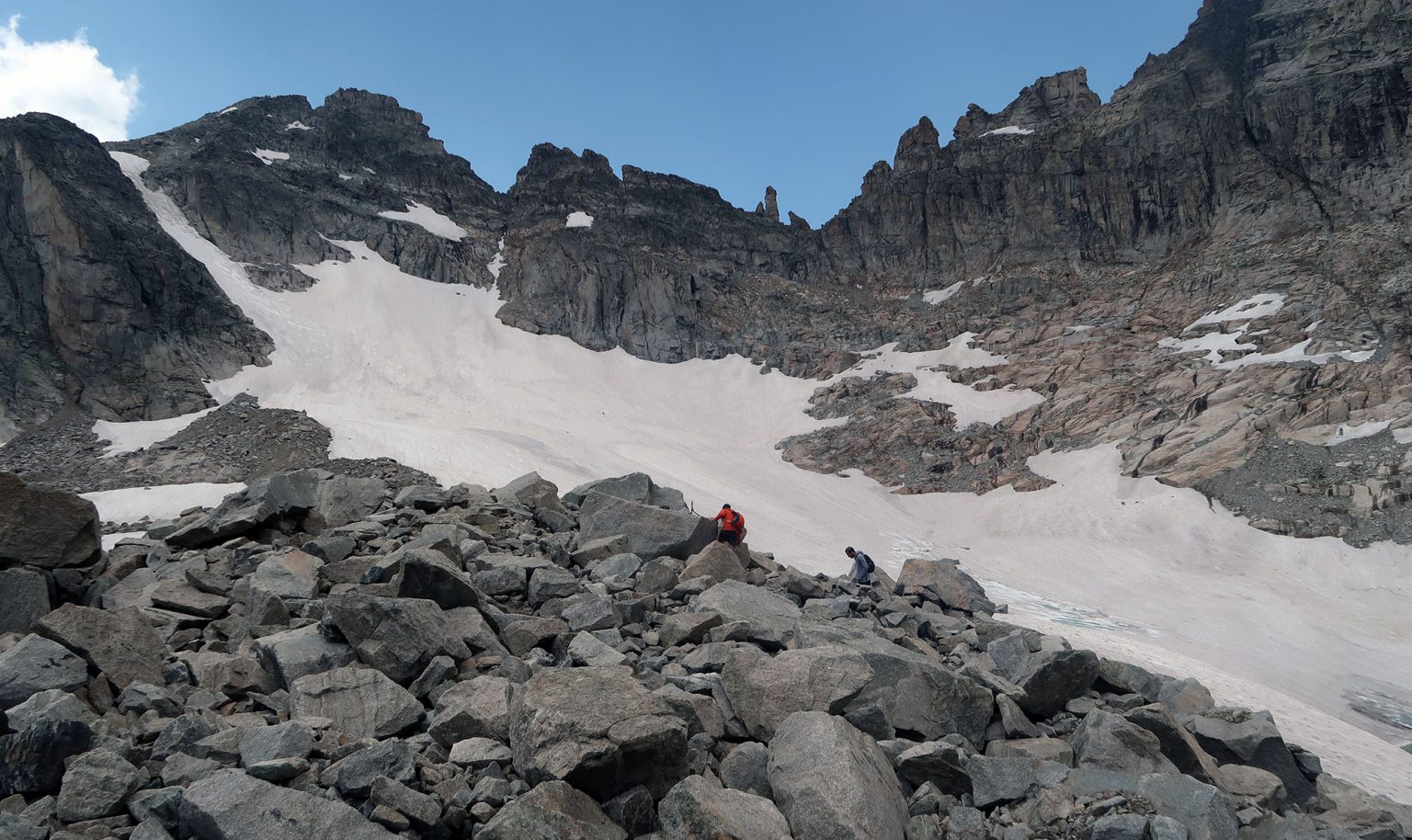
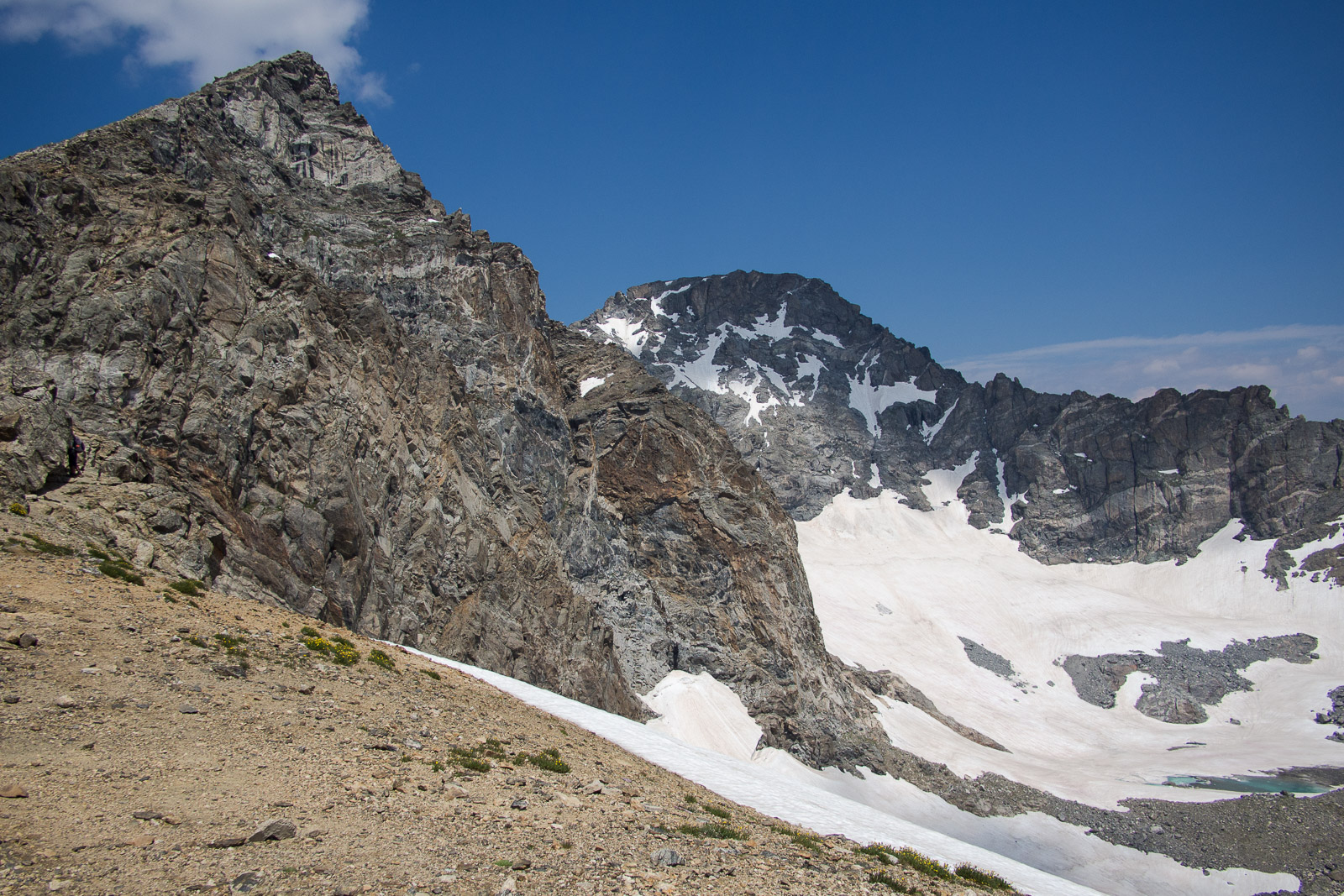
Colorado State University Associate Professor of Geoscience Dan McGrath is a glaciologist who has studied glaciers all over the world, including in Greenland, Antarctica, Alaska, Asia and here in Colorado. Colorado’s mountains were carved by glaciers, which form cirques, or bowl-shaped valleys through erosion and are especially common across the Front Range and in places like Rocky Mountain National Park, McGrath said. But it is somewhat of an open question whether Colorado has any true glaciers left.
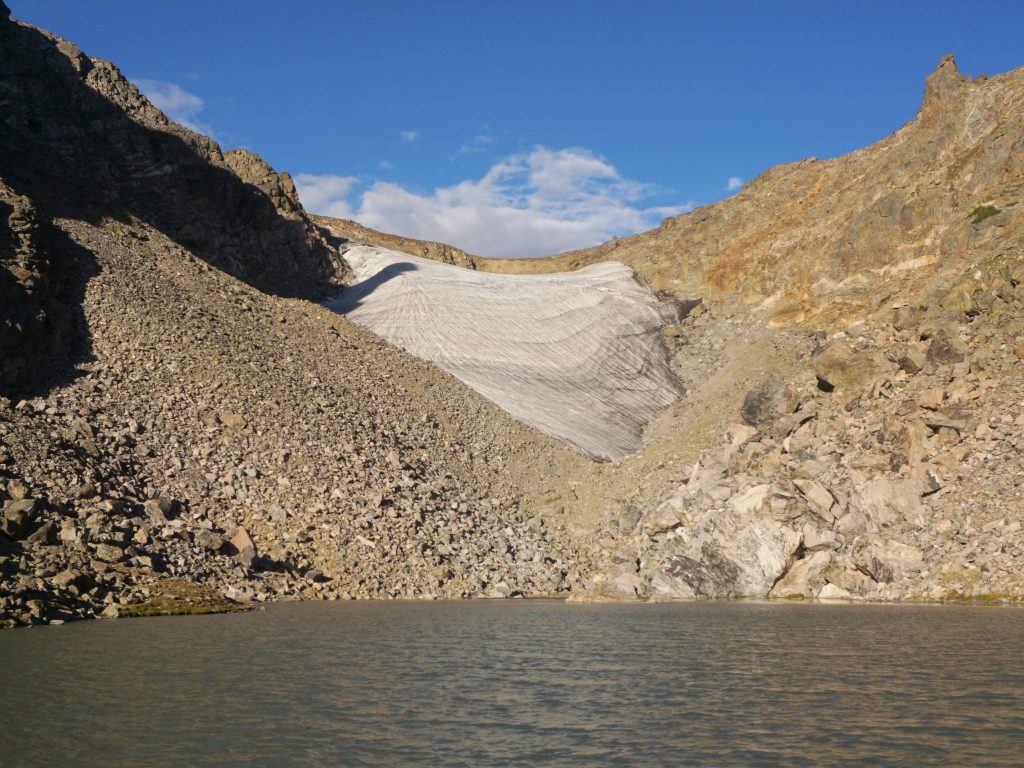
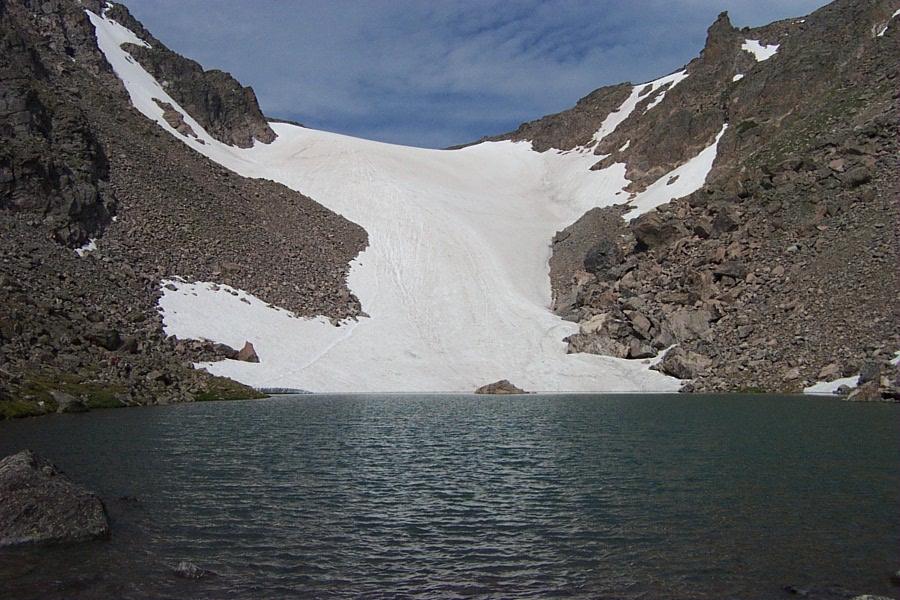
“I generally throw out that Andrews and Arapaho are the two most glacier-like features that we have left in the state,” McGrath said. “You would need to have evidence that they’re flowing to indicate that they’re still glaciers — and there have not been any kind of comprehensive surveys of their flow velocities or ice thickness that allows us to say definitively these are glaciers.”
The U.S. Geological Survey lists 16 glaciers in Colorado, but that includes places with perennial snowfields like St. Mary’s that “clearly have not been glaciers for a very long time and may no longer even have snow and ice in them,” McGrath said. These glaciers have been melting since what is known as the “Little Ice Age” from about 1750 to 1850, but until recent decades the melting had occurred slowly as winter snow accumulation and summer melt tended to balance out, he said. If any of Colorado’s snowfields are still glaciers, McGrath said they’re moving very, very slowly — especially as they melt at increasing rates, as the climate has steadily warmed due to human activities. Global temperatures have risen about 2 degrees Fahrenheit on average worldwide since 1850, with the warming trend increasing in recent decades, according to the National Atmospheric Administration. Statewide, the Climate Change in Colorado report found that annual average temperatures warmed by 2.3 degrees between 1980 and 2022 and are expected to warm another 1-4 degrees by 2025. After Colorado faced its worst snowpack and hottest summer on record, the state’s perennial snowfields have experienced rapid ice loss, and in cases like St. Mary’s — total disappearance.