A drought-tolerant grain could help #Colorado farmers save water. First, they need customers — Colorado Public Radio #SanLuisValley #groundwater

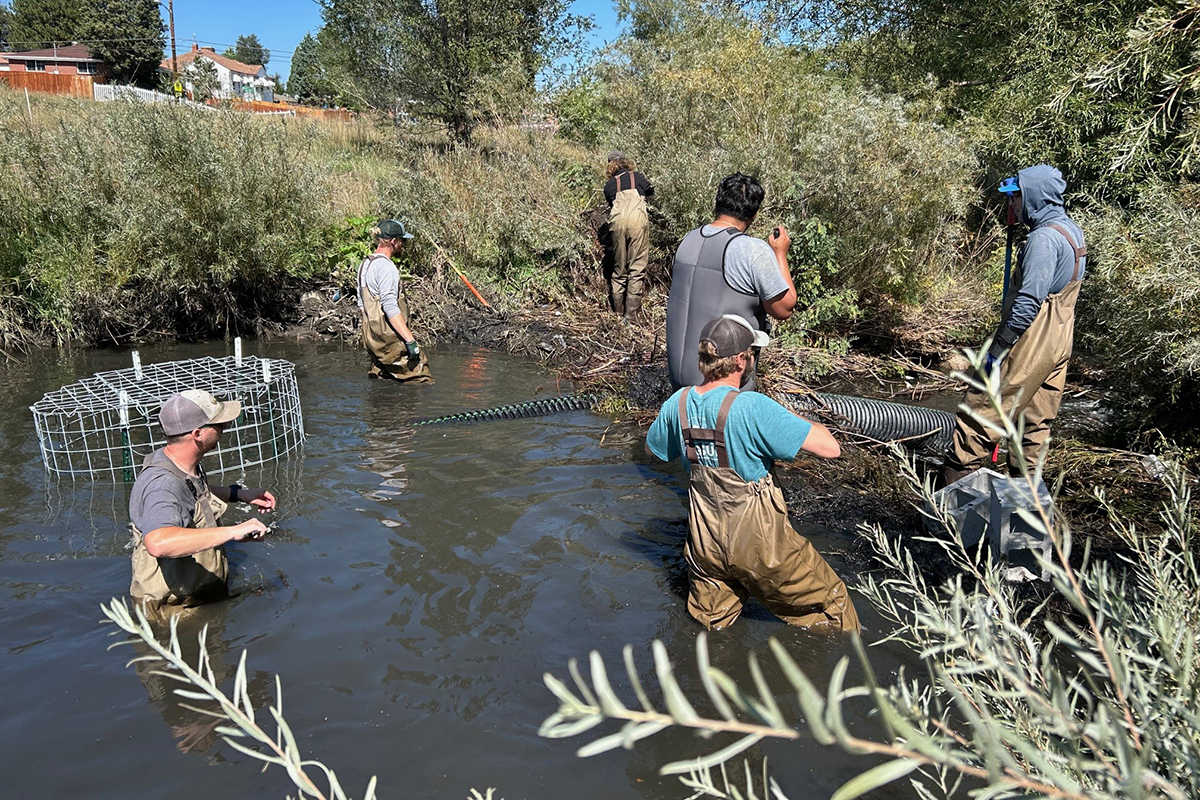
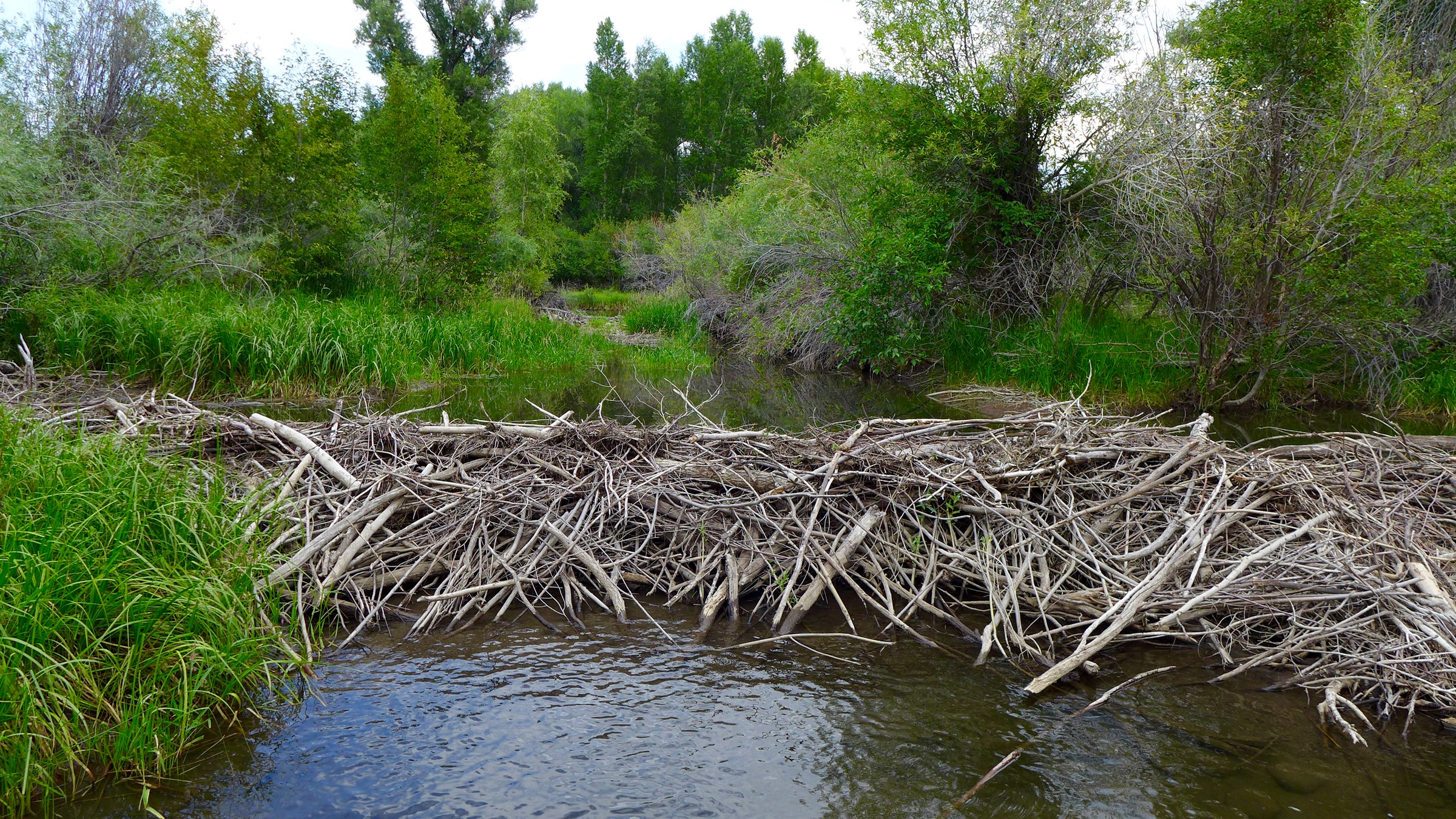
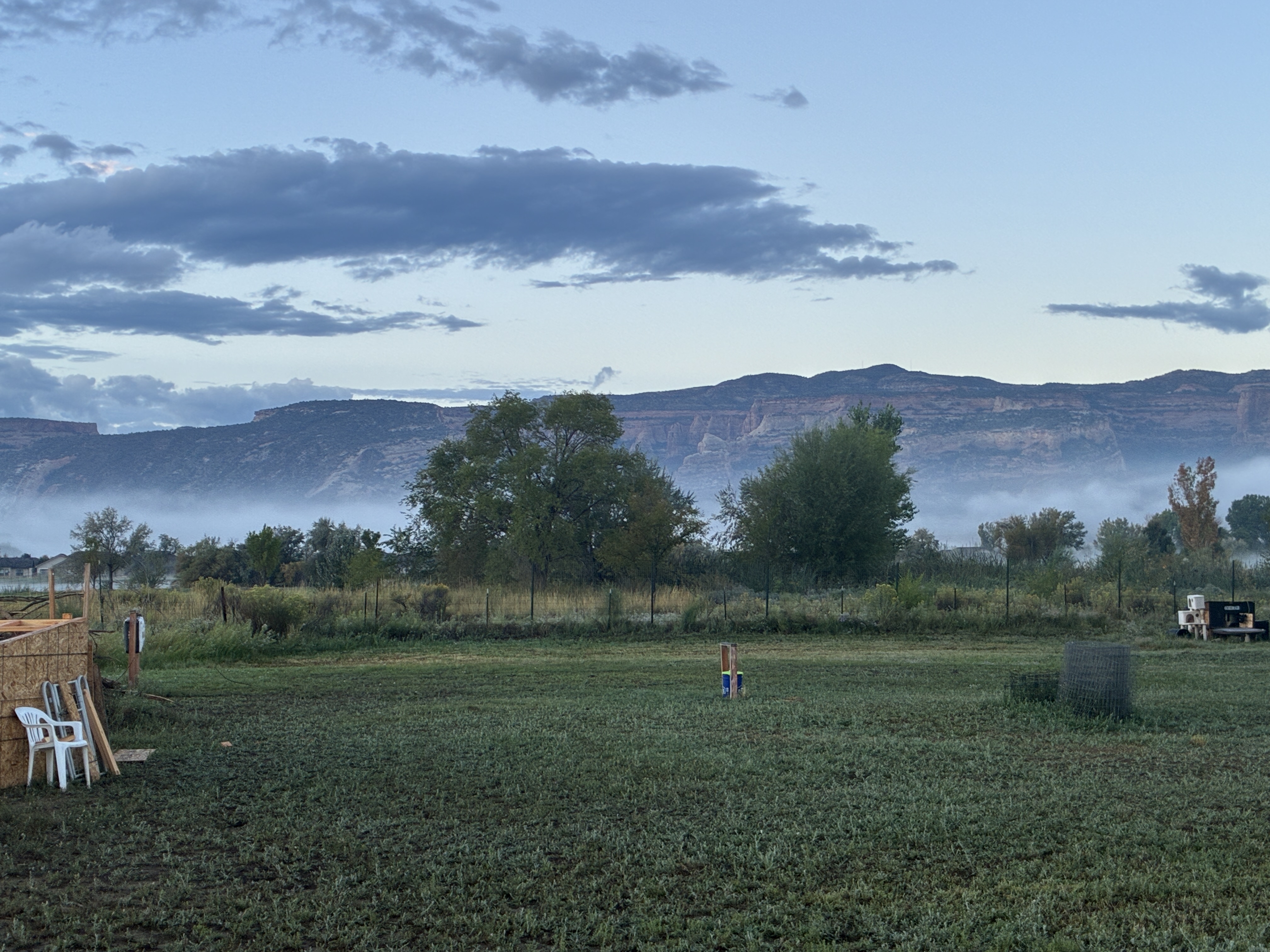
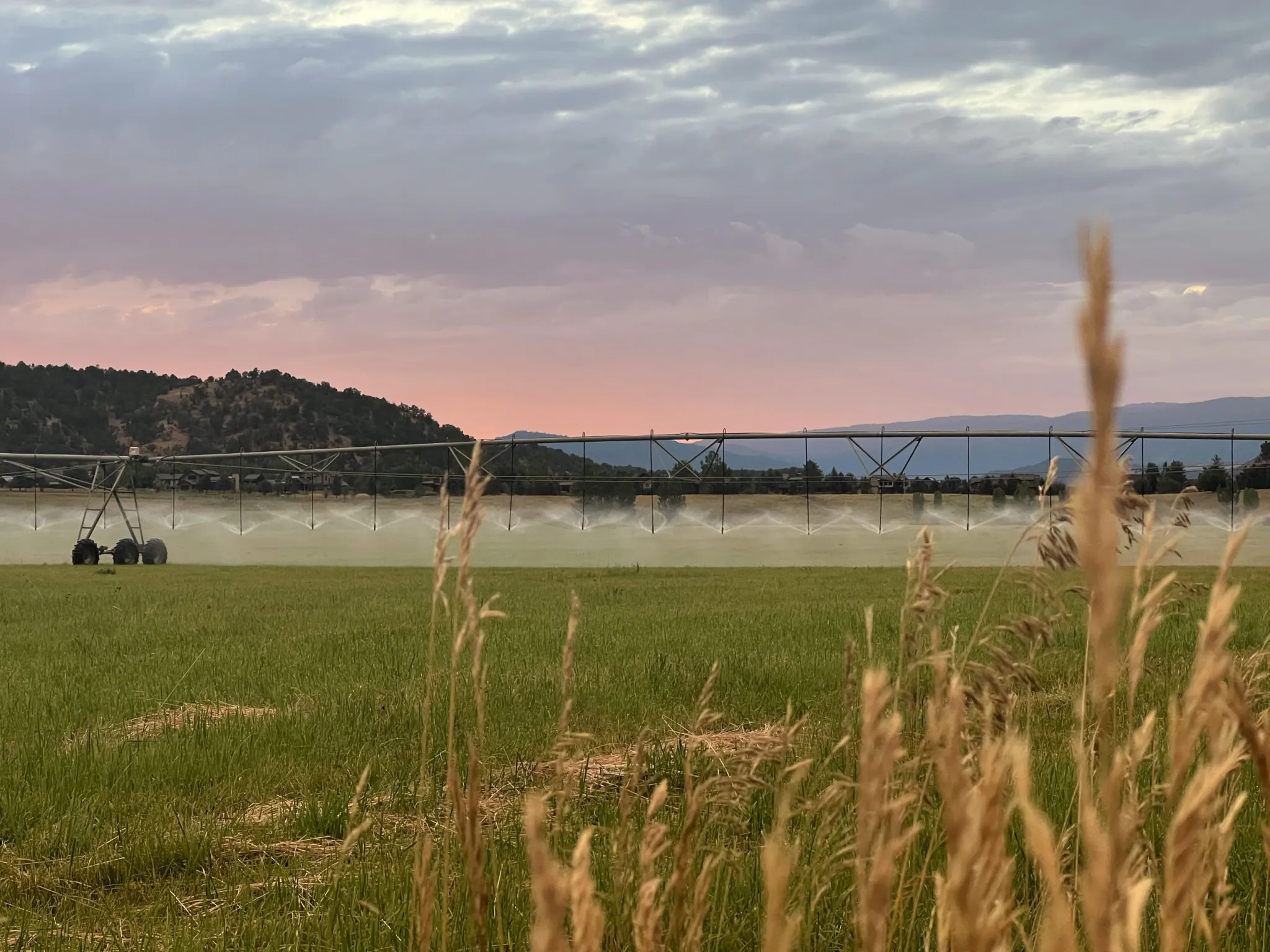
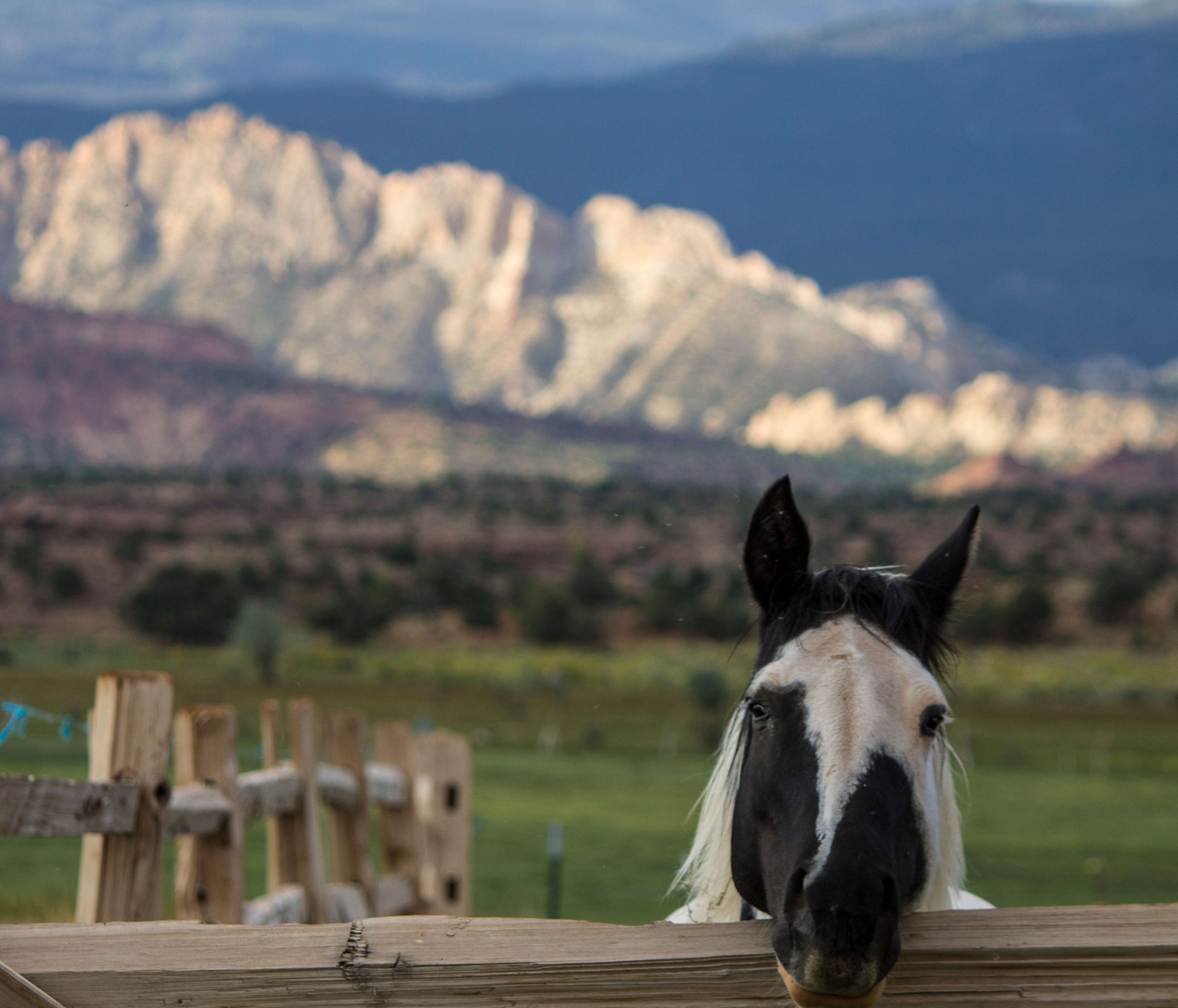
Photo credit: The Rye Resurgence Project

Click the link to read the article on the Colorado Public Radio website (Hayley Sanchez). Here’s an excerpt:

August 18, 2026

The San Luis Valley is searching for ways to use less water without shrinking agriculture. [The Rye Resurgence Project] effort believes rye could help. But turning the grain into part of the valley’s future will require more than convincing farmers to plant it.

“The situation is urgent, and we have to take action to reduce water use,” said Heather Dutton, manager of the San Luis Valley Water Conservancy District…

For years, groundwater has been pumped from the valley’s aquifer faster than nature can replenish it. If that continues, Dutton said, state regulators could eventually require irrigation wells to shut down. One option would be farming fewer acres. But Dutton said that would come at a steep cost.

“It wrecks our economy. It wrecks the fabric of our society of having people employed in agriculture and the heritage of this place,” she said. “That’s why it’s so important that we figure out other alternatives and ways that we can remain in farming, but use less water.”

[…]

The effort, launched by Dutton and Hooper farmer Sarah Jones, is exploring whether rye can help farmers reduce water use without taking more land out of production.

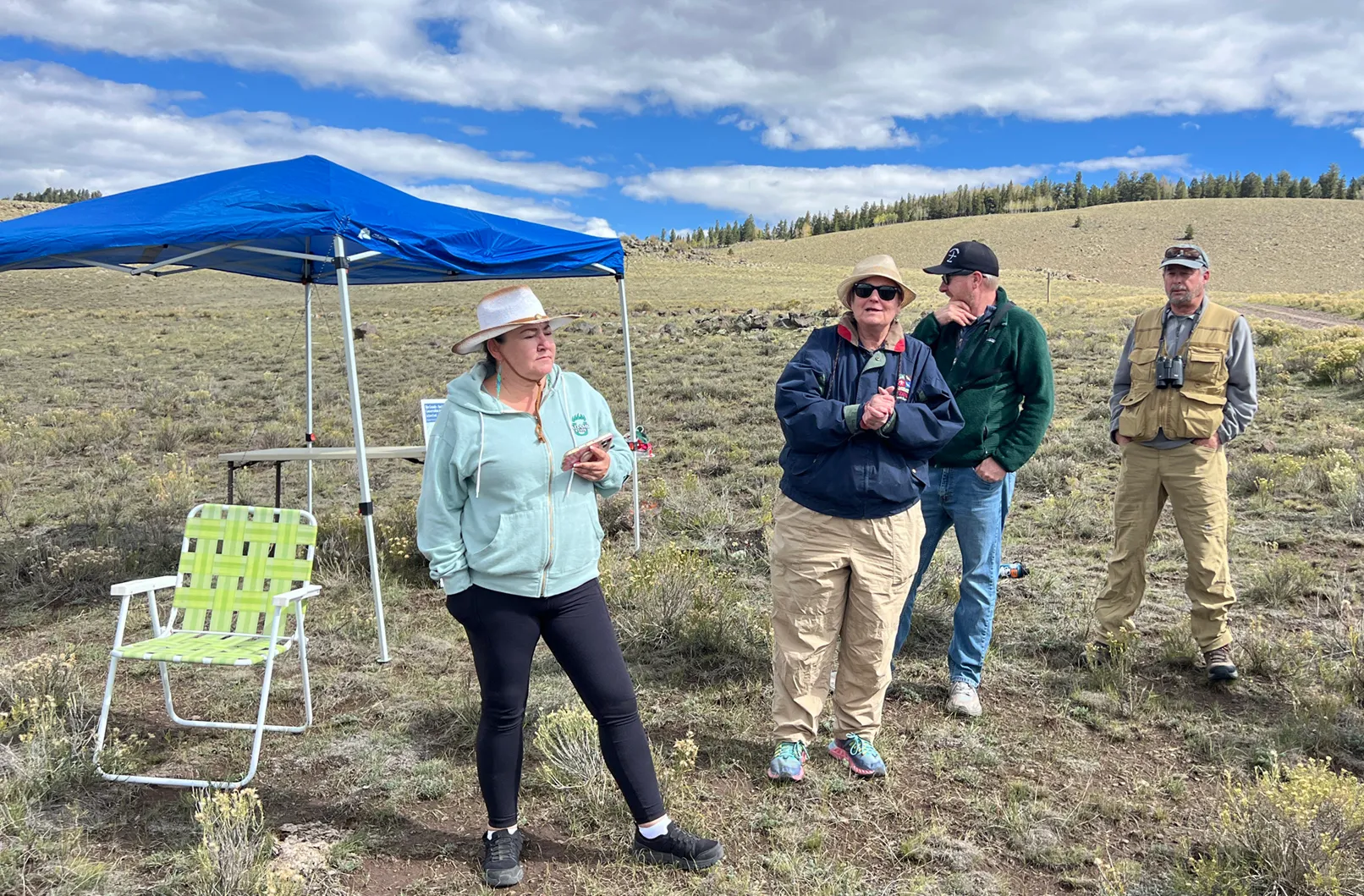
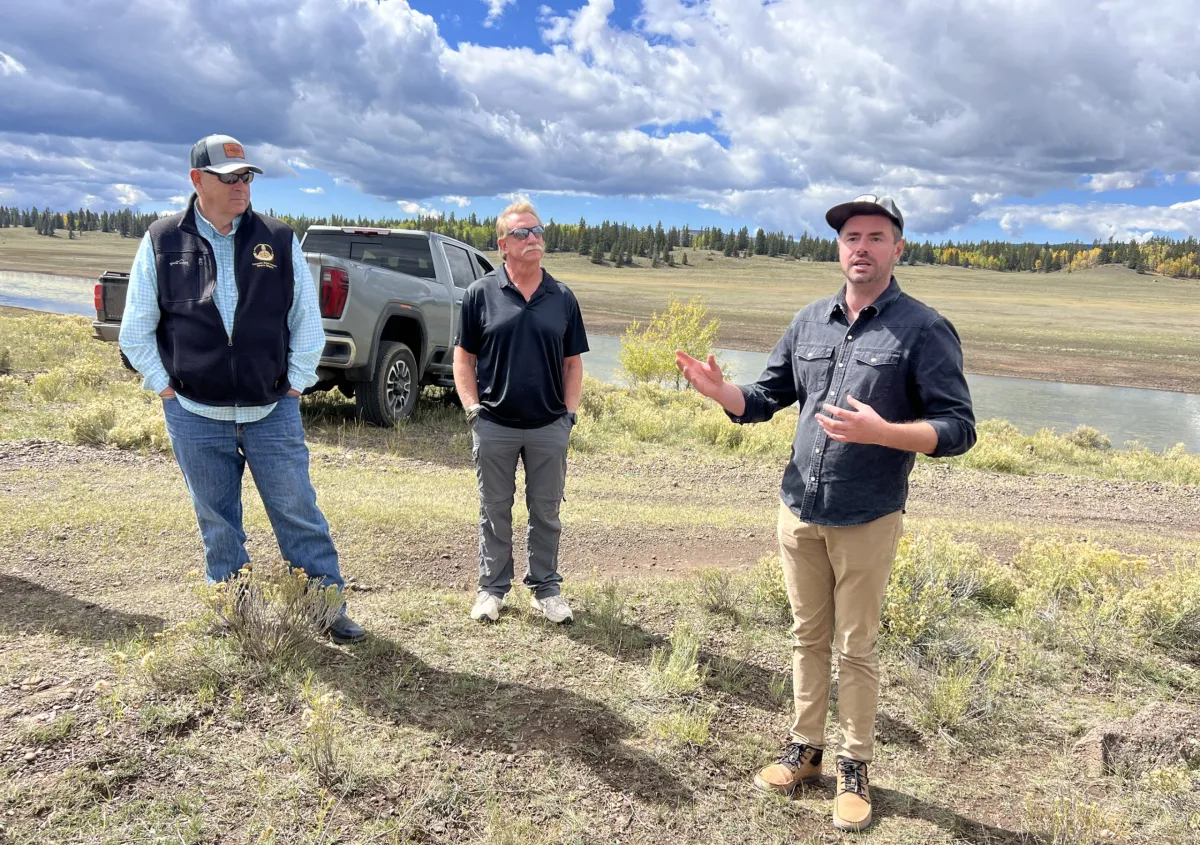
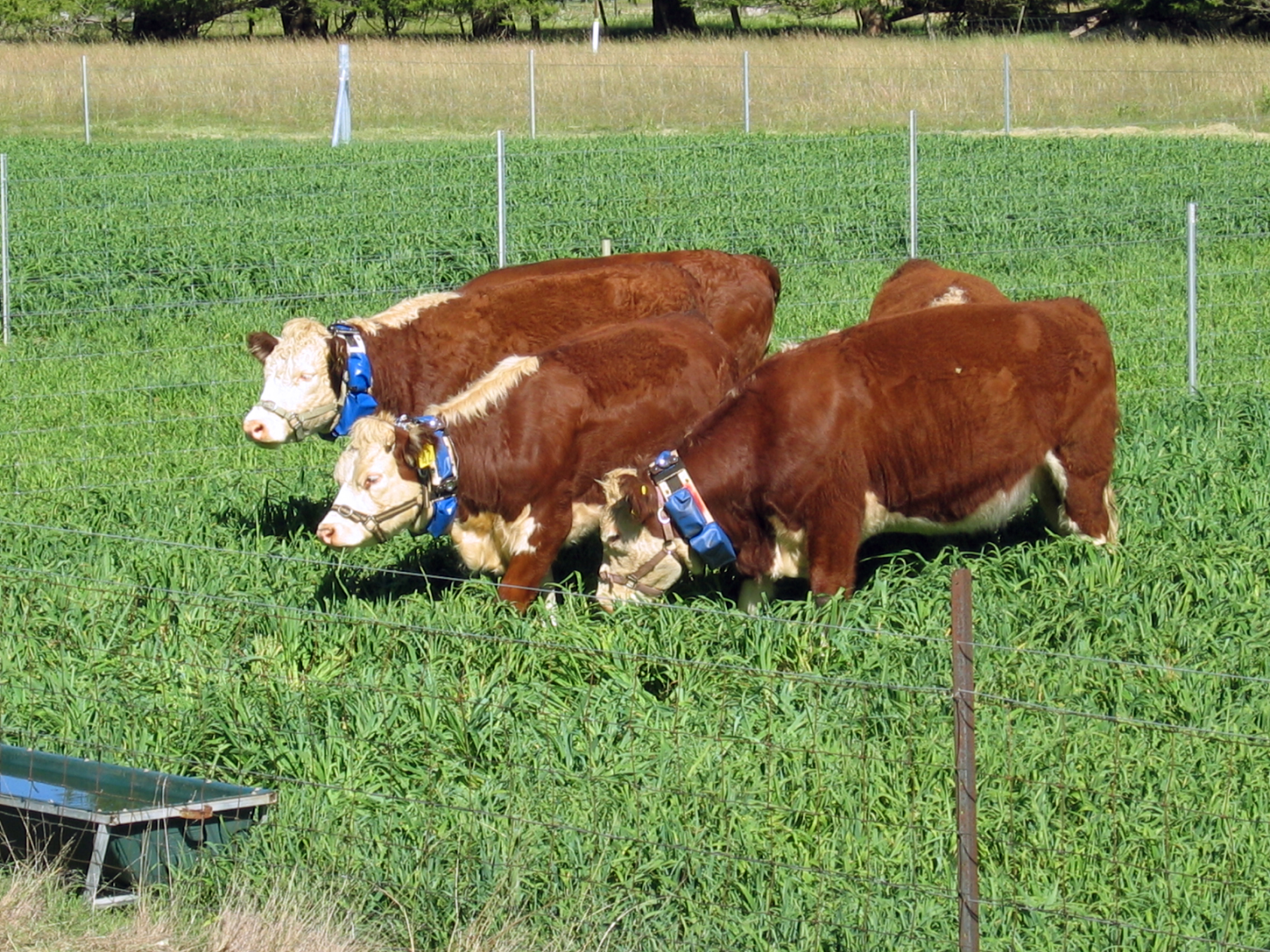
“This is a rye field that’s being used strictly for grazing and green manure,” project manager Morgan Neely said while walking along the perimeter of a lush green field in the San Luis Valley. Cows were cornered off to a section of the field.

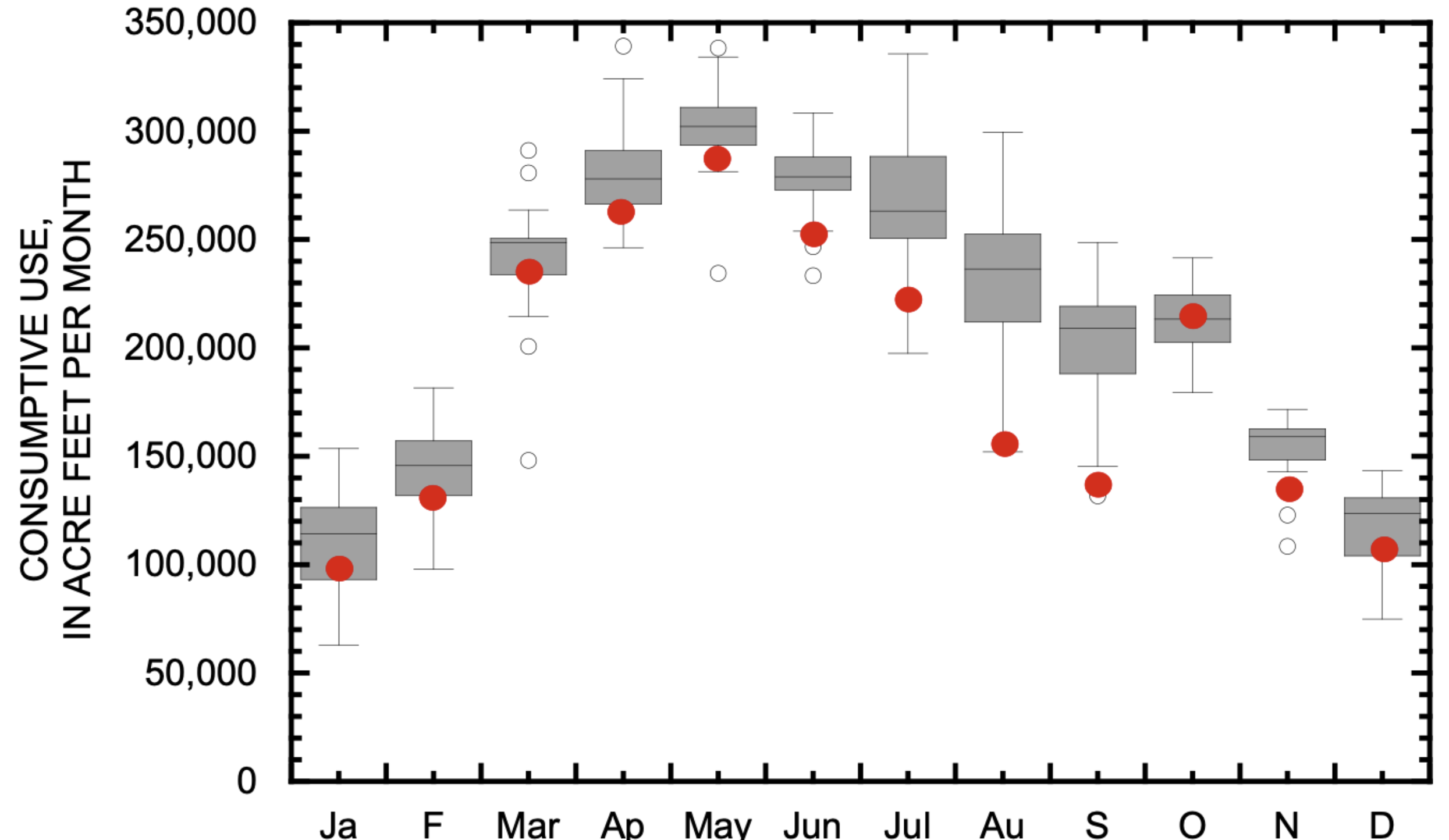
Rye requires less than 12 inches of water each year — roughly one-third to one-half as much as many traditional valley crops, Neely said. Its living roots help hold down topsoil during the valley’s powerful spring winds, and it can be grazed by cattle, incorporated into the soil or harvested for grain.

Photo credit: Rye Resurgence Project

#Climate ‘Overshoot’ Is Coming—Are We Ready?: If global warming remains above 1.5 degrees Celsius, a new U.N. report says “there are no good outcomes” — Bob Berwyn (InsideClimateNews.org)

May 6, 2023 – Volunteers with the National Renewable Energy Laboratory’s (NREL’s) ESCAPES (Education, Stewardship, and Community Action for Promoting Environmental Sustainability) program. The report from the United Nations Environmental Programme identifies the need to accelerate the phaseout of fossil fuels and the transition to renewable energy. (Photo by Bryan Bechtold / NREL)

Click the link to read the article on the Inside Climate News website (Bob Berwyn):

September 2, 2026

Fossil fuel emissions are pushing Earth’s climate toward a dangerous new phase of climate “overshoot,” scientists warned Wednesday in a new report from the United Nations Environmental Programme.

The report, Limiting Overshoot, projects that global temperatures will exceed the 1.5-degree Celsius (2.7 degrees Fahrenheit) warming threshold identified in the Paris Agreement within a few years, intensifying deadly climate impacts. It says the best chance of restoring a safe climate is to begin cutting greenhouse gas emissions immediately, halve them by 2035, and figure out ways to remove billions of tons of carbon dioxide from the atmosphere before the end of the century.
The 1.5 degrees of warming identified in the report and the Paris pact refers to the increase in global temperatures since the preindustrial period of 1850 to 1900, before humans altered the atmosphere and climate with billions of tons of fossil fuel emissions and other industrial and agricultural pollution.

Under the 2015 agreement, more than 190 countries pledged to keep the global temperature below that level because they knew warming above that would mean even greater intensification of extreme weather events, ecosystem losses and the potential submersion of small island countries. 

Multiple scientific studies, including global assessments from the Intergovernmental Panel on Climate Change, project that warming of more than 1.5 degrees Celsius will cause severe damage to human health, food and water supplies, as well as infrastructure and economies. 

Scientists have calculated that at the current pace of emissions, warming could reach a catastrophic 2.7 to 3 degrees Celsius by 2100. If all the measures promised by governments under the Paris Agreement are implemented, warming could be limited to about 1.7 or 1.8 degrees Celsius, which would make it easier to return below the 1.5-degree Celsius threshold.

If Earth’s fever stays in the ‘overshoot’ zone too long, it could push ice sheets and key heat-carrying ocean currents past tipping points “that become difficult or impossible to reverse on human timescales,” the report concludes. 

“We must make the overshoot as small and short as possible, limiting how high

temperatures rise and how long they remain above 1.5 degrees Celsius,” said United Nations Secretary-General António Guterres

The new report, he added, identifies a triple play of climate action: accelerating the phaseout of fossil fuels and the transition to renewable energy, slashing methane pollution and protecting climate allies, such as lands, forests and oceans, that take heat-trapping carbon dioxide out of the atmosphere.

“We’ve failed to act on the options that were available 15 or 20 years ago to reduce emissions rapidly,” said report co-author Joeri Rogelj, a climate scientist at the International Institute for Applied Systems Analysis in Austria and a professor at Imperial College London. “The reality is that we have failed in that endeavor, and it needs to be acknowledged.”

The new report does just that, and it is alarming because the climate impacts projected for warming above 1.5 degrees Celsius are “unacceptable or unbearable for at least the poorest and the most vulnerable communities around the world,” he said. This summer, with heatwaves that killed thousands in Europe and burned parts of towns in North America, showed that developed countries in the Global North are not immune, he added.

“We need to face the consequences of this failure by dealing with the unavoidable impact,” he said. He added that there is a wide gap between doing nothing by allowing warming to continue for the rest of the century, and acting now to limit the peak temperature and the length of time the global temperatures remain above the threshold.

Co-author Carl-Friedrich Schleussner, another climate researcher at IIASA, said the report doesn’t just document the state of the global climate. Given the climate impacts happening at about 1.4 degrees Celsius warming, he said the report is “more about what it means for us here now, and what the response needs to look like.”

As warming heats the planet at the rate of half a degree Celsius every 20 years, he said “extreme events and climate-driven natural disasters are increasingly exceeding the capacities of ecosystems and of human systems.” 

This summer’s extremes show this happening now, not in the distant future, he said, with extreme heat in Europe hitting places where it’s been rare and overwhelming the adaptive capacity of hospitals, schools and retirement homes. Extreme heat contributed to about 15,000 heat-related deaths in Germany, one of the most developed countries in the world.

“We are seeing what it entails to adapt to climate change, and we are seeing that we have an enormous gap,” Schleussner said. “We are really lagging behind. We are not prepared for what’s coming.”

UN Environment Program: World set to cross 1.5°C global warming, but can still limit, adapt to and return from higher temperatures

Click the link to read the release on the UNEP website:

  • Report puts best-case scenario peak temperature rise at 1.8°C; others suggest over 2°C
  • Above 1.5°C, climate impacts and risks of tipping points intensify with every fraction of a degree
  • ‘Overshoot, peak and decline’ pathway best remaining option to help vulnerable nations and communities cope and return to below 1.5°C 

Nairobi, 2 September 2026 – Global temperature rise is set to cross 1.5°C, likely within the next few years, pushing climate risks and impacts to increasingly dangerous heights, but it is still possible to bring temperatures down and achieve global goals in the Paris Agreement, according to a new UN Environment Programme (UNEP) report. 

The report, Limiting Overshoot, identifies an ‘overshoot, peak, and decline’ pathway as the best remaining option to minimize the magnitude and duration of this overshoot and try to return to below 1.5°C as soon as possible. 

“This summer’s scorching heat, raging wildfires and deadly floods are a warning of what lies ahead. We must make the overshoot above 1.5 degrees as small and short as possible. That demands an overshoot of ambition” said UN Secretary-General Antőnio Guterres. 

This pathway would minimize peak temperature rise through immediate and sustained cuts to greenhouse gas emissions, including methane, on the road to net-zero, and bring down temperatures through long-term net-negative emissions, with carefully governed Carbon Dioxide Removal (CDR) – the process of removing carbon from the air and storing it through afforestation or other means – an essential part of the mix. 

At the same time, following this pathway would involve adaptation actions that reduce vulnerability to the current, expected and unexpected impacts of climate change on societies, communities and economies – although there will likely be limits to adaptation and irreversible impacts, especially if peak temperatures are not minimized. The report stresses such a pathway would reduce risks and impacts, make adaptation less difficult and expensive, and increase the chances of lowering temperatures. 

“There are no good outcomes if we remain above 1.5°C. Across the globe, extreme heatwaves are already proving that climate impacts will strike faster, hit harder, and last longer – costing more lives and causing deeper disruption,” said Inger Andersen, Executive Director of UNEP. “Now is the time we must double down on climate action. We can – and must – get on the right path. By cutting greenhouse gas emissions, strengthening resilience and adaptation, and ensuring exceedance of 1.5°C is as small and short as possible.”

Devastating impacts

The most optimistic scenario will see temperature rise peak at 1.8°C above pre-industrial levels, above the goal of limiting warming to 1.5°C set by the Paris Agreement. Most other scenarios predict higher peaks.

Above 1.5°C, risks and impacts will intensify with every extra fraction of a degree and every year. Anticipated impacts include intensified extreme weather, ecosystem loss, and submersion of Small Island Developing States and low-lying coastal cities. Severe damage to human health, food security, water supplies, nature, cities, infrastructure, and economies is expected.

The report warns that the likelihood of crossing irreversible tipping points increases with the magnitude and duration of higher temperatures. These include the destabilization of major ice sheets, degradation of the Amazon rainforest and disruption of the Atlantic Meridional Overturning Circulation (the system of currents that moves warm surface water north and cold deep water south, playing a key role in regulating the climate). Some impacts may emerge abruptly, while others will accumulate over time.

Considering the scale of the risks and the co-benefits of climate interventions such as a rapid transition away from fossil fuels to renewable energy – improving air quality and public health, lowering energy costs and increasing access to electricity – the report urges accelerated, collective and global action to get on an overshoot, peak and decline pathway. How quickly and strongly this action happens will define the shape and trajectory of the pathway.
Conditions for success

Strong political will and multilateralism, effective policies, inclusive governance, and finance are all important enabling conditions for action – and equity and justice must underpin all responses. Countries with greater responsibility for climate change should act the fastest with the greatest ambition.

The report also finds that mitigation and adaptation, which are mutually reinforcing, must advance together, while being responsive to emerging risks. Interventions that achieve both mitigation and adaptation goals – such as nature-based cooling – should be prioritized.

Adaptation set up now forms the foundation for efforts to come, but it must become transformational and responsive to evolving non-linear and abruptly arising risks – including those that will harm mitigation efforts.

The report emphasizes that net-zero is a milestone towards net-negative, with CDR needed in addition to, not instead of, sustained reductions in greenhouse gas emissions. However, CDR can only contribute credibly to a return below 1.5°C if peak warming remains well below 2°C and all residual emissions are reduced. Strong governance frameworks for CDR will be critical to allow responsible deployment and manage implications for environmental integrity, equity, scale.

Responding to a changed future

Years of inaction mean that even if a return to below 1.5°C is secured, irreversible losses and permanently changed conditions are certain. Many communities may be forced to relocate or change livelihoods, while societies will face the challenge of re-adjustment. This raises issues of justice, power, and political legitimacy, which will require new, inclusive governance arrangements to resolve difficult issues.

This report is a reminder that an overshoot, peak and decline pathway is a next generation climate frontier, but one which cannot be left unattended to for the next generation to tackle. Immediate action is required for such a pathway to remain possible.

Additional Quotes

“Every fraction of a degree of warming above 1.5 leads to increasing and increasingly severe climate impacts, with our Pacific family standing on the frontlines. While we know the challenge is growing, so too is momentum. The recent energy crisis has reminded the world of the need to reduce our dependence on fossil fuels, accelerate the transition to renewable energy and bolster climate cooperation. COP31 is an opportunity to turn our ambition into action — with Türkiye, Australia and the Pacific delivering a practical, solutions-focused COP.” – Chris Bowen, Australian Minister for Climate Change and Energy, and President of Negotiations for COP31.

“Every fraction of a degree matters, and every year spent in overshoot increases climate risks and the potential for irreversible losses. The Overshoot Report makes clear that exceeding 1.5°C should not be seen as a new destination, but as a pathway we must urgently work to minimize and reverse. This requires rapid and sustained emissions reductions, alongside ambitious adaptation to protect people, communities and ecosystems. 

COP31 must turn this urgency into concrete action. We need to accelerate global electrification, reduce methane emissions from waste, strengthen the climate resilience of cities, and enhance the resilience of marine and coastal ecosystems. At the same time, mitigation and adaptation should advance together. The choices we make today will determine how high temperatures peak, how long they remain there, and how safely we can return to 1.5°C.” – H.E. Murat Kurum, COP31 President-Designate

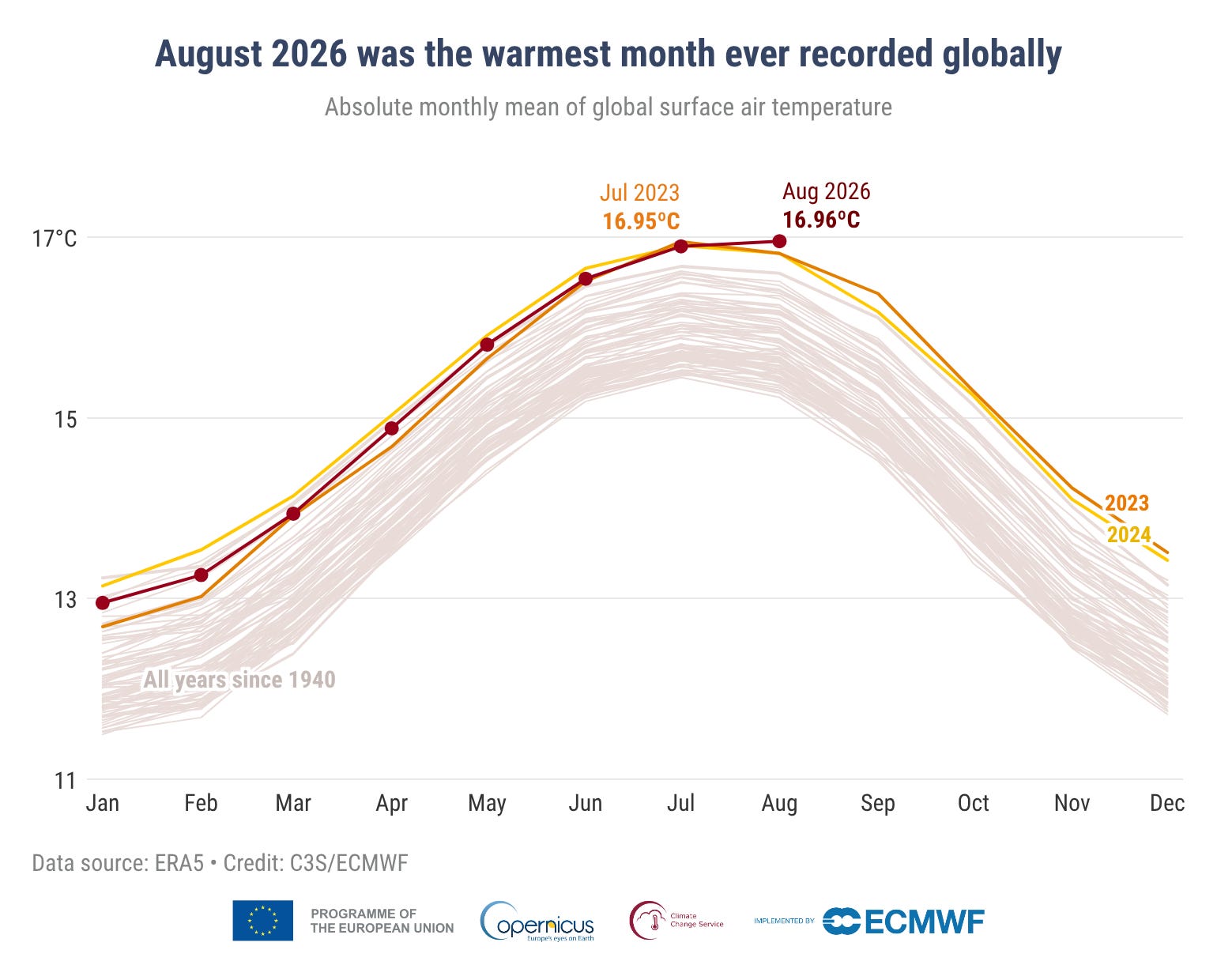
🔥 August 2026 not only beat the record for the warmest August on record, but it beat July 2023 for the warmest overall month on record for Planet Earth since 1940 – and likely the warmest during the entire Holocene. 😢

Climatologist49 (@climatologist49.bsky.social) 2026-09-02T10:03:46.418Z

Water Deal Could Upend the Narrative About Agriculture — Joanna Allhands (#Arizona Farm Bureau) #ColoradoRiver #COriver #aridification

Water flows to fields in Pinal County. Photo by AZFB

Click the link to read the article on the Arizona Farm Bureau website (Joanna Allhands):

August 28, 2026

Central Arizona Irrigation and Drainage District (CAIDD) is formally considering a deal to import water from California.

Take a second to let that sink in — because it’s counter to what most folks think about agriculture.

The assumption has long been that water augmentation is only for major cities, those that can pay the higher cost that new water sources require.

But farmers are leading the way on this conversation.

And that could impact a lot more than the Pinal County fields they irrigate.

CAIDD lost water years ago

CAIDD already knows the deep pain of Colorado River cuts.

It was among the first to see its lower-priority water eliminated in the 2019 Drought Contingency Plan.

The Eloy irrigation district secured state and federal aid to resume pumping groundwater, but those wells only produce a fraction of the water that the Central Arizona Project once delivered.

In a gravity-fed system like CAIDD’s, less water in canals means less momentum to push water to every customer.

“Some laterals are better than others,” said district president Dan Shedd, who irrigated 2,200 acres when Colorado River water was still flowing. 

That’s down to about 600 acres now. 

“My neighbor can’t farm as much as I can because of where the wells are situated. Most of us are less than 50%.”

Farms need extra in summer

Farmers across the district have adapted to this new reality.

Most have fallowed land. Some have sold or leased parcels to solar projects to help make ends meet.

Many remaining fields have been reconfigured into smaller plots, so lower-pressure water can move uniformly across them.

And farmers are diversifying what they grow.

“Normally, I’d have 1,600 acres in cotton,” Shedd, an Arizona Farm Bureau member, said.

“But now I’m growing wheat and garbanzo beans in the winter when there’s more water. It’s just a break-even deal.”

Summer is a different story.

Though more profitable alfalfa, cotton, corn and Bermuda grass can be grown then, it can be a struggle to pump enough water when the heat’s on and everyone needs irrigation at once.

In past years, the irrigation district has secured extra supplies from nearby providers to supplement when needs are highest.

But that water is growing scarce as others across Arizona now face cuts.

CAIDD knows it needs to do more.

Cadiz has groundwater to sell

Meanwhile, a California company called Cadiz is looking for interested parties to sell its groundwater, which it says would otherwise be lost to evaporation in a dry lakebed.

The water and land management company has secured rights to pump up to 75,000 acre-feet of water a year from an aquifer roughly the size of Lake Mead.

Its Mojave Groundwater Bank, located about two hours west of Lake Havasu City in Arizona, is neither new nor universally welcomed in California.

Opponents have tried to stop the project multiple times over 30 years. 

But Cadiz recently secured the last federal permit it needs to begin converting a natural gas line to transport its water north and west. 

The idea, at least initially, is to exchange that water with users who receive supplies from the State Water Project.

That water would flow to Los Angeles, in an agreement that has yet to be cemented, where users there would agree to conserve a commensurate amount of Colorado River water.

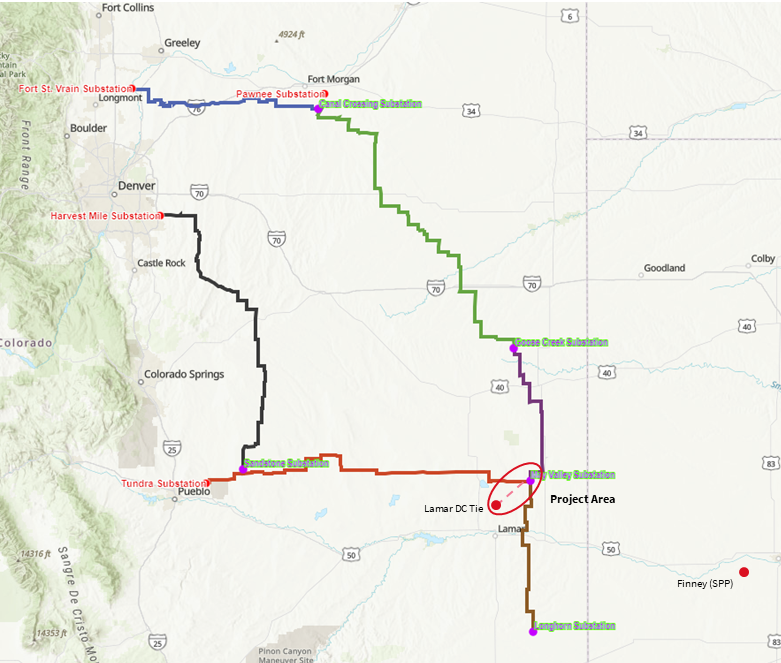
Central Arizona Project map via Mountain Town News

And then, in other agreements that still must be negotiated, 10,000 acre-feet of that water would flow to CAIDD through the Central Arizona Project canal.

Effort now is to lower the price

If this sounds complicated, it is. 

Finalizing complex agreements to move water every year for at least five decades is one thing. 

Lowering the price for CAIDD to officially bite on this deal is another.

“We can’t pass the cost onto food,” Cadiz CEO Susan Kennedy said, particularly when farmers already operate on slim margins.

Kennedy — a long-time California political operative — is rustling the bushes for private investment and an 80% federal funding match.

She is also working with the Bureau of Reclamation to develop a model exchange agreement that could be used to expedite other interstate water transfers.

This could change the narrative

Ten thousand acre-feet is a drop in the bucket for CAIDD, which even at diminished capacity delivered about 160,000 acre-feet last year.

It’s not enough water to restore fields that have been taken out of production.

But it is enough to provide more long-term certainty for those that remain. 

If the deal comes together, it could prove to other irrigation districts that new supplies aren’t necessarily out of reach, and that agriculture has a more secure future in Arizona, despite its current water challenges. 

And even if it doesn’t, district leaders contend, the conversation could open doors to other ideas and opportunities.

“This could bring water to Arizona, whether or not we can utilize it,” said Ron McEachern, CAIDD’s former general manager.

“That’s worth something.”

Prop 137 to invest in protecting and conserving water and land, preventing wildfires, coming to #Colorado voters this fall

Click the link to read the release on the Yes on Prop 137 website:

August 31, 2026

Yes on Prop 137 campaign to protect Colorado’s land and water and prevent wildfires officially launches

Supporters of Proposition 137 today officially launched their statewide campaign for the November ballot initiative to invest in preventing severe wildfires and protecting the state’s rivers, drinking water, and landscapes.

Without increasing taxes, Prop 137 would invest an estimated $175 million annually to reduce wildfire risk, protect and conserve water and land, strengthen watershed and forest health, expand access to the outdoors, and sustain Colorado’s outdoor economy.

“Your vote of ‘yes’ on Proposition 137 supports local, regional, and state-level change that prepares our communities for wildfires and keeps our homes, lands, and waters protected. Wildfire preparedness is generational; community-based solutions and state-led funding are key,” said Jennifer Mueller, CEO of The Ember Alliance  . “If you want to ensure that our kids and future generations can also enjoy the places we love as Coloradans today, then a ‘yes’ on Prop 137 is a priority.”

Prop 137 would redirect money from the state’s existing sales tax on sporting goods and outdoor equipment, and dedicate those funds to protect drinking water, prevent catastrophic wildfires, and preserve Colorado’s forests, lands, and open spaces.

“Colorado’s lands and water are foundational to our communities, economy, and way of life,” said Robyn Paulekas, executive director of Keep It Colorado  . “We have a unique opportunity to make smart, long-term investments that conserve working lands, protect water resources, expand access to the outdoors, and reduce wildfire risk. Prop 137 would provide dedicated, year-after-year funding to help meet those goals without raising taxes.”

Colorado is running out of time to protect the lands, water, and forests that define our state. As temperatures rise and drought places increasing pressure on rivers and water supplies, and wildfires intensify, this initiative will safeguard water for all.

“Denver Water is responsible for delivering clean water to more than one and a half million Coloradans. Our drinking water starts as snowpack and rainfall in the mountains, filters through our forests and flows into the rivers that supply our communities,” said Alan Salazar, CEO of Denver Water  . “But bigger, more intense wildfires are increasingly damaging our forested watersheds and degrading our source water supplies. Proposition 137 would provide crucial funding to restore our forests and make them more resilient against the threat of catastrophic wildfire, helping ensure the high-quality water supply that Coloradans depend on.”

A broad and growing coalition of water and wildfire experts, outdoor recreation leaders and small businesses, community advocates, and conservation organizations from across Colorado has endorsed the measure, which would support:

  • Watershed protection projects that safeguard drinking water supplies
  • Work to help prevent severe wildfires and restore forests in fire-prone watersheds
  • Conservation protection of working lands and ranches
  • Trail and park improvements and new state parks and open space
  • Wildlife corridor, habitat restoration projects, and invasive species removal
  • Support for Colorado’s growing outdoor recreation economy and gateway communities
  • Enhanced outdoor recreation opportunities across the state

“Colorado’s outdoors are the foundation of our recreation economy and a defining part of what makes our state such a special place to live, work, and play. As someone who has spent a career helping people experience these landscapes firsthand, I know how important it is to invest in protecting them for future generations,” said Bill Gamber, co-founder of Big Agnes  , a Steamboat Springs-based outdoor gear company. “Funding from Proposition 137 would enable us to conserve our land and water and expand outdoor recreation opportunities, all without increasing taxes. That’s a win for our communities, our economy, and for Coloradans now and in the years to come.”

The campaign has received dozens of endorsements   to date from groups that include: American Rivers, Backcountry Hunters and Anglers, Colorado State Grange, Community Agriculture Alliance, Conservation Colorado, Denver Water, Ducks Unlimited, Eagle Valley Land Trust, The Ember Alliance, Environmental Defense Fund, Great Outdoors Colorado, Keep It Colorado, Mountain Towns 2030, National Wildlife Federation, Wildfire Mitigation Council, Rural Is Rad PBC, The Conservation Fund, The Greenway Foundation, The Nature Conservancy, Pikes Peak Outdoors, Routt County Wildfire Mitigation Council, San Luis Valley Great Outdoors, Theodore Roosevelt Conservation Partnership, Tri-State Generation and Transmission Association, Trust for Public Land, Western Resource Advocates, and The Wilderness Society.

In areas that experience low-severity burns, fire events can serve to eliminate vegetative competition, rejuvenate its growth and improve watershed conditions. But, in landscapes subjected to high or even moderate burn severity, the post-fire threats to public safety and natural resources can be extreme. Photo credit: Colorado State Forest Service

A 4.2-million-gallon sewage spill in #Colorado’s #ArkansasRiver was expected to reach John Martin Reservoir, August 31, 2026 — 9News.com

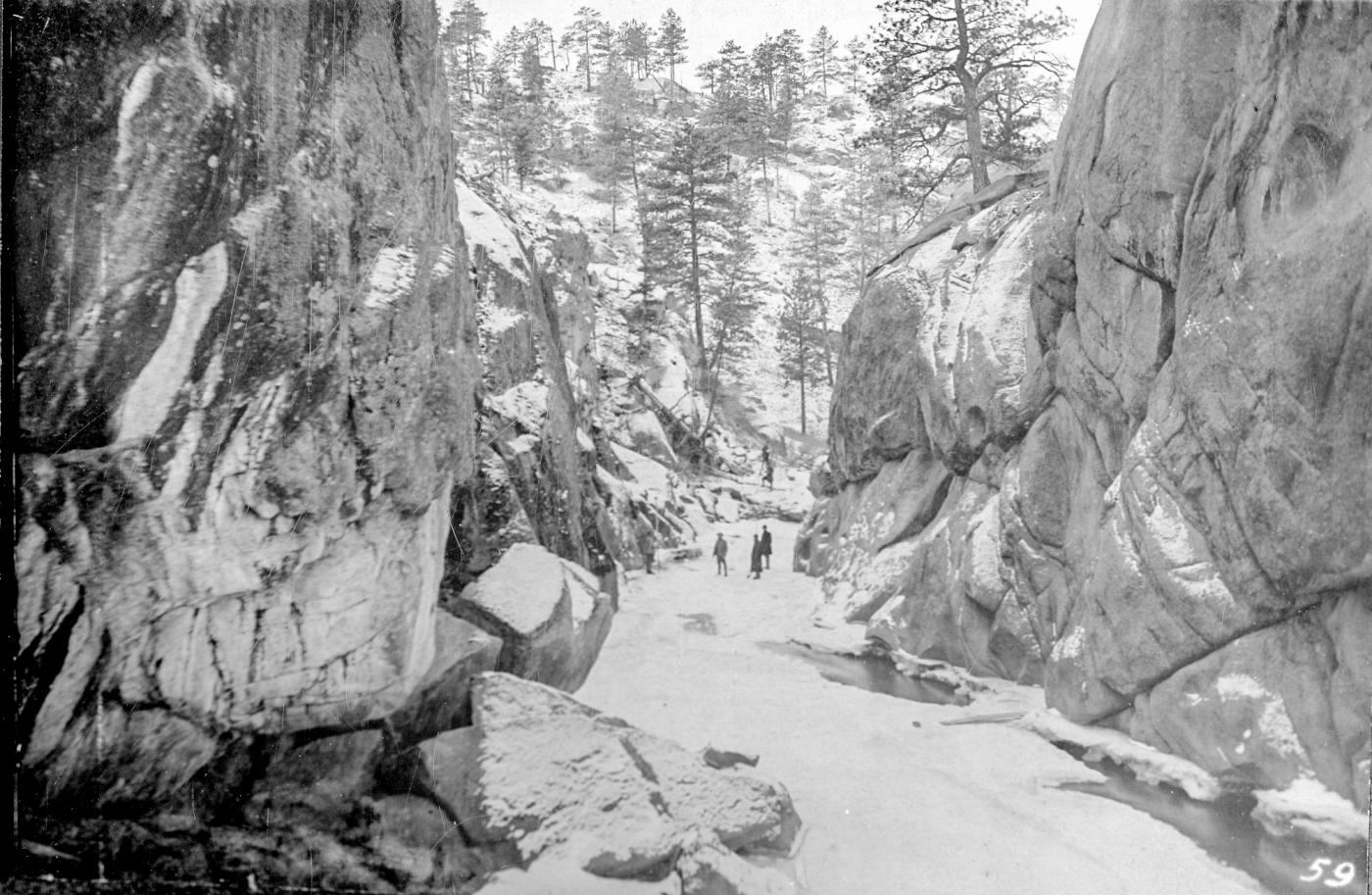
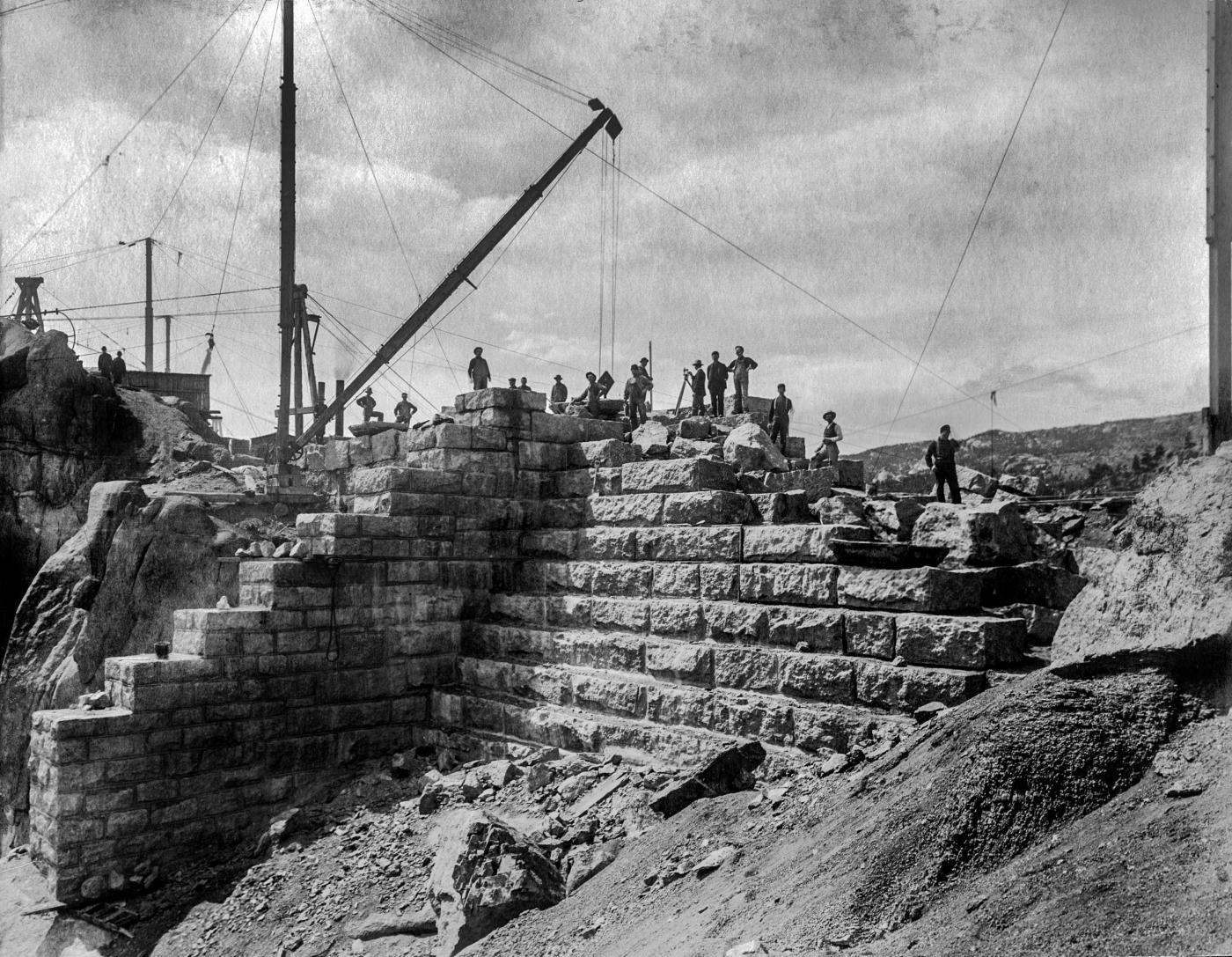
John Martin Reservoir back in the day

Click the link to read the article on the 9News website (Alexander Kirk). Here’s an excerpt:

September 1, 2026

Colorado Parks and Wildlife (CPW) said the sewage has been moving downstream in the Arkansas River and was expected to reach John Martin Reservoir near Las Animas beginning Monday. The City of Pueblo Wastewater Department said that state and city stormwater officials were notified of the discharge issue early Thursday morning, and said the discharge was halted by approximately 11:45 a.m. According to the wastewater department, a pipe inside of the stormwater pipe had a hole cut in the top many years ago. That hole was patched with concrete, and over time the concrete slipped from the hole. The pressure of the sanitary sewer pipe to keep the bypass pumps running caused untreated wastewater to come out of the hole and flow into the stormwater pipe, which flows into the Arkansas River.

Arkansas River Basin — Graphic via the Colorado Geological Survey

Denver man arrested on charges of tampering with Front Range water supply systems, diverting ditch — The #Denver Post

The Berthoud Pass Ditch is now owned by the City of Northglenn. Photo credit: Clear Creek County

Click the link to read the article on The Denver Post website (Elise Schmelzer). Here’s an excerpt:

August 28, 2026

The Colorado Attorney General’s Office and the 14th District Attorney’s Office this week charged Fabrizio Lorenzin, 65, with four felonies in connection with repeated sabotage of the Berthoud Pass Watershed Ditch and its security cameras over several years. The remote ditch system begins at 11,200 feet high on its namesake pass in the mountains and helps funnel water to Northglenn and Golden. The ditch’s water is stored…in Standley Lake in Adams County. Lorenzin allegedly forced open headgates on the system’s ditches, damaging the infrastructure and diverting millions of dollars’ worth of drinking water from its intended destination downstream. Prosecutors allege that he also stole cameras meant to watch the district’s property…

Law enforcement first began investigating the possible tampering with the headgates in August 2019, according to an arrest affidavit documenting the investigation. That’s when four of the gates that control the direction of the flow of water were vandalized, diverting water worth approximately $1.3 million, the affidavit says…Headgates were damaged again in 2022, diverting $4.3 million in water, the affidavit says. Trail cameras again photographed the same man with the same backpack. Another headgate was damaged in 2023 when it was forced open and propped up with rocks. This time, the trail cameras were also stolen. In 2024, the affidavit says, federal investigators with the U.S. Environmental Protection Agency installed three cameras with Apple AirTags attached. More images from the area showed the same man with the same backpack. In August 2024, the AirTags on the stolen cameras pinged from inside Lorenzin’s home, the affidavit says, and investigators searched it on two occasions, finding the disassembled EPA cameras and a laptop that contained images from other stolen cameras. A review of the search history on the laptop found multiple searches for information related to sabotage on the Berthoud Pass system as well as information about trail cameras and headgates, the documents says.

Graphic via the Clear Creek Watershed Foundation

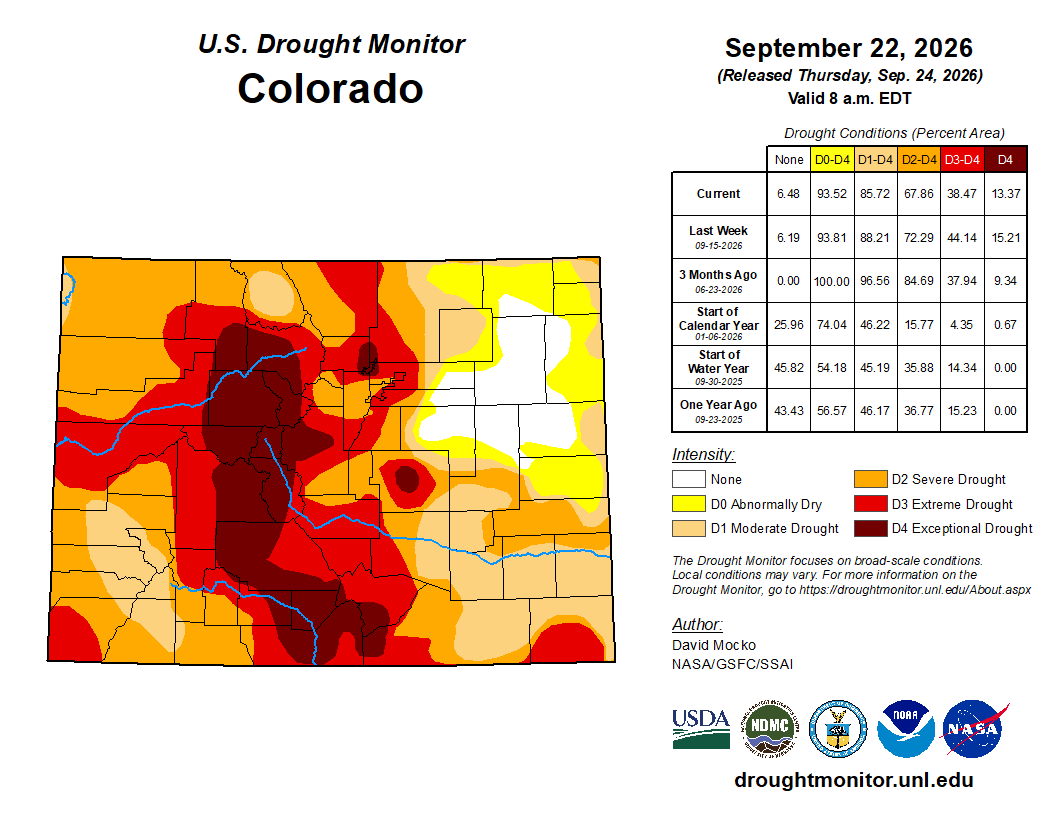
Amid exceptional drought in Eagle County, #Colorado Division of Water Resources places call on #EagleRiver — #Vail Daily

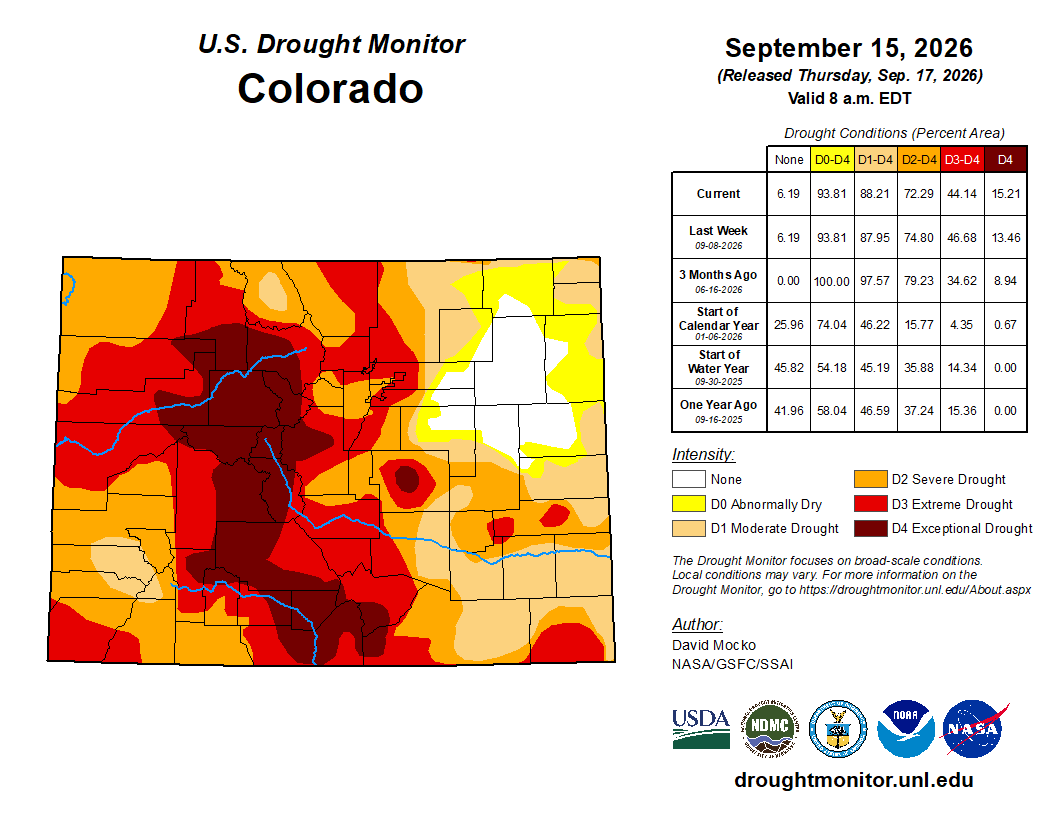
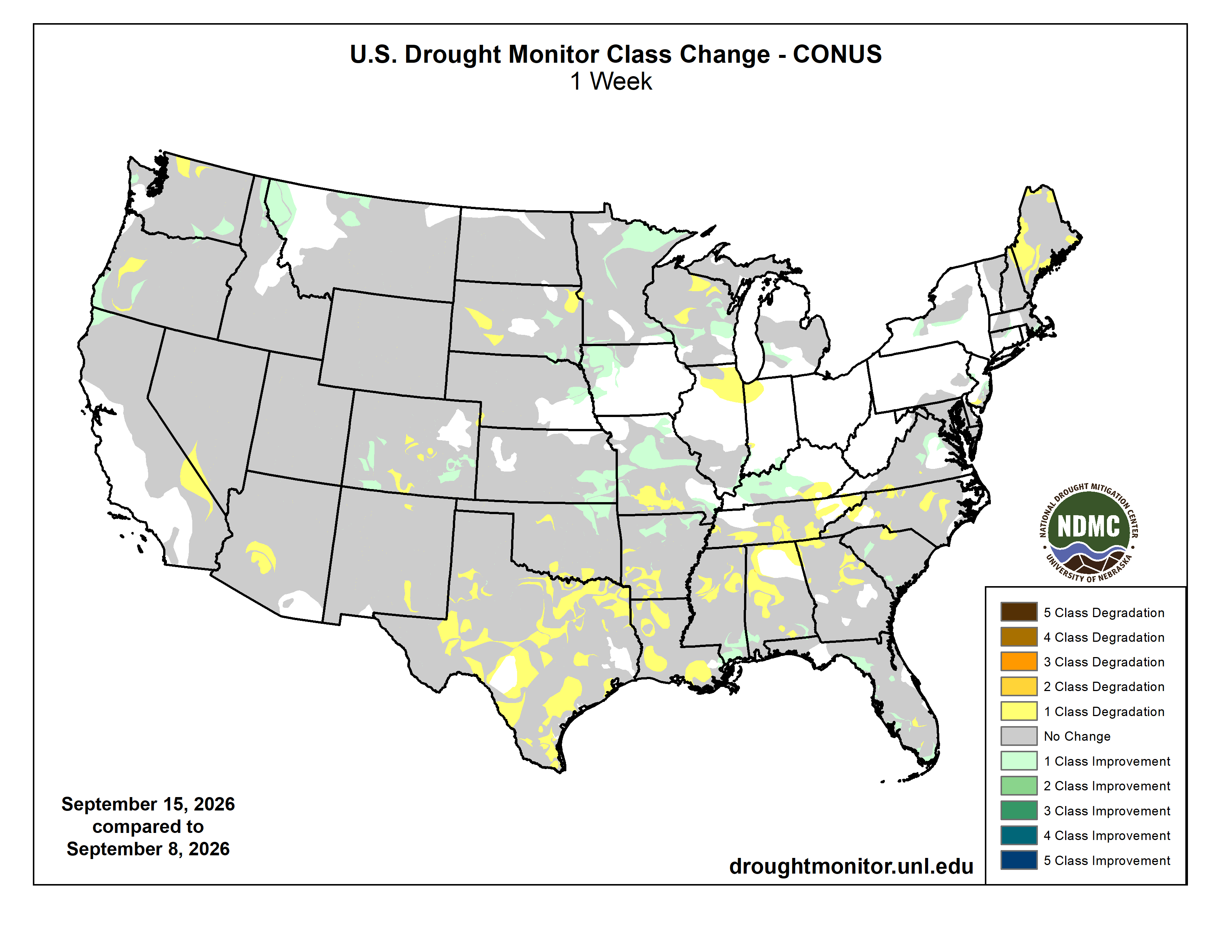
Eagle County is currently within the region of Colorado facing D4 conditions, which is the most extreme level of drought. Colorado Drought Monitor map August 25, 2026

Click the link to read the article on the Vail Daily website (John LaConte). Here’s an excerpt:

August 28, 2026

Upper Eagle Regional Water Authority now required to replace diversions with more water

On Aug. 14, the Colorado Division of Water Resources placed what’s known as a “call” on the Eagle River, meaning that any water user with junior water rights is now required to stop diverting, or replace their diversions with augmentation water. The call came as no surprise to water managers, and is not uncommon in drought years when the Eagle River between Gore Creek and Lake Creek reaches an average flow that is less than 85 cubic feet per second between May 1 and Sept. 30. That minimum average threshold was set in a court decree issued Oct. 7, 1981, which said that minimum streamflow is “required to preserve the natural environment to a reasonable degree on the Eagle River.” What is uncommon, said Tim Friday, director of water & utility resources for the Eagle River Water & Sanitation District, is the fact that the Colorado Division of Water Resources consulted with the district before placing the call on the Eagle River. The call could have been placed a month earlier, as the average minimum flow had dropped below 85 cfs back in July, but the Division of Water Resources stalled it a month in case flows came back up…The Eagle River Water & Sanitation District isn’t as affected by the call, as many of the water rights in the district are senior to the 1981 court decree, but the Upper Eagle Regional Water Authority, which also supplies water to many properties in Eagle County, has water rights that are junior to the 1981 decree…For more information about the instream flow rights on the Eagle River, visit Colorado’s Decision Support Systems website.

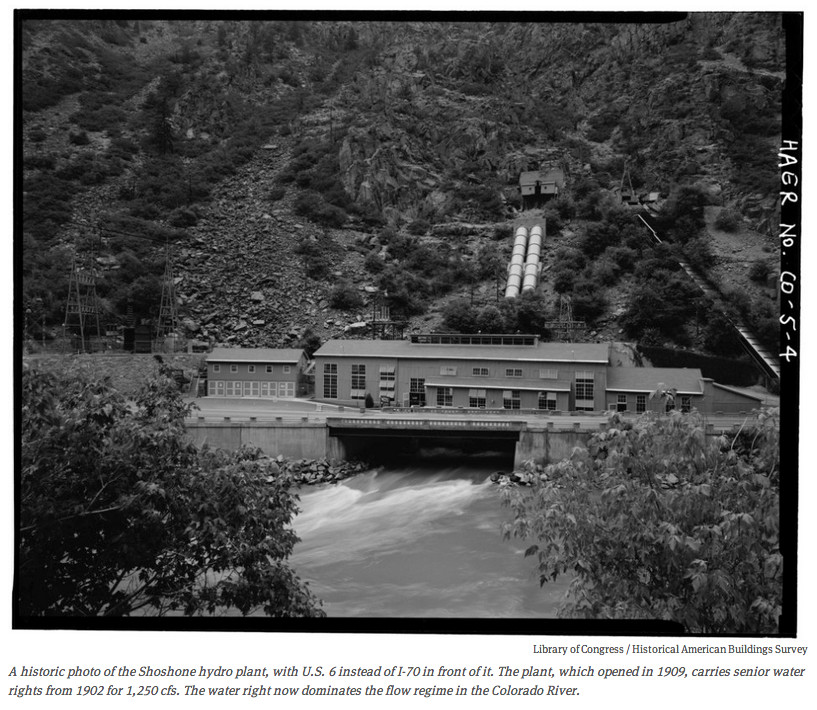
The #ColoradoRiver District concerned legal tools for #conservation program could favor some regions over others: — Heather Sackett (AspenJournalism.org) #CWCSC2026 #COriver #aridification

This ditch in the Uncompahgre Valley Water Users Association flows past an unplanted field. The River District is concerned that legal tools the state plans to use for its new conservation program could favor certain regions, like the Uncompahgre Valley. CREDIT: HEATHER SACKETT/ASPEN JOURNALISM

Click the link to read the article on the Aspen Journalism website (Heather Sackett):

August 28, 2026

Colorado could most easily wring water from Grand, Uncompahgre, Upper Gunnison valleys

Western Slope water managers are raising concerns that the legal tools used under Colorado’s new conservation program could cause negative impacts to local communities and the state’s agricultural industry.

In a letter to the state water board, the Glenwood Springs-based Colorado River Water Conservation District said it is concerned that the legal mechanisms state officials plan to use to move conserved water into downstream reservoirs may mean certain geographic areas are more likely to give up water. The River District also says the program’s framework should be set by lawmakers – with a significant stakeholder process – during the 2027 session, instead of by the Colorado Water Conservation Board and state Division of Water Resources officials.

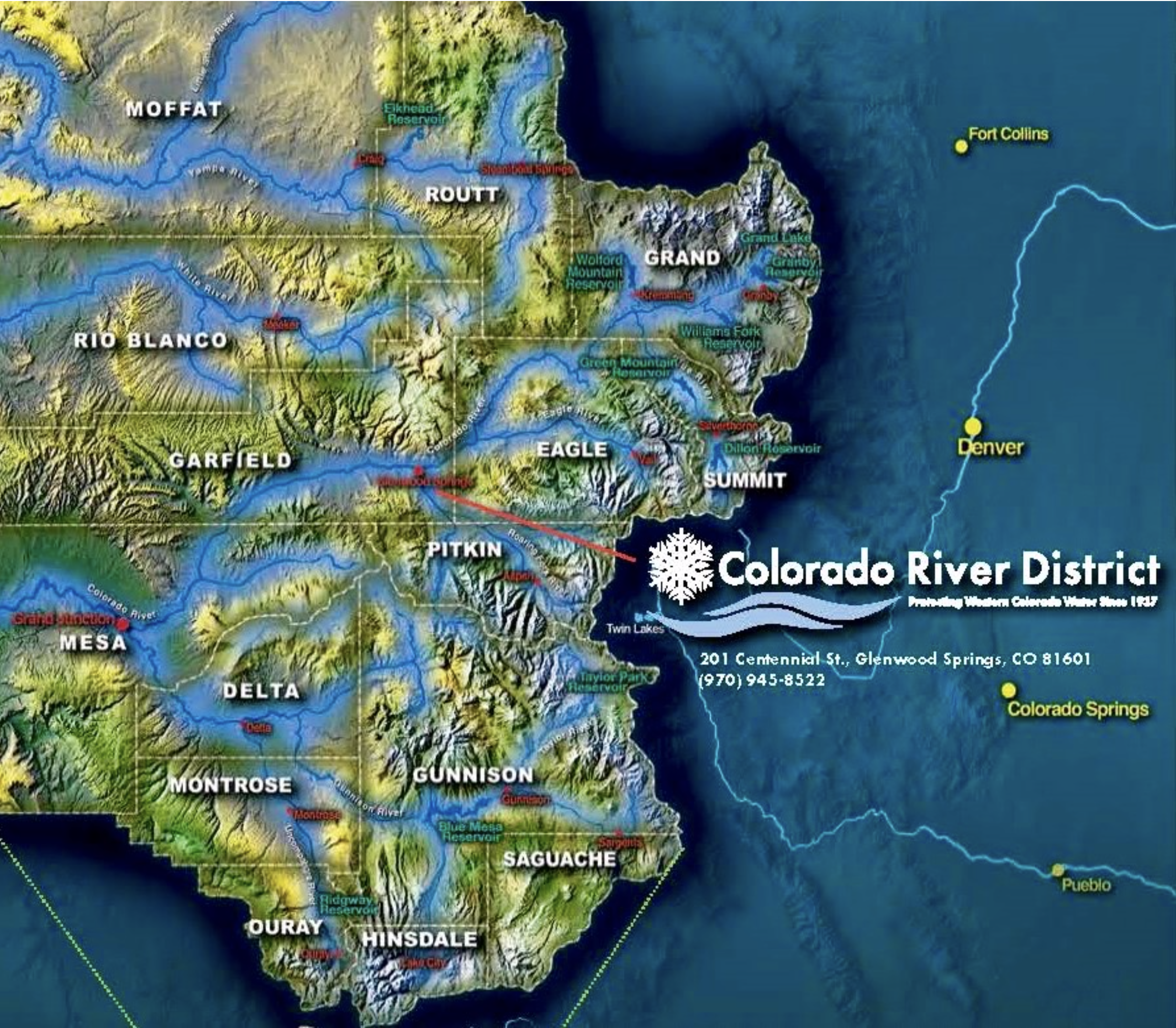
At its July meeting, River District staff presented a map of the river basins in its 15-county region, showing which areas were most likely to participate in a conservation program. The Uncompahgre River basin; Dolores River basin; Colorado River in the Grand Valley; White River near Rangely; and Green River, Little Snake; and the Yampa in the Maybell/ Lily Park area were the most likely regions to see participation in a new state conservation program. 

“What it shows is the potential for the disparate impacts,” River District General Manager Andy Mueller said at the July board meeting. “And because it’s so easy to pay someone in the Grand Valley for a full [growing] season, that’s going to be the inclination. That’s the easy thing.”

In July, officials from the CWCB and Division of Water Resources unveiled what they are calling a “near-term contribution program,” designed to pay water users in the Upper Colorado River Basin (Colorado, New Mexico, Utah and Wyoming) to voluntarily cut back for the next two years. The state of Colorado will run its own program, alongside similar programs in Utah and Wyoming, using $100 million in promised funding from the U.S. Bureau of Reclamation.

“We have this federal funding available to us and to bring those funds into Colorado, we need to hit the ground running and start the application window,” Amy Ostdiek, interstate section chief at the CWCB, said in an interview with Aspen Journalism. “So we are looking at doing this with the tools we have available under the law as it exists today. And that’s just kind of the reality of the timing of it.”

Shepherding vs. existing authorities

One of the complications of setting up a contribution program are the legal tools used to move water saved upstream to either Lake Powell or Blue Mesa Reservoir, where the state can then get credit from Reclamation for the stored water. One of the criticisms of past pilot conservation programs was that the water was not tracked to Lake Powell nor measured to see how much ended up there.

State lawmakers would need to pass a law to ensure that conserved water is protected as it moves through the river system so that it reaches a specified downstream reservoir without being taken by other water users along the way, a process known as “shepherding.” State officials believe they have the legal authority to shepherd water across the state line only in the case of a call from the Lower Basin states (California, Arizona and Nevada). And so far, the Lower Basin has never placed a compact call. 

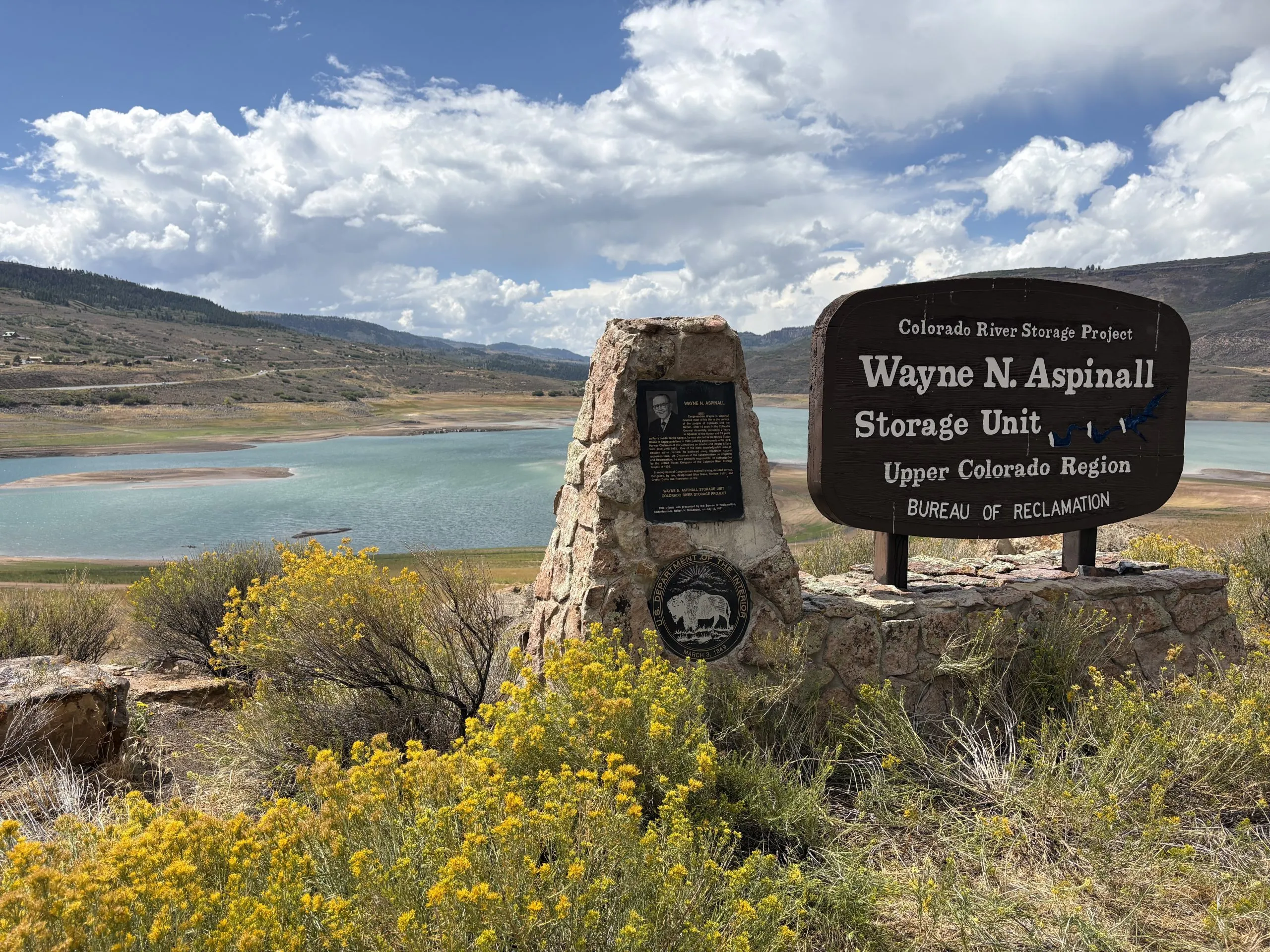
That means the most straightforward places to wring water from the state are the Grand Valley, the Uncompahgre Valley and the Upper Gunnison Valley. The irrigation districts of the Grand and Uncompahgre valleys are close to the state line and the Upper Gunnison Valley is just above Blue Mesa, so the majority of water conserved in these locations will get to where it needs to go without the state Division of Water Resources having to actively shepherd it. 

The River District has long warned that these types of programs, if not done carefully, could cause negative economic impacts by removing water from the Western Slope’s rural agricultural communities.

“Without shepherding, you end up with the potential that there are certain areas that are targeted and can produce water in this program and other areas that cannot,” Mueller said. “Therefore, you end up with these disproportionate impacts that we’ve been concerned about.”

Sonia Chavez is the general manager of the Upper Gunnison River Water Conservancy District, one of the areas that could be singled out. The 59,000 irrigated acres of agricultural land in the district produces mostly hay and is above the state’s largest reservoir, Blue Mesa, where state officials plan to store water conserved under the program.

“That has not been lost on us that we are the only community sitting above a federal reservoir in the state of Colorado,” Chavez said. 

State officials say they intend to use their “existing authorities” for this new program, without the change in state law needed to allow shepherding. But the precise definition of existing authorities is still unclear. Officials said it could include loans of conserved water to the state’s instream flow program or releasing water from Blue Mesa Reservoir at times of year when downstream users won’t pick it up, so the water is nearly guaranteed to get to the state line. 

The River District’s letter asks the CWCB for more clarity on the definition of existing authorities and how they would be used as part of a contribution program.

From left, Interstate Section Chief at the CWCB Amy Ostdiek, Colorado representative to the Upper Colorado River Commission Becky Mitchell and State Engineer Jason Ullmann, speak on a panel at Colorado Water Congress on August 20, 2026 in Steamboat Springs. State officials are rolling out a water conservation program that would pay water users to temporarily cut back. CREDIT: HEATHER SACKETT/ASPEN JOURNALISM

Lawmaker involvement

The creation of a conservation program for Colorado comes at a critical time for the basin, which remains locked in the grip of a historic drought, combined with a management crisis. With the seven states that share the river still unable to find agreement on a new framework after more than two years of failed negotiations, the federal government has stepped in with its own two-year operating plan. That plan, which was released last week and includes cuts to water use in the Lower Basin, immediately triggered a lawsuit from the state of Nevada. 

While the Lower Basin states are subject to mandatory cuts under the federal plan, the Upper Basin is not. But the four Upper Basin states have offered to voluntarily contribute 100,000 acre-feet of water over the next two years, when conditions allow, which would be set forth in a parallel agreement with Reclamation separate from the federal management plan. Colorado’s conservation program is an effort to make good on that promise.

“We’re in the post-2026 world, and I think that acting now and doing what we can with the authorities that we have shows Colorado’s commitment and demonstrates that we are at the table in a meaningful way,” Ostdiek said. “We think it’s important, for various reasons, to move forward with this now.”

In its letter, the River District also asks for the state to limit the criteria it uses to approve participation to a one-year, temporary program so lawmakers can use the 2027 session to use a stakeholder process to come up with a framework for a future program beginning in 2028. 

“The Colorado River District has long advocated that any government action that facilitates a Colorado River conserved consumptive use program inside the State of Colorado – or directs the Colorado State Engineer to shepherd conserved water to the state line, whether done under existing authorities or otherwise – must only be done through legislation enacted by the Colorado General Assembly,” the River District’s letter reads

At a June hearing of the state’s Water Resources and Agriculture Review Committee, lawmakers told state officials that the legislature should be involved in the creation of a conservation program.   

But putting the conservation issue – which remains controversial – before stakeholders and lawmakers hasn’t yielded results in the past. In 2023, a 17-member, state-wide drought task force, was supposed to make recommendations to lawmakers about what a conservation program should look like. The group could not agree and did not advance any recommendations on that topic, with some members saying a state conservation program was premature.

And at an August 2025 meeting of the Water Resources and Agricultural Review Committee, some Delta County ranchers asked lawmakers to consider a bill to allow shepherding during the 2026 session. They did not.

State officials held a workshop to get feedback about a water conservation program at Colorado Water Congress Aug. 19 in Steamboat Springs. Water users have for years expressed concerns about equity and protecting water rights in programs like this. CREDIT: HEATHER SACKETT/ASPEN JOURNALISM

CWCB taking feedback  

CWCB officials are currently taking comments and feedback on the contribution program. They held a well-attended workshop for water users on August 19, 2026 at Colorado Water Congress in Steamboat Springs. Attendees had many of the same lingering concerns that have been voiced for years, including how to protect water rights and how to encourage participation across the state. 

State officials plan to offer different amounts of compensation to participating water users to account for the difference in the value of relatively cheap water on the Western Slope versus more expensive water on the Front Range. So far, in previous pilot conservation programs, every participant has been a Western Slope water user. 

Western Slope agricultural water users have long said that if they don’t see comparable cuts being taken by Front Range municipalities, which collectively draw about 500,000 acre-feet from the headwaters of the Colorado River each year, that they won’t want to participate. They don’t want Front Range urban growth to be fueled by water cuts west of the Continental Divide.

At the workshop, Northern Water’s Director of Engineering Kyle Whitaker tried to put that fear to rest, saying the water provider, which supplies water to farms and communities on the Front Range like Fort Collins, Boulder and Longmont through its Colorado-Big Thompson project, would participate in future conservation programs.

“As transmountain diverters to the east, I only speak for Northern Water, and we will participate from here going forward,” Whitaker said. “We’ve been working on things to be a part of this for a number of years now, and those are finally in place.” 

The CWCB is set to consider the criteria for program participation at its September meeting.

Map of the Colorado River drainage basin, created using USGS data. By Shannon1 Creative Commons Attribution-Share Alike 4.0

SNWA filing against #ColoradoRiver Record of Decision in District court this morning [August 24, 2026] #COriver #aridification — Ed Millard