Click the link to read the article on the Denver Water website (Jay Adams):
September 17, 2026
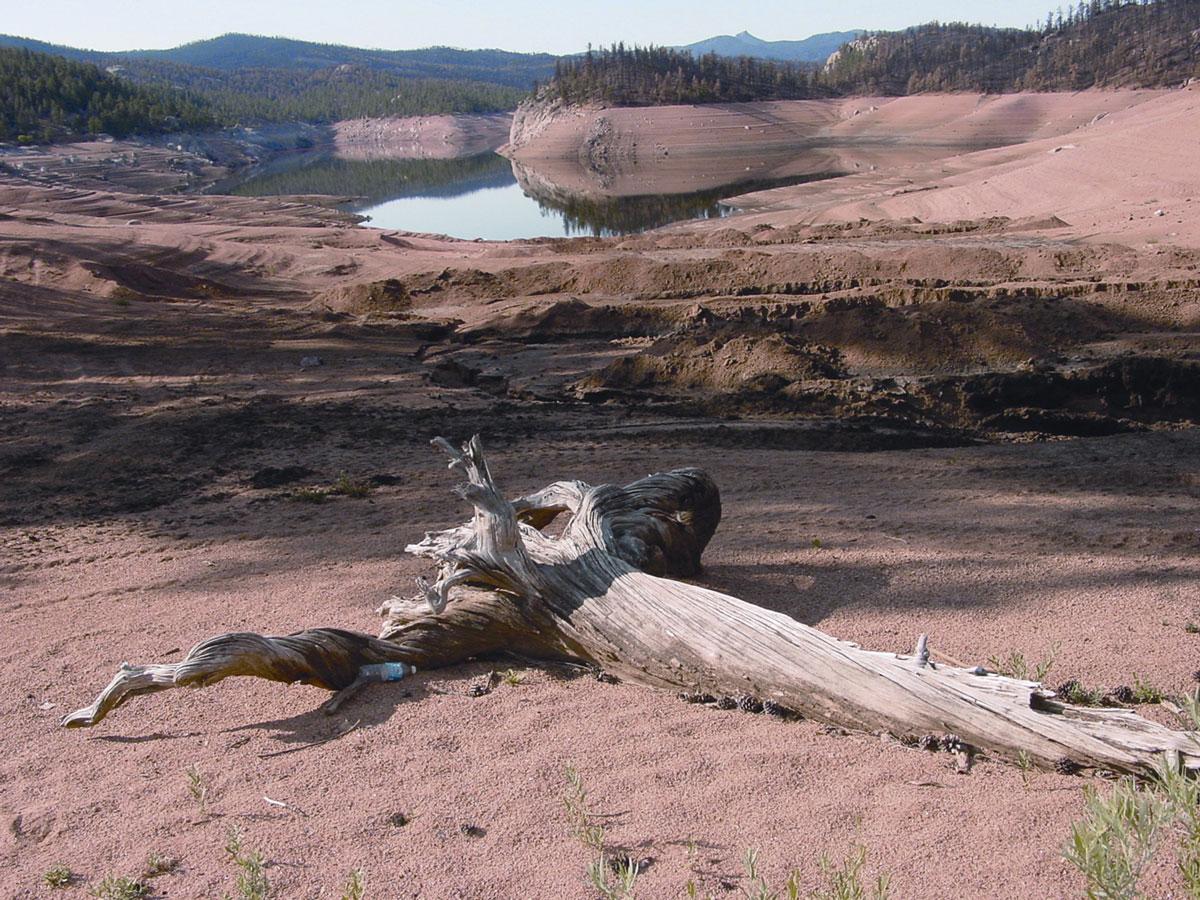
The effects of this year’s historic drought are easy to see when standing on the barren, sandy shoreline exposed by low water levels at Denver Water’s Cheesman Reservoir.
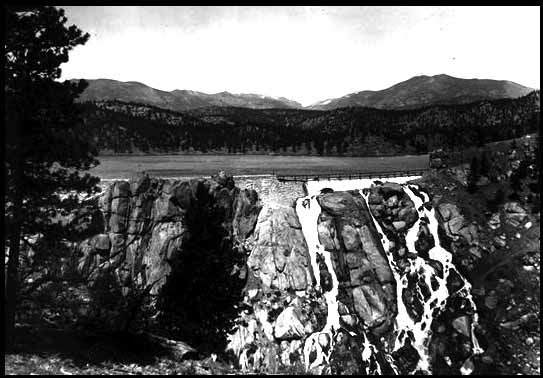
The reservoir was completed in 1905 and is Denver Water’s oldest mountain reservoir. It straddles Douglas and Jefferson counties along the South Platte River in the foothills southwest of Denver.
Cheesman’s history dates back to Denver’s early days, when city leaders knew that a stable, reliable water supply was critical to the future of the growing city.
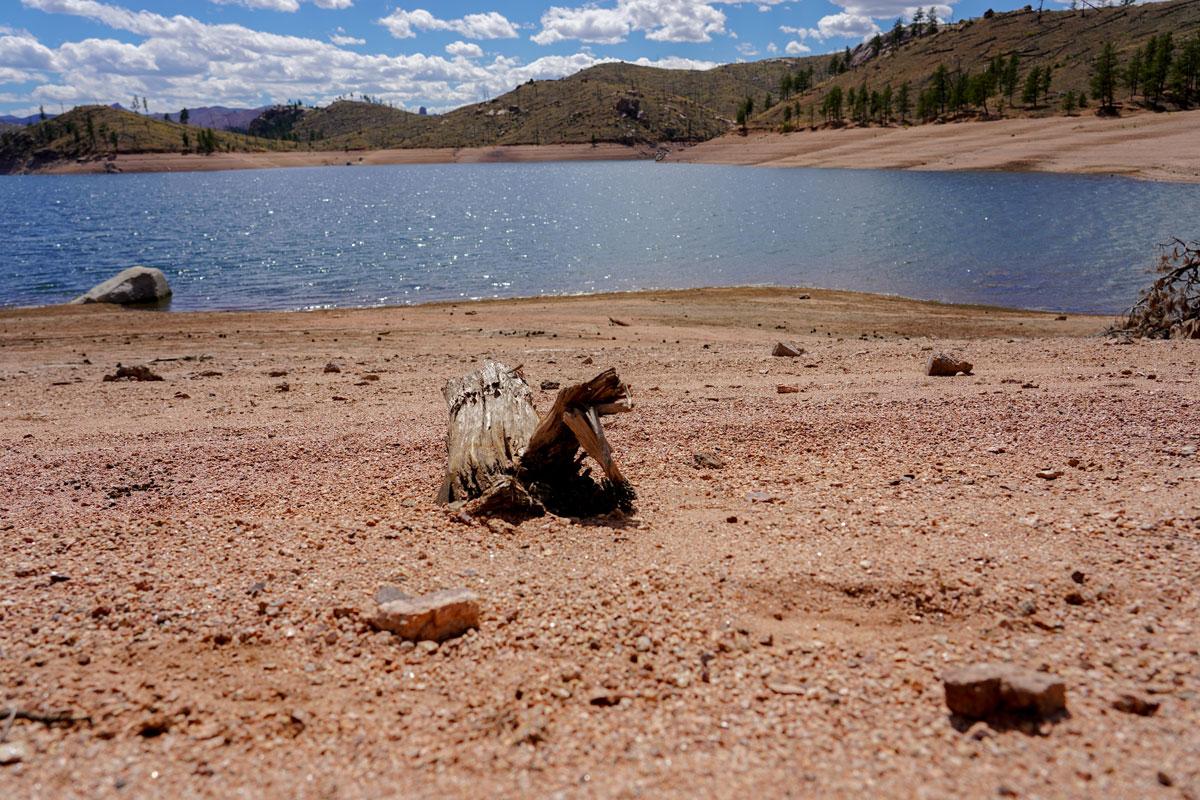
Today, Cheesman Reservoir is a critical part of Denver Water’s system that collects, stores, cleans and delivers water to 1.5 million people across the Denver metro area.
As of mid-September, the reservoir was at 65% of capacity, when normal for this time of year is 88% full. The water is down due to last winter’s record-low snowpack and the need to meet customer demands for water during the ongoing hot and dry conditions this summer.
Watch a video showing reservoir conditions in September 2026:
Water levels in Cheesman will continue dropping this fall and through the winter. The reservoir is forecast to be at about 60% of capacity or lower by April 1, 2027, before the start of next year’s spring runoff.
During the drought of 2002-2003, Cheesman dwindled to merely 29% full, less than one-third of its capacity.
While the water is low at Cheesman, it shows the vision of Denver’s pioneers in the late 1800s who had the foresight to prepare the infrastructure needed to get through times of drought that continue more than a century later.
Cheesman Dam carries the name of Walter S. Cheesman, an early Denver businessman, railroad developer and real estate magnate. He was president of the Denver Union Water Company, which built the dam and was a precursor to Denver Water.
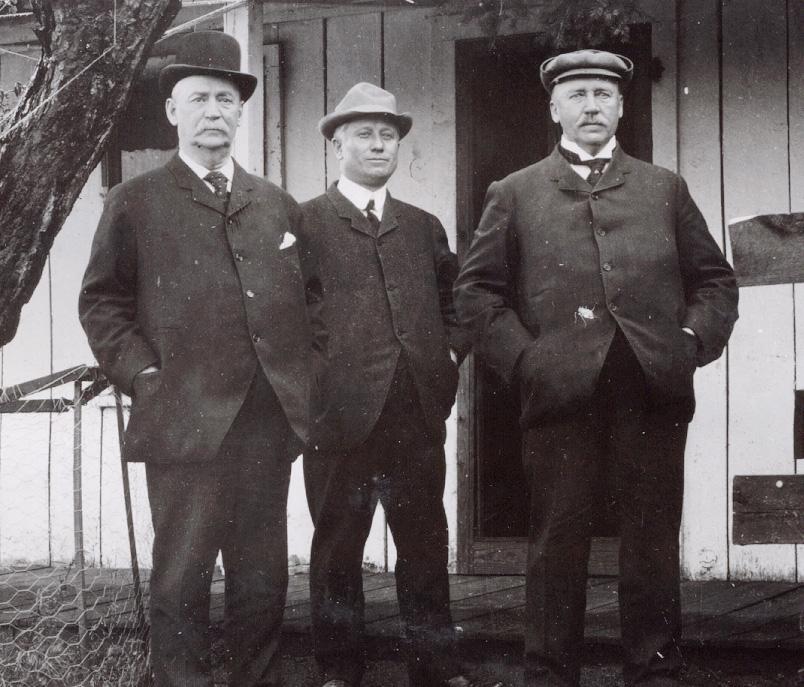
Cheesman and other water and city leaders knew that Denver lacked the annual precipitation needed to support the young, bustling community. In order to grow, the city would need a reliable source of water. That’s because the South Platte, Denver’s primary water supply at the time, would nearly dry up in the months after the spring runoff.
In the 1890s, scouting parties began looking for locations to build a dam and reservoir on the South Platte River west of the city.
On what’s described as a surveying and fishing trip in 1893, a group that included C.P. Allen, chief engineer of two early water companies, identified a deep, narrow canyon on the South Platte River, about 48 miles southwest of Denver, the perfect location for what would become the site of Cheesman Dam.
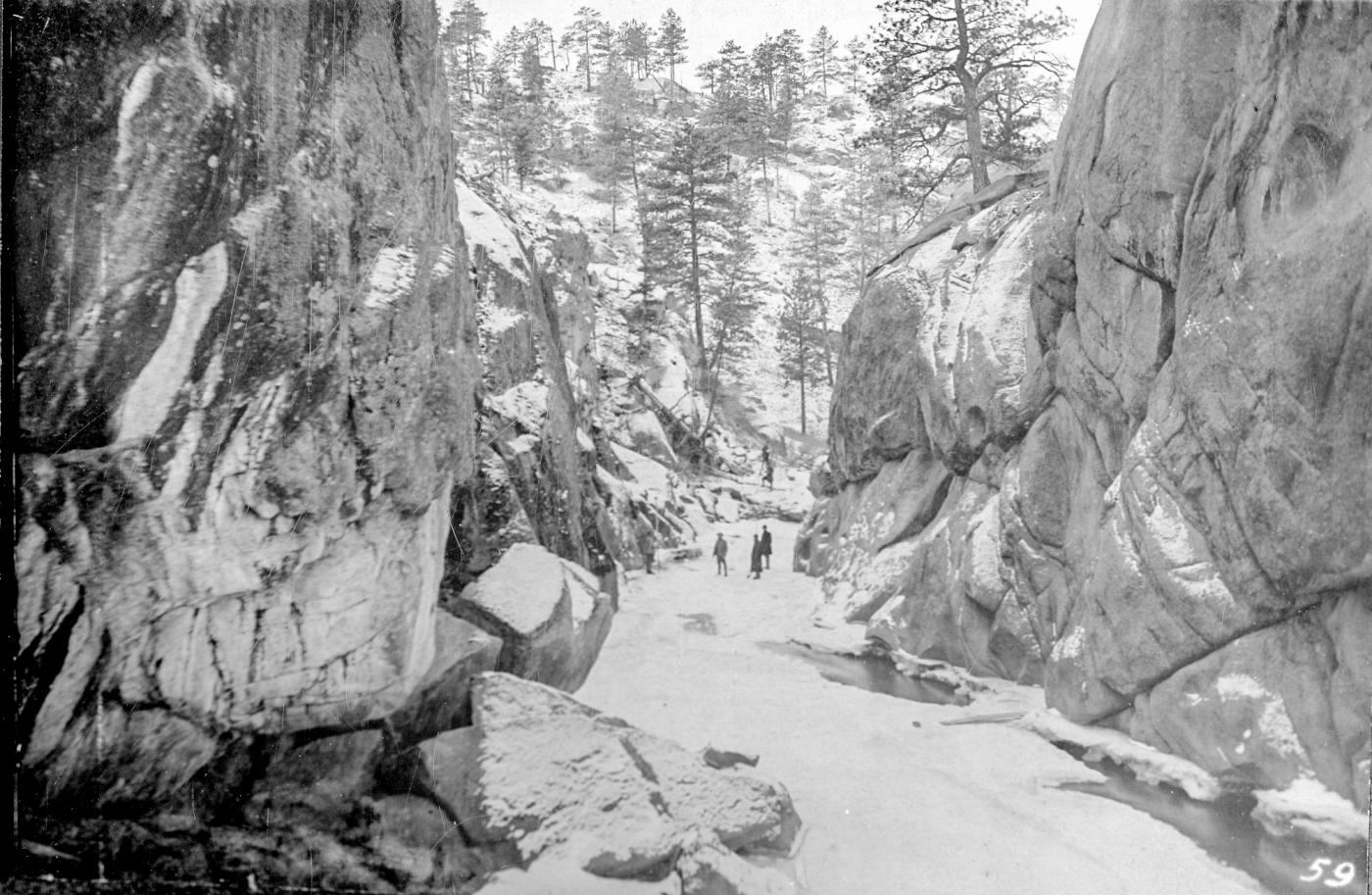
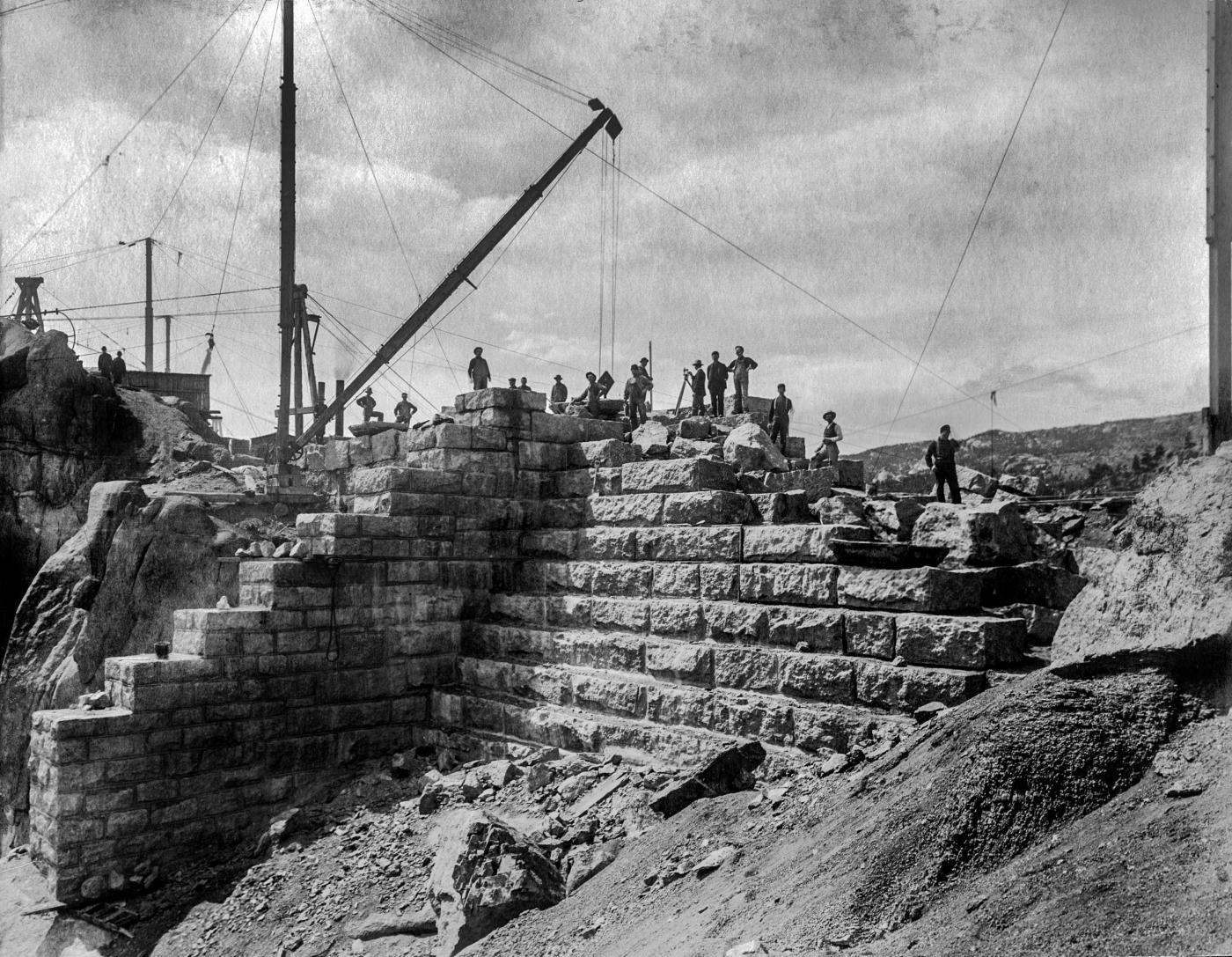
Cheesman Reservoir, then and now, captures melting snow from the spring runoff. The water it stores is used to stretch the annual spring rush of water down mountain streams and rivers and make it last year-round.
Learn about the history of Cheesman Reservoir in this video:
The reservoir’s water levels fluctuate every year depending on snowpack, weather conditions and customer demand. When full, Cheesman can hold 79,064 acre-feet of water. In wet years, excess water flows over the dam’s spillway in spectacular fashion.
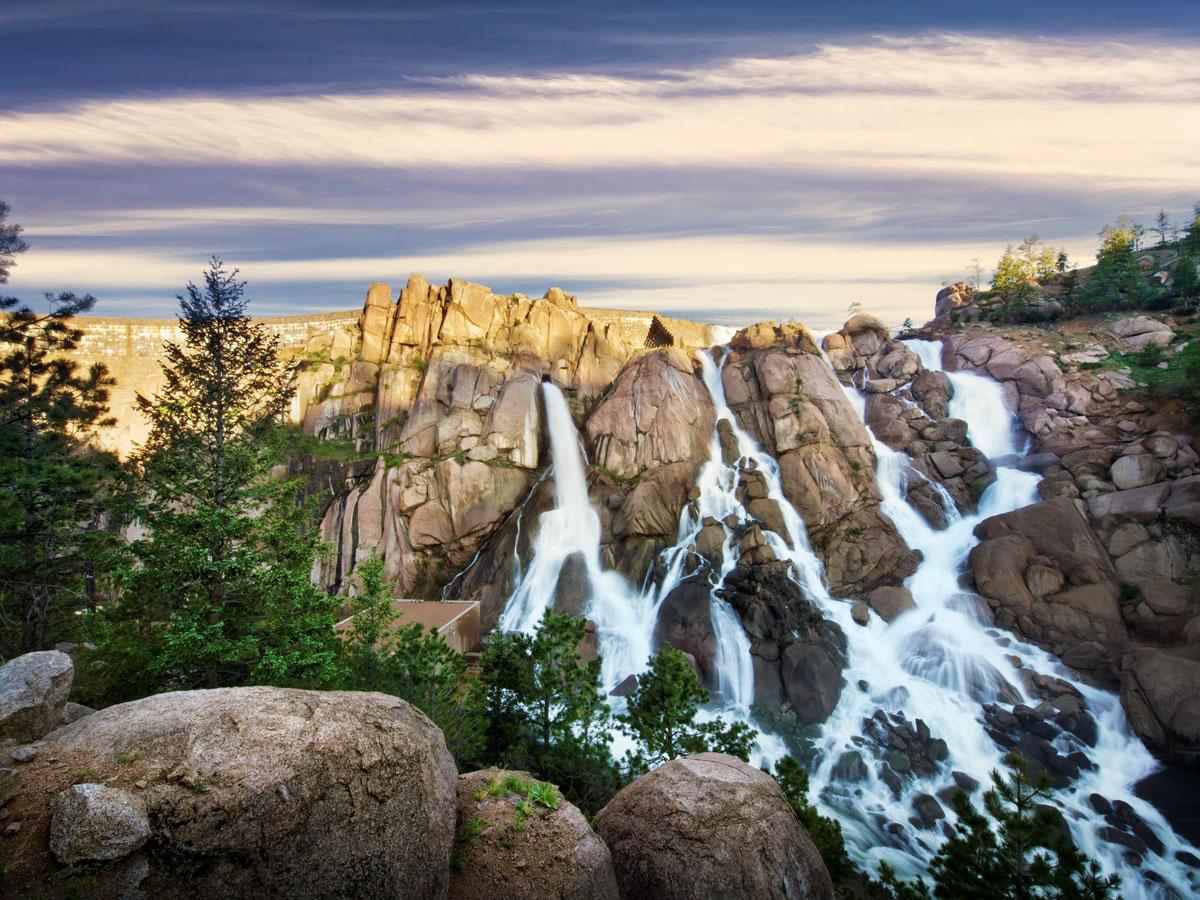
Part of Cheesman’s value stems from the age of its water rights.
The oldest water rights on the South Platte River date to 1860. (And this year, even those oldest water rights were only partially satisfied at times during this hot, dry summer.)
Water rights associated with Cheesman Reservoir date to June 27, 1889, which means Denver Water has relatively senior rights to capture and store water from the river — even in times of drought when river flows are low.
The reservoir is also in a favorable location for water storage.
“Cheesman Reservoir was built in a deep, narrow canyon, which means it has a relatively small surface area, which limits evaporation,” said Nathan Elder, water supply manager at Denver Water. “Reducing water loss is important all the time, but critical during droughts.”
The reservoir’s attributes came into play this summer when Denver Water moved water from the shallow Antero Reservoir upstream on the South Platte into Cheesman to reduce evaporation.
“Denver Water is fortunate to have had the visionaries of the past who prepared us for the water challenges we face today,” Elder said. “The reservoir they built serves as the workhorse of Denver Water’s South Platte collection system.”
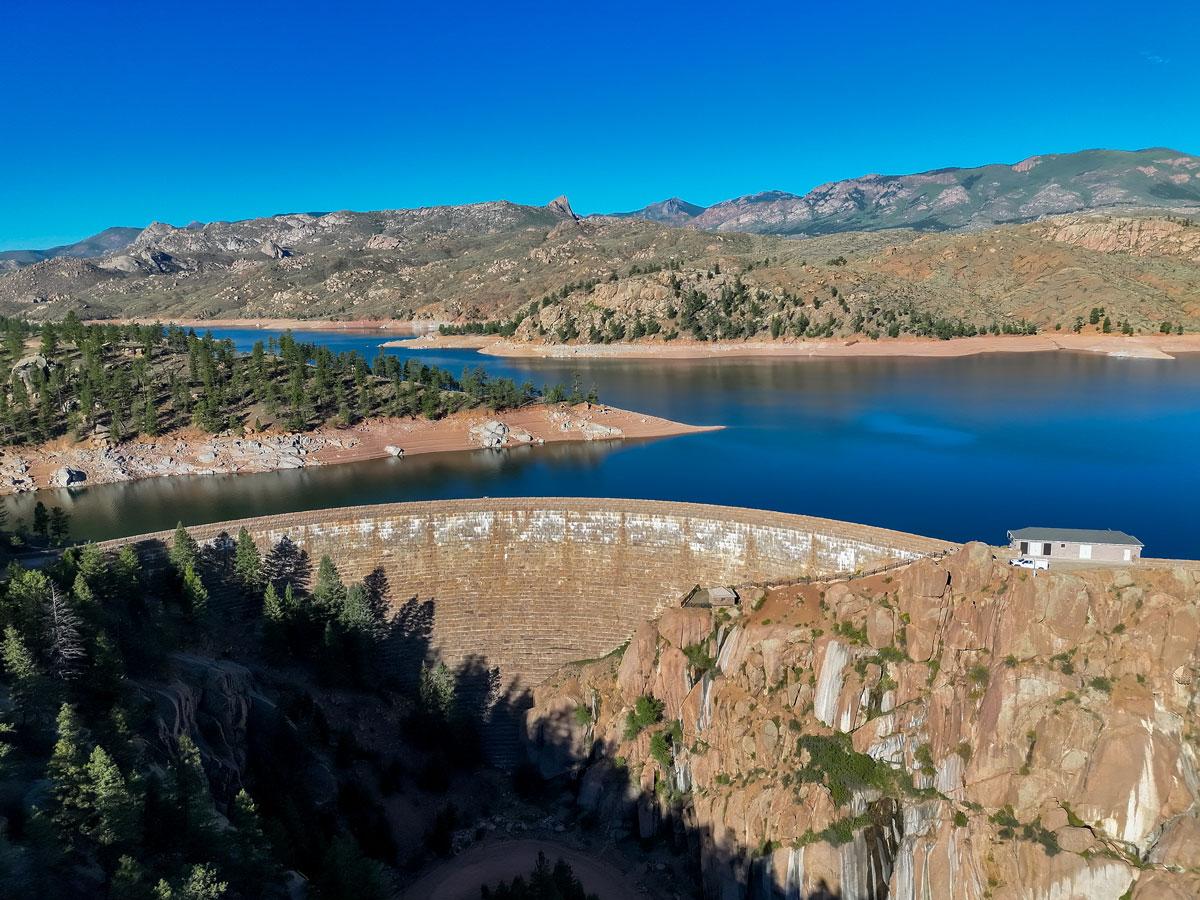
As for when Cheesman will fill again, Elder says that’s hard to predict, although the reservoir will likely need more than one winter with above-normal snowpack to fully recover.
“We’re not sure what the coming winter will deliver in terms of snowpack. That’s why it’s important for our customers to do their part and look at ways to conserve water at home.”
Elder reminds customers that Denver Water has banned lawn watering and spray irrigation as of Oct. 1. The move is expected to save an estimated 5,000 acre-feet of water this fall, which will help stretch our water supplies in Cheesman and other Denver Water reservoirs.
Customers can find more water-saving tips at denverwater.org/Conserve.