Across party lines, Western governors see a partner in Pruitt — @COindependent

Colorado abandoned mines

From The High Country News (Elizabeth Shogren) via The Colorado Independent:

Just a few days in office, the new administrator of the Environmental Protection Agency hosted an early Sunday morning breakfast for 11 Western governors. Scott Pruitt told them face-to-face what he’s said repeatedly since he was nominated: Under his leadership, the EPA will defer to states much more than it has in the recent past.

Pruitt made a similar vow to profoundly transform the agency the day before at the Conservative Political Action Conference (CPAC). “We’re going to once again pay attention to the states across this country,” Pruitt told a gathering of Republicans. “The future ain’t what it used to be at the EPA.”

This message resonated with the Western governors, regardless of their political affiliations, according to several members of the governors’ staffs. Alaska Gov. Bill Walker, a Republican-turned-Independent whose state is 66 percent federal land, was “encouraged by (Pruitt’s) emphasis on state’s rights,” Grace Jang, Walker’s communications director, says.

The Western governors’ unanimity is striking in an era of intense partisanship and reflects the commitment they have to work together through the Western Governors’ Association. The breakfast was an annual event of that group, a rare hub of bipartisanship and consensus building in a polarized nation. The governors are in the midst of a major effort to transform the relationship between the federal and state governments to give them more input into federal regulations.

“The Republican governors were on the same page with their Democratic colleagues in telling Pruitt, we want it to be a partnership,” says John Swartout, senior policy advisor to Colorado Governor John Hickenlooper, a Democrat. “We haven’t been happy that the EPA hasn’t always treated us as a full partner. We can make progress together.”

As they ate scrambled eggs, bacon, fried potatoes and donuts at a square table in EPA’s Washington, DC, headquarters, the governors one-by-one told Pruitt their priorities. Over the course of two hours, many mentioned their desire to have more sway over federal environmental regulations.

Western governors have collaborated for about 100 years. Their desire to present a unified voice to Washington is driven in part because of the vast amount of federal land in the West, which means decisions made in Washington have acute impacts on their states’ economies. “It’s largely a function of being so distant from Washington and needing to amplify their distant voices,” said Jim Ogsbury, executive director of the group.

In the Western Governors’ Association, the governors focus on shared objectives and pass joint resolutions. In December, for instance, they passed a resolution calling for a greater role in crafting federal regulations and in other decisions by the federal government. Other resolutions present their consensus positions on a wide range of issues, including endangered species, wildfire fire management, invasive species and abandoned mine cleanups.

Western governors from both parties felt the Obama administration’s EPA failed to adequately consult the states as it crafted some important environmental regulations, such as the 2015 Clean Water Rule. (That rule was temporarily blocked in 2015, pending resolution of a court challenge brought by industry groups and 31 states.) “Had the EPA worked with us on the rule upfront it could have been a better rule,” Swartout says. EPA did address some comments the governors made about how the proposed rule impinged on state authority over water management, but not all of them.

Just this week, President Donald Trump signed an executive order to launch a rollback of that rule and, until it’s rewritten, limit federal oversight to waterways that are navigable, leaving the rest to the states. Pruitt announced that he would rescind the Obama rule and write a new one that “restores the states’ important role in the regulation of water.”

“We believe (Pruitt’s EPA) will partner with states in a way that’s meaningful; in a way that quite frankly the previous administration did not,” says Nephi Cole, Wyoming Gov. Matt Mead’s policy advisor policy.

Many scholars caution that undoing that rule will be particularly detrimental in the arid West, where so many small streams and those that run only intermittently are crucially important for wildlife and water quality and quantity. States tend to be more responsive to local industries, because of the benefits they bring to the economy like jobs and tax revenue.

But Cole argues that it’s a “false narrative” to suggest that giving states more control equates to allowing more pollution and less environmental protection. In another resolution adopted in December, Western governors assert that they want to be the ones to decide how to balance the needs of industry in their states and the requirements of the Clean Water Act.

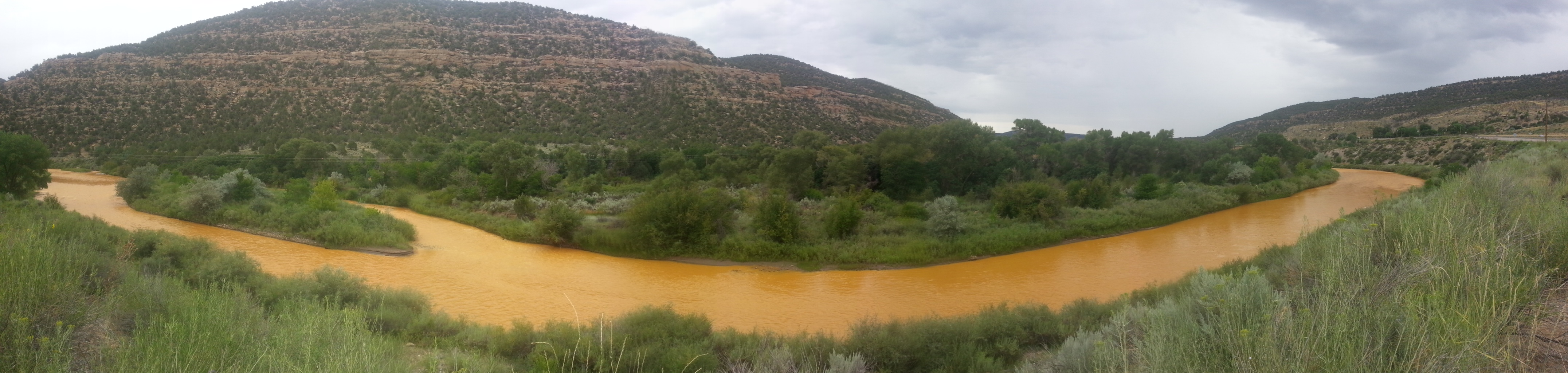
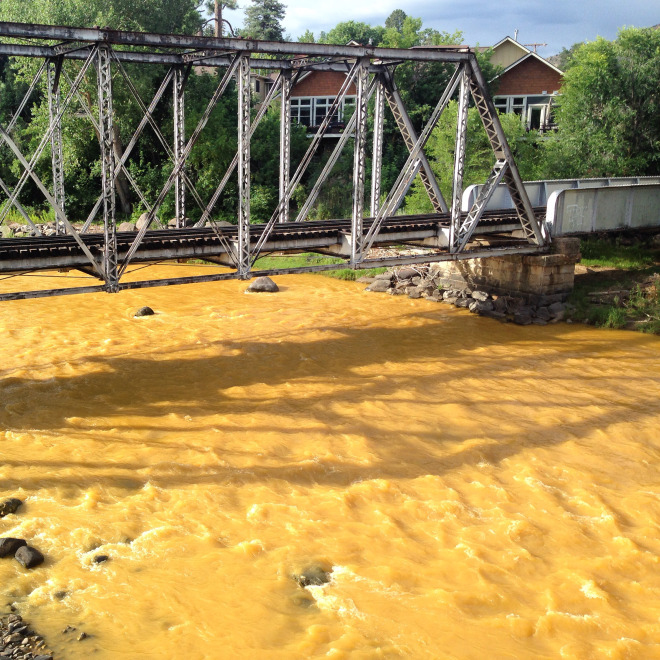
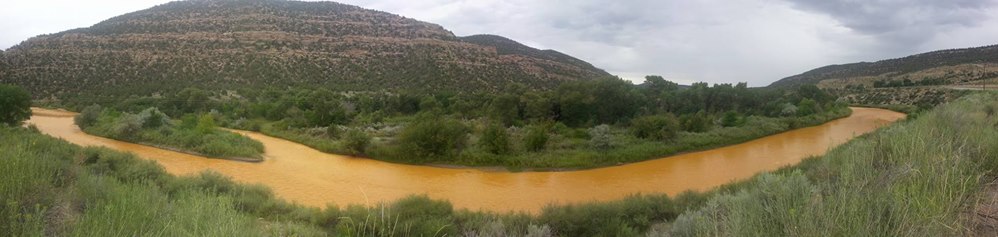
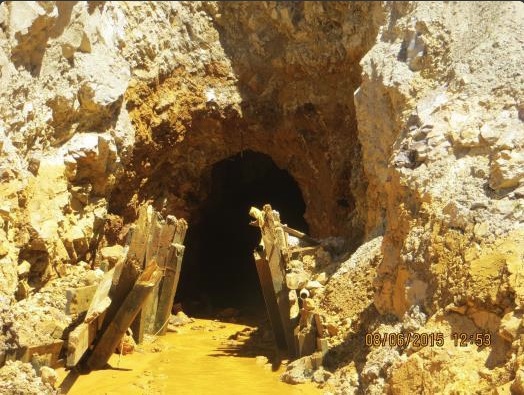
During the two-hour breakfast, Pruitt spent most of the time listening to governors. (Most years, the secretaries of Interior, Agriculture, Energy and other cabinet members important to Western states attend the breakfast, but as of Sunday, Pruitt was the only one of those who had been confirmed by the Senate.) Colorado Gov. John Hickenlooper urged Pruitt to personally engage in the Gold King Mine controversy. A 2015 blowout at the mine unleashed a surge of acid mine drainage down the Animas River. Pruitt committed to visiting Colorado and meeting with local and state officials, Swartout says.
A big priority for some governors is that the EPA continues to negotiate settlements with companies responsible for creating toxic waste sites covered under Superfund.

Oregon Gov. Kate Brown, a Democrat, urged Pruitt to move forward with the plan to clean up the Portland Harbor, a Superfund site, so the city can revitalize the waterfront and create jobs. She also stressed her state’s continued commitment to fighting climate change, according to her press secretary, Bryan Hockaday.

Montana Gov. Steve Bullock, who heads the Western Governors’ Association, wants Pruitt to keep the pressure on to finally reach a settlement on the Superfund sites in and around Butte, Montana, where historic copper mining and smelting left behind the nation’s largest toxic waste site, according to his press secretary, Marissa Perry. After many years, negotiations between the EPA and Atlantic Richfield Corporation, owned by BP, have picked up steam. Bullock wants to make sure the momentum isn’t lost.

While the Western governors break out of the hyper-partisanship that’s plagued other branches of government and see some opportunity to work with Pruitt, potential major budget cuts to the EPA may give Pruitt a lot less leeway to respond to state needs.

This week, the White House sent agencies an outline of the president’s draft budget that reportedly would gut the EPA’s $8 billion budget, cutting by 30 percent the grants it sends to the states to implement air, water and toxic waste regulations. Pruitt told E&E News that he’s asking the White House to retain more funding for the states to improve air quality, clean up Superfund sites and improve aging water and wastewater infrastructure. Programs slated for zero funding include grants to clean up abandoned industrial sites and funding to bring safe drinking water and sewer systems to Native villages in Alaska, according to the Washington Post. More details on the budget are expected later this month. It’s not clear if the White House can win approval for its vision of a much smaller EPA.

The proof of whether the governors and Pruitt will be able to work together will emerge in coming months, as the Trump administration pursues its agenda and rolls back existing rules. “We’re trying to work with him. We need to work with the federal government,” Swartout says. “It’s too early to know. We have to see how it all plays out. It’s just speculation at this point.”

Correspondent Elizabeth Shogren writes HCN’s DC Dispatches from Washington. This story originally appeared in High Country News on March 3, 2017.
Why Trump’s water order heartens ranchers and worries conservationists — @COIndependent

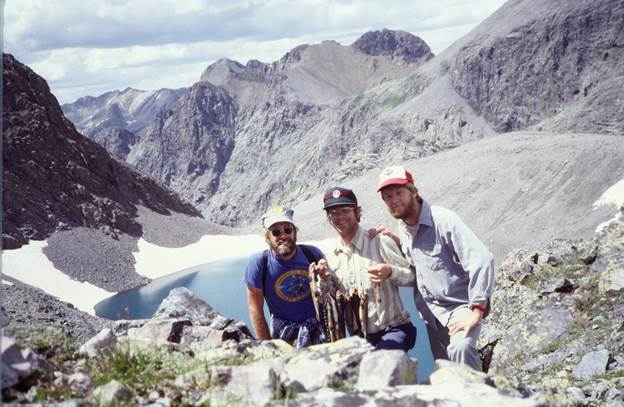
Will Hobbs, Greg Hobbs, Dan Hobbs, and a string of fish for dinner, Mary Alice Lake, Weminuche Wilderness, 1986 via Greg Hobbs

From The Colorado Independent (Kelsey Ray):

President Donald Trump has directed the Environmental Protection Agency to roll back a clean water regulation that Colorado ranchers have criticized as overly burdensome but environmentalists and outdoor enthusiasts say is essential to protecting the health of the state’s rivers and streams.

Trump’s executive order Tuesday concerns what is known as the Waters of the United States rule, a regulation passed in May 2015 under President Barack Obama that clarified the scope of waters protected under the 1972 Clean Water Act. Calling Obama’s expanded regulations “a disaster” and “one of the worst examples of federal regulation,” Trump said his order was “paving the way for the elimination” of the rule, which had yet to be implemented.

Obama’s rule set about clarifying which U.S. waters are protected from pollution under the Clean Water Act. Until 2015, the Act protected “navigable waters, interstate waters and the territorial sea” and also, on a case-by-case basis, waters that were upstream given that protecting major waterways requires looking after what flows into them. Obama’s rule expanded protections to include most tributaries, wetlands near floodplains and even some “isolated” waters — those that don’t actually flow into protected waters, but are near them.

Trump’s order seeks to scale back this definition to be more in line with an opinion issued by the late U.S. Supreme Court Justice Antonin Scalia in a 2006 case about the Clean Water Act. In ruling that Clean Water Act protections did not extend to a particular wetland, Scalia defined protected waters as “relatively permanent, standing or continuously flowing bodies of water.” Obama’s rule, in contrast, relied more heavily on the definition presented in Justice Anthony Kennedy’s concurring opinion. The Supreme Court could not reach a majority on that case, ruling 4-1-4.

Rob Harris, a senior attorney at Western Resource Advocates, says that under Scalia’s definition, impermanent and seasonal streams and waterways, such as those that rely on snowmelt or are particularly vulnerable to drought, may not be protected. That poses a particular threat in Colorado because, Harris says, only 15 miles of Colorado rivers and streams are what might be considered traditionally navigable waters. “The other 95,000 stream miles are not,” he said.

Trump said he was signing the order on behalf of farmers, ranchers and agricultural workers, who find the rule overly burdensome. “It’s prohibiting them from being allowed to do what they’re supposed to be doing,” he said, adding that the Waters of the U.S. rule applies to “nearly every puddle or every ditch on a farmer’s land, or anyplace else that they decide.” As an example, Trump said, “If you want to build a new home, for example, you have to worry about getting hit with a huge fine if you fill in as much as a puddle — just a puddle — on your lot.”

But that’s not true. The rule, in fact, clarified that the Clean Water Act does not apply to puddles, nor to groundwater, artificial ponds and lakes, artificial dryland irrigation or to many kinds of ditches. Trump’s remarks upon signing the rule, saying that “In one case in a Wyoming, a rancher was fined $37,000 a day by the EPA for digging a small watering hole for his cattle” and that “I’ve been hearing about it for years and years” could not have been as a result of the Waters in the U.S. rule, which, again, had not yet gone into effect.

Still, farmers and ranchers said the rule was unclear about what agricultural-related waters were included. They worried, as Politico reported, that the rule would “give bureaucrats carte blanche to swoop in and penalize landowners every time a cow walks through a ditch.”

“We wanted to see the rule rescinded. We asked that it be reconsidered,” said Terry Fankhauser, the executive vice president of the Colorado Cattlemen’s Association which contributed funds to a lawsuit filed by a national cattlemen’s association and several commodities groups challenging the Obama administration’s expanded definition of which bodies of water should be protected.

Fankhauser said groups like his worked with the Environmental Protection Agency to try to find answers, but remained unclear about what enforcement might look like. He thought the best answer would be to redefine the terms and reconsider the rule itself before finalizing it.

Environmentalists worry that Trump’s order will hurt Colorado’s water quality and wildlife by narrowing which waterways receive protection from pollution. “The people of the American West want clean, healthy rivers, not a return to the days when rivers in America caught fire and were severely polluted and dead,” Gary Wockner, director of Save The Colorado, said in a statement. The way he sees it, basing water protections on Scalia’s definition could leave the Poudre River, the South Platte River and rivers across the Front Range vulnerable to pollution not just from agriculture, but from coal-fired power plants, refineries and even city wastewater treatment facilities.

Sportsmen, too, are concerned about the environmental effects of the order. David Nickum, the executive director of Colorado Trout Unlimited, said that anglers know clean water starts at the source. “If we degrade and pollute those headwaters, it is only a matter of time until the next snowmelt or rainstorm sends those impacts down into our larger rivers and water supplies.” Chris Wood, the CEO of Trout Unlimited, said that altering the rule to follow Scalia’s definition would cause 60 percent of U.S. streams and 20 million acres of wetlands would lose protection of the Clean Water Act. That would be, he said, “an unmitigated disaster for fish and wildlife, hunting and fishing, and clean water.”

But Fankhauser insists that clean water matters to cattlemen, too — “it’s not only a right, it’s an obligation to us” — and said calling Trump’s order a rollback of the Clean Water Act was a “pretty significant overstatement.” Rather, he says, it’s an opportunity to come up with a solution that protects the environment without strapping the agricultural sector with unnecessary regulations.

Trump can’t simply undo Obama-era water quality protections with his executive order. His EPA chief Scott Pruitt will have to undergo a lengthy federal rulemaking process to repeal the Waters of the U.S. rule. And, as Vox reports, federal courts have historically interpreted the rule as Kennedy did, rather than along Scalia’s narrower view. [ed. emphasis mine]

Colorado, in the meantime, has the ability to enact more stringent water regulations. Harris, who hopes either the state legislature or the Colorado Department of Public Health (CDPHE) will take on the task, wondered, “Are we going to wait until something bad happens and our waterways are impacted, or are we going to protect our waterways before the problem even starts?”

Jacque Montgomery, spokesperson for Gov. John Hickenlooper, says the administration wasn’t completely satisfied with the Waters of the U.S. rule, but that “the complete absence of a rule means ambiguity and uncertainty” regarding which waters apply. Said Montgomery, “Colorado aims to keep protecting our watersheds and streams,” and will follow through on the watershed and stream management plans called for in the state water plan. Her remarks, says CDPHE spokesman Mark Salley, speak for that organization as well.

Trout Unlimited’s Nickum predicted a lengthy battle in Colorado from groups looking to push against what they see as a threat to their clean water.

“You can expect Colorado sportsmen and women to be aggressively involved, fighting for the headwater streams and wetlands that are essential for healthy fish and wildlife habitat,” he said.

Executive order issued for review of the @EPA ‘Waters of the US’ rule

Evening clouds along the Yampa River in northwestern Colorado.

From The Denver Post (Bruce Finley):

President Donald Trump’s promised overhaul of environmental rules gained momentum Tuesday as he ordered a review and possible rollback of protections for streams and wetlands – igniting opposition from conservation groups.

The Senate meanwhile is poised to vote on rolling back two other rules passed by the Obama administration to protect public lands and air quality.

Trump’s executive order targets the EPA’s “Waters of the United States” rule, finalized in 2015, that reinterpreted the Clean Water Act to extend federal protection to small and seasonal waterways. These are critical for water supplies in water-scarce regions of the West.

EPA officials have said the rule will have the greatest impact in states such as Colorado where protection for small and seasonal water previously was uncertain. In Colorado, 68 percent of streams are seasonal.

The EPA insisted the rule wouldn’t get in the way of agriculture or require new permits and that the benefit was giving federal officials power to crack down on polluters.

But some Colorado farmers, a national coalition of industry groups, developers, and fertilizer and pesticide makers have fought the rule. They said it could lead to EPA enforcers looking over producers’ shoulders.

The rule was made to end uncertainty created by Supreme Court decisions in 2001 and 2006 that left small streams, headwaters and wetlands in limbo. Killing it could remove protection for streams and wetlands that are seasonal, or rain-dependent, and that affect downstream waters…

Natural Resources Defense Council President Rhea Suh issued a statement accusing Trump of protecting polluters instead of water and said rolling back the rule would threaten drinking water sources for 117 million Americans.

“The Clean Water Rule’s safeguards are grounded in science and law. The rule was developed over many years, after more than 1 million public comments. We all rely on healthy wetlands to curb flooding, filter pollutants, support fish, waterfowl and wildlife, and feed our rivers and lakes,” Suh said. “We will stand up to this reckless assault.”

Hunters and anglers appealed to Trump to reverse course and keep the rule. “Sportsmen will not settle for watered-down protections or negligence for the habitat that supports the fish and wildlife we love to pursue,” Theodore Roosevelt Conservation Partnership president Whit Fosburgh said on behalf of a five-group coalition.

The American Sustainable Business Council, representing 250,000 businesses, issued a statement saying that “undoing this critical environmental rule is naive” and that doing so “will actually hurt most businesses and put jobs in jeopardy.”

Later this month, the Senate is expected to vote on a House of Representatives-backed effort to kill a federal rule giving Americans more of a voice in large-scale planning for projects using public land, including 8.4 million acres in Colorado.

Senators also are to vote on a House-backed reversal of the new federal methane rule that requires oil and gas companies using public lands to control air pollution. In both strikes against Obama administration environmental regulations, lawmakers have invoked the Congressional Review Act that lets them roll back executive action taken during the past 60 legislative work days if the rule is shown to impose excessive costs, exceed agency authority or duplicate existing rules.

From the Associated Press (John Flesher) via KOAA.com:

Trump instructed the EPA and the Army Corps to “rescind or revise” the rule, which can’t be done quickly or easily. The Obama rule hasn’t taken effect because of the dozens of lawsuits pending in the 6th U.S. Circuit Court of Appeals in Cincinnati. Separately, the Supreme Court is considering whether the 6th Circuit should have jurisdiction over those cases. Legal experts say the Trump administration likely will attempt to have the suits dismissed while it crafts a new regulation.

The president’s executive order requires the agencies to follow the guidance of the late conservative Justice Antonin Scalia in producing a new definition of protected waters. In a 2006 opinion, Scalia interpreted federal jurisdiction narrowly, saying only “relatively permanent, standing or continuously flowing” waters or wetlands with a surface connection to navigable waterways were covered.

After proposing a new rule, the agencies would have to take public comments and consider them when putting together a final version. Environmental groups would be certain to challenge a rule based on the Scalia standards, saying it ignores scientific evidence.

“This is likely to take years,” said Jan Goldman-Carter, an attorney for the National Wildlife Federation.

From The Fort Collins Coloradoan (Jacy Marmaduke):

Environmental law experts say the order has little legal significance, but it still prompted strong reactions from both sides of the issue.

Issued Tuesday, the order directs the Environmental Protection Agency and the U.S. Army Corps of Engineers to rescind or revise a 2015 EPA rule that sought to expand federal jurisdiction under the Clean Water Act. The act allows the EPA to regulate “waters of the United States” but doesn’t include a precise definition of that term.

So with a rule finalized in 2015, the EPA opted for a more exact definition of “waters of the U.S.” that includes seasonal streams and wetlands adjacent to those streams, among other things. The 2015 definition would expand Clean Water Act jurisdiction by an EPA-estimated 3 percent.

It’s not yet clear how much jurisdiction would be expanded in Colorado.

Opponents of the rule fear it would actually increase Clean Water Act jurisdiction by a far greater margin than 3 percent, creating more red tape for farmers, ranchers and developers at a questionable environmental benefit. EPA administrator Scott Pruitt, who led a multistate lawsuit against the rule, once called it “the greatest blow to private property rights the modern era has seen.”

[…]

In his executive order, Trump asks the EPA and Army Corps of Engineers to model their revised water rule off a minority opinion penned by former Supreme Court Justice Antonin Scalia, who argued seasonal streams shouldn’t be protected under the Clean Water Act.

That would mean 60 percent of U.S. streams and 20 million acres of wetlands would lose Clean Water Act protection, according to Trout Unlimited. That would be “an unmitigated disaster” for fish and wildlife, hunting and fishing, and clean water, Trout Unlimited President and CEO Chris Wood said in a statement…

The American Farm Bureau Federation applauded Trump’s move to “ditch” the water rule, which the bureau has argued could extend government regulation at the expense of farmers and ranchers…

Two Colorado State University water experts weighed in on the implications of rolling back the water rule in a Monday blog post.

Withdrawing or weakening the water rule will “likely leave regulators interpreting case-by-case” whether certain waterways are covered under the Clean Water Act and leave “land and water owners guessing about what they can do with their resources,” according to the post by Colorado Water Institute Director Reagan Waskom and CSU senior research scientist and scholar professor David J. Cooper.

” … In the end, repealing the rule won’t answer the underlying question: how far upstream federal protection extends,” they wrote.

Trump’s order isn’t enough on its own to “undo” the rule, which is stalled pending litigation.

“It’s like the president calling Scott Pruitt and telling him to start the legal proceedings,” Richard L. Revesz, a professor of environmental law at New York University, told the New York Times. “It does the same thing as a phone call or a tweet. It just signals that the president wants it to happen.”

Rather than waiting for the rule to snake through the court system in hopes of eventual Supreme Court defeat, the order indicates that Pruitt will likely ask a judge to pause the court proceedings while he and the EPA work on a replacement for the water rule.

Pruitt has said he plans to replace the water rule with something else, but whatever he comes up with will have to stand up to a lengthy public comment period and likely litigation.

@EPA Waters of the US rule on the chopping block

From The Conversation (Reagan Waskom, David J. Cooper);

President Trump is expected to issue an executive order directing federal agencies to revise the Clean Water Rule, a major regulation published by the Environmental Protection Agency and the Army Corps of Engineers in 2015. The rule’s purpose is to clarify which water bodies and wetlands are federally protected under the Clean Water Act.

EPA Administrator Scott Pruitt led a multi-state lawsuit against the rule as Oklahoma attorney general, and has called it “the greatest blow to private property rights the modern era has seen.”

At the Colorado Water Institute at Colorado State University, we work in partnership with the farm and ranch community to find solutions to difficult western water problems. Farmers and ranchers often express frustration with one-size-fits-all worker protection, food safety, animal welfare, immigration, endangered species and environmental regulations. So we understand their concern that this rule may further constrain agricultural activities on their land.

In particular, they fear the Clean Water Rule could expand federal regulations that impact their private property rights. However, regulatory agencies and the regulated community need to know the limits of the Clean Water Act’s reach so they can take appropriate measures to protect water resources. If the rule is scrapped, we still will need to know which water bodies require protection under the law.

Which waters?

The Clean Water Act of 1972 protects the “waters of the United States” from unpermitted discharges that may harm water quality for humans and aquatic life. However, it leaves it up to EPA and the Army Corps of Engineers to define which waters the law covers.

Agencies and the courts agree that this term includes “navigable waters,” such as rivers and lakes. It also covers waterways connected to them, such as marshes and wetlands. The central question is how closely connected a water body must be to navigable waters to fall under federal jurisdiction.

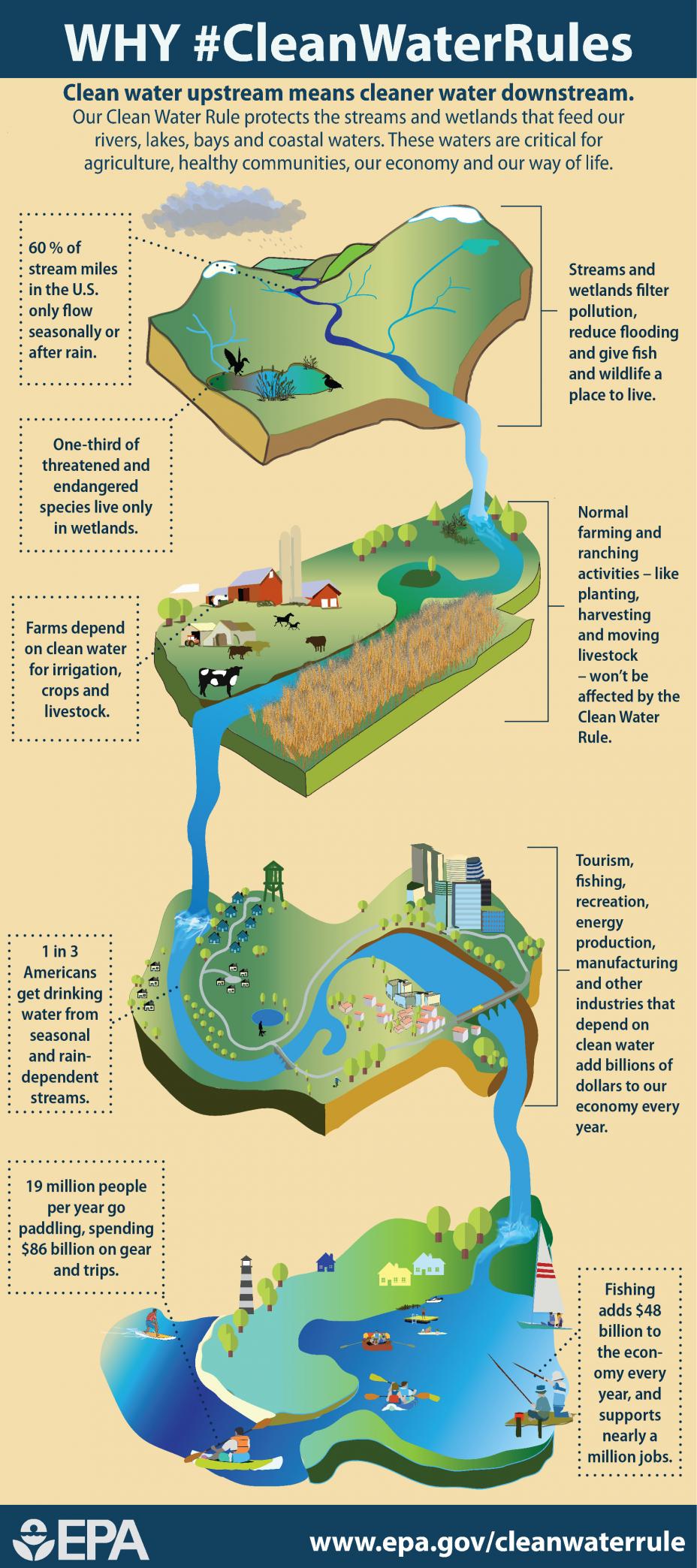
Our Clean Water Rule protects the streams and wetlands that feed our rivers, lakes, bays, and coastal waters. These waters are critical for agriculture, healthy communities, our economy, and our way of life. Graphic via @EPA.

In 2001 and 2006, the Supreme Court handed down rulings that narrowed the definition of protected waters, but used confusing language. These opinions created regulatory uncertainty for farmers, ranchers and developers.

The Supreme Court wrote in the 2006 case, Rapanos v. United States, that if a water body had a “significant nexus” to a federally protected waterway – for example, if a wetland was some distance from a navigable stream but produced a relatively permanent flow to the stream – then it was connected and fell under federal jurisdiction. But it failed to clearly define the significant nexus test for other situations.

The Clean Water Rule seeks to clarify which types of waters are 1) protected categorically, 2) protected on a case-by-case basis or 3) not covered. Here are some of the key categories:

  • Tributaries formerly were evaluated case by case. Now they are automatically covered if they have features of flowing water – a bed, a bank and a high water mark. Other types, such as open waters without beds and banks, will be evaluated case by case.
  • “Adjacent waters,” such as wetlands and ponds that are near covered waters, are protected if they lie within physical and measurable boundaries set out in the rule.
  • “Isolated waters” are not connected to navigable waters but still can be ecologically important. The rule identifies specific types that are protected, such as prairie potholes and California vernal pools.
  • Vernal pools form in winter and spring and support many types of animals and plants. Photo credit BLM.
    Vernal pools form in winter and spring and support many types of animals and plants. Photo credit BLM.

    EPA estimated that the final Clean Water Rule expanded the types of water subject to Clean Water Act jurisdiction by about 3 percent, or 1,500 acres nationwide. Opponents clearly think it could be much broader – and until they see the rule implemented on the landscape, their fears may have some basis in fact.

    Protecting drainage ditches?

    Industry and agriculture groups believe the new rule defines tributaries more broadly. They see this change as unnecessary overreach that makes it difficult to know what is regulated on their lands.

    Western farms are laced with canals that provide critical irrigation water during the growing season. These canals and ditches divert water from streams and return the excess through a downstream return loop, which is fed by gravity. Because they are open and unlined, they also serve as water sources for wildlife, ecosystems and underground aquifers. And because they are connected to other water bodies, farmers fear they could be subject to federal regulation.

    The only way to surface-irrigate in western valleys without affecting local water systems would be to lay thousands of miles of pressurized pipes, like those that carry water in cities. This approach would be impractical in many situations and incredibly expensive.

    More generally, farmers and ranchers want to be able to make decisions about managing their land and water resources without ambiguity or time-consuming and expensive red tape. In spite of EPA assurances, they worry the Clean Water Rule could include agricultural ditches, canals and drainages in the definition of “tributary.”

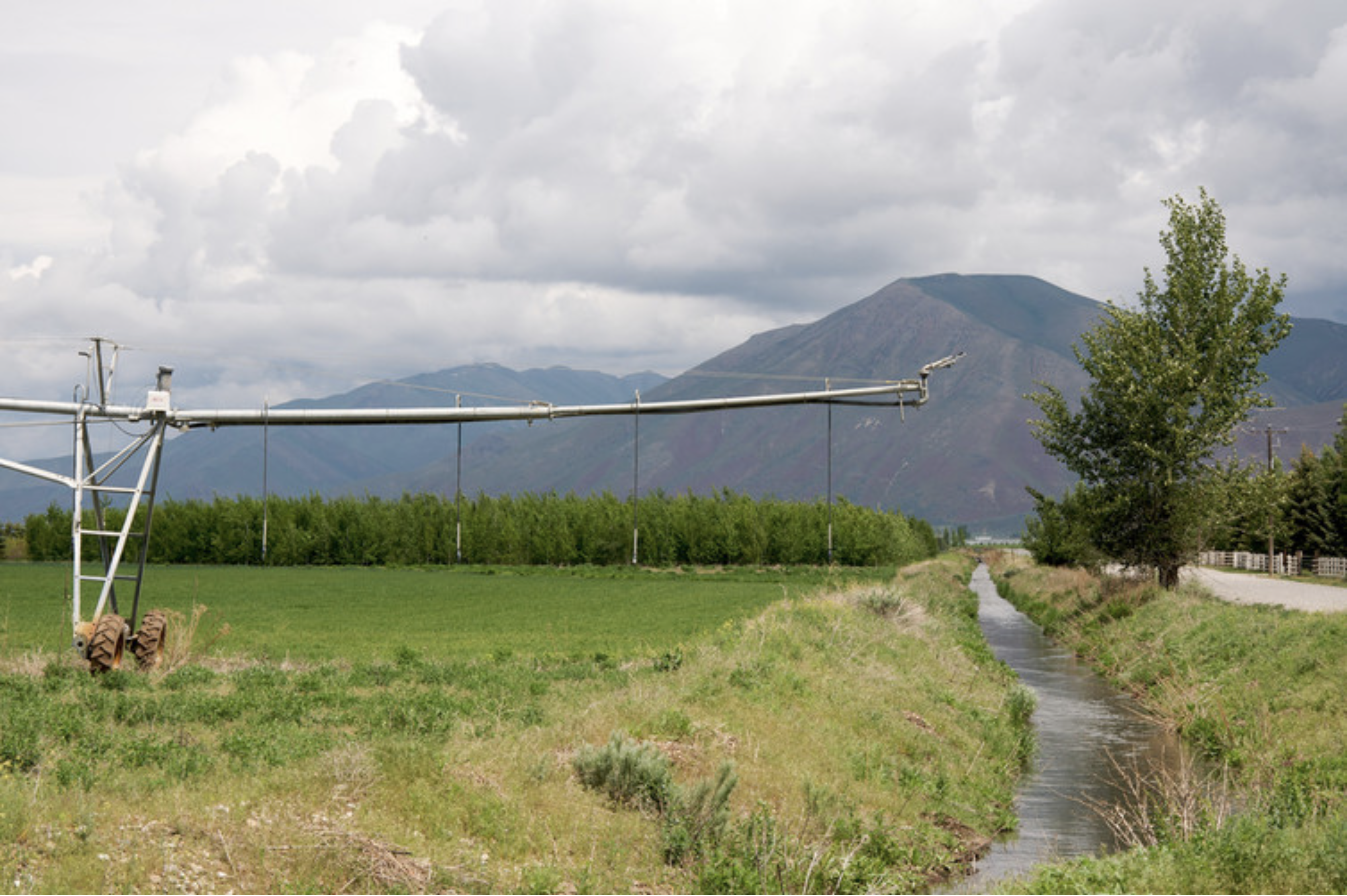
    Irrigation ditch and sprinkler, Silver Creek, Idaho.  Sam Beebe/Flickr, CC BY
    Irrigation ditch and sprinkler, Silver Creek, Idaho. Sam Beebe/Flickr, CC BY

    They fear EPA will use vague language in the rule to expand its power to regulate these features and change the way they are currently operated. They also fear becoming targets for citizen-initiated lawsuits, which are allowed under the Clean Water Act. Moreover, they are skeptical the outcomes will significantly benefit the environment.

    Former EPA Administrator Gina McCarthy argued that the rule would not unduly burden farmers. “We will protect clean water without getting in the way of farming and ranching,” McCarthy told the National Farmers Union in 2015. “Normal agriculture practices like plowing, planting, and harvesting a field have always been exempt from Clean Water Act regulation; this rule won’t change that at all.”

    All waters eventually connect

    Farmers and ranchers are independent by nature and believe they know what is best for the stewardship of their own land. They tend to be regulation-averse and believe voluntary approaches to water quality provide the flexibility needed to account for site-specific variations across the landscape. However, science shows that relatively minor effects at the edge of one field can aggregate across a watershed in cumulative impacts that are significant and sometimes serious.

    From an ecological perspective, scientists have long understood that surface water bodies and tributary groundwater within a watershed are connected over time. Even if it takes years, water will move across and through the landscape. Determining which tributaries have a “significant nexus” to traditional navigable waters depends on how you define “significant.”

    Even small wetlands and intermittent ponds provide ecosystem services that benefit the larger watershed. Wetlands and small water bodies that are geographically isolated from the floodplain may still impact navigable waters as either groundwater flows or surface runoff during heavy or prolonged precipitation events.

    In that sense, all water runs downhill to the stream eventually. As a dozen prominent wetland scientists wrote last month in an amicus brief to the Sixth U.S. Circuit Court of Appeals, which is reviewing the Clean Water Rule, “the best available science overwhelmingly demonstrates that the waters [protected] categorically in the Clean Water Rule have significant chemical, physical, and biological connections to primary waters.”

    Scientists and ecologists agree interpreting the degree and frequency of this kind of connectivity requires site-by-site analysis. We now understand more clearly how isolated water bodies function on the landscape as part of a larger complex, and our knowledge can help clarify how directly water bodies are connected. But deciding where to draw the bright line of regulatory certainty may lie beyond the realm of science.

    If the Trump administration withdraws or weakens the Clean Water Rule, it is likely to leave regulators interpreting case by case whether tributaries and adjacent waters are covered, as they have been doing since 2006, and land and water owners guessing about what they can do with their resources. So in the end, repealing the rule won’t answer the underlying question: how far upstream federal protection extends.

    Douglas Creek Conservation District annual meeting recap

    White River via Wikimedia
    White River via Wikimedia

    From The Rio Blanco Times (Jennifer Hill):

    2016 saw the finalization and implementation of the Rio Blanco Land Use Plan. The plan, which had a four-year creation process, was accomplished in partnership with the former board of county commissioners. It endeavors to influence federal decisions by providing local input regarding federal lands. Because federal law requires that federal agencies, such as the BLM, give “meaningful consideration” to plans developed by local governments and conservation districts, the district has been able to gain a bigger seat at the table during the decision making process. The plan has already been put into use in addressing sage grouse issues and has allowed a conservation district representative to attend the BLM’s weekly NEPA meetings where they can officially comment on current issues, such as the BLM’s travel management plan.

    The other major event impacting the conservation districts was the news that their mill levy had been incorrectly assessed causing an 83 percent budget reduction for 2017. The mill levy, which began collection in 1989, is only eligible to receive monies from real property. However, since its inception, it was collecting on both real and personal property. According to Hendrickson the oil and gas industry were hit the hardest. The impacted companies were given the opportunity to request abatement for the past two years’ collection. Hendrickson expressed extreme gratitude that none of the companies had, and instead expressed support for the work undertaken by the districts. The companies left substantial money in the coffers of the districts, with Enterprise being eligible for $135,000, Williams $65,000 and XTO $30,000. To help ease the budget transition the former board of county commissioners helped fund the districts for the 2017 year.

    Meeker resident Gary Moyer, who sits on the National Association of Conservation Districts, provided a short update. The NACD is currently pushing for Congress to oppose any EPA authority over water quantity and the recently released BLM Planning 2.0. According to Moyer, Planning 2.0 does not allow for enough local input, despite the claim by the BLM that local input is the very purpose of the new plan. Moyer also cited concerns that it gives environmental groups who are not locally based a much bigger seat at the decision making table. He is hopeful that the plan will be killed by the Senate.

    Senator Cory Gardner’s office sent a representative to address the group. Betsy Bair, who manages Gardner’s Grand Junction office, confirmed that Senator Gardner does not support BLM Planning 2.0 and is opposing the BLM’s vent and flare regulations, which impact the oil and gas industry.

    The second half of the evening was filled with talk of water issues, many of which have significant impact to those living on the White River.
    Marsha Daughenbaugh of the Community Agriculture Alliance informed the group of an upcoming Yampa/White River Basin water workshop. The workshop will take place on March 22 in Steamboat. Agriculture producers will be provided with the opportunity to learn about The Colorado Water Plan and how it may impact them. More information can be found at coagwater. colostate.edu.

    Jim Pokrandt of the Colorado River Conservation District discussed the importance of Colorado snow pack. “We are all snow farmers,” he said. Pokrandt talked about the increasing incidence of water being pulled from production agriculture to the front range and the need to keep water moving from the East to the West. The Colorado River Conservation District will be piloting a program this year to conserve water in the Grand Valley, paying farmers to leave fields fallow. Pokrandt expects more than $750,000 to be paid to participating farmers this year.

    The final speaker of the evening was Alden Vanden Brink from the Rio Blanco Water Conservancy. Vanden Brink updated the audience on the White River storage project, which is currently seeking to begin Phase II which includes modeling, preliminary studies and stakeholder outreach. Following Phase II the district will seek permitting, which Vanden Brink says can be a very long process.

    The Douglas Creek Conservation District meets monthly, on the first Wednesday at 6 p.m. in Rangely. In coming meetings they will be discussing the future of the district.

    #AnimasRiver: @EPA — Cement Creek, #GoldKingMine, summer project plan

    From The Durango Herald (Jonathan Romeo):

    At the Animas River Stakeholders Group meeting in Silverton on Thursday, Superfund site project manager Rebecca Thomas told the 20 or so attendees the EPA has laid out a work plan for the summer.

    Thomas said much of the work will be a continuation of last year’s activities, including collecting data and water samples, as well as looking at flow control structures at the Gold King Mine, the site of the EPA-triggered mine spill in August 2015.

    The EPA also will install a pressure gauge system to monitor the bulkhead at the Mogul Mine, adjacent to the Gold King, which are both significant contributors of heavy metals into Cement Creek, a tributary of the Animas River.

    The EPA wants to install a ground monitoring well between the inner and outermost bulkheads at the American Tunnel, the drain for the Sunnyside Mine workings. It’s suspected the American Tunnel’s water level has reached capacity and could be responsible for increased discharges out of adjacent mines, such as the Gold King.

    Thomas said crews will compile more data for the possible closure of the bulkhead at the Red & Bonita Mine, another contributor into Cement Creek. Specifically, EPA wants to better understand the water hydrology of the mine workings.

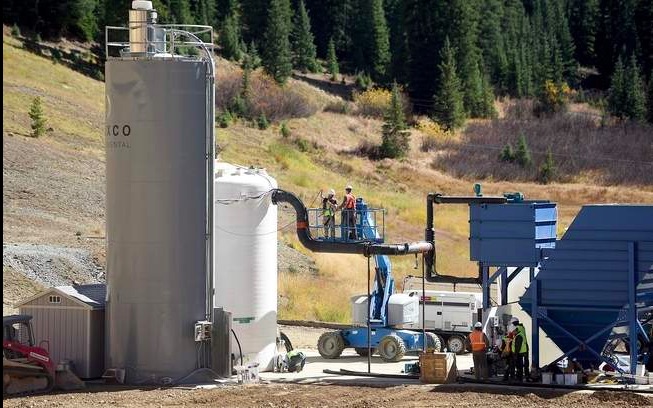
    As for the EPA’s interim water-treatment plant at Gladstone that treats discharges out of the Gold King Mine, Thomas said the agency is looking at about six sites to store the mine waste.

    “This is increasingly more important for us as we start to run out of room for sludge management (at Gladstone),” Thomas said.

    She said there may be more than one location for the mine waste, and that the agency hopes to have that finalized by May.

    Thomas added that the EPA is planning a few quick-action remediation projects at sites within the Superfund listing where there is an immediate benefit to the environment, water quality and managing adit discharges.

    She said 27 of the 48 sites qualify for early-action remediation, which could include fixing mine waste ponds, remediating waste rock dumps or redirecting clean surface water away from known polluted areas.

    “There’s no way we’re going to get all the work done, but the hope is to get some of the work done,” Thomas said.

    The Bureau of Land Management, Colorado Department of Public Health and Environment and the U.S. Forest Service – all working on the Superfund site – also listed a few projects they have planned for this year.

    Most notably, the BLM has permission to undergo a pilot project with Texas-based Green Age Technologies to test a new treatment on mine wastewater that many in the stakeholders group have said holds promise for low-cost water treatment.

    The BLM and Green Age will spend 21 days treating discharges out of the American Tunnel and Gold King Mine with a technology known as cavitation, which separates metal ions from water.

    The EPA had promised the town of Silverton before the community supported Superfund designation that the agency would embrace new technologies for mine-waste treatment.

    @EPA rule for funding cleanups put on hold

    From the Associated Press (Matthew Brown) via DenverRite.com:

    Facing pushback from industry and Republicans in Congress, the U.S. Environmental Protection Agency delayed on Friday a proposal that would require mining companies to show they have the financial wherewithal to clean up their pollution so taxpayers aren’t stuck footing the bill.

    Contaminated water from mine sites can flow into rivers and other waterways, harming aquatic life and threatening drinking water supplies. Companies in the past avoided cleanup costs in many cases by declaring bankruptcy.

    Newly sworn-in EPA Administrator Scott Pruitt, a longtime critic of the agency during his previous position as Oklahoma attorney general, said the four-month delay would give more opportunity for public comment.

    The financial assurance rule was proposed during the Obama administration and fiercely opposed by mining industry representatives, who contended it was unnecessary and redundant because of other programs meant to prevent mines from becoming government cleanup liabilities.

    “By extending this comment period, we are demonstrating that we are listening to miners, owners and operators all across America and to all parties interested in this important rule,” Pruitt said in a statement.

    Environmentalists generally endorsed the proposal as a way to make sure mining companies were held accountable. “It appears the new EPA administrator is already favoring industry over public interest with this delay,” said Bonnie Gestring with the advocacy group Earthworks.

    The delayed rule was unveiled late last year under a court order that requires it to be finalized by December 2017. The order came after environmental groups sued the government to enforce a long-ignored provision in the 1980 federal Superfund law.

    EPA officials said Friday they still intend to meet the court-ordered deadline.

    The proposal would apply to hard-rock mining, which includes mines for precious metals, copper, iron, lead and other ores. It would cover thousands of mines and processing facilities in 38 states, requiring their owners to set aside sufficient money to pay for future clean ups.

    From 2010 to 2014, the EPA spent $1.1 billion on cleanup work at abandoned hard-rock mining and processing sites across the U.S.

    Companies would face a combined $7.1 billion financial obligation under the proposed rule, costing them up to $171 million annually, according to the EPA. The agency said the amount could be covered through third parties such as surety bonds or self-insured corporate guarantees.

    The Water Values Podcast: Current Issues with the Clean Water Act with Mark Ryan

    screen-shot-2017-02-21-at-11-23-40-am

    Click here to listen to the podcast. (via David McGimpsey)

    Mark Ryan, a former top US EPA attorney now in private practice, joins The Water Values Podcast and provides an insider’s view on the Clean Water Act and several important developments affecting the Clean Water Act. Apart from his outstanding analysis of three pending cases (Waters of the U.S. Rule, Water Transfer Rule, and Des Moines), Mark also fills us in on some general administrative law issues (the Regulatory Accountability Act of 2017) and his thoughts on how the Trump administration might handle these issues.

    In this session, you’ll learn about:

  • The history of the Clean Water Act
  • What limnology is
  • What the purpose of the Clean Water Act is
  • How the Clean Water Act is administered
  • The five-part test for Clean Water Act applicability
  • How the Clean Water Act has evolved from 1972 to present
  • The Waters of the U.S. Rule & related litigation
  • The Water Transfer Rule case
  • The Des Moines drainage tile point source case
  • What “point source” means
  • #Colorado Springs responds to @EPA/CDPHE lawsuit

    From The Pueblo Chieftain (Robert Boczkiewicz):

    The city’s denial is its first response in court to a lawsuit that claims discharges of pollutants into Fountain Creek and other tributaries violate the laws. The discharges are from Colorado Springs’ stormwater system…

    Colorado Springs asserted in Monday’s filing that it “has at all times been in compliance” with permits issued by the state agency to govern the discharges and the stormwater system.

    The city contends it should not be subjected to court orders or monetary penalties that the environmental agencies want a judge to impose.

    Colorado Springs also contends that allegations in the lawsuit misrepresent the facts of issues in dispute.

    Colorado Springs with the Front Range in background. Photo credit Wikipedia.
    Colorado Springs with the Front Range in background. Photo credit Wikipedia.

    Second Circuit: Water transfer ruling in favor of EPA’s rule that trans-basin diversions do not require a federal NPDES permit under the CWA

    newyorcitywatersupplysystem

    From email from Greg Hobbs:

    [Here] is the Second Circuit’s water transfer ruling issued [January 18, 2017] in favor of EPA’s rule that trans-basin diversions do not require a federal NPDES permit under the Clean Water Act..

    Colorado has long taken the position that trans-basin diversions do not require such a permit.

    Click here to read the decision.

    Fountain Creek: Pueblo County and Lower Ark join @EPA/CDPHE lawsuit

    From The Colorado Springs Gazette (Billie Stanton Anleu):

    Pueblo County commissioners and the Lower Arkansas Valley Water Conservancy District can intervene in the suit, U.S. District Judge Richard P. Matsch ruled Thursday.

    A year ago, Pueblo County commissioners signed off on an intergovernmental stormwater agreement with Colorado Springs, ensuring that the city will spend $460 million over 20 years to provide 71 stormwater projects aimed at minimizing Fountain Creek’s effects on downstream communities.

    The creek flows downstream carrying excess sedimentation, E. coli contamination and other pollution, claims the Lower Ark, which represents the largely agricultural areas of Bent, Crowley, Otero, Prowers and Pueblo counties.

    County officials have echoed those concerns.

    And the EPA, after conducting audits in 2013 and 2015 of the city’s stormwater system, found that the creek and its tributaries were eroded and widened, their waters combining with surface runoff to create excessive sedimentation and substandard water quality.

    Federal officials upbraided the city for not demanding enough infrastructure from developers and for not maintaining the culverts and creeks snaking through the city.

    The lawsuit, filed by the U.S. Department of Justice on the EPA’s behalf, and by the Colorado Department of Public Health and Environment, is a serious concern for Mayor John Suthers, who has made the city’s long-neglected stormwater infrastructure a top priority.

    In addition to the agreement with Pueblo County, he has more than doubled the stormwater division’s staff, added a new manager and overseen the Nov. 2 release of an inch-thick Stormwater Program Implementation Plan.

    The EPA and state filed suit one week later, on Nov. 9.

    From The Pueblo Chieftain (Anthony A. Mestas):

    Pueblo County was granted a motion Thursday that allows the county to join in a federal/state lawsuit against the city of Colorado Springs.

    The Lower Arkansas Valley Water Conservancy District also was allowed to join the case as an intervenor to protect the district’s interest during the litigation…

    Pueblo County filed the motion to intervene last week. The lawsuit was filed Nov. 9 in U.S. District Court in Denver by the Environmental Protection Agency and the Colorado Department of Public Health and Environment against Colorado Springs.

    The Lower Ark district filed the same motion in November.

    The lawsuit claims there is harm caused by discharges of pollutants down Fountain Creek into Pueblo and east to the Arkansas River’s other tributaries.

    It also claims the city of Colorado Springs made numerous violations of their Municipal Separate Storm Sewer System permit issued by the state.

    Alleged violations by Colorado Springs include the failure to adequately fund its stormwater management program, to properly maintain its stormwater facilities and to reduce the discharge of pollutants to the maximum extent practicable.

    Hart and fellow Commissioners Sal Pace and Garrison Ortiz have said they cherish the relationship the county has developed with Colorado Springs through negotiations over the Southern Delivery System’s 1041 permit agreement and hope this will not do anything to damage it.

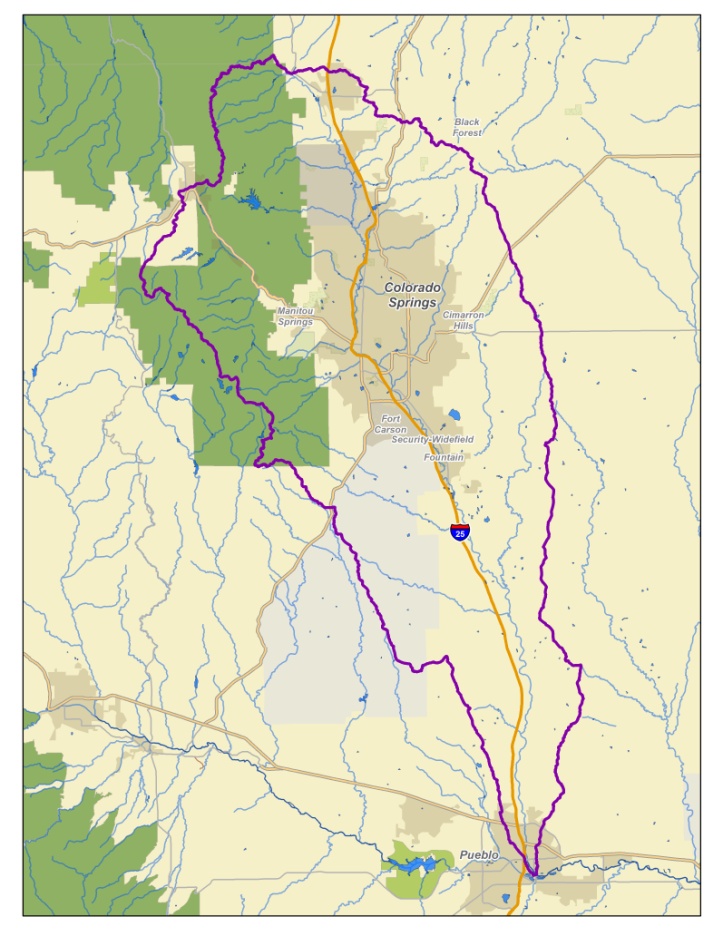
    The Fountain Creek Watershed is located along the central front range of Colorado. It is a 927-square mile watershed that drains south into the Arkansas River at Pueblo. The watershed is bordered by the Palmer Divide to the north, Pikes Peak to the west, and a minor divide 20 miles east of Colorado Springs. Map via the Fountain Creek Watershed Flood Control and Greenway District.
    The Fountain Creek Watershed is located along the central front range of Colorado. It is a 927-square mile watershed that drains south into the Arkansas River at Pueblo. The watershed is bordered by the Palmer Divide to the north, Pikes Peak to the west, and a minor divide 20 miles east of Colorado Springs. Map via the Fountain Creek Watershed Flood Control and Greenway District.

    Fountain Creek: Pueblo County commissioners approve county joining @EPA, CDPHE lawsuit

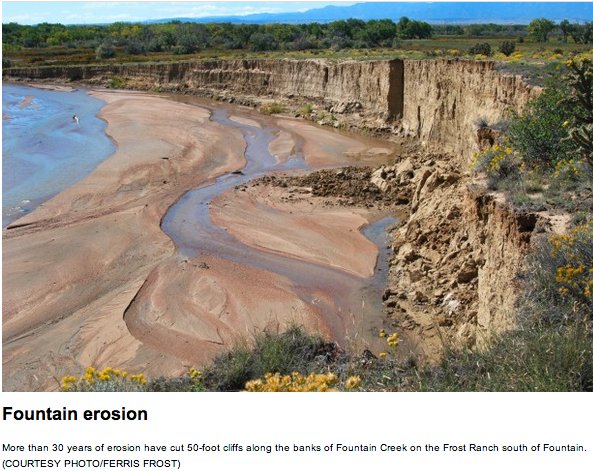
    Fountain Creek erosion via The Pueblo Chieftain
    Fountain Creek erosion via The Pueblo Chieftain

    From The Pueblo Chieftain (Anthony A. Mestas):

    The Pueblo County commissioners on Wednesday asked staff to file a motion to intervene in a lawsuit filed Nov. 9 in U.S. District Court in Denver by the Environmental Protection Agency and the Colorado Department of Public Health and Environment against Colorado Springs.

    Pueblo County wants to join the case to protect its interest during the litigation.

    “We did it primarily to make sure we have a seat at the table,” said Pueblo County Commission Chairman Terry Hart.

    “It’s one of those issues that whenever any kind of conversation is going on that concerns Fountain Creek or the water volume or quality that’s in the creek, we feel it affects the citizens in our community.”

    […]

    By intervening in the lawsuit Pueblo County hopes to:

    Support the EPA and CDPHE in its regulatory mission.

    Ensure that stormwater control infrastructure within Colorado Springs is properly operated and maintained.

    Ensure that there are no conflicts or inconsistencies between the stormwater intergovernmental agreement recently entered by the county and Colorado Springs and any remedy, judgment or settlement entered in this case.

    Require Colorado Springs to become, and then remain, compliant with the Clean Water Act, the Colorado Water Quality Control Act, stormwater regulations and the conditions of Colorado Springs’ MS4 permit, and protect against future violations.

    Work with Colorado Springs to develop, implement and enforce its’ Stormwater Management Program as required by the MS4 permit.

    Prohibit Colorado Springs from discharging stormwater that is not in compliance with its MS4 permit or its SMP.

    #Animas River: Feds seek dismissal of #NM and Navajo Nation #GoldKingMine lawsuits

    The orange plume flows through the Animas across the Colorado/New Mexico state line the afternoon of Aug. 7, 2015. (Photo by Melissa May, San Juan Soil and Conservation District)
    The orange plume flows through the Animas across the Colorado/New Mexico state line the afternoon of Aug. 7, 2015. (Photo by Melissa May, San Juan Soil and Conservation District)

    From the Associated Press (Susan Montoya Bryan) via The Durango Herald:

    The Justice Department filed its motion Monday, following up on arguments first made by the Obama administration that the U.S. Environmental Protection Agency is protected by sovereign immunity.

    The federal government contends the agency doesn’t fit the definition of a liable party.

    New Mexico was first to sue over the mine spill, alleging that the agency had not taken full responsibility for triggering the spill of 3 million gallons of toxic wastewater from the mine near Silverton. The plume coursed through the Animas and San Juan rivers in Colorado, New Mexico and Utah.

    New Mexico officials say the government’s motion was expected.

    Fountain Creek: Pueblo County Commissioners direct staff to draft motion to join @EPA, CDPHE lawsuit

    Fountain Creek swollen by stormwater November 2011 via The Pueblo Chieftain
    Fountain Creek swollen by stormwater November 2011 via The Pueblo Chieftain

    From The Colorado Springs Gazette (Billie Stanton Anleu):

    Pueblo County – having already received a commitment of $460 million in stormwater projects from Colorado Springs over 20 years – now wants to join in a federal and state lawsuit citing Colorado Springs for violating its federal stormwater permit…

    Wednesday, Pueblo County commissioners decided to try to join in the lawsuit, following a December effort by the Lower Arkansas Valley Water Conservancy District to also become a plaintiff. The motion to include the Lower Ark, as it is known, hasn’t been decided.

    The Lower Ark, representing Bent, Crowley, Otero, Prowers and Pueblo counties, has seen Colorado Springs break stormwater promises repeatedly, said district Executive Director Jay Winner.

    Pueblo County commissioners echoed such complaints, saying the city doesn’t adequately fund its stormwater management program, maintain the infrastructure or reduce discharge of pollutants.

    In addition to the $460 million stormwater pact, the city has increased stormwater funding to $19 million a year, including $3 million from Colorado Springs Utilities. That’s up from $5 million in 2015.

    Pueblo County and Lower Ark both cite increased E. coli levels, erosion, sedimentation and flooding.

    The county’s action was another blow for Mayor John Suthers, who has committed to rectifying the city’s stormwater problems since he took office in June 2015…

    Said Pueblo County Commission spokeswoman Paris Carmichael: “This isn’t about picking a fight with Colorado Springs. This is about giving the citizens of Pueblo County a voice.”

    The county had threatened last year to withhold a permit essential for completion of the $825 million Southern Delivery System, a massive water project delivering Arkansas River water to Colorado Springs, Security, Fountain and Pueblo West.

    So Suthers and other city officials worked with Pueblo city and county officials to hammer out the $460 million intergovernmental agreement, which facilitated release of the permit.

    Meanwhile, Suthers also got to work reorganizing the city’s Stormwater Division, bringing in new director Richard Mulledy, who had worked in Pueblo; ratcheting up its staff from 28 to an eventual 66; and releasing an inch-thick new Stormwater Program Implementation Plan on Nov. 2, one week before the EPA filed suit.

    The mayor now is asking voters to approve an April 4 ballot measure that would let the city retain $6 million in excess sales tax revenues to further improve the stormwater system. The city’s extra tax money is expected to top out at $9 million or more, with any amount above the $6 million request being refunded to residents if the ballot issue passes.

    From The Pueblo Chieftain (Anthony A. Mestas):

    The Pueblo County commissioners on Wednesday asked staff to file a motion to intervene in a lawsuit filed Nov. 9 in U.S. District Court in Denver by the Environmental Protection Agency and the Colorado Department of Public Health and Environment against Colorado Springs.

    Pueblo County wants to join the case to protect its interest during the litigation.

    “We did it primarily to make sure we have a seat at the table,” said Pueblo County Commission Chairman Terry Hart.

    “It’s one of those issues that whenever any kind of conversation is going on that concerns Fountain Creek or the water volume or quality that’s in the creek, we feel it affects the citizens in our community.”

    […]

    Hart and fellow Commissioners Sal Pace and Garrison Ortiz said although there are pros and cons in entering the lawsuit, representing Pueblo County citizens is the most important issue.

    “I feel that we have an obligation as a board, as elected officials and as leaders in Pueblo County to ensure that we are doing absolutely everything we can to protect our infrastructure, quality of water and the health and welfare of our citizens,” Ortiz said.

    Pace said he greatly cherishes the relationship the county has developed with Colorado Springs through negotiations over the Southern Delivery System’s 1041 permit agreement and hopes this will not do anything to damage it…

    Suthers’ office issued a statement from the mayor when contacted Wednesday.

    “In light of the fact that Pueblo County is well aware of the outstanding stormwater program Colorado Springs is putting together and that we are meeting and exceeding our commitments under the intergovernmental agreement between our entities, I am very disappointed in their decision to seek to intervene in the EPA lawsuit. Intervention by parties without regulatory authority will only serve to make the litigation more complex, more lengthy, more expensive for all parties and possibly more unproductive.”

    […]

    The Lower Arkansas Valley Water Conservancy District also wants to join the case as an intervenor to protect the district’s interest during the litigation.

    The district filed the same motion in November. A federal judge has yet to make a decision on if the district can join the suit…

    Pueblo City Council President Steve Nawrocki said the city manager will ask Council on Monday to give him direction on the issue…

    WHAT IT MEANS

    By intervening in the lawsuit Pueblo County hopes to:

    Support the EPA and CDPHE in its regulatory mission.

    Ensure that stormwater control infrastructure within Colorado Springs is properly operated and maintained.

    Ensure that there are no conflicts or inconsistencies between the stormwater intergovernmental agreement recently entered by the county and Colorado Springs and any remedy, judgment or settlement entered in this case.

    Require Colorado Springs to become, and then remain, compliant with the Clean Water Act, the Colorado Water Quality Control Act, stormwater regulations and the conditions of Colorado Springs’ MS4 permit, and protect against future violations.

    Work with Colorado Springs to develop, implement and enforce its’ Stormwater Management Program as required by the MS4 permit.

    Prohibit Colorado Springs from discharging stormwater that is not in compliance with its MS4 permit or its SMP.

    USAF to step up RE: Widefield Aquifer pollution

    Photo via USAF Air Combat Command
    Photo via USAF Air Combat Command

    From The Colorado Springs Gazette (Matt Steiner):

    While Col. Doug Schiess, commander of the 21st Space Wing at Peterson Air Force Base, wouldn’t elaborate on details of the five-year plan, he said information about an internal Air Force report would be released in late June or early July.

    The Air Force used firefighting foam at the base for decades that contained perfluorinated compounds. High quantities of the chemical in drinking water from the Widefield Aquifer triggered an EPA advisory last spring.

    A Gazette investigation in October revealed that the service kept the foam in use despite Defense Department studies over the years that showed it was harmful to laboratory animals.

    Commissioners Longinos Gonzalez and Mark Waller pressed Schiess to reveal how much the mitigation work would cost and who would pay the bill if more contamination was found after the five-year time frame.

    “That will be done at a much higher level in the Air Force,” Schiess said, when asked if the reclamation funds were readily available now. “They know that that is a big bill and they have put some money aside. That is being budgeted, but I don’t have details.”

    […]

    Schiess said the five-year plan will ensure that the ground near Peterson and at the Colorado Springs Airport is free of perflourinated compounds. When ingested, the chemicals can remain in the body for decades. The colonel said natural, untainted runoff will eventually dilute the watershed and bring it up to Environmental Protection Agency standards for safe water…

    Perfluorinated chemicals have been used in nonstick pans, in stain-resistant treatments for carpet and even in fast-food containers for decades.

    Air Force studies done as early as 1979 revealed that the perfluorinated chemical in its firefighting foam caused liver damage, cellular damage and low birth weight to laboratory animals. It has also been tagged as a potential carcinogen.

    Last year, EPA lowered its health advisory levels for perfluorinated compounds to 70 parts per trillion, changing the status of some wells that had been previously deemed safe.

    On Thursday, Schiess said that the internal draft report about the contamination in southern El Paso County will likely be completed by the contractor in March. The Air Force will send its final report to the EPA in late April. And that information will be ready for public consumption in June or July, he said.

    Schiess also brought the commissioners up to date on interim efforts to treat drinking water using filters for homes and businesses.

    He said the Air Force had contacted about two dozen residents who had been using bottled water in their homes. According to the colonel, six homeowners declined offers to install reverse osmosis filtration systems, and four have had those measures implemented.

    Schiess said the Fountain Valley Shopping Center is still using bottled water and others, such as Venetucci Farm and the Norad View Mobile Home Park are using granular activated carbon filters.

    Morgan Conservation District’s 62nd Annual Meeting, February 9th, 2017

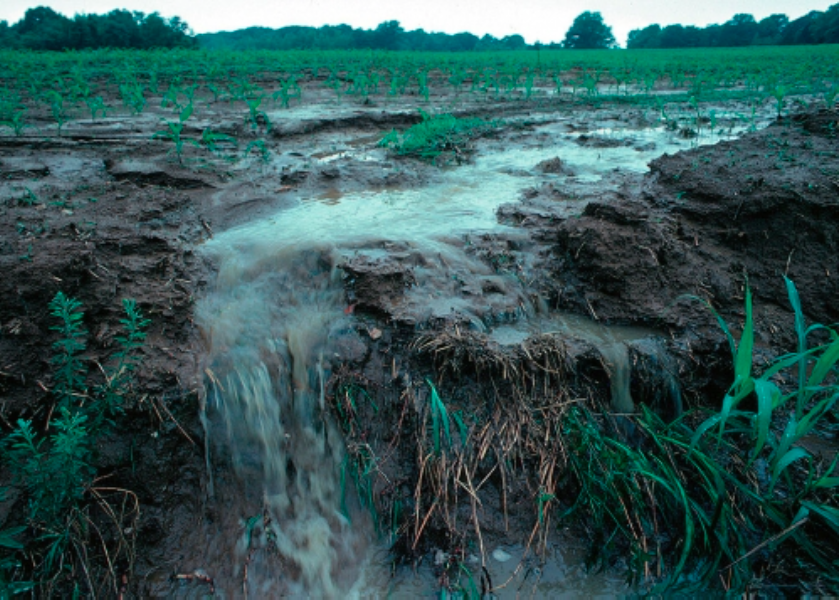
    View of runoff, also called nonpoint source pollution, from a farm field in Iowa during a rain storm. Topsoil as well as farm fertilizers and other potential pollutants run off unprotected farm fields when heavy rains occur. (Credit: Lynn Betts/U.S. Department of Agriculture, Natural Resources Conservation Service/Wikimedia Commons)
    View of runoff, also called nonpoint source pollution, from a farm field in Iowa during a rain storm. Topsoil as well as farm fertilizers and other potential pollutants run off unprotected farm fields when heavy rains occur. (Credit: Lynn Betts/U.S. Department of Agriculture, Natural Resources Conservation Service/Wikimedia Commons)

    From the Morgan Conservation District via The Fort Morgan Times (Angela Werner):

    Morgan Conservation District’s 62nd annual meeting will be held on February 9th.

    It will be held at the Fort Morgan Home Plate Restaurant, 19873 U.S. Hwy. 34. Breakfast will be at 8 a.m. and the meeting will start at 9 a.m. The cost of the meeting will be $25 in advance, and that will cover the annual meeting, annual membership in Morgan Conservation District, and free breakfast that morning.

    If you do not RSVP in advance, and show up on the day of the meeting, please be advised that the cost will be the same, however breakfast will not be free, due to our needing to order the food in advance. Our keynote speakers, Bill Hammerich and Andrew Neuhart.

    Bill Hammerich has served as the CEO of Colorado Livestock Association (CLA) for the past fourteen years. He grew up on a cattle and farming operation in Western Colorado and he attended CSU where he graduated with a degree in Agricultural Economics. Following graduation, he began working with Monfort of Colorado, then Farr Feeders and was with the Sparks Companies before joining CLA in 2002.

    His time spent in the cattle feeding industry provided him not only with an understanding of how to feed cattle, but also the importance of protecting and sustaining the environment in which one operates.

    Bill and his wife Sabrina live in Severance, Colorado and have two grown children, Justin and Jessica, and four grandsons.

    Andrew Neuhart completed both a B.S. in Natural Resource Management and an M.S. in Watershed Science at CSU. After spending two years assisting in precision farming studies in the San Luis Valley for the USDA Soil, Plant and Nutrient Research team, Andrew went to work for the State of Colorado’s Water Quality Control Division. For 9 years with the WQCD, Andrew led a Permitting Unit for discharge permits under the Clean Water Act, for both industrial and domestic wastewater treatment facilities. Working for Brown and Caldwell over the last 4 years, Andrew assists clients with regulatory issues under the Clean Water Act, and has been working with the Ag Task Force, part of the Colorado Monitoring Framework, to get the word out regarding nutrient regulations and their impacts to agricultural operations.

    Mr. Hammerich and Mr. Neuhart will be speaking about Regulation 85.

    Regulation 85 establishes requirements for organizations holding a NPDES permit and with the potential to discharge either nitrogen or phosphorus to begin planning for nutrient treatment based on treatment technology and monitoring both effluents and streams for nitrogen and phosphorus.

    The data from these efforts is designed to better characterize nutrient sources, characterize nutrient conditions and effects around the state and to help inform future regulatory decisions regarding nutrients. Please come to the meeting and learn more from our very knowledgeable keynote speakers!

    Please RSVP as soon as possible to Angela at morganconservationdistrict@gmail.com or call 970-427-3362. Space is limited.

    Southern Ute tribe seeks to manage reservation water quality — The Durango Herald

    vallecitolakeviavallecitochamber

    From The Durango Herald:

    Governments, agencies and organizations have until Feb. 3 to submit comments to the EPA, which will be considered as the agency makes a decision.

    La Plata County commissioners plan to submit comments and discuss the matter in a 3 p.m. Monday work session and again in a special meeting at 10 a.m. Tuesday.

    Tribes can ask the EPA to be treated as a state, which allows them to adopt and administer water quality standards. Under the Clean Water Act, a state can determine the level of purity and quality of its own waters. The Southern Utes have no such standards under the Clean Water Act.

    There are eight river basins in La Plata County over which the tribe has some jurisdiction, and standards adopted by the tribe would influence upstream discharge permit holders near these waterways, including the city of Durango, town of Bayfield, the Durango-La Plata County Airport and South Durango Sanitation District.

    It is unclear whether, if the EPA approves the request, the tribe’s standards would be equal to or more stringent than regulations governing areas upstream, and if the process would be transparent.

    The Southern Utes have considered this action for years.

    If the EPA approves the application, which details the tribe’s ability to effectively govern a water quality program, the agency would then consider approval for a set of standards as a separate action, which could take years…

    The application can be found at epa.gov.

    EPA freeze has potential wide-ranging effects

    From Denverite (Andrew Kenney):

    As the story unfolds, organizations large and small are scrambling to determine what it could mean for them. The potential impacts are limited not just to obvious environmental programs, such as the cleanup of the Gold King Mine spill, but also to the small local nonprofits and businesses that serve the EPA’s offices here in Denver.

    The suspension may threaten the state’s ability to carry out its environmental work, according to Governor John Hickenlooper. In all, the federal government reports the EPA has awarded nearly $200 million in grants and contracts since October 2014, which marked the beginning of the 2015 fiscal year, where the primary work is done in Colorado.

    What we know so far:

    As ProPublica reported on Monday, the new leadership of the EPA has ordered a temporary suspension of the agency’s grants and contracts. What’s unclear is whether the new freeze merely stops the agency from taking on new spending or whether it will disrupt existing grants and contracts…

    The Associated Press has reported that the freeze affects “new” grants and contracts, but ProPublica reports that ongoing work is “temporarily suspended.” We may not know for a while, as the administration has banned EPA employees from talking to reporters, according to AP.

    The Associated Press was eventually able to get a little information out of Doug Ericksen, the communications director for Trump’s transition team at EPA.

    “We’re just trying to get a handle on everything and make sure what goes out reflects the priorities of the new administration,” he told the AP.

    Ericksen clarified that the freeze on EPA contracts and grants won’t apply to pollution cleanup efforts or infrastructure construction activities…

    Who it impacts:

    In either case, we’re working to assess the role and impact of this funding in Colorado. Recent EPA grants here include the $2.2 million that Colorado State University received in 2014 to support a water-cleaning science project and $260,000 that Sen. Cory Gardner announced would aid in the cleanup of the Gold King Mine spill.

    Federal contracts and grants can be viewed at usaspending.gov. In the previous fiscal year, Colorado Department of Public Health and Environment received $17.6 million in grants from the EPA, while the Colorado Water Resources and Power Development Authority received $25 million. The authority provides low-cost financing for water and wastewater infrastructure projects. The city of Durango received $29 million to rehabilitate a water treatment plant in response to the Gold King Mine spill. It’s possible work like this would fall under the exemption for environmental clean-up and infrastructure construction.

    The EPA’s contracts, meanwhile, include a huge range of work that the EPA pays external companies to do. Take Bayaud Enterprises, the Denver nonprofit that provides employment and support for people with disabilities and other barriers to employment. Bayaud also runs the city’s employment program for homeless people. Bayaud did more than $500,000 of contract work for the EPA last fiscal year, mostly relating to building maintenance…

    How Colorado’s agencies are reacting:

    Colorado State University has almost $5 million in active EPA grants funding projects that involve some 700 faculty, although most of that money has already been received, according to Alan Rudolph, vice president for research at the school.

    He said that the university understands that funding can change in the year-to-year government cycle, but staff are worried about the idea that existing funding would suddenly be stopped.

    “If those were frozen, that would be of great concern to us,” he said. The university is in regular contact with program officers at the EPA, but even those employees can give little sense of what’s to come as the new administration takes power.

    Changes at the EPA also could significantly affect some Colorado governments’ environmental activities.

    “We’re still trying to understand the impacts of the order, including if this affects only new grants or current too,” wrote Kerra Jones, spokeswoman for the Denver Department of Environmental Health, in an email.

    She added that much of the city’s EPA money is routed through the Colorado Department of Health and Environment, which “will be affected much more than us.”

    Mark Salley, spokesman for CDPHE, wrote that the department has “received little to no clarification as of yet as to what is even meant by ‘grants and contracts.’ We hope to receive additional information in the coming weeks.”

    Late on Tuesday, Gov. John Hickenlooper issued a statement saying that his office had received notice of the suspension that day.

    “The communication was ambiguous and did not explain the duration or scope of the freeze. This freeze could potentially impact the Colorado Department of Public Health and Environment’s ability to carry out its federally mandated commitment to protect clean air, clean water and safe drinking water. We have sought clarification from the EPA and have asked for assistance from Senators Gardner and Bennet.”

    #AnimasRiver: @EPA — Implementation of the #GoldKingMine After-Action Review

    A “get well soon” balloon floats in the contaminated waters of the Animas River flowing through Durango on Monday afternoon August 10, 2015 -- photo The Durango Herald, Shane Benjamin
    A “get well soon” balloon floats in the contaminated waters of the Animas River flowing through Durango on Monday afternoon August 10, 2015 — photo The Durango Herald, Shane Benjamin

    Click here to read the report. Here’s an excerpt:

    In November 2015, the U.S. Environmental Protection Agency’s Chief of Staff, Matt Fritz, established an agency team to conduct an After-Action Review of EPA’s response to the Gold King Mine (GKM) release that occurred on August 5, 2015. The team, comprised of employees from across the agency, interviewed over a hundred people and reviewed a large volume of documents to identify lessons learned and develop recommendations for the Administrator’s consideration. Among the documents reviewed were after-action reports from previous emergency responses, which showed that some of the issues identified at Gold King Mine were not new. On December 21, 2015, the After-Action Review Team submitted its report detailing ten specific recommendations to improve how the agency responds to emergency incidents and to ensure a highly effective EPA Emergency Response Program that can adapt quickly to dynamic, unpredictable situations. These recommendations, shown in Appendix A, were:

  • Recommendation 1: Establish a National Incident Management Assistance Team (IMAT) at EPA.
  • Recommendation 2: Institute Senior Official training plan.
  • Recommendation 3: Institute ICS key leadership training plan.
  • Recommendation 4: Establish an agency data and information management team.
  • Recommendation 5: Improve data and information posting and communications.
  • Recommendation 6: Establish Communications Strike Teams and broaden data training for PIOs and public affairs staff.
  • Recommendation 7: Invest in data resources and clarify roles/responsibilities.
  • Recommendation 8: Build capacity for rapid data collection, interpretation, and dissemination.
  • Recommendation 9: Align public affairs resources and update communications procedures.
  • Recommendation 10: Improve notification procedures, plans, and equipment.
  • From The Durango Herald (Mary Shinn):

    The EPA outlined its efforts in a report posted on its website late Friday afternoon called “In the Rearview Mirror: Implementation of the Gold King Mine After-Action Review.”

    The EPA’s chief of staff announced the changes in February 2016, after the agency took responsibility for the release of metal-laden water from the Gold King Mine on Aug. 5, 2015.

    The changes were based on a December 2015 after-action report that made 10 recommendations focused on improving its emergency response and communications that the EPA has worked on, the review stated. The original after-action report did not seem to have been posted on the EPA’s website when it was finished. EPA officials did not immediately respond to request for comment on the review Saturday.

    The review recommended the agency continue funding emergency management training and positions created as a result of the changes. But it did not list specific budget expenses.

    A national emergency response team was trained by December 2016 and it will be deployed to mine spills or releases that the EPA has caused or is directly involved in, or when an event involves multiple EPA regions.

    “Quick and effective response to incidents reduces the risk to public safety, environmental damage and potential legal liability,” the report said.

    To improve communications, the EPA plans to develop three teams of six that will assist with breaking down complex and technical information. When a team is deployed, they will not communicate with the public but will work behind the scenes.

    Assistant County Manager Joanne Spina could not comment on the report, but she acknowledged that there were challenges with EPA communications after the Gold King Mine spill.

    “We tried to work through those as situations arose,” she said.

    During emergencies, the EPA also plans work with federal, state, local, tribal, trust territory and other partners on development and release of all materials.

    Effectively communicating data with the public was another focus of the EPA, and it calls for eliminating the time lag between the EPA receiving data and communicating it to the public.

    Residents and local officials were frustrated with the slow pace of metals sampling and interpretation of the data.

    This data was needed to determine whether the river could be reopened and used for drinking, agriculture and recreation.

    Distrust of the EPA’s data led some residents of the Navajo Nation to keep their irrigation ditches closed, causing lost crops, because they didn’t want to risk using the contaminated water.

    The Office of Emergency Management has hired a coordinator to help the EPA with data, and the review solicits funding for training and workshops.

    Agency workers also updated their contact lists for tribal governments and plan to update those lists annually.

    The agency also updated training for senior leadership on what their role is during an emergency. Satellite communications systems were also upgraded for those working in the field.

    After the spill, the EPA team was trapped without cellphone service or a satellite phone and this delayed communications with the state by almost two hours.

    CDPHE and @EPA hope the Lower Ark is allowed to join their lawsuit

    Report: Remediation Scenarios for Attenuating Peak Flows and Reducing Sediment Transport in Fountain Creek, Colorado, 2013
    Report: Remediation Scenarios for Attenuating Peak Flows and Reducing Sediment Transport in Fountain Creek, Colorado, 2013

    From The Pueblo Chieftain (Robert Voczkiewicz):

    The state and federal agencies told a judge Thursday that they support the Lower Arkansas Valley Water Conservancy District’s request to have a courtroom voice in a clean-water lawsuit against Colorado Springs.

    The Colorado Department of Public Health and Environment and the U.S. Environmental Protection Agency are suing the city, which discharges pollutants into Fountain Creek and other tributaries.

    The Lower Ark district wants to join the case as an intervenor to protect the district’s interest during the litigation…

    Senior Judge Richard Matsch is presiding over the case in U.S. District Court in Denver and will decide whether to grant Lower Ark’s request.

    The EPA and the state health-environment department filed the lawsuit Nov. 9. It alleges that Colorado Springs’ storm sewer system is violating federal and state clean water laws.

    The city denies it is violating the laws. Mayor John Suthers recently pointed to additional expenditures the city is making as an example of its commitment to correct storm water problems.

    The storm water contains pollutants, including E. coli, that flow into the river from creek tributaries.

    The district encompasses Bent, Crowley, Otero, Prowers and Pueblo counties, where considerable produce, including Rocky Ford melons, are grown.

    In Thursday’s court filing reviewed by The Pueblo Chieftain, the EPA and the department told Matsch they agree with Lower Ark that it should have a voice in court because the district wants the river water to have adequate quality.

    To achieve that, the agencies and the district want Colorado Springs to reduce the amount of polluted discharges.

    The environmental agencies contend Colorado Springs mischaracterizes the lawsuit as being focused on past issues, but it in fact “seeks to remedy current and ongoing violations.”

    The environmental agencies disagree with Colorado Springs’ arguments that the district has no legal right to become an intervenor and that intervention will unduly complicate the litigation.

    The lawsuit seeks a court order requiring the city “to develop, implement and enforce” its stormwater management program, as required by permits the government has issued. The lawsuit goes on to ask a judge to impose monetary penalties on Colorado Springs for the violations.

    #AnimasRiver: @EPA cites “sovereign immunity” — $1.2 billion in claims set aside

    This image was taken during the peak outflow from the Gold King Mine spill at 10:57 a.m. Aug. 5. The waste-rock dump can be seen eroding on the right. Federal investigators placed blame for the blowout squarely on engineering errors made by the Environmental Protection Agency’s-contracted company in a 132-page report released Thursday [October 22, 2015]
    This image was taken during the peak outflow from the Gold King Mine spill at 10:57 a.m. Aug. 5. The waste-rock dump can be seen eroding on the right. Federal investigators placed blame for the blowout squarely on engineering errors made by the Environmental Protection Agency’s-contracted company in a 132-page report released Thursday [October 22, 2015]

    From The Farmington Daily Times (Magdalena Wegrzyn , Leigh Black Irvin , Joshua Kellogg and Noel Lyn Smith):

    Federal lawmakers, tribal leaders and state and local officials presented a rare unified front today as they vehemently denounced the U.S. Environmental Protection Agency’s announcement that it will not pay more than $1.2 billion in claims filed against it in response to the Gold King Mine spill.

    The EPA said the Federal Tort Claims Act prevents the agency from paying claims that result from “discretionary” government actions. Congress passed the law to allow government agencies — and in this case, contractors working on their behalf — to act “without the fear of paying damages in the event something went wrong while taking the action,” according to a press release from the EPA.

    Three federal lawmakers representing New Mexico denounced the news in a joint statement, calling the agency’s reasoning a “shameful legal interpretation of liability.” Meanwhile, Navajo Nation officials questioned who would take responsibility for reimbursing tribal members hurt by the spill, which on Aug. 5, 2015, released more than three million gallons of toxic wastewater into a tributary that feeds the Animas River, which flows into the San Juan River, ultimately emptying into Lake Powell.

    The EPA said the work contractors conducted at the mine near Silverton, Colo., is considered a “discretionary function” under the law.

    Sens. Tom Udall and Martin Heinrich, New Mexico Democrats, and Rep. Ben Ray Luján, D-N.M., issued a statement saying they would continue pushing for legislation to hold the EPA accountable. They also said it would be up to the courts to determine whether the EPA’s defense is legitimate.

    Heinrich said in a phone interview that he intends to introduce legislation to ensure the EPA pays claims that have already been filed, as well as future claims.

    “I’m going to speak to all of the senators from Colorado and Arizona, and we’re going to introduce legislation to do this right,” he said.

    An EPA agency official said paying the claims would discourage cleanup efforts — such as the one being conducted at the Gold King Mine when it was breached — in the future…

    Navajo Nation President Russell Begaye said the tribe will continue pursuing its lawsuit against the EPA and several other entities. He said the tribe plans to work with president-elect Donald J. Trump’s administration to address claims tied to the spill.

    “It doesn’t stop here,” Begaye said shortly after attending an inauguration ceremony in Shiprock for recently elected Northern Agency chapter officials. “This is one step, and we will continue taking the next step and if we have to, we’ll take it all the way to the Supreme Court.”

    […]

    An EPA official said 73 claims related to the mine spill were filed under the Federal Tort Claims Act. Four were from governmental agencies and the rest were from individuals and companies…

    Joe Ben Jr. served as the Shiprock Chapter’s farm board member when the spill occurred. Ben, a farmer himself, said he did not file a claim but knows several other farmers who submitted claims for lost crops and revenue…

    The orange plume flows through the Animas across the Colorado/New Mexico state line the afternoon of Aug. 7, 2015. (Photo by Melissa May, San Juan Soil and Conservation District)
    The orange plume flows through the Animas across the Colorado/New Mexico state line the afternoon of Aug. 7, 2015. (Photo by Melissa May, San Juan Soil and Conservation District)

    … collecting compensation doesn’t weigh heavily on [Earl] Yazzie. Instead, the farmer said he’s more concerned about whether to plant crops this spring and if he’ll irrigate with water from the San Juan River…

    Included in the $1.2 billion is about $154 million in tort claims that are part of a lawsuit filed by the state of New Mexico, according to the EPA official. She said the EPA’s defense will be used in court to deny payment of those claims…

    The EPA official acknowledged the announcement was slow in coming, adding “we spent a lot of time trying to see if there was any other way to address this because this is obviously an answer that leaves a lot of people unhappy who have been hurt.”

    From the Associated Press (Dan Elliott):

    The EPA said the claims could be refiled in federal court, or Congress could authorize payments.

    But attorneys for the EPA and the Justice Department concluded the EPA is barred from paying the claims because of sovereign immunity, which prohibits most lawsuits against the government.

    “The agency worked hard to find a way in which it could pay individuals for damages due to the incident, but unfortunately, our hands are tied,” EPA spokeswoman Nancy Grantham said.

    The EPA said it has spent more than $31.3 million on the spill, including remediation work, water testing and payments to state, local and tribal agencies.

    Colorado Springs denies Fountain Creek pollution in first salvo against @EPA, CDPHE

    Fountain Creek
    Fountain Creek

    From The Pueblo Chieftain (Robert Boczkiewicz):

    The city of Colorado Springs, in response to a lawsuit that seeks court action against the city for discharging pollutants into tributaries of the Arkansas River, denies it is violating clean water laws.

    The city’s denial is its first response in court to a lawsuit that claims discharges of pollutants into Fountain Creek and other tributaries violate the laws. The discharges are from Colorado Springs’ stormwater system.

    “The City has complied with the law,” states the response filed Monday in U.S. District Court in Denver.

    The lawsuit was filed Nov. 9 against Colorado Springs by the U.S. Environmental Protection Agency and the Colorado Department of Health and Environment.

    The lawsuit seeks a court order requiring the city “to develop, implement, and enforce” its stormwater management program as specified in permits the government has issued in past years.

    Colorado Springs asserted in Monday’s filing that it “has at all times been in compliance” with permits issued by the state agency to govern the discharges and the stormwater system.

    The city contends it should not be subjected to court orders or monetary penalties that the environmental agencies want a judge to impose.

    Colorado Springs also contends that allegations in the lawsuit misrepresent the facts of issues in dispute.

    #Animas River: @EPA releases final analysis for #GoldKingMine spill

    This image was taken during the peak outflow from the Gold King Mine spill at 10:57 a.m. Aug. 5. The waste-rock dump can be seen eroding on the right. Federal investigators placed blame for the blowout squarely on engineering errors made by the Environmental Protection Agency’s-contracted company in a 132-page report released Thursday [October 22, 2015]
    This image was taken during the peak outflow from the Gold King Mine spill at 10:57 a.m. Aug. 5. The waste-rock dump can be seen eroding on the right. Federal investigators placed blame for the blowout squarely on engineering errors made by the Environmental Protection Agency’s-contracted company.

    Here’s the release from the Environmental Protection Agency (Christie St. Clair):

    Today, the U.S. Environmental Protection Agency (EPA) posted the final fate and transport report for the Gold King Mine (GKM) release. The report focuses on understanding pre-existing river conditions, the movement of metals related to the GKM release through the river system, and the effects of the GKM release on water quality. The research supports EPA’s earlier statements that water quality in the affected river system returned to the levels that existed prior to the GKM release and contamination of metals from the release have moved through the river system to Lake Powell.

    “This report is a comprehensive analysis of the effects on water quality from the Gold King Mine release,” said Dr. Thomas A. Burke, EPA’s Science Advisor and Deputy Assistant Administrator of EPA’s Office of Research and Development. “While data indicate that water quality has returned to pre-event conditions, EPA is committed to continue our work with States and Tribes in the river system affected by the Gold King Mine release to ensure the protection of public health and the environment.”

    The area affected by the Gold King Mine release consists of complex river systems influenced by decades of historic acid mine drainage. The report shows the total amount of metals, dominated by iron and aluminum, entering the Animas River following the release — which lasted about nine hours on August 5, 2015 –was comparable to four to seven days of ongoing GKM acid mine drainage or the average amount of metals carried by the river in one to two days of high spring runoff. However, the concentrations of some metals in the GKM plume were higher than historical mine drainage. As the yellow plume of metal-laden water traveled downstream after the release, the metal concentrations within the plume decreased as they were diluted by river water and as some of the metals settled to the river bed.

    There were no reported fish kills in the affected rivers, and post-release surveys by multiple organizations have found that other aquatic life does not appear to have suffered harmful short-term effects from the GKM plume. The concentrations of metals in well-water samples collected after the plume passed did not exceed federal drinking water standards. No public water system using Lake Powell as a source of drinking water has reported an exceedance of metals standards since the release.

    Some metals from the GKM release contributed to exceedances of state and tribal water quality criteria at various times for nine months after the release in some locations. Metals from the GKM release may have contributed to some water quality criteria exceedances during the spring 2016 snow melt. Other exceedances may reflect longstanding contributions of metals from historic mining activities in the region and natural levels of metals in soils and rocks in the area. EPA will continue to work with states and tribes to interpret and respond to these findings.

    Results from this analysis will inform future federal, state and tribal decisions on water and sediment monitoring. EPA will continue to work with states and tribes to ensure the protection of public health and the environment in the river system affected by the Gold King Mine release.
    Read the final report, “Analysis of the Transport and Fate of Metals Released From the Gold King Mine in the Animas and San Juan Rivers”: https://cfpub.epa.gov/si/si_public_file_download.cfm?p_download_id=530074

    Read the report’s executive summary: https://cfpub.epa.gov/si/si_public_file_download.cfm?p_download_id=530075

    More information on the Fate and Transport analysis: https://www.epa.gov/goldkingmine/fate-transport-analysis

    More information on the 2015 Gold King Mine incident: https://www.epa.gov/goldkingmine

    Cement Creek aerial photo -- Jonathan Thompson via Twitter
    Cement Creek aerial photo — Jonathan Thompson via Twitter

    From The Durango Herald (Luke Perkins):

    The 2015 Gold King Mine spill deposited nearly 540 tons of metals over a 9-hour period into Cement Creek, which feeds into the Animas River, the Environmental Protection Agency said Friday in it final report on the scope and ongoing effects of the spill.

    The EPA estimated that roughly one percent of the metals, mostly iron and aluminum, contained in the spill came from the mine, with the rest coming from the waste piles on the hillside below the mine adit and the stream bed of Cement Creek.

    The study states “the volume of the GKM release was equivalent to four to seven days of ongoing GKM acid mine drainage,” or “one to two days of high spring runoff.”

    But, as indicated in previous tests, the river returned to pre-spill levels.

    There have been no reported fish kills or significant impacts on other aquatic life, but the EPA will continue to monitor the waterways impacted by the spill, the agency said Friday in a release.

    The study also looked at water quality in the Animas to see if it had returned to pre-event conditions and if the impacts of the spill itself had long-term detrimental ramifications on the river given the history of mining in the region…

    “The research supports EPA’s earlier statements that water quality in the affected river system returned to the levels that existed prior to the GKM release and contamination of metals from the release have moved through the river system to Lake Powell,” the release said.

    Following Aug. 5, 2015 spill, the concentration of contaminants exceeded water quality standards in multiple locations impacted.

    This necessitated the building of an interim water treatment plant at Gladstone that was mandated to operate through November 2016, said Cynthia Peterson, community involvement coordinator for the Bonita Peak Mining District. The EPA concluded a public comment session on Dec. 14 regarding the future of the treatment plant, and will release a final decision by the end of January, Peterson said. But the EPA has a preferred course of action.

    “EPA’s preferred plan for the water treatment plant is for its continued operations and to look at additional options in the future as we understand more about the nature and spread of the contamination,” she said.

    The agency also is conducting remedial investigation to understand the impact of the 48 sites in the mining district, which was named a Superfund site in September, on river contamination, Peterson said. This represents the first step before clean-up operations can begin.

    From the Associated Press (Matthew Daly) via The Farmington Daily Times:

    Agency says only 1 percent of the metals came from inside the mine and the rest were “scoured” from waste piles on nearby hills and stream beds

    Health and environmental officials in San Juan County are evaluating the Animas River after roughly 1 million gallons of mine waste water were released Wednesday. August 6, 2015. (Photo courtesy San Juan Basin Health Department)
    Health and environmental officials in San Juan County are evaluating the Animas River after roughly 1 million gallons of mine waste water were released Wednesday. August 6, 2015. (Photo courtesy San Juan Basin Health Department)

    Nearly 540 tons of metals — mostly iron and aluminum — contaminated the Animas River over nine hours during a massive wastewater spill from an abandoned Colorado gold mine, the Environmental Protection Agency said today in a new report on the 2015 blowout that turned rivers in three states a sickly yellow.

    The total amount of metals entering the river system was comparable to levels during one or two days of high spring runoff, although the concentration of metals was significantly higher at the spill’s peak, the report said.

    In February, the EPA estimated the amount of metals in the release at 440 tons. The agency said additional data and improved analysis resulted in the higher final estimate.

    The EPA said its research supports earlier statements that water quality in the affected river system has returned to pre-spill levels…

    The EPA said in its report that only 1 percent of the metals came from inside the mine, while 99 percent were “scoured” from waste piles on nearby hills and stream beds. The iron and aluminum reacted with the river water to cause the eye-catching mustard color that was visible for days as the plume traveled down the river system into Lake Powell, the EPA said.

    Besides iron and aluminum, the spill released manganese, lead, copper, arsenic, zinc, cadmium and a small amount of mercury into the river, the EPA said…

    New Mexico Environment Secretary Butch Tongate accused the EPA of using the taxpayer-funded report to try to defend its actions. The state has sued the agency over the spill.

    Colorado officials said they had no comment on the report. Utah officials didn’t immediately respond to a request for comment.

    From The Denver Post (Jesse Paul):

    “While data indicate that water quality has returned to pre-event conditions, EPA is committed to continue our work with States and Tribes in the river system affected by the Gold King Mine release to ensure the protection of public health and the environment,” Dr. Thomas A. Burke, EPA’s science adviser and deputy assistant administrator in its office of research and development, said in a statement…

    The disaster, which turned the Animas River a toxic-looking yellow-orange, prompted concern and anger downstream, particularly in the Navajo Nation and New Mexico, where officials have been continually complaining about the spill’s water-quality impacts and have filed lawsuits against the EPA. The concentrations of some metals in the Gold King mine plume were higher than historical mine drainage, the EPA said in a news release announcing the report’s findings, but the impacts on water quality were not long lasting as some had worried…

    There were no reported fish kills in the Animas or San Juan rivers, and the EPA says surveys have round that other aquatic life does not appear to have suffered any short-term impacts…

    Also, the agency says the concentrations of metals in well-water samples collected after the 3 million-gallon spill’s plume passed through areas did not exceed federal drinking water standards. No public water system using Lake Powell as a source of drinking water has reported an exceedance of metals standards since the release, according to the EPA.

    “Some metals from the GKM release contributed to exceedances of state and tribal water quality criteria at various times for nine months after the release in some locations,” the release said. “Metals from the GKM release may have contributed to some water quality criteria exceedances during the spring 2016 snow melt.”

    However the EPA says other metal-level exceedances may reflect the longstanding mine drainage from the region’s historic sites as well as natural levels of metals in southwest Colorado’s soils and rocks. Silverton and its surroundings are now slated to get a federal cleanup of their leaching, historic mines under the EPA’s Superfund program.

    The mines and mining sites in Silverton’s surroundings — including the Gold King — pour an estimated 5.4 million gallons of metal-laden waste into the Animas’ headwaters each day.

    “Results from this analysis will inform future federal, state and tribal decisions on water and sediment monitoring,” the EPA release said, though it did not immediately elaborate.

    Bonita Mine acid mine drainage. Photo via the Animas River Stakeholders Group.
    Bonita Mine acid mine drainage. Photo via the Animas River Stakeholders Group.

    EPA delays in-situ uranium rule

    uraniuminsitu

    From the Associated Press (Mead Gruver) via The Colorado Springs Gazette:

    Federal officials withdrew a proposed requirement for companies to clean up groundwater at uranium mines across the U.S. and will reconsider a rule that congressional Republicans criticized as too harsh on industry.

    The plan that the U.S. Environmental Protection Agency put on hold Wednesday involves in-situ mining, in which water containing chemicals is used to dissolve uranium out of underground sandstone deposits. Water laden with uranium, a toxic element used for nuclear power and weapons, is then pumped to the surface. No digging or tunneling takes place.

    The metal occurs in the rock naturally but the process contaminates groundwater with uranium in concentrations much higher than natural levels. Mining companies take several measures to prevent tainted water from seeping out of the immediate mining area.

    Even so, underground leaks sometimes occur, though most of the mines are not near population centers. No in-situ uranium mine has contaminated a source of drinking water, the industry and its supporters assert.

    Along with setting new cleanup standards, the rule would have required companies to monitor their former mines potentially for decades. The requirement was set for implementation but now will be opened up for a six-month public comment period, with several changes.

    Those include allowing the Nuclear Regulatory Commission or states to determine certain cleanup standards on a site-specific basis. The EPA decided to resubmit the rule and seek additional public input after reviewing earlier comments, agency spokeswoman Monica Lee said.

    Wyoming’s Republican U.S. senators, John Barrasso and Mike Enzi, praised the EPA’s decision to reconsider, saying the rule was unnecessarily burdensome for the uranium industry.

    Wyoming has five active in-situ uranium mines and is the top uranium-producing state. Other mines are active in Nebraska and Texas.

    “In-situ uranium recovery has been used in the United States for decades, providing valuable jobs to Wyoming and clean energy to the nation,” Enzi said in a news release. “I rarely say this about the EPA, but the agency made the right decision.”

    Environmentalists and others say uranium-mining companies have yet to show they can fully clean up groundwater at a former in-situ mine. Clean groundwater should not be taken for granted, they say, especially in the arid and increasingly populated U.S. West.

    “We are, of course, disappointed that this final rule didn’t make it to a final stage,” said Shannon Anderson with the Powder River Basin Resource Council. “It was designed to address a very real and pressing problem regarding water protection at uranium mines.”

    The EPA rule is scheduled for further consideration in President-elect Donald Trump’s administration.

    In-situ uranium mining surged on record prices that preceded the 2011 Japanese tsunami and Fukushima nuclear disaster. Prices lately have sunk to decade lows, prompting layoffs.

    Colorado Springs hopes to prevent Lower Ark joining EPA and CDPHE lawsuit

    Fountain Creek flood debris May 2014 via The Pueblo Chieftain
    Fountain Creek flood debris May 2014 via The Pueblo Chieftain

    From The Pueblo Chieftain (Jon Pompia):

    Colorado Springs is opposing an Arkansas River water district’s request to join a lawsuit that seeks to stop the city from discharging pollutants into Fountain Creek and other tributaries of the river.

    The Lower Arkansas Valley Water Conservancy District wants a voice against Colorado Springs by being allowed to take part in the litigation.

    The U.S. Environmental Protection Agency and the Colorado Department of Health jointly filed the lawsuit Nov. 9 in U.S. District Court in Denver against Colorado Springs. The lawsuit claims that the city’s discharges of polluted stormwater into the tributaries violate state and federal clean water laws.

    The lawsuit seeks a court order requiring Colorado Springs “to take all steps necessary to redress or mitigate the impact of its violations.”

    The lawsuit also seeks a court order to require the city “to develop, implement and enforce” its stormwater management program, as required by permits the government has issued. The lawsuit goes on to ask a judge to impose monetary penalties on Colorado Springs for the violations.

    Water runoff from streets, parking lots and other surfaces picks up pollutants that drain into the stormwater sewage system, which discharges it into the creeks.

    Pollutants include accumulated debris, chemicals and sediment. They “can adversely affect water quality, erode stream banks, destroy needed habitat for fish and other aquatic life, and make it more difficult and expensive for downstream users to effectively use the water,” the lawsuit states

    The water district on Dec. 9 asked Senior Judge Richard Matsch for permission to become an intervenor to protect the district’s interests to have clean and usable water from the river.

    The city on Dec. 22 filed arguments opposing the district’s request. The city contends that the district has no legal right to intervene.

    The district — as well as Pueblo officials — has long been a critic of Colorado Springs for sending polluted and sediment-filled stormwater, including dangerous E. coli bacteria, into the river and for not controlling flooding the water causes.

    The district encompasses Bent, Crowley, Otero, Prowers and Pueblo counties, where considerable produce, including Rocky Ford melons, are grown.

    Colorado Springs officials have negotiated a deal with Pueblo County for the city to spend $460 million over 20 years on Fountain Creek flood control.

    The Gazette newspaper in Colorado Springs reported last Friday that Mayor John Suthers cited that commitment as an example of how his administration is working to resolve the complaints of its downstream neighbors.

    In its court filing opposing allowing the district to become a participant in the litigation, the city said the case will be greatly complicated and costs of litigating it will increase. The city also said that the EPA and state environment department will adequately represent the district’s interests.

    Attorney Peter Nichols, representing the district, sees it differently, according to The Gazette: “The question is whether the city is already putting a lot of political pressure on the state and EPA to back off. The district is concerned they might be successful with that pressure, and water quality wouldn’t be improved in Fountain Creek,” Nichols said.

    The newspaper reported that district Executive Director Jay Winner said Colorado Springs repeatedly had broken promises about the stormwater problems.

    Colorado Springs hopes to keep the Lower Ark out of its legal wrangling with the EPA and CDPHE

    The Fountain Creek Watershed is located along the central front range of Colorado. It is a 927-square mile watershed that drains south into the Arkansas River at Pueblo. The watershed is bordered by the Palmer Divide to the north, Pikes Peak to the west, and a minor divide 20 miles east of Colorado Springs. Map via the Fountain Creek Watershed Flood Control and Greenway District.
    The Fountain Creek Watershed is located along the central front range of Colorado. It is a 927-square mile watershed that drains south into the Arkansas River at Pueblo. The watershed is bordered by the Palmer Divide to the north, Pikes Peak to the west, and a minor divide 20 miles east of Colorado Springs. Map via the Fountain Creek Watershed Flood Control and Greenway District.

    From The Colorado Springs Gazette (Billie Stanton Anleu):

    Colorado Springs filed arguments last week to keep an Arkansas River water district from joining the federal and state lawsuit that’s demanding cures to city stormwater violations.

    But with Rocky Ford melons and other crops at stake, the water district plans to fire back by the Thursday deadline with counterarguments to the U.S. District Court in Denver.

    Fountain Creek flows through Colorado Springs and into the Arkansas, bringing excess sedimentation, E. coli contamination and other pollution, the Lower Arkansas Valley Water Conservancy District claims.

    The lawsuit it wants to join was filed last month by the U.S. Department of Justice on behalf of the Environmental Protection Agency and by the Colorado Department of Public Health and Environment.

    The EPA and Department of Justice negotiated with the city unsuccessfully over the past year to resolve the violations cited in EPA audits in 2013 and in August 2015, two months after Mayor John Suthers took office.

    Suthers has made the issue a priority, crafting an agreement with Pueblo County to provide $460 million worth of stormwater projects by 2035, beefing up the city’s stormwater division with a new manager and added engineers and inspectors, and releasing an inch-thick Stormwater Program Implementation Plan on Nov. 2.

    The EPA and state nonetheless filed suit one week later, on Nov. 9.

    “From my perspective, they’re dwelling in the past,” Suthers said. “We feel very strongly the EPA and state health need to get down to El Paso County and see how many problems we’ve already fixed.”

    The Lower Ark, as the district is known, had given notice in November 2014, that it would sue the city for violating its MS4 permit, which allows for the municipal separate storm sewer system.

    That’s what the EPA and state now are suing over as well.

    “We were precluded from filing our own lawsuit because our claims were essentially the same,” said Peter Nichols, lawyer for the Lower Ark.

    “The question is whether the city is already putting a lot of political pressure on the state and EPA to back off. The district is concerned they might be successful with that pressure, and water quality wouldn’t be improved in Fountain Creek,” Nichols said.

    The Lower Ark – which represents Bent, Crowley, Otero, Prowers and Pueblo counties – has seen Colorado Springs break stormwater promises repeatedly, said district Executive Director Jay Winner.

    The city was collecting about $15 million a year through its Stormwater Enterprise Fund until voters passed ballot Issue 300 in 2009, restricting city enterprise funds. Days later, the City Council voted to phase out the fund by 2011.

    Then the Waldo Canyon fire erupted in 2012, creating a burn scar that spawned widespread flooding in 2013, exacerbating problems with Fountain Creek, Monument Creek and other tributaries while spewing sediment and floodwaters downstream.

    That year, the EPA audited the city’s stormwater system Feb. 4-7.

    Between 2011 and 2014, the city spent $1.6 million a year average on stormwater and had nine full-time employees in that division. Degradation, widening and erosion of streambeds, combined with surface runoff, led to sedimentation and substandard water quality, the EPA and state say.

    The next EPA audit, conducted on 14 sections of the city’s system Aug. 18-19, 2015, found “continuous failure” to meet standards or remediate problems highlighted in 2013.

    #AnimasRiver: Colorado lawmakers press EPA to repay mine spill costs — KOAA

    The Animas flows orange through Durango on Aug. 7, 2015, two days after the Gold King Mine spill. (Photo by Esm Cadiente www.terraprojectdiaries.com)
    The Animas flows orange through Durango on Aug. 7, 2015, two days after the Gold King Mine spill. (Photo by Esm Cadiente http://www.terraprojectdiaries.com)

    From the Associated Press via KOAA.com:

    Two members of Colorado’s congressional delegation are pressing the Environmental Protection agency to fully reimburse state, local and tribal agencies for the cost of responding to a toxic mine waste spill triggered by the EPA.

    Sen. Cory Gardner and Rep. Scott Tipton said Monday a law passed this month removed some of the obstacles the EPA cited in turning down $20.4 million in requests.

    The EPA says it paid $4.5 million in claims but rejected the others, in some cases because the costs came after a cutoff date set by the agency. The EPA said it was following federal law.

    An EPA-led crew inadvertently triggered the spill at the Gold King Mine in southwestern Colorado while doing preliminary cleanup work in August 2015.

    Rivers in Colorado, New Mexico and Utah were polluted.

    #AnimasRiver: @EPA #GoldKingMine spill reimbursements fall short of requests — @DurangoHerald

    Animas River through Durango August 9, 2015 photo credit Grace Hood
    Animas River through Durango August 9, 2015 photo credit Grace Hood

    From The Durango Herald (Mary Shinn):

    The Environmental Protection Agency this week told state, local and tribal governments about how much they would receive in Gold King Mine spill reimbursements, with most falling far short of what was requested…

    “I was disappointed in this most recent letter, but not surprised,” La Plata County Manager Joe Kerby said of the notification.

    La Plata County was among the 12 affected governments listed as Gold King reimbursement recipients, according to EPA documents. The state of New Mexico was expected to receive the most at $1,072,585, but this money will be split among 14 different local governments and state agencies.

    Allocations to the states of Utah and Colorado are still pending.

    But the other governments have been directed to the appeals process if they disagree with the reimbursement decision, EPA letters said.

    It is unknown how long an appeal might take, said Andrew Mutter a spokesman for EPA.

    “We don’t have a specified time line, but we will work as fast as we can to resolve any appeals,” he said.

    Kerby believes at least another $29,000 in reimbursements mostly to cover La Plata County staff time is warranted.

    This would cover time the staff spent in meetings after Oct. 31, the date the agency closed its incident command in Durango. The county has asked the EPA multiple times to consider reimbursements for expenses that occurred after this date, he said.

    “The EPA has reimbursed us for a substantial amount, I believe they should reimburse us 100 percent,” he said.

    Pending legislation would allow Gold King expenses after Oct. 31 to be reimbursed, according to a statement from Sen. Michael Bennet’s office.

    Bennet also expressed disappointment in the EPA in a written statement.

    “Although we’re relieved the EPA has finally ended its long drawn-out reimbursement process, it’s disappointing that the agency has not reimbursed the communities for more of their costs,” Bennet said in a statement. “We will continue to fight for our measure to enable further reimbursements and establish a long-term water monitoring program.”

    La Plata County’s total request included about $2.5 million for future costs, which were denied as well.

    Part of the problem may be communication.

    “We didn’t have a clear direction from the EPA as to what they would and would not reimburse,” Kerby said.

    The city of Durango requested $444,032 for costs it incurred during the toxic waste spill and about $5.2 million for future costs through 2030, according to an EPA letter.

    The EPA approved $55,403 in reimbursement related to the spill, and the city has already received these funds, said Sherri Dugdale, assistant to the city manager.

    The city staff members have not reviewed the EPA’s decision enough to say whether they might consider an appeal, she said.

    The city was asked to anticipate future costs and include those in its request, but the city had not included these funds in the city budget, she said.

    The EPA will also fund a cooperative agreement with the Colorado Department of Public Health and Environment that will cover the city’s request for $101,465 for improvements to the Santa Rita pump station monitoring system, the letter said.

    The city pumps water from the Animas River at the station.

    The costs that the EPA decided not reimburse the city for include lost revenue from the sale of water, travel costs and working lunches.

    Food is not a reimbursable cost under the Comprehensive Environmental Response and Liability Act, which is governing the reimbursements, Mutter said.

    San Juan County and Silverton received $349,565 of the $8.4 million the two governments requested.

    The county and the town would consider an appeal together, if one is warranted, Town Manager Bill Gardner said.

    He could not say, yet, if that is the case.

    “They are extremely helpful, and I think it is fair we are reimbursed,” he said, of reimbursements.

    The EPA’s regional representatives have done their best to get the town and city reimbursed, he said.

    EPA rejects $20.4 million in requests for mine spill costs — @AP

    The Animas flows orange through Durango on Aug. 7, 2015, two days after the Gold King Mine spill. (Photo by Esm Cadiente www.terraprojectdiaries.com)
    The Animas flows orange through Durango on Aug. 7, 2015, two days after the Gold King Mine spill. (Photo by Esm Cadiente http://www.terraprojectdiaries.com)

    From the Associated Press (Dan Elliott):

    The Environmental Protection Agency said Friday it will pay $4.5 million to state, local and tribal governments for their emergency response to a mine spill that the EPA triggered, but the agency turned down $20.4 million in other requests for past and future expenses.

    The EPA provided the figures to The Associated Press a day after informing two Indian tribes and more than a dozen state and local agencies in Colorado and New Mexico…

    The EPA said in a statement Friday it is following federal law that dictates what it can pay…

    The EPA said the Navajo Nation had requested $1.4 million and would be reimbursed $603,000. The difference in the EPA and Navajo figures couldn’t immediately be reconciled.

    Navajo Nation officials had no immediate comment Friday on the EPA’s reimbursement decisions.

    Among the Navajos’ costs that EPA rejected was more than $250,000 to haul drinking water to replace supplies taken from the San Juan. The EPA did agree to pay more than $90,000 to transport water to two areas until early September 2015 but said the river quality had returned to pre-spill levels by then.

    The EPA turned down requests from several local and tribal governments to be repaid for such spill-related expenses as attorney fees, future water quality monitoring and travel to testify before Congress.

    The EPA agreed to pay New Mexico $1.1 million but rejected $236,000 in requests. The reimbursements are for the San Juan County cities of Aztec and Farmington, and 11 state agencies.

    State Environment Secretary Butch Tongate said he was pleased the EPA was repaying the costs and said the state will pursue reimbursement for long-term monitoring as well.

    The EPA’s reimbursement decisions can be appealed. None of the governments reached Friday had decided whether to do so.

    La Plata County, Colorado, may decide next week, County Manager Joe Kerby said.

    “We are extremely disappointed in their response,” Kerby said. “Disappointed but not surprised.”

    EPA rejected some of the county’s costs because they came after Oct. 31, 2015, the day the EPA closed down its incident command center. But Kerby said the county kept accumulating response costs after that.

    Kerby said the EPA has repaid the county about $377,000, and he believes the agency owes it another $29,000 in expenses.

    #AnimasRiver: House OKs bill that would speed claims from #GoldKingMine spill — The Durango Herald

    On April 7,  2016, the Environmental Protection Agency proposed adding the “Bonita Peak Mining District” to the National Priorities List, making it eligible for Superfund. Forty-eight mine portals and tailings piles are “under consideration” to be included. The Gold King Mine will almost certainly be on the final list, as will the nearby American Tunnel. The Mayflower Mill #4 tailings repository, just outside Silverton, is another likely candidate, given that it appears to be leaching large quantities of metals into the Animas River. What Superfund will entail for the area beyond that, and when the actual cleanup will begin, remains unclear. Eric Baker
    On April 7, 2016, the Environmental Protection Agency proposed adding the “Bonita Peak Mining District” to the National Priorities List, making it eligible for Superfund. Forty-eight mine portals and tailings piles are “under consideration” to be included. The Gold King Mine will almost certainly be on the final list, as will the nearby American Tunnel. The Mayflower Mill #4 tailings repository, just outside Silverton, is another likely candidate, given that it appears to be leaching large quantities of metals into the Animas River. What Superfund will entail for the area beyond that, and when the actual cleanup will begin, remains unclear.
    Eric Baker

    From The Durango Herald (Alejandro Alvarez):

    The U.S. House of Representatives approved a provision Thursday aimed at speeding up the process for damage claims from last year’s Gold King Mine spill into Cement Creek, a tributary of the Animas River.

    The provision would require the Environmental Protection Agency to submit all claims from states, local governments and tribes within 180 days of the bill being enacted. Part of a broader legislative package addressing improvements to the nation’s water infrastructure, it also would authorize federal funding for a water quality monitoring program for bodies of water contaminated by the August 2015 mine spill. The plume of toxic sludge traveled from the mine down the Animas and into the San Juan River, affecting communities in four states.

    The goal of the provision is to establish a quicker procedure for reimbursing claimants on damages resulting from government negligence under the Federal Tort Claims Act. The EPA has admitted responsibility for the accident and has already granted more than a quarter million dollars to state and local officials to cover cleanup costs…

    The water infrastructure act, which also includes emergency funding for the drinking water crisis in Flint, Michigan, and drought relief, moves to the Senate for a vote expected before the end of the year.

    #AnimasRiver #GoldKingMine: Navajo Nation files $160 M claim with EPA over mine spill — The Denver Post

    The orange plume flows through the Animas across the Colorado/New Mexico state line the afternoon of Aug. 7, 2015. (Photo by Melissa May, San Juan Soil and Conservation District)
    The orange plume flows through the Animas across the Colorado/New Mexico state line the afternoon of Aug. 7, 2015. (Photo by Melissa May, San Juan Soil and Conservation District)

    From the Associated Press via the The Denver Post:

    The Navajo Nation has submitted a claim of more than $160 million in damages to the federal government over last year’s mine waste spill that fouled rivers in three western states.

    A cleanup team led by the U.S. Environmental Protection Agency triggered the August 2015 spill while working at the Gold King Mine near Silverton, Colorado.

    The 3-million-gallon blowout tainted rivers in Colorado, New Mexico and Utah with tons of toxic heavy metals including arsenic, mercury and lead.

    In a letter Monday to the EPA, attorneys say the tribe still awaits more than $3 million in unreimbursed expenses for costs through Sept. 30 to deal with the spill that contaminated the San Juan River.

    The tribe also is seeking $159 million for 10 years of health monitoring and other assessments.

    Lower Ark district joins federal lawsuit against #Colorado Springs — @ChieftainNews

    From The Pueblo Chieftain (Peter Roper):

    The Lower Arkansas Valley Water Conservancy District has joined a federal lawsuit against Colorado Springs for not controlling stormwater flooding and discharging pollutants into Fountain Creek and the Arkansas River.

    The lawsuit was filed last month in U.S. District Court in Denver by the Environmental Protection Agency and the Colorado Department of Health and Public Environment.

    Essentially, the suit argues that Colorado Springs has continued to violate federal clean water standards with discharges into Fountain Creek that sometimes contain high levels of E. coli bacteria and fecal coliform.

    The lack of stormwater controls isn’t in question. Colorado Springs officials have negotiated a deal with Pueblo County to spend $460 million over 20 years on flood control.

    When the lawsuit was filed, Colorado Springs Mayor John Suthers complained that any money the city spends fighting lawsuits over stormwater flooding would be better spent on fixing the problems.

    But the Lower Arkansas board decided last month that too little has been done. Its lawyers urged the board to join the lawsuit to make certain the district participates in any negotiated settlement with Colorado Springs over flooding problems on Fountain Creek.

    The Fountain Creek Watershed is located along the central front range of Colorado. It is a 927-square mile watershed that drains south into the Arkansas River at Pueblo. The watershed is bordered by the Palmer Divide to the north, Pikes Peak to the west, and a minor divide 20 miles east of Colorado Springs. Map via the Fountain Creek Watershed Flood Control and Greenway District.
    The Fountain Creek Watershed is located along the central front range of Colorado. It is a 927-square mile watershed that drains south into the Arkansas River at Pueblo. The watershed is bordered by the Palmer Divide to the north, Pikes Peak to the west, and a minor divide 20 miles east of Colorado Springs. Map via the Fountain Creek Watershed Flood Control and Greenway District.

    #AnimasRiver: Justice Dept. to look at #GoldKingMine spill lawsuit — Albuquerque Journal

    This image was taken during the peak outflow from the Gold King Mine spill at 10:57 a.m. Aug. 5. The waste-rock dump can be seen eroding on the right. Federal investigators placed blame for the blowout squarely on engineering errors made by the Environmental Protection Agency’s-contracted company in a 132-page report released Thursday [October 22, 2015]
    This image was taken during the peak outflow from the Gold King Mine spill at 10:57 a.m. Aug. 5. The waste-rock dump can be seen eroding on the right. Federal investigators placed blame for the blowout squarely on engineering errors made by the Environmental Protection Agency’s-contracted company in a 132-page report released Thursday [October 22, 2015]

    From the Associated Press (Dan Boyd) via The Albuquerque Journal:

    New Mexico’s lawsuit against neighboring Colorado over the fallout of a massive mine spill could be affected by the pending presidential transition, after the U.S. Supreme Court on Monday asked the federal Department of Justice to weigh in on the case…

    Top-ranking state officials indicated Monday that they are taking a wait-and-see approach to the request for the federal government’s legal opinion – even if that means a drawn-out court saga.

    “We will be interested to read the U.S. Office of the Solicitor General’s opinion of our lawsuit filed in the U.S. Supreme Court against the state of Colorado,” state Environment Secretary-designate Butch Tongate said in a statement.

    New Mexico’s lawsuit, filed in June, contends Colorado was too lax in its oversight of water contaminated by decades of mining and should be held responsible for the fallout of the 2015 Gold King mine spill. It was filed by Attorney General Hector Balderas’ office and outside attorneys hired by the Environment Department…

    In addition to the lawsuit against Colorado, New Mexico has also filed a lawsuit in federal court against the EPA and the owners of a mine adjacent to the Gold King Mine. That lawsuit seeks more than $136 million in damages, which would be used to pay for economic losses the state attributes to the mine spill, specifically in the tourism, recreation and agriculture sectors.

    The U.S. Supreme Court…handles cases that involve one state suing another. And it’s common for the nation’s highest court to ask the solicitor general, a top attorney within the Justice Department, to weigh in on such cases by filing official court briefs. The briefs lay out the federal government’s views on the case, including its merits.

    #AnimasRiver monitoring results available at meeting — Farmington Daily Times #GoldKingMine

    The Animas River at the Colorado- New Mexico state line, August 7, 2015. Photo courtesy Melissa May.

    From The Farmington Daily Times:

    New Mexico Environment Department Chief Scientist Dennis McQuillan will present an update Monday on the department’s monitoring efforts on the Animas River following last year’s Gold King Mine spill, according to an NMED press release.

    In August 2015, crews working for U.S. Environmental Protection Agency triggered a blowout at the Gold King Mine near Silverton, Colo. The blowout caused millions of gallons of water laden with toxic mine waste to flow down Cement Creek into the Animas River and eventually the San Juan River.

    Following the spill, NMED formed a Gold King Mine Spill Citizens’ Advisory Committee. The committee will meet at 5:30 p.m. Monday in the San Juan College Student Center, 4601 College Blvd. Meetings are open to the public.

    For more information, go to http://nmedRiverWaterSafety.org.

    #AnimasRiver: @EPA wants to keep [#GoldKingMine] treatment plant running — Farmington Daily Times

    The Environmental Protection Agency’s temporary water-treatment facility at Gold King Mine, October 2015,  via Steve Lewis/The Durango Herald.
    The Environmental Protection Agency’s temporary water-treatment facility at Gold King Mine, October 2015, via Steve Lewis/The Durango Herald.

    From the Associated Press (Dan Elliott) via The Farmington Daily Times:

    A final decision will be made next month, the EPA said. The agency announced its intentions last week.

    The plant began operating in October 2015, and the agency said at the time it would run at least through the end of this month and possibly longer…

    The EPA is looking at long-term solutions for the Gold King and 47 other nearby mining sites, which send millions of gallons of acidic wastewater to creeks and rivers every year. The area was designated a Superfund site in September, clearing the way for a multimillion-dollar federal cleanup expected to take years.

    The temporary treatment plant cost $2.9 million. The original plant cost $1.8 million, and the EPA later expanded it for $1.1 million more.

    It is being run for slightly less than expected. The EPA initially said it would cost $20,000 a week to run, but the agency said Tuesday the cost is about $16,000 a week.

    Cleanup so far has cost about $29 million, the EPA said. That money has gone toward work and reimbursements and aid to state and local governments affected by the Gold King spill.

    The temporary treatment plant could be in operation for at least two years while the EPA investigates the area and evaluates long-term options, the agency said.

    On April 7,  2016, the Environmental Protection Agency proposed adding the “Bonita Peak Mining District” to the National Priorities List, making it eligible for Superfund. Forty-eight mine portals and tailings piles are “under consideration” to be included. The Gold King Mine will almost certainly be on the final list, as will the nearby American Tunnel. The Mayflower Mill #4 tailings repository, just outside Silverton, is another likely candidate, given that it appears to be leaching large quantities of metals into the Animas River. What Superfund will entail for the area beyond that, and when the actual cleanup will begin, remains unclear. Eric Baker
    On April 7, 2016, the Environmental Protection Agency proposed adding the “Bonita Peak Mining District” to the National Priorities List, making it eligible for Superfund. Forty-eight mine portals and tailings piles are “under consideration” to be included. The Gold King Mine will almost certainly be on the final list, as will the nearby American Tunnel. The Mayflower Mill #4 tailings repository, just outside Silverton, is another likely candidate, given that it appears to be leaching large quantities of metals into the Animas River. What Superfund will entail for the area beyond that, and when the actual cleanup will begin, remains unclear.
    Eric Baker

    Widefield Water and Sanitation stops use of contaminated aquifer water — The #Colorado Springs Gazette

    Widefield aquifer via the Colorado Water Institute.
    Widefield aquifer via the Colorado Water Institute.

    From The Colorado Springs Gazette (Jakob Rodgers):

    The Widefield Water and Sanitation District became the last major water system to stop using well water from the tainted aquifer, according to the district’s water manager, Brandon Bernard.

    As of Nov. 10, all of the district’s customers receive cleaner surface water from the Pueblo Reservoir.

    “We’re looking forward to moving forward without having to worry about PFCs,” said Bernard, using an acronym for the toxic chemicals.

    The announcement ends one chapter of a water crisis that sent thousands of residents scrambling for bottled water…

    The contamination has spawned two class-action lawsuits against companies that manufactured the foam. The Air Force, which found the chemical harmful to laboratory animals as early as the 1970s, also is studying its role in the contamination by drilling several test wells around Peterson Air Force Base…

    For months, local water officials raced to limit residents’ exposure to the chemicals, which remain unregulated by the EPA.

    Fountain officials shut off their wells in fall 2015 – relying instead on cleaner water from the Pueblo Reservoir. But other water districts couldn’t meet customers’ demands this past summer without using contaminated well water.

    Security Water and Sanitation Districts weaned itself from the aquifer in September.

    Officials for all three water districts are optimistic that customers will no longer receive contaminated water from the aquifer, unless its cleansed of the toxic chemicals.

    Officials in Security and Fountain have previously voiced plans to build treatment plants to filter the fouled water. Water rates there could rise to help finance those projects.

    Widefield officials, however, are conducting two test projects to determine whether ion exchange or granular activated carbon filters best remove the chemicals, Bernard said.

    Widefield’s test projects, which began in October, are expected to last six months, he said.

    The district also is planning a $1 million project to install a pipe under Interstate 25 capable of bringing in more water from the Pueblo Reservoir. Widefield has several thousand acre feet of water stored at the Pueblo Reservoir, and officials there are no longer concerned about running out of water rights this year.

    District leaders also plan to meet with Air Force officials on Thursday to coordinate how the military can help filter water. In July, the Air Force vowed to spend $4.3 million to supply bottled water and well water filters for the affected communities.

    Unlike other water districts, Widefield is not planning to raise rates in 2017 to pay for the water projects, Bernard said. Rather, they will be paid for using reserve funding.

    Customers are only likely to pay for operations costs once a treatment plant is built, he said.

    “It’s nice just to not have to worry about our customers being concerned,” Bernard said. “And now we can just move forward with fixing the problem.”

    Photo via USAF Air Combat Command
    Photo via USAF Air Combat Command

    #AnimasRiver: @EPA updates Silverton on cleanup — @DurangoHerald

    Silverton, Colo., lies an at elevation of 9,300 feet in San Juan County, and the Gold King Mine is more than 1,000 feet higher in the valley at the left side of the photo. Photo/Allen Best
    Silverton, Colo., lies an at elevation of 9,300 feet in San Juan County, and the Gold King Mine is more than 1,000 feet higher in the valley at the left side of the photo. Photo/Allen Best

    From The Durango Herald (Jonathan Romeo):

    This time last year, the Environmental Protection Agency, having breached the portal of the Gold King Mine on Aug. 5, 2015, was still the target of public lashing for the release of 3 million gallons of mine wastewater into the Animas River.

    Yet nearly a year ago to the day, officials from Durango, La Plata County, Silverton and San Juan County were on a tour of Superfund sites around Colorado – an event many note as the turning point in the conversations surrounding listing the mines around Silverton as a Superfund site.

    And on Monday, at an EPA-hosted public hearing to update the community of Silverton on the workings of the Superfund site, local officials noted the complete 180-degree turn on the tone of conversations.

    “After working with this group, it’s been beneficial,” said San Juan County Commissioner Ernie Kuhlman, who historically opposed to a Superfund listing. “We’ve learned a lot from it. They are working with us, and we appreciate having a seat at the table.”

    San Juan County Administrator Willy Tookey, too, heaped praise on the EPA for reimbursing the more than $349,000 the county spent in response to the spill, as well as contributing to the local economy.

    Tookey said the EPA has populated local hotels and restaurants, as well as hired local firms whenever possible. He estimated EPA crews, as well as other federal agencies, spent a total of 775 nights in Silverton hotels.

    “So far, it’s been a pleasant experience,” Tookey said. “Its been a real pleasure to work with the folks from the EPA.”

    For most of the two hour-plus meeting, EPA officials listed numerous actions taken over the summer in the Animas watershed, as it addresses 48 mining sites contributing to degraded water quality.

    EPA officials, in partnership with multiple agencies, said they completed an extensive evaluation of the Animas River Basin, information they will take into the winter months to draft a more complete plan for cleanup.

    Other tasks taken over the summer included minor work at the Brooklyn Mine and installation of two meteorological stations, a precipitation gauge and a full weather station around the Superfund site.

    The EPA and Bureau of Land Management also installed four groundwater wells at the Kittimack tailings between Howardsville and Eureka to establish the depth of the water table and define groundwater flows.

    And the EPA’s Rebecca Thomas said the agency will consider future expansion of the temporary water-treatment plant to treat mine waste from adjacent mines of the Gold King, namely the Red & Bonita, Mogul and American Tunnel.

    “(It being so close) we owe it to ourselves to evaluate treating that water,” Thomas said.

    In addition, lesser-known actions were discussed: testing to see if dust kicked up from ATVs could potentially be harmful to human health, or if plants in the basin, used by Native American tribes for medicinal purposes, could have adverse health impacts.

    Thomas said an estimated 4 million gallons of mine waste discharge into the Animas watershed every day, and the agency will prioritize the major contributors, as well as look for lower hanging fruit for cleanup actions.

    “It is going to be a long-term project,” Thomas said. “We are going to be here for years and years.”

    @EPA sues the Springs — #Colorado Springs Independent

    The Fountain Creek Watershed is located along the central front range of Colorado. It is a 927-square mile watershed that drains south into the Arkansas River at Pueblo. The watershed is bordered by the Palmer Divide to the north, Pikes Peak to the west, and a minor divide 20 miles east of Colorado Springs. Map via the Fountain Creek Watershed Flood Control and Greenway District.
    The Fountain Creek Watershed is located along the central front range of Colorado. It is a 927-square mile watershed that drains south into the Arkansas River at Pueblo. The watershed is bordered by the Palmer Divide to the north, Pikes Peak to the west, and a minor divide 20 miles east of Colorado Springs. Map via the Fountain Creek Watershed Flood Control and Greenway District.

    From The Colorado Springs Independent (Pam Zubeck):

    Not surprisingly, the federal government sued the city of Colorado Springs on Nov. 9 over the city’s repeated violations of the Clean Water Act and the Colorado Water Quality Control Act. The allegations arise from the city’s failure to deal with drainage and failure to comply with its permit to discharge stormwater into the municipal storm sewer system, which ultimately flows into the Arkansas River.

    The suit comes despite Mayor John Suthers orchestrating a deal with Pueblo County earlier this year to fix the city’s storm drainage system, costing taxpayers and Colorado Springs Utilities ratepayers $460 million in the next 20 years.

    Suthers took office in June 2015, following years of violations in controlling stormwater. Suthers lamented to other media the City Council’s move to abolish the city’s Stormwater Enterprise in 2009. But Council did so after voters approved Issue 300 that fall, which aimed to dismantle the enterprise. (At the time, the city attorney’s office felt the language in Issue 300 failed to force the shutdown of the enterprise, but City Council defunded it anyway, citing voter intent.)

    The EPA, however, cites the city’s soft treatment of developers — along with its lack of a stormwater program — for the violations. In early 2013, the EPA issued a scathing report outlining violations and followed up in August 2015 with an equally critical report.

    Specifically, the lawsuit notes the city backed off of requiring detention ponds and other flood-control measures in Cottonwood Creek that would have cost $11.4 million, and instead reduced developers’ fees. But that violates the city’s discharge permit, the lawsuit states. It also notes drainage violations at First & Main adjacent to Powers Boulevard and Flying Horse Pond Filing 26 on the city’s far north side. In addition, the city allowed seven residential developments to be built without requiring stormwater controls, in violation of its discharge permit and its own requirements, the lawsuit says. Moreover, the city didn’t enforce its rules when developers violated the city’s stormwater requirements, according to the suit.

    “Unless enjoined, the city’s violations will continue,” the lawsuit states, noting it is seeking unspecified civil penalties.

    “On Wednesday, the city was served with a broad and unspecific filing from the EPA, citing Colorado Springs for deficiencies in its stormwater system since the dissolution of the stormwater enterprise in 2009,” Suthers said in a statement. “While we recognize that stormwater was underfunded during that time, this was extremely frustrating, considering the commitment the mayor and city council have already made to massive stormwater improvements over the next 20 years.”

    Suthers also noted it makes more sense to use city money to fix the problem than pay to litigate the lawsuit or remit fines. “We will ask the federal judge to look at our efforts and our commitments toward real progress and hope that a more constructive resolution can be reached,” he said.

    #AnimasRiver: @EPA wants to continue operations at [Cement Creek] water-treatment plant — The Durango Herald

    The EPA's wastewater treatment plant near Silverton, Colorado, on Thursday, Oct. 16, 2015 -- photo via Grace Hood Colorado Public Radio
    The EPA’s wastewater treatment plant near Silverton, Colorado, on Thursday, Oct. 16, 2015 — photo via Grace Hood Colorado Public Radio

    From The Durango Herald (Jonathan Romeo):

    The Environmental Protection Agency announced Monday it would prefer to continue operations at the temporary water-treatment plant that handles discharges out of the Gold King Mine while the agency continues to evaluate long-term options.

    Before the EPA makes that decision final, a public comment period that began Monday will run to Dec. 14.

    “As EPA understands more about the hydrology of the area, and how various sources of contamination are affecting water quality, the Agency will consider any number of options, including potential expansion of the IWTP, to address the contamination,” Chris Wardell, of U.S. EPA Region 8, said in a news release.

    The second option considered in the report released Monday was to mothball the $1.5 million water-treatment plant, which was built two months after an EPA contracted crew on Aug. 5, 2015, breached the portal of the Gold King Mine, releasing 3 million gallons of mine waste down the Animas River.

    The treatment plant’s high cost of operation, as well as the need to deal with the lime-heavy metal sludge by-product, led officials tasked with improving water quality in the Animas River watershed to find other options.

    As of last week, the average flow rate into the treatment plant was 712 gallons per minute, and it costs about $16,000 per week to operate.

    If EPA, after reviewing public comments, formally decides to continue operations, the agency will move the plant from “emergency removal action” funding to “Non-Time Critical Removal Action,” which falls under the proper Superfund process.

    This fall, the EPA officially declared 48-mining sites around Silverton as the Bonita Peak Mining District Superfund site.

    Cement Creek aerial photo -- Jonathan Thompson via Twitter
    Cement Creek aerial photo — Jonathan Thompson via Twitter

    #AnimasRiver: Navajo Nation to court, Sunnyside a key contributor #GoldKingMine

    On April 7,  2016, the Environmental Protection Agency proposed adding the “Bonita Peak Mining District” to the National Priorities List, making it eligible for Superfund. Forty-eight mine portals and tailings piles are “under consideration” to be included. The Gold King Mine will almost certainly be on the final list, as will the nearby American Tunnel. The Mayflower Mill #4 tailings repository, just outside Silverton, is another likely candidate, given that it appears to be leaching large quantities of metals into the Animas River. What Superfund will entail for the area beyond that, and when the actual cleanup will begin, remains unclear. Eric Baker
    On April 7, 2016, the Environmental Protection Agency proposed adding the “Bonita Peak Mining District” to the National Priorities List, making it eligible for Superfund. Forty-eight mine portals and tailings piles are “under consideration” to be included. The Gold King Mine will almost certainly be on the final list, as will the nearby American Tunnel. The Mayflower Mill #4 tailings repository, just outside Silverton, is another likely candidate, given that it appears to be leaching large quantities of metals into the Animas River. What Superfund will entail for the area beyond that, and when the actual cleanup will begin, remains unclear.
    Eric Baker

    From The Farmington Times (Noel Lyn Smith):

    In a lawsuit filed earlier this year in U.S. District Court of New Mexico, the tribe named Sunnyside Gold Corp. as a responsible party for the spill on Aug. 5, 2015.

    The lawsuit also names the U.S. Environmental Protection Agency, Environmental Restoration LLC, Harrison Western Corp., Gold King Mines Corp., Kinross Gold Corp., Kinross Gold USA Inc. and John Does 1-10.

    Sunnyside filed a motion on Oct. 17 to dismiss its involvement in the lawsuit, and the tribe filed its response on Monday.

    In the tribe’s response to Sunnyside’s motion, it called the company a “key contributor” to the toxic water buildup at the Gold King Mine near Silverton, Colo.

    The buildup led to a blowout, triggering the release of more than 3 million gallons of toxic wastewater into the Animas and San Juan rivers.

    “It knew that its actions in bulk heading its mine would shift the flow of contaminated water to other mines in the Upper Animas Watershed and pose a substantial threat of a future blowout into downstream communities,” the response states…

    Sunnyside argued the state of Colorado should be named in the lawsuit since the mine and associated activities at the mine site are within the state.

    In the tribe’s response, it stated the federal court can provide “complete relief” for damages incurred as a result of the spill among the defendants already named in the lawsuit. It adds that Colorado’s role as a mine regulator is of “no consequence” because the tribe is not challenging how the state regulates mining nor is it asking for an injunction only the state could provide.

    Sunnyside also argued for a dismissal using a section of the Comprehensive Environmental Response, Compensation and Liability Act, which is commonly known as the Superfund Act.

    The section Sunnyside cited states that no federal court has jurisdiction to review any challenges when remedial action is taking place at a Superfund site.

    In response, the tribe argues Sunnyside cannot use that section of the Superfund Act because the Bonita Peak Mining District, which includes the Gold King Mine, was designated a Superfund site only after the mine spill.

    The EPA declared the area a Superfund site in September.

    The orange plume flows through the Animas across the Colorado/New Mexico state line the afternoon of Aug. 7, 2015. (Photo by Melissa May, San Juan Soil and Conservation District)
    The orange plume flows through the Animas across the Colorado/New Mexico state line the afternoon of Aug. 7, 2015. (Photo by Melissa May, San Juan Soil and Conservation District)

    Lower Ark District letter triggers Fountain Creek lawsuit

    The confluence of Fountain Creek and the Arkansas River in Pueblo County -- photo via the Colorado Springs Business Journal
    The confluence of Fountain Creek and the Arkansas River in Pueblo County — photo via the Colorado Springs Business Journal

    From The Pueblo Chieftain (Robert Boczkiewicz):

    The district says the lawsuit, filed by the federal and state governments, followed on the heels of a letter of concern the district sent Oct. 28 to the U.S. Environmental Protection Agency.

    The lawsuit was filed Wednesday in U.S. District Court in Denver by the EPA and the Colorado Department of Public Health and Environment against the city of Colorado Springs.

    The lawsuit alleges that discharges into the creek from the city’s stormwater sewage system violate the federal Clean Water Act and the state Water Quality Control Act.

    “It’s time Colorado Springs be held accountable for its continued violations of discharge limits into Fountain Creek,” said Jay Winner, general manager of the Lower Arkansas district. Its mission is to protect water resources of the Lower Arkansas River Valley.

    “We’ve been trying to get the Springs to recognize their responsibility to Pueblo and the Lower Arkansas Valley for the past 12 years, but there has been close to zero progress when it comes to cleaning up the mess on Fountain Creek,” Winner said.

    He said the Oct. 28 letter expressed concerns with Colorado Springs’ 2016 Stormwater Program Implementation Plan. The letter was part of the district’s long-standing complaints about the city’s discharges into the creek.

    The lawsuit seeks:

    • A court order requiring Colorado Springs “to take all steps necessary to redress or mitigate the impact of its violations.”
    • A court order requiring the city “to develop, implement and enforce” its stormwater management program, as required by permits the government has issued. The federal and state laws invoked by the lawsuit regulate the discharges.
    • Imposition of monetary penalties on Colorado Springs for the violations.

    “This is an historic day for Pueblo, which has been waiting decades for Colorado Springs to clean up Fountain Creek,” Anthony Nunez, a former Pueblo County commissioner who sits on the Lower Ark board, said in a statement issued by the district.

    Melissa Esquibel, another Pueblo County member of the district’s board, said the board intends to discuss the lawsuit at its Wednesday meeting in Rocky Ford. The district encompasses Bent, Crowley, Otero, Prowers and Pueblo counties.

    The Gazette newspaper in Colorado Springs reported Thursday that the city’s mayor, John Suthers, expressed frustration that the EPA and state environmental agency filed the lawsuit rather than recognize recent strides the city has made to deal with its storm sewer discharges.

    “They know they have a mayor and City Council that recognize the problem, understand the problem and are intent on fixing the problem,” the mayor said. “Rather than working with us to get this done, they file a lawsuit.

    “Every single dime going to litigate this thing and pay fines should be going into fixing the problem,” Suthers said.

    The district sees it differently.

    “They’ve dumped on Pueblo in the past, and it looks like they’ll keep on dumping,” Winner said. “We’ve seen nothing to convince us they have changed their attitude that Fountain Creek can be used as an open sewer.”

    Fountain Creek erosion via The Pueblo Chieftain
    Fountain Creek erosion via The Pueblo Chieftain

    From The Pueblo Chieftain (Robert Boczkiewicz):

    The lawsuit seeks a court order requiring Colorado Springs “to take all steps necessary to redress or mitigate the impact of its violations.”

    Colorado Springs’ discharge from its storm sewer system of toxic pollutants into Fountain Creek has long been a cause of distrust and bad relations between Pueblo and its upstream neighbor.

    The lawsuit was filed Wednesday in U.S. District Court in Denver.

    The U.S. Department of Justice filed the lawsuit at the request of the Environmental Protection Agency. The Colorado Attorney General’s office filed the lawsuit at the request of the Colorado Department of Public Health and Environment.

    The lawsuit claims that polluted discharges from Colorado Springs’ stormwater system violate the federal Clean Water Act and the state Water Quality Control Act.

    The 51-page lawsuit states that the discharges flow into Monument Creek, Camp Creek, Cheyenne Creek and Shooks Run, as well as into Fountain Creek.

    The lawsuit also seeks a court order to require Colorado Springs “to develop, implement and enforce” its stormwater management program, as required by permits the government has issued. The federal and state laws invoked by the lawsuit regulate the discharges.

    The lawsuit also asks a judge to impose monetary penalties on Colorado Springs for the violations.

    Water runoff from streets, parking lots and other surfaces picks up pollutants that drain into the stormwater sewage system, which discharges it into the creeks.

    Pollutants include accumulated debris, chemicals and sediment. They “can adversely affect water quality, erode stream banks, destroy needed habitat for fish and other aquatic life, and make it more difficult and expensive for downstream users to effectively use the water,” the lawsuit states.

    Under federal courts rules, the city is required to respond to the lawsuit after it is served on a city official. In their responses filed at the court, defendants typically state their position on the allegations and claims against them.

    Report: Remediation Scenarios for Attenuating Peak Flows and Reducing Sediment Transport in Fountain Creek, Colorado, 2013
    Report: Remediation Scenarios for Attenuating Peak Flows and Reducing Sediment Transport in Fountain Creek, Colorado, 2013

    Air Force plans to spend $2 billion to clean up PFC-contaminated water — The Denver Post

    Widefield aquifer via the Colorado Water Institute.
    Widefield aquifer via the Colorado Water Institute.

    From The Denver Post (Bruce Finley):

    A Pentagon team met leaders of Colorado communities whose water has been contaminated with a toxic chemical used to fight fuel fires — and a top official on Wednesday declared the Air Force will move aggressively nationwide, expecting to spend $250 million on studies and $2 billion for cleanup.

    Meanwhile Environmental Protect Agency officials said the agency will back increased testing of groundwater in Colorado. Initial tests found the Fountain Creek watershed contaminated with the perfluorinated chemicals (PFCs) at levels exceeding a federal health limit nearly as far south as Pueblo. EPA officials also said they’ll consider developing regulations for PFCs, which have been linked by scientists to low birth weights, cancers of the kidneys and testicles, and other problems.

    And military officials at Peterson Air Force Base, where contractors are drilling for 77 samples of soil and 24 samples of groundwater to try to find sources of PFC contamination, announced that their recent report of a 150,000-gallon spill into Colorado Springs sewers was erroneous. They said they now believe 20,000 gallons laced with PFCs flowed into a pond and evaporated.

    Colorado residents in 25 homes south of the base whose municipal well water tested bad will receive reverse-osmosis water treatment systems, officials told utilities officials from Widefield, Fountain and Security. Military contractors have tested water in 68 homes so far.

    In using Aqueous Film-Forming Foam (AFFF) containing PFCs to fight fuel fires at bases nationwide, the Air Force did not know PFCs could cause harm, said Mark Correll, deputy assistant secretary of the Air Force. While studies for decades have looked at these and other chemicals, Corell said none concluded AFFF shouldn’t be used. Correll rejected suggestions the Air Force was negligent…

    The $250 million for studying contamination at bases nationwide and $2 billion for cleanups is in addition to a $900,000 research contract to the Colorado School of Mines to develop a system to destroy PFCs in water.

    “This is a really big deal for the Air Force,” Correll said. “The business of the U.S. Air Force is to defend the people of this country. The last thing we want to do is put them at risk.”

    #AnimasRiver: #NewMexico urges folks with losses from the #GoldKingMine spill to file claims

    The orange plume flows through the Animas across the Colorado/New Mexico state line the afternoon of Aug. 7, 2015. (Photo by Melissa May, San Juan Soil and Conservation District)
    The orange plume flows through the Animas across the Colorado/New Mexico state line the afternoon of Aug. 7, 2015. (Photo by Melissa May, San Juan Soil and Conservation District)

    From The Albuquerque Journal (Ollie Reed Jr.):

    “Too many local families are losing money because they lost their crops,” San Juan County Commissioner Margaret McDaniel said. “They are afraid to water their crops. There are some wells along here people are afraid to drink from.”

    Kirtland Mayor Mark Duncan said some farmers could not sell hay they had raised because potential buyers feared it might have been poisoned by mine-spill contaminated water used to irrigate the crop.

    New Mexico Attorney General Hector Balderas presided over the news conference, which also included other state officials and elected municipal and county officials in northwest New Mexico. The Journal took part via conference phone call.

    Balderas said the state is committed to a long-standing litigation strategy ensuring that the people of New Mexico are fully compensated for the mine spill that dumped 3 million gallons of water laced with heavy metals, including lead and arsenic, into a Colorado creek on Aug. 5, 2015. That creek flowed into the Animas River, which took the tainted water into New Mexico and into the San Juan River near Farmington and through the Navajo Nation.

    A “get well soon” balloon floats in the contaminated waters of the Animas River flowing through Durango on Monday afternoon August 10, 2015 -- photo The Durango Herald, Shane Benjamin
    A “get well soon” balloon floats in the contaminated waters of the Animas River flowing through Durango on Monday afternoon August 10, 2015 — photo The Durango Herald, Shane Benjamin

    @EPA Awarding $1.3 Million to Revitalize America’s Urban Waters and Surrounding Communities

    E.coli Bacterium
    E.coli Bacterium

    Here’s the release from the Environmental Protection Agency (Tricia Lynn):

    The U.S. Environmental Protection Agency (EPA) is awarding $1.3 million to 22 organizations in 18 states to help protect and restore urban waters and to support community revitalization and other local priorities.

    “Often underserved communities in our nation’s cities face disproportionate impacts from pollution, and too often they lack the resources to do something about it,” said Joel Beauvais, EPA Deputy Assistant Administrator for Water. “EPA provides support to empower these communities to improve the quality of their waterways and to help reconnect people and businesses with the water they depend on.”

    Many urban waterways have been polluted for years by sewage, runoff from city streets, and contamination from abandoned industrial facilities. Healthy and accessible urban waters can enhance economic, educational, recreational, and social opportunities in surrounding communities.

    This year’s Urban Waters grantees will inform and engage residents in stormwater management and pursue community-based plans to address pollution in waterways. To accomplish these goals, many projects will address trash in waterways; test rivers, streams and lakes for pollutants; and prepare the next generation of environmental stewards for careers in the green economy. The 22 organizations receiving EPA grant funding are as follows:

    Mystic River Watershed Association, Massachusetts ($60,000) will partner with towns and cities near Boston to create a multimedia education program to increase awareness of stormwater pollution for a regional coalition of municipalities.

    Pioneer Valley Planning Commission, Massachusetts ($60,000) will develop a green infrastructure plan for Day Brook in Holyoke to reduce stormwater flow into the brook and resulting combined sewer overflow discharges into the Connecticut River.

    NY/NJ Baykeeper, New Jersey ($48,150) will expand its plastic pollution reduction project by identifying, reducing, and preventing plastic transported via stormwater from reaching the lower Passaic River watershed and Newark Bay complex.

    Sarah Lawrence College, New York ($60,000) will work with community scientists to investigate the severity and local sources of water pollution while increasing community engagement and stewardship in four underserved urban watersheds in the Lower Hudson River region.

    Anacostia Watershed Society Inc., Maryland ($50,000) will educate and train middle-school students from low-income communities in Washington, DC on the problems associated with stormwater runoff and mitigation strategies through a variety of activities.

    Virginia Commonwealth University, Virginia ($59,773) will develop a community greening and green infrastructure plan for its two urban campuses and the Richmond Arts District.

    The Conservation Fund, Georgia ($60,000) will expand community engagement in planning for two future green infrastructure projects aimed at reducing stormwater runoff located in the headwaters of Proctor Creek in Atlanta.

    University of Tennessee, Tennessee ($59,995) will, through a community-driven effort, collect nutrient data across the Baker Creek watershed, which will help the City of Knoxville and Tennessee Department of Environment and Conservation develop a watershed restoration strategy.

    Openlands, Illinois ($60,000) will, in partnership with the Healthy Schools Campaign, manage the Space to Grow program which transforms schoolyards into vibrant places that benefit students, communities, and the environment.

    The University of Toledo, Ohio ($59,988) will, in collaboration with North Toledo community members, Vistula Management, United North, and the Toledo-Lucas County Sustainability Commission, develop a plan to incorporate green stormwater infrastructure (GSI) at low income, multi-family housing sites in Toledo, Ohio.

    Lake Pontchartrain Basin Foundation, Lousiana ($60,000) will partner with several New Orleans-based underserved schools to assess neighborhood stormwater runoff. The data from which will be used to improve local pollution mitigation practices.

    Amigos Bravos, New Mexico ($55,508) will work with an underserved community located in Alburquerque’s South Valley to address chronic flooding due to poor stormwater management.

    Saint Louis University, Missouri ($58,793) will evaluate whether the use of brine pretreatment as an alternative to chloride used as road salt will help reduce local chloride water pollution.
    University of Nebraska-Lincoln, Nebraska ($59,935) will improve stormwater and green infrastructure training and assistance for Omaha’s workforce, students, and residents.

    City and County of Denver, Colorado ($60,000) will develop the Heron Pond Regional Open Space Master Plan to consolidate and restore into open space approximately 80 acres of land surrounding Heron Pond, with an ultimate goal of reducing urban runoff pollution, improving wildlife habitat, and creating recreation opportunities for the highly urbanized, industrial, and underserved Globeville neighborhood.

    Groundwork Denver Inc., Colorado ($60,000) will work with local high school students from Sheridan, Colorado, an underserved community located at the mouth of Bear Creek, and Metropolitan State University, to determine the sources of E. coli feeding into the creek.

    South Dakota School of Mines & Technology, South Dakota ($58,996) will develop and promote a stormwater and green infrastructure educational program for K-12 and college students and the broader community, culminating in a community design charrette for the planning of low-impact development and green infrastructure practices for the proposed Rural America Initiatives development.

    Arizona State University, Arizona ($58,227) will work with students and Girl Scouts Troops to monitor water quality in local waterways and recreational fisheries to develop recommendations for community- based solutions.

    Constitutional Rights Foundation, California ($59,673) will, in partnership with Los Angeles Waterkeeper and UCLA, expand its teaching curriculum for local undeserved high school students on community stormwater assessments to include enhanced STEM education, and will conduct local civic-minded community environmental projects.

    Heal the Bay, California ($59,998) will partner with Los Angeles Trade Technical College and local high schools to monitor bacterial water pollution in the Los Angeles River, which will be used to make recommendations to local government agencies and watershed stakeholders for improving water quality and protecting public health.

    Lummi Indian Business Council, Washington ($56,433) will teach third- through fifth-grade students at the Lummi National Schools about how a watershed works, water quality parameters, sources of impairments, and how this impacts the salmon and shellfish that the Lummi Nation depends on for subsistence, economic, and cultural needs.

    The Lands Council, Washington ($45,250) will offer green job training and career pathways through the Green Sleeves Program at the Geiger Correctional Center in Spokane and will work with local high school teachers to develop and teach a year-long environmental science curriculum focusing on stormwater pollution and low-impact remediation.

    The Urban Waters Small Grants are competed and awarded every two years. Since its inception in 2012, the program has awarded approximately $6.6 million in Urban Waters Small Grants to 114 organizations across the country and Puerto Rico, with individual award amounts of up to $60,000.

    To learn more about the funded projects, visit https://www.epa.gov/urbanwaters/urban-waters-small-grants

    Information on EPA’s Urban Waters program: https://www.epa.gov/urbanwaters

    #AnimasRiver: EPA worker will not face prosecution — The Farmington Daily Times #GoldKingMine

    This image was taken during the peak outflow from the Gold King Mine spill at 10:57 a.m. Aug. 5. The waste-rock dump can be seen eroding on the right. Federal investigators placed blame for the blowout squarely on engineering errors made by the Environmental Protection Agency’s-contracted company in a 132-page report released Thursday [October 22, 2015]
    This image was taken during the peak outflow from the Gold King Mine spill at 10:57 a.m. Aug. 5. The waste-rock dump can be seen eroding on the right. Federal investigators placed blame for the blowout squarely on engineering errors made by the Environmental Protection Agency’s-contracted company in a 132-page report released Thursday [October 22, 2015]

    From The Farmington Daily Times (Noel Lyn Smith):

    The Colorado U.S. Attorney’s Office will not prosecute a U.S. Environmental Protection Agency employee in connection to the Gold King Mine spill.

    The decision was reached on Oct. 6 and after the EPA’s Office of Inspector General submitted information about whether the employee may have violated the Clean Water Act and provided false statements, according to an update released this week by the Office of Inspector General.

    Jeffery Dorschner, spokesman for the U.S. Attorney’s Office in Colorado, declined to comment about the decision today. The update does not name the employee or provide details about the allegations.

    The update states the Office of Inspector General will prepare and submit a Report of Investigation to the EPA’s senior management for review. There is no requirement to submit the report by a certain time, Office of Inspector General spokesman Jeff Lagda said.

    EPA officials have taken responsibility for causing the August 2015 mine blowout that released approximately 880,000 pounds of heavy metals into a tributary of the Animas River.

    Congressional delegates from New Mexico remain steadfast in holding accountable those responsible for the spill.

    Sen. Tom Udall, D-N.M., said he looks forward to reviewing the Office of Inspector General report and will ensure the EPA acts on the findings.

    “This decision will not affect my work one bit to ensure the people who are still hurting as a result of the spill are compensated,” Udall said in an emailed statement, adding he continues to push the EPA to reimburse state and local governments for responding to the spill.

    Sen. Martin Heinrich, D-N.M., said in an email the EPA’s course of action for cleaning up the mine “fell far short of the standards.” He added communities need reimbursement for response costs and called for reforming outdated policies regarding mine cleanup.

    “We shouldn’t wait for more disasters to strike. Western communities deserve full and complete protection of their water, land and livelihoods,” Heinrich said.

    Rep. Ben Ray Luján, D-N.M., said he is “deeply concerned” by the EPA’s failures and will “closely” review the report findings.

    “In the meantime, I will continue to fight to make the affected communities whole, to ensure robust long-term water quality monitoring, and to prevent a disaster like this from occurring again,” Luján said in an email.

    Gold King Mine entrance after blowout August 2015
    Gold King Mine entrance after blowout August 2015

    Navajo Nation President Russell Begaye was among those who visited the mine in the days that followed the spill.

    Begaye said EPA administrators and engineers were informed by hydrologists and other experts the mine was unsafe.

    “It was the administrators who had these documents that were aware of potential explosions and the pressure that had built up,” he said in an email. “They knew about this and they did nothing. They allowed a single worker to sit in the backhoe and start to clean out the area.”

    Begaye added that to place blame on one individual is “unfounded.”

    Navajo Nation Council Speaker LoRenzo Bates said the decision by the Colorado U.S. Attorney’s Office has no impact on the lawsuit the tribe filed against the EPA and other entities in August.

    “The nation has spoken and is holding the U.S. EPA responsible,” Bates said in a phone interview.

    The action by the attorney’s office also prompted response from leaders of two House committees.

    Reps. Rob Bishop, R-Utah, Jason Chaffetz, R-Utah, and Cynthia Lummis, R-Wyo., have asked U.S. Attorney General Loretta Lynch to meet with the committees by Oct. 26 to explain the decision.

    In their letter to Lynch, they wrote that congressional staff learned about the Colorado U.S. Attorney’s decision on Tuesday during a conference call with the Office of Inspector General.

    During the call, the office stated it found evidence of criminal wrongdoing by the EPA, the letter states.

    “By not taking up the case, the Department of Justice looks like it is going easy on its colleagues in EPA,” the representatives wrote.

    A staff member with the Committee on Natural Resources, which Bishop chairs, said Lynch had not respond to the request as of today.

    On April 7,  2016, the Environmental Protection Agency proposed adding the “Bonita Peak Mining District” to the National Priorities List, making it eligible for Superfund. Forty-eight mine portals and tailings piles are “under consideration” to be included. The Gold King Mine will almost certainly be on the final list, as will the nearby American Tunnel. The Mayflower Mill #4 tailings repository, just outside Silverton, is another likely candidate, given that it appears to be leaching large quantities of metals into the Animas River. What Superfund will entail for the area beyond that, and when the actual cleanup will begin, remains unclear. Eric Baker
    On April 7, 2016, the Environmental Protection Agency proposed adding the “Bonita Peak Mining District” to the National Priorities List, making it eligible for Superfund. Forty-eight mine portals and tailings piles are “under consideration” to be included. The Gold King Mine will almost certainly be on the final list, as will the nearby American Tunnel. The Mayflower Mill #4 tailings repository, just outside Silverton, is another likely candidate, given that it appears to be leaching large quantities of metals into the Animas River. What Superfund will entail for the area beyond that, and when the actual cleanup will begin, remains unclear.
    Eric Baker

    #AnimasRiver: No criminal charges in #GoldKingMine spill — US

    This image was taken during the peak outflow from the Gold King Mine spill at 10:57 a.m. Aug. 5. The waste-rock dump can be seen eroding on the right. Federal investigators placed blame for the blowout squarely on engineering errors made by the Environmental Protection Agency’s-contracted company in a 132-page report released Thursday [October 22, 2015]
    This image was taken during the peak outflow from the Gold King Mine spill at 10:57 a.m. Aug. 5. The waste-rock dump can be seen eroding on the right. Federal investigators placed blame for the blowout squarely on engineering errors made by the Environmental Protection Agency’s-contracted company in a 132-page report released Thursday [October 22, 2015]

    From the Associated Press via The Indian Express:

    US prosecutors have declined to pursue criminal charges against an employee of the Environmental Protection Agency over a massive mine wastewater spill that fouled rivers in three states, a federal watchdog agency said. The EPA’s Office of Inspector General disclosed Wednesday that it recently presented evidence to prosecutors that the unnamed employee may have violated the Clean Water Act and given false statements. However, office spokesman Jeffrey Lagda said the US Attorney’s Office in Colorado declined to pursue a case against the employee. In lieu of prosecution, an investigative report will be sent to senior EPA management for review, Lagda said.

    EPA spokeswoman Nancy Grantham said agency personnel would review the investigative report, but she offered no further comment. Members of Congress had pressed for a criminal investigation into the EPA’s role in the disaster. A review of the accident completed last year by the US Interior Department determined the cleanup crew could have avoided the spill but rushed the work. Several Republican lawmakers on Wednesday said the lack of a prosecution gives the “appearance of hypocrisy” in light of the Justice Department’s record of pursuit of criminal charges in other cases referred by the EPA.

    US Attorney spokesman Jeff Dorschner declined to comment, citing the office’s longstanding practice of not discussing cases where prosecution is declined. The apparent end of the government’s criminal probe comes after the Inspector General’s Office in July said it had suspended a separate examination of the EPA cleanup program pending the outcome of the investigation. That separate examination will now resume, the office said. No timeline for completion was provided.

    Colorado abandoned mines
    Colorado abandoned mines

    From the Associated Press (Matthew Brown and Sadie Gurman) via The Colorado Springs Gazette:

    The apparent end of the government’s criminal probe comes after the Inspector General’s Office in July said it had suspended a separate examination of the EPA cleanup program pending the outcome of the investigation.

    That separate examination will now resume, the office said. No timeline for completion was provided.

    From The Durango Herald (Jonathan Romeo):

    After a yearlong investigation, the U.S. Attorney’s Office, having been presented the facts of the incident by the Office of Inspector General, decided on Oct. 6 to not prosecute “the EPA employee.”

    The release did not name the employee.

    The EPA’s temporary on-scene coordinator, Hays Griswold, was in charge Aug. 5, 2015, when a contract crew released an estimated 3 million gallons of mine waste tainted with heavy metals into the Animas and San Juan rivers.

    Immediately after the announcement was sent, the Office of Inspector General’s spokesman Jeffrey Lagda posted that the would be out of the office until 2:30 p.m. Thursday. He later said in an email that he “cannot comment on the investigation at this stage.”

    The announcement said in lieu of criminal prosecution, “the OIG will prepare a Report of Investigation (ROI) for submission to EPA’s senior management for review. The EPA is required to report to the OIG any administrative action taken as a result of the ROI.”

    After the announcement, U.S. House Committee on Natural Resources Chairman Rob Bishop, R-Utah, House Oversight and Government Reform Committee Chairman Jason Chaffetz, R-Utah, and House Oversight and Government Reform Interior Subcommittee Chairwoman Cynthia Lummis, R-Wyoming, demanded the Department of Justice explain its decision to not pursue criminal charges.

    In a Wednesday statement, several congressional members said the Office of Inspector General had found evidence of criminal wrongdoing, including providing false statements and violating the Clean Water Act.

    “By not taking up the case, the Department of Justice looks like it is going easy on its colleagues in EPA,” the statement said. “Its lack of action on these charges gives the appearance of hypocrisy, and seems to indicate that there is one set of rules for private citizens and another for the federal government. The EPA disaster deserves the same level of accountability to which private citizens are held.”

    The committees asked for a briefing on the decision no later than Oct. 26.

    Multiple local representatives did not respond to requests for comment late Wednesday.

    Republican Congressman Scott Tipton wrote in an emailed response, “This disaster and the EPA’s response or lack of response is bigger than any one employee and was the result of numerous failures at multiple levels at the EPA.

    “I will continue to work to make sure responsible parties are held accountable and affected communities are compensated and made whole,” he wrote.

    From The Denver Post (Bruce Finley):

    Instead of a criminal prosecution, the EPA’s internal investigators “will submit a report of an investigation to the agency that details the findings of our investigation,” OIG spokesman Jeff Lagda said in response to queries.

    “The agency, not the OIG, will then determine what administrative action they may take against the employee based on that report,” Lagda said. “The EPA will have to report to the OIG what administrative action the EPA will undertake.”

    The EPA’s quasi-independent OIG launched an investigation into the Gold King disaster more than a year ago. Federal officials later, driven by members of Congress, began a criminal probe.

    The OIG is part of the EPA and investigates agency activities.

    The OIG investigators “presented facts to the U.S. Attorney’s Office” in Denver “about whether an EPA employee may have violated” the Clean Water Act and the statute prohibiting false statements, according to a statement Lagda issued Wednesday afternoon…

    EPA investigators now will return to completing work requested by Congress related to the Gold King Mine spill, Lagda said.

    Sens. John McCain of Arizona and John Barrasso of Wyoming, members of the Senate Committee on Indian Affairs, in May sent a letter to Attorney General Loretta Lynch urging a criminal probe.

    Other federal agencies also have reviewed EPA conduct linked to the Gold King Mine. An Interior Department report issued last fall deemed the Gold King disaster preventable, the result of errors over many years in handling toxic discharges from inactive mines.

    Click here to take a stroll back in time through the Coyote Gulch Animas River category.

    On April 7,  2016, the Environmental Protection Agency proposed adding the “Bonita Peak Mining District” to the National Priorities List, making it eligible for Superfund. Forty-eight mine portals and tailings piles are “under consideration” to be included. The Gold King Mine will almost certainly be on the final list, as will the nearby American Tunnel. The Mayflower Mill #4 tailings repository, just outside Silverton, is another likely candidate, given that it appears to be leaching large quantities of metals into the Animas River. What Superfund will entail for the area beyond that, and when the actual cleanup will begin, remains unclear. Eric Baker
    On April 7, 2016, the Environmental Protection Agency proposed adding the “Bonita Peak Mining District” to the National Priorities List, making it eligible for Superfund. Forty-eight mine portals and tailings piles are “under consideration” to be included. The Gold King Mine will almost certainly be on the final list, as will the nearby American Tunnel. The Mayflower Mill #4 tailings repository, just outside Silverton, is another likely candidate, given that it appears to be leaching large quantities of metals into the Animas River. What Superfund will entail for the area beyond that, and when the actual cleanup will begin, remains unclear.
    Eric Baker

    #AnimasRiver: Superfund project manager known for community outreach — The Durango Herald

    On April 7,  2016, the Environmental Protection Agency proposed adding the “Bonita Peak Mining District” to the National Priorities List, making it eligible for Superfund. Forty-eight mine portals and tailings piles are “under consideration” to be included. The Gold King Mine will almost certainly be on the final list, as will the nearby American Tunnel. The Mayflower Mill #4 tailings repository, just outside Silverton, is another likely candidate, given that it appears to be leaching large quantities of metals into the Animas River. What Superfund will entail for the area beyond that, and when the actual cleanup will begin, remains unclear. Eric Baker
    On April 7, 2016, the Environmental Protection Agency proposed adding the “Bonita Peak Mining District” to the National Priorities List, making it eligible for Superfund. Forty-eight mine portals and tailings piles are “under consideration” to be included. The Gold King Mine will almost certainly be on the final list, as will the nearby American Tunnel. The Mayflower Mill #4 tailings repository, just outside Silverton, is another likely candidate, given that it appears to be leaching large quantities of metals into the Animas River. What Superfund will entail for the area beyond that, and when the actual cleanup will begin, remains unclear.
    Eric Baker

    From The Durango Herald (Jonathan Romeo):

    “If you have Rebecca, you are extremely lucky,” said Tony Berget, a former Lincoln County Commissioner in Libby, Montana, home to one of the largest and longest running asbestos cleanup sites in the United States.

    “At times, the (Superfund process) went really well, and at other times, I’ve been very disappointed. But Rebecca, especially, was really willing to listen. She was one of the bright stars of my experience with the EPA.”

    Last month, the EPA formally listed 48-mining sites responsible for degrading water quality in the Animas River Basin as a Superfund site, with Thomas, based in Denver, as project manager for the Bonita Peak Mining District Superfund program.

    The announcement came just a year after the Gold King Mine blowout, in which an EPA crew triggered a massive release of mine wastewater, reigniting the longstanding issue of metal loading into the watershed.

    Yet the blowout also reversed stubborn resistance from the small, historic mining town of Silverton, home to a fluctuating population of about 600, not so keen on parting ways with its legacy of mining.

    It’s a situation Thomas, throughout her career, has stepped into with ease, as evidenced by major projects in Libby, Montana, and Leadville.

    Leadville
    By the mid-1990s, tensions between the once-thriving community of Leadville and the EPA surrounding the cleanup of 16-square-miles of mining sites had escalated into a vitriolic, hostile environment.

    “They came in and said: ‘We are the EPA, and you will do this,’” said resident and environmental consultant Mike Conlin. “One day everyone that lived in the Superfund boundary got a brown paper envelope saying: ‘Congratulations. You’re a potentially responsible party and may be responsible for the cost of cleanup.’”

    In Gillian Klucas’s 2004 book detailing the bitter confrontation – Leadville: The Struggle To Revive an American Town – effigies of EPA personnel were dragged through town, cars bore “EPA: GO TO HELL” bumper stickers and one state senator even championed a public hanging.

    “My suggestion is to simply hang one (EPA staffer) at each end of town,” state senator Ken Chlouber, a Leadville native, told a national Republican Party in 1994. “In my community, that is the voice of moderation.”

    Relationships between the two entities had deteriorated so badly that EPA replaced its fledging personnel with two new project managers: Mike Holmes and Thomas.

    “That was very much the turning point,” said Howard Tritz, an ex-miner and county assessor at the time. “They were decent. They explained things to people, and they were not belligerent.”

    Indeed, Klucas’s book said local newspapers proclaimed “a new era of cooperation” in 1998 after the arrival of Holmes and Thomas, which eventually led to one of the most complicated but also successful cleanups in the EPA’s history. The Arkansas River, for instance, once referred to as an “industrial sewer,” now boasts a Gold Metal fishery, and is one of the most popular rivers to fish in the state of Colorado.

    “They (Holmes and Thomas) were able to direct the energy of the community to the issues rather than personalities,” Conlin added. “They had more of a tendency to say: How can we work together to make something with long-term benefits to the community?’”

    […]

    Silverton
    Now, Thomas, 53, is entering her 24th year in the EPA’s Superfund program, and is turning her attention to the highly mineralized and complicated network of mines surrounding Silverton.

    Early on, town and county officials, as well as residents, demanded a seat at the table in EPA’s decision-making process, even delaying a vote to pursue Superfund designation until that assurance was met.

    Already, it seems like EPA is living up to that promise.

    “Rebecca is genuinely concerned and has excellent communication with the community,” said Silverton Town Administrator Bill Gardner. “We were promised a seat at the table, and that’s exactly what’s happening.”

    Thomas, for her part, said she was taken aback by the amount of investment from groups such as the Animas River Stakeholders Group, which has carried on nearly two decades of remediation projects in the basin.

    She said this winter local, state and federal agencies will review a swath of data taken over the past year, and start to formulate a strategy to tackle what is one of the worst metal-loading districts in the American West.

    “We need to work with all affected communities and establish what we want this cleanup to do,” Thomas said. “And I think Superfund does bring the resources to a project of this size and complexity that would be hard for a group of individuals to fully address.”

    EPA probes toxic Colorado mine tunnels, investigates possible harm to human health — The Denver Post

    On April 7,  2016, the Environmental Protection Agency proposed adding the “Bonita Peak Mining District” to the National Priorities List, making it eligible for Superfund. Forty-eight mine portals and tailings piles are “under consideration” to be included. The Gold King Mine will almost certainly be on the final list, as will the nearby American Tunnel. The Mayflower Mill #4 tailings repository, just outside Silverton, is another likely candidate, given that it appears to be leaching large quantities of metals into the Animas River. What Superfund will entail for the area beyond that, and when the actual cleanup will begin, remains unclear. Eric Baker
    On April 7, 2016, the Environmental Protection Agency proposed adding the “Bonita Peak Mining District” to the National Priorities List, making it eligible for Superfund. Forty-eight mine portals and tailings piles are “under consideration” to be included. The Gold King Mine will almost certainly be on the final list, as will the nearby American Tunnel. The Mayflower Mill #4 tailings repository, just outside Silverton, is another likely candidate, given that it appears to be leaching large quantities of metals into the Animas River. What Superfund will entail for the area beyond that, and when the actual cleanup will begin, remains unclear.
    Eric Baker

    From The Denver Post (Bruce Finley):

    Crews are debating whether to try to contain toxic mine drainage or funnel it out and clean it perpetually at huge expense

    Colorado and federal authorities want to resolve the issue as soon as possible because today’s untreated flow into Animas headwaters — averaging 3,750 gallons a minute — may be hurting not only the environment but human health, officials said recently.

    All it would take inside this abandoned Red and Bonita Mine tunnel is a turn of the blue screw on that bulkhead plug to stop hundreds of gallons of the [acid mine drainage] from leaking. But if the EPA crew does turn that screw, shutting a valve, the blockage could cause new toxic blowouts from other mountainside tunnels, veins, faults and fissures.

    So, for now, the feds are letting Animas River mines drain, tolerating the massive toxic discharge that equates to more than a dozen Gold King disasters every week.

    “We don’t want to discount the Gold King spill, but it is good to keep it in perspective,” said EPA project chief Rebecca Thomas, who’s managing cleanup at the now-stabilized Gold King Mine and 47 other mining sites above Silverton.

    “Think about the millions of gallons draining each day. It’s something we should be paying attention to as a society – because of the impact on water quality,” Thomas said.

    The environmental damage from contaminants such as zinc and aluminum (measured at levels up to tens of thousands of parts per billion) already has been documented: fish in Animas headwaters cannot reproduce. But questions remain about harm caused by lead in water at exceptionally elevated levels up to 1,800 parts per billion, cadmium at up to 200 ppb, arsenic at up to 1,800 ppb and other heavy metals.

    The EPA this month intensified an investigation of possible effects on people at 15 U.S. Forest Service campgrounds, American Indians whose traditions take them to high valleys, and vehicle riders who churn dust along roads.

    Lead contamination at the Kittimack Tailings, a popular 8-acre course for off-road riding, has been measured at 3,800 parts per million, which is 7.6 times higher than the federal health limit. EPA scientists, collecting water and dirt samples this month, planned to interview campground hosts, all-terrain vehicle tour guides and southern Ute tribe members — assessing possible exposures.

    If people inhale or ingest contaminants around any of the 48 mine sites, cleanup at that site would be prioritized, EPA officials said.

    The federal Superfund cleanup of toxic mines across 80 square miles in southwestern Colorado is shaping up as one of the EPA’s largest mining legacy projects, contingent on Congress and agency chiefs lining up funds. EPA restoration work here is expected to set the standard for dealing with a wide western problem involving tens of thousands of toxic mines contaminating streams and rivers, for which total cleanup costs have been estimated at more than $20 billion.

    In the past, cleanup work at toxic mines in Colorado stalled because of technical difficulty, lack of will and scarce funds. No work has been done for years at the collapsing Nelson Tunnel above Creede, where millions of gallons of some of the West’s worst unchecked acid mine drainage contaminates headwaters of the Rio Grande River, despite a 2008 federal designation as a Superfund environmental disaster.

    But EPA officials are pushing for this post-Gold King cleanup including 48 Animas sites, concentrated around Bonita Peak above Silverton, because an EPA-led team in August 2015 accidentally triggered a blowout — setting off a 3 million-gallon spill that turned the river mustard-yellow in three states and sent contaminants nearly as far as the Grand Canyon.

    This month, EPA project leaders, bracing for winter snowfall that limits what they can do until summer, anticipated a mix of different solutions at the various sites — each unique with different conditions. They’re considering construction of water treatment plants, like the temporary plant set up to neutralize and filter drainage from the Gold King Mine.

    That plant has cleaned 273 million gallons of water over the past year before discharging it into Cement Creek, one of three main headwaters creeks flowing into the Animas River. Meanwhile, six surrounding toxic mines along Cement Creek drain an untreated sulfuric acid flow measured at 1,476 gallons per minute to 7,590 gallons.

    A water treatment plant can cost up to $100 million with annual operational costs as high as $1 million.

    EPA officials said they’ll combine installation of water treatment systems with bulkhead plugs to hold acid muck inside mountains. And the feds also are exploring use of “bio-treatment” systems using plants and plastic devices to filter and remove contaminants.

    The overall cleanup is expected to take years.

    “Ideally, we would come up with a way to take care of the water that did not involve a lot of very expensive, in-perpetuity water treatment,” Thomas said.

    There are questions dogging hydrologists and toxicologists as they embark on remediation studies.They want to know how mining tunnels, dozens of natural fissures and faults, and mineral veins are connected.

    “That is a big puzzle piece,” Thomas said, because subsurface links will determine whether bulkhead plugs safely can be used to contain toxic muck without raising water tables and triggering new blowouts.

    They want to know how much acid water is backed up in major tunnels, including the American Tunnel and the Terry Tunnel, and in the Sunnyside Mine. The Sunnyside was the largest mine in the area and the last to close in 1991. EPA officials said natural faults or fissures may connect acid water backed-up Sunnyside water in the American Tunnel, where bulkheads have been installed, with the Gold King Mine.

    Canada-based Kinross Corp., which owns Sunnyside, is considered a potentially responsible party, along with Gold King owner Todd Hennis, liable for a share of cleanup costs.

    And EPA officials say they are monitoring underground changes that may be affecting flows from at least 27 draining tunnels — called adits — that contribute to contamination of Animas headwaters. The state-backed installation of plugs over the past decade may have triggered the rising groundwater levels that documents show the EPA and state agencies have known about for years.

    For example, orange sludge oozed from a grate at the Natalie Occidental Mine — one of the worst sources of untreated mine waste — north of the Silverton Mountain ski area.

    EPA on-scene coordinator Joyel Dhieux inspected it this month, hiking beneath snow-dusted mountain peaks. The backed-up sludge obscured a culvert installed years ago by state mining regulators. A huge tailings heap, leaching contaminants into a creek, suggested significant underground tunnels.

    “The sludge could create a blockage in the mine that could increase the risk of a blowout. … This will require thoughtful planning,” Dhieux said. “Kittimack could be easy. You go in and remove the mine tailings. This one, it could be a more complex solution because of the risk. … This is an ‘unknown unknown.’ I honestly don’t know what the mine works look like behind this grate.”

    And then there’s the problem inside that Red and Bonita Mine tunnel where a bulkhead plug is installed but not closed. Dhieux and her crew determined the plug, installed in 2015, 15 feet thick and framed in steel, appears solid.

    If the EPA closes the bulkhead, she and other EPA officials said, it will be done very slowly. They’re considering a partial closure, as a test, next summer. The plan is for dozens of researchers to fan out across green mountain valleys, while contractors inside the tunnel turn the screw, watching for sudden orange spurts.

    #AnimasRiver: EPA awards $260,000 more in grants in wake of #GoldKingMine spill — The Denver Post

    Gold King Mine circa 1899 via The Silverton Standard
    Gold King Mine circa 1899 via The Silverton Standard

    From The Denver Post (Kieran Nicholson):

    The Environmental Protection Agency is awarding another round of grants — this time totaling $260,000 — toward cleanup costs and response to the Gold King Mine spill in southwestern Colorado.

    The funding will be distributed, according to a media release from the office of Sen. Cory Gardner, as follows: Southern Ute Indian Tribe, $58,684; La Plata County, $7,495; City of Durango, $9,993; San Juan County, $80,213; San Juan Basin Health Department, $4,591; and the Colorado Department of Public Health and Environment, $101,465.

    From The Durango Herald (Jessica Pace):

    According to EPA records, with the addition of the most recent award, San Juan County has received a total of $349,409. San Juan County Administrator Willy Tookey could not be reached for comment, but based on agency records and previous interviews, that leaves about $10,000 outstanding…

    The agency has paid $377,073 to La Plata County and $55,464 to the city of Durango, EPA records show.

    But local and state leaders say the money hasn’t come fast enough; the EPA’s latest award comes two weeks after a bipartisan group of senators from the four impacted states backed a measure to expedite reimbursements to entities affected by the spill.

    The provision was incorporated within the Water Resources Development Act this month. It requires the EPA to reimburse claims within 90 days if the costs are deemed in accordance with federal law and establishes a long-term water quality monitoring program for which the EPA is authorized to reimburse local entities and tribes.

    “The announcement of this additional funding is a step in the right direction as Southwest Colorado continues to deal with the aftermath of this disaster,” U.S. Sen. Michael Bennet, R-Colo., said in a statement. “Two weeks ago, we passed a bipartisan amendment in the Senate that required the EPA to fully reimburse the state, tribes and local communities who responded quickly to the spill. We are pleased that the EPA responded with these additional reimbursements, and we will continue to push the agency to complete the reimbursement process as soon as possible.”

    […]

    EPA spokeswoman Laura Jenkins said the $262,000 sum was awarded through cooperative agreements that local entities struck with the federal agency. Jenkins said no companies or individuals who have filed claims have been reimbursed to date.

    @EPA: Renewed Call to Action to Reduce Nutrient Pollution and Support for Incremental Actions to Protect Water Quality and Public Health

    Wastewater Treatment Process
    Wastewater Treatment Process

    From Circle of Blue:

    EPA Wants More State Attention on Nutrient Pollution
    In a memo to state environmental regulators and water directors, the EPA’s top water official called nutrient pollution “one of the greatest challenges” to the country’s water and a “growing threat” for human health and the economy.

    Joel Beauvais, deputy assistant administrator for water, called for greater attention at the state level to nutrient pollution and for more collaborative programs to keep plant vitamins from getting into the water.