

Click the link to read the article on the Inside Climate News website (Katie Surma):
A first of its kind U.N. study by conservation scientists finds nearly half of internationally protected migratory species are on their way to extinction.
Humans are driving migratory animals—sea turtles, chimpanzees, lions and penguins, among dozens of other species—towards extinction, according to the most comprehensive assessment of migratory species ever carried out.
The State of the World’s Migratory Species, a first of its kind report compiled by conservation scientists under the auspices of the U.N. Environment Programme’s World Conservation Monitoring Centre, found population decline, a precursor to extinction, in nearly half of the roughly 1,200 species listed under the Convention on Migratory Species (CMS), a 1979 treaty aimed at conserving species that move across international borders.
The report’s findings dovetail with those of another authoritative U.N. assessment, the 2019 Global Assessment Report on Biodiversity and Ecosystem Services, that found around 1 million of Earth’s 8 million species are at risk of extinction due to human activity. Since the 1970s, global biodiversity, the variation of life on Earth, has declined by a whopping 70 percent.
Scientists and economists use complicated models to try to predict how fast the world can transition away from fossil fuels. The Washington Post analyzed 1,200 modeled pathways for the world to shift to clean energy and found that only four of them showed the world hitting the 1.5C target without substantially overshooting or using speculative technology (like large-scale carbon capture) that doesn’t yet exist. At this point, many experts believe that the economy is too stuck on fossil fuels to transition fast enough for 1.5 degrees.
Does that mean we’ll pass catastrophic tipping points?
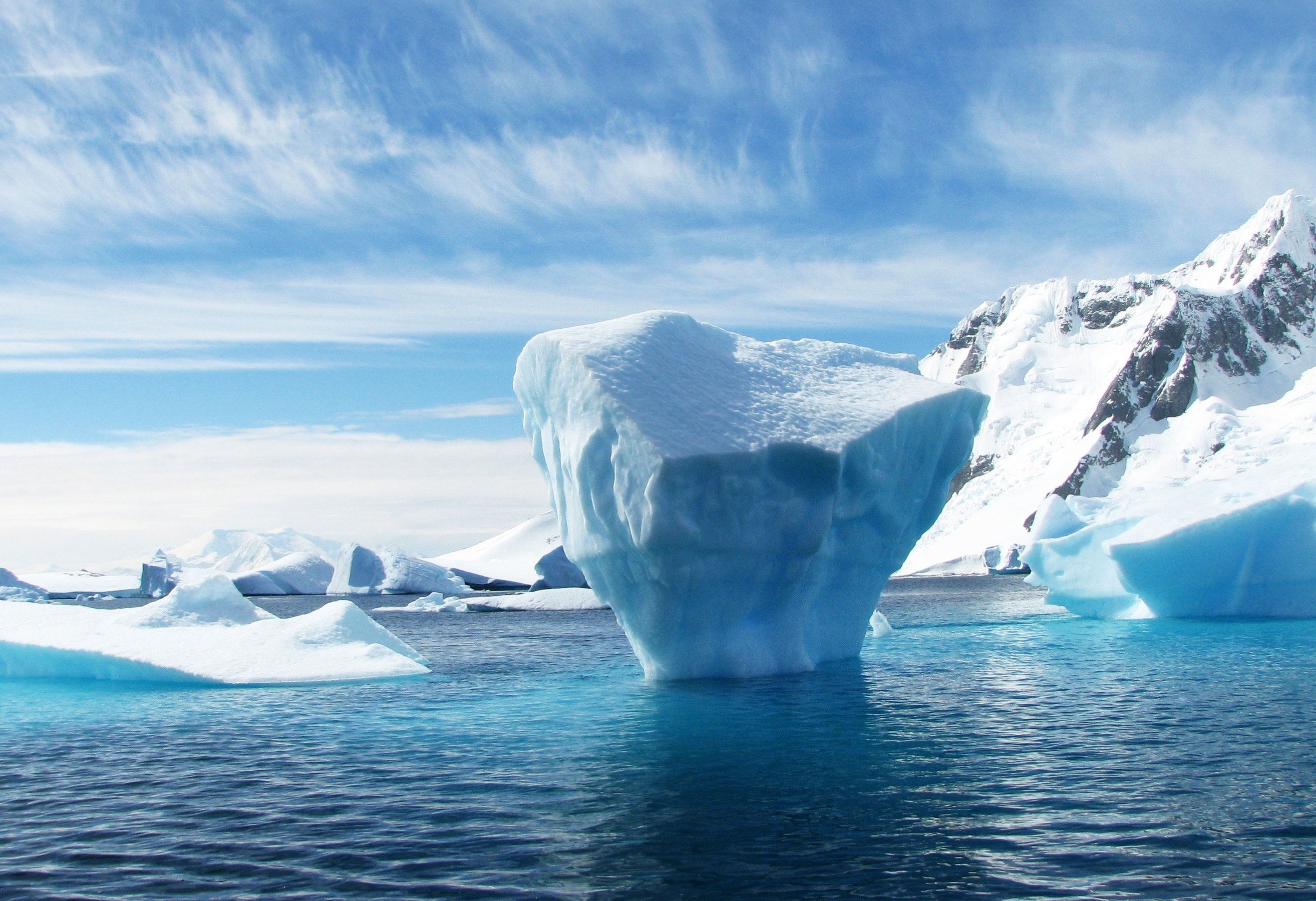
That’s a more difficult question. Scientists don’t know exactly when certain tipping points — like the collapse of the Greenland ice sheet or the release of greenhouse gases from thawing permafrost — will occur. It’s very hard to predict and model these types of catastrophic changes.
And 1.5C isn’t a magic threshold; it’s not as though as soon as we pass that number, Antarctic ice sheets will collapse and ocean circulations will grind to a halt. But one thing is certain: For every tenth of a degree of warming, tipping points are more likely. Two degrees is worse than 1.9 degrees, which is worse than 1.8 degrees, and so on.
And at each tenth of a degree, the infrastructure and systems that the world has built — electric grids, homes, livelihoods — will become more strained. Our modern world simply was not designed for temperatures this high. At some level, the final temperature of the planet isn’t what matters most. It’s where countries can actually get carbon emissions to zero — and stop contributing to future warming altogether.