Click the link to read the article on the Colorado Politics website (Thelma Grimes). Here’s an excerpt:
May 26, 2026
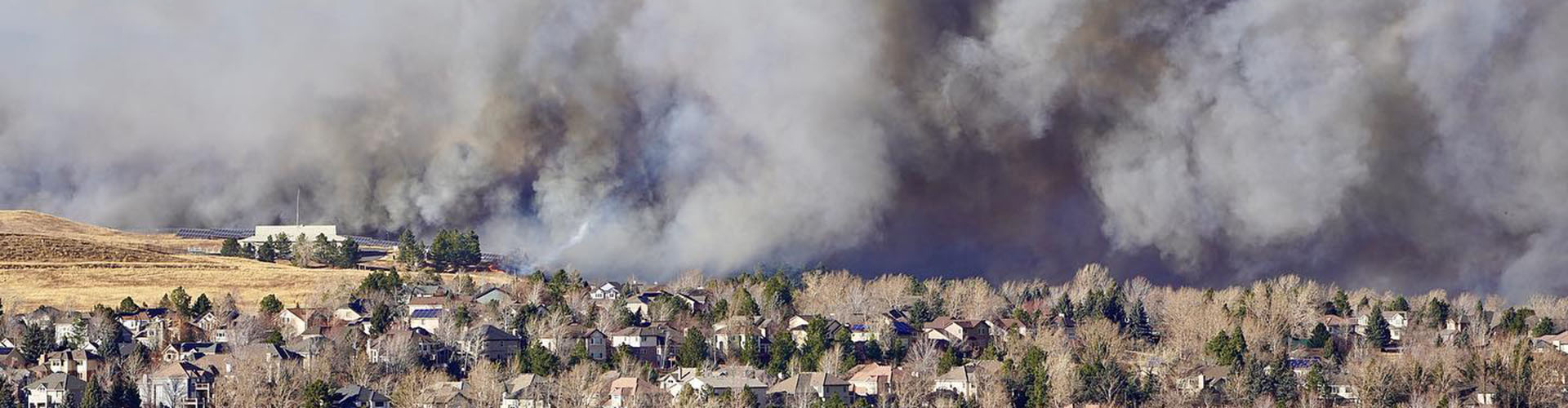
Specialists surveying Colorado’s forests know this year will be challenging. Snow melted too quickly, strong winds dried out the trees, and the early signs of danger are already settling across the landscape. Wildfire season is no longer confined to a few months — it’s a year‑round reality, they said…And this year, the risk is even higher. Snowpack peaked at just 58% of normal — and weeks earlier than usual. An unusually warm March accelerated the melt, and parched soils absorbed much of the runoff before it reached streams and reservoirs, leaving less water to flow downstream. While much of the public conversation focuses on drought, dry fuels, and wildfire danger, another worry runs deeper — what happens to the state’s water supply if a major fire strikes?
[…]
When a large fire burns, the flames strip hillsides of vegetation, said Weston Toll, a watershed program specialist for the Colorado Forest Service. Once rainstorms arrive, there’s nothing left to hold the soil in place.
“When we have a storm event, all the sediment that is now exposed typically runs downhill and … will fill up reservoirs, which is bad from a water quality and quantity standpoint,” Toll said…
A 2023 report by the U.S. Geological Survey echoes that warning.
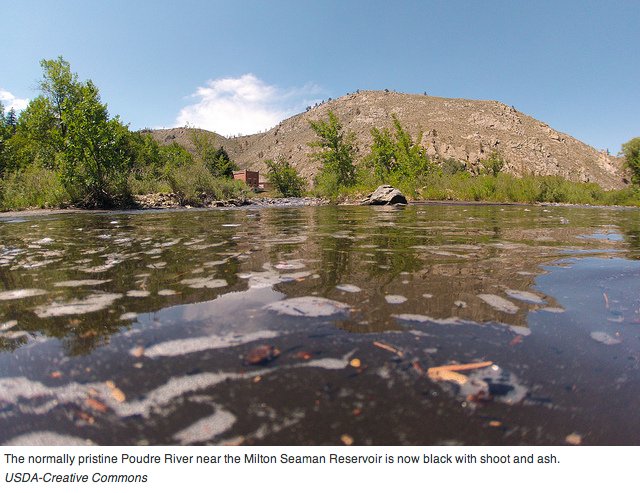
The agency found that wildfires pose a significant risk to water supplies by triggering severe flooding, erosion, and the delivery of sediment, nutrients, and metals into rivers, lakes, and reservoirs.
According to the USGS, these changes can degrade water quality, reduce reservoir storage, harm stream habitats, and drive up treatment costs for drinking‑water providers. The effects can vary widely — from barely noticeable shifts to 100‑fold increases in sediment, nutrients, and other contaminants. In the worst cases, experts said the water can resemble “chocolate milk.”