Click the link to read the article on the Alamosa Citizen website:
October 2, 2026
hat will do it for now when it comes to moisture for the Upper Rio Grande Basin.
The 2.3 inches of rain that fell in September, or 1.29 inches more than what’s normal for the month, felt like a godsend after a summer of intense heat, when fishermen were asked to leave their rods at home and bears wandered into the lower elevations seeking food and water.
Not to mention the odd spring that delivered a string of days that reached 80 degrees or higher in March and ruined the potatoes in storage.
No doubt 2026 has been warm, days and nights.
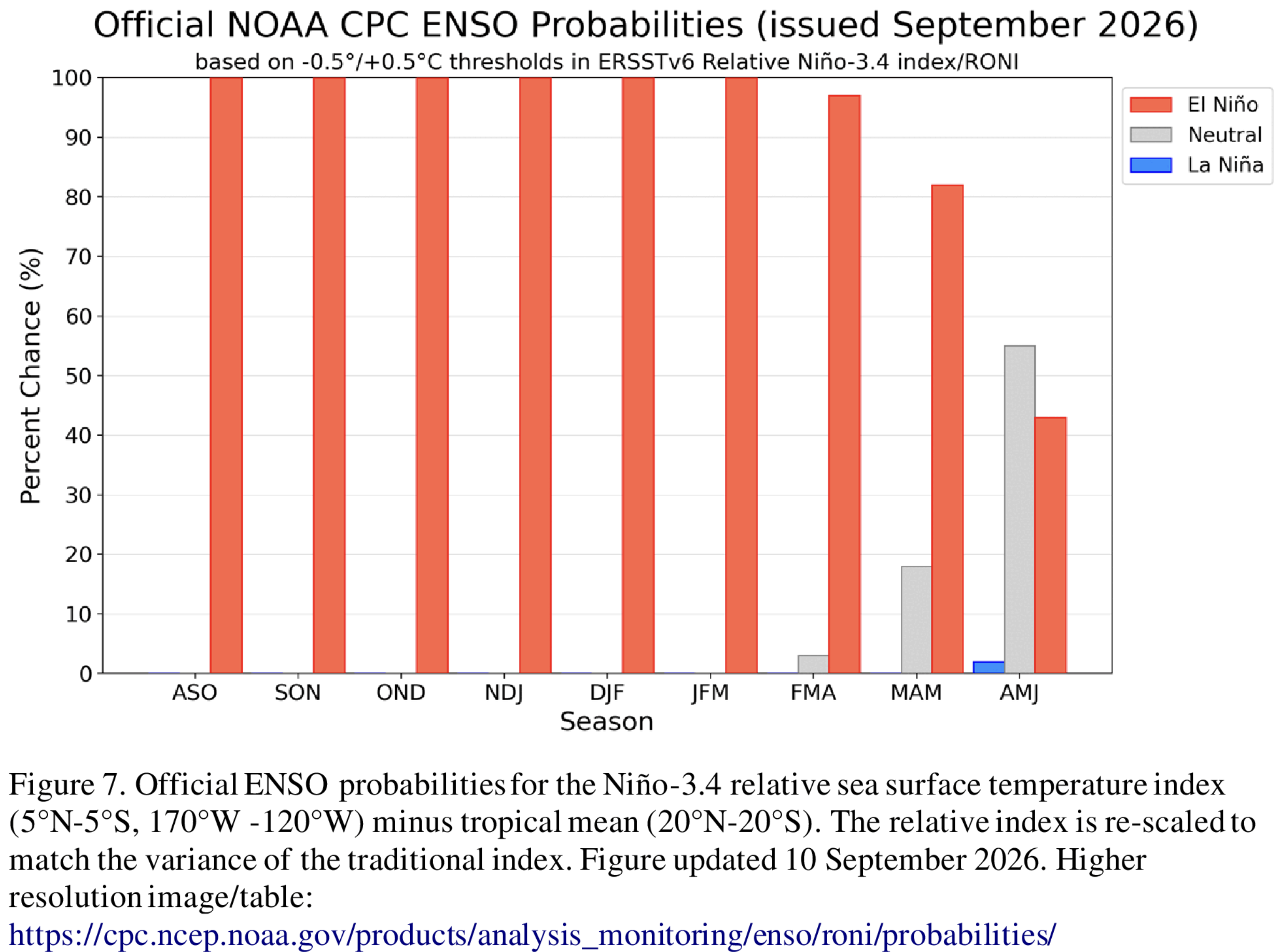
Now comes the test of the anticipated El Niño winter season, which is expected to peak in November and persist through February 2027. Winter doesn’t begin until Dec. 21, but for the Upper Rio Grande Basin it’s the snowpack from the San Juan Mountains that is vital, which translates into wanting to see a good amount of snow by Thanksgiving for the Wolf Creek area. Even better if Poncha Pass to the north and La Veta Pass to the east see the snow fly as well.
“If we don’t get an above normal, or at least normal snowpack this winter and subsequent runoff next spring, that will just exacerbate the dire condition that we are already in,” says Craig Cotten, San Luis Valley division engineer for the Colorado Division of Water Resources.
His office measures the water to determine Colorado’s obligations to neighboring New Mexico under the Rio Grande Compact.
From January through August, Colorado has delivered 67,000 acre-feet of water to the state line with New Mexico to meet its obligations under the shared three-state water agreement. Cotten says the state Division of Water Resources is anticipating that the September through December deliveries will be more than enough to meet Colorado’s obligation, and likely significantly exceed it.
“In a typical year, Colorado delivers around 80,000-90,000 acre-feet during the winter, non-irrigation season, so that is why we have not had any curtailment of ditches to provide specific compact deliveries,” he said.
It was mid-October a year ago when historic rains saved the Rio, a rare large precipitation event that dramatically increased the river flows, filled irrigation ditches, and helped ensure the planting fields went into winter wet and in good shape for spring.
Only it didn’t last because rain is no substitute for snow when it comes to the health of the Upper Rio Grande Basin.
Will El Niño deliver this year? Will late fall into the winter bring the needed freezing temperatures to sustain a long winter of snow pack?
If not, you don’t want to know what next spring and summer will mean.