
Click the link to read the article on the Aspen Journalism website (Heather Sackett):
September 4, 2024
Grand Valley water managers have a plan to nip a potential zebra mussel infestation in the bud, with one irrigation district beginning treatment of its water this fall.
Officials are hoping to secure federal funding to treat the water that irrigators and domestic water providers pull from the Colorado River with liquid ionic copper, which kills zebra mussels. Mesa County plans to ask for the money through the U.S. Bureau of Reclamation’s Bucket 2 Environmental Drought Mitigation program.
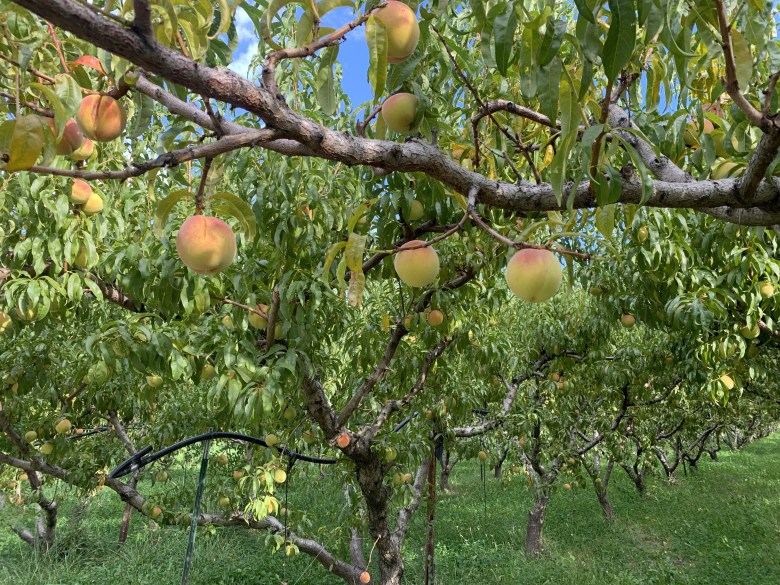
Microscopic zebra mussel larvae, known as veligers, were found this summer in the Government Highline Canal, a crucial piece of irrigation infrastructure for the Grand Valley’s agricultural producers. If these aquatic invasive species become established, it could be disastrous for the region’s farms, vineyards, orchards and Colorado’s famous Palisade peaches. The fast-reproducing mussels, which are native to Eastern Europe, can clog water infrastructure and are incredibly hard to eradicate once established.
“Our concern is for our smaller partners,” said Tina Bergonzini, general manager of Grand Valley Water Users Association. “Many of our commercial peach growers and vineyards use microdrip irrigation. It would take just absolutely nothing to pinch off those systems completely, and it would be catastrophic. … It could absolutely cripple agriculture from Palisade clear to Mack depending on the extent of the infestation.”
Mesa County plans to apply on behalf of the irrigation districts and water providers for more than $4 million in funding, which will come from the remaining $450 million of Inflation Reduction Act funding for projects in the Colorado River’s Upper Basin (Colorado, New Mexico, Utah and Wyoming). “B2E” funding, as it’s called, is intended for projects that provide environmental benefits or ecosystem restoration and must be awarded to public entities or tribes. Several irrigation districts and domestic water providers would take part in the copper treatments: GVWUA, Grand Valley Irrigation Company, Orchard Mesa Irrigation District, Palisade Irrigation District, Mesa County Irrigation District and Clifton Water.
“Mesa County recognizes the serious threat posed by the recent discovery of zebra mussels in the Colorado River and the Government Highline Canal,” Mesa County Commissioner Bobbie Daniel said in a written statement. “We understand the urgency of the zebra mussel situation, and that is why Mesa County is leading the charge in applying for federal funding to tackle this issue.”
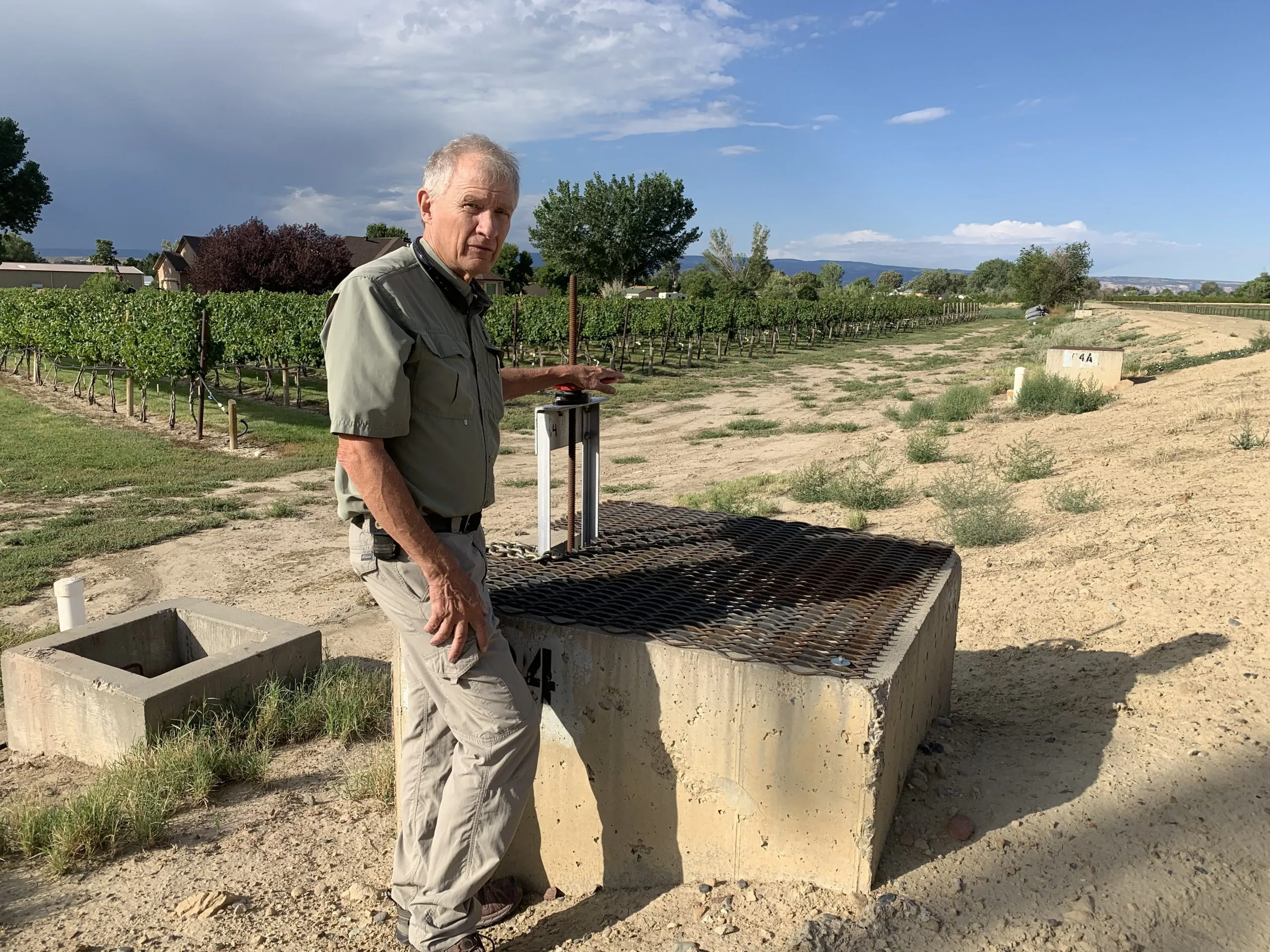
Palisade Irrigation District is not waiting for federal funding. It plans this fall to begin treating with copper the roughly 8 miles of the Price Ditch and its many laterals that irrigate about 5,000 acres of orchards, vineyards, alfalfa, cornfields and lawns. PID gets its water from the Government Highline Canal.
PID Superintendent Dan Crabtree saw the issues with quagga mussels, a relative of zebra mussels that causes similar problems, in Lake Powell on his yearly trips to the reservoir and knew mussels could someday become a problem for the Upper Basin too.
“It just seemed inevitable that we would get them up here somehow,” Crabtree said. “The Palisade Irrigation District actually started a line item in our budget for this very thing maybe four years ago, so we’ve got a little money set aside. Our system, I believe, is very susceptible to mussels because we are all pipes.”
Crabtree said PID plans to start the copper treatment in October, which will cost the district about $60,000.
Copper has been used by water providers in the Colorado River’s Lower Basin (Arizona, California and Nevada), including the Central Arizona Project, to kill invasive mussels that threaten infrastructure. Experts say the treatment doesn’t harm fish or crops.
