Click the link to read the article on the AZCentral website (Debra Utacia Krol). Here’s an excerpt:
June 7, 2026
Key Points
- Border wall construction is damaging or threatening sacred Indigenous, cultural, and environmentally sensitive sites in four states along the U.S.-Mexico border.
- The Department of Homeland Security has waived environmental and historic protection laws to expedite construction of a two-layered structure.
- Sites affected include a 1,000-year-old O’odham geoglyph in Arizona and Kuuchamaa, a sacred mountain to Kumeyaay tribes in California.
The recent destruction of a 1,000-year-old sacred O’odham geoglyph in the Cabeza Prieta National Wildlife Refuge is only the latest example of damage and desecration to religious, cultural and environmentally sensitive sites caused by construction of the border wall along the U.S.-Mexico border. At least one Catholic shrine, two mountains held sacred by Kumeyaay bands in California and Catholics on the New Mexico-Texas state line, and wetlands prized as life-giving water sources for wildlife and humans have all suffered damage or are in the work zone. The Las Playas Intaglio holds great cultural and historical importance to O’odham and other Indigenous peoples in the Southwest. The intaglio, or geoglyph, was created by scraping the top darker layer of earth from the desert floor, resulting in a 200-foot-long rendition of a fish with its nose pointing south. Some tribes say it served as a directional marker along a trail that led to the Gulf of California and its marine resources, including salt deposits…
The Department of Homeland Security is filling in the gaps in the border wall not completed during President Donald Trump’s first term. The agency is also building a second wall parallel to the first in areas deemed to be at higher risk of smuggling and human trafficking. The Trump administration has moved to waive environmental and historic protection laws and regulations in its rush to build the walls. In April 2025, the Department of Homeland Security issued waivers to expedite construction in Arizona and New Mexico, based on a 2005 law that gave the agency the authority to waive laws to expedite barriers and roads at the U.S. border…The agency has also ignored directives such as sites being included in the National Register of Historic Places, the United States’ official list of historic and archaeological resources deemed worthy of protection…
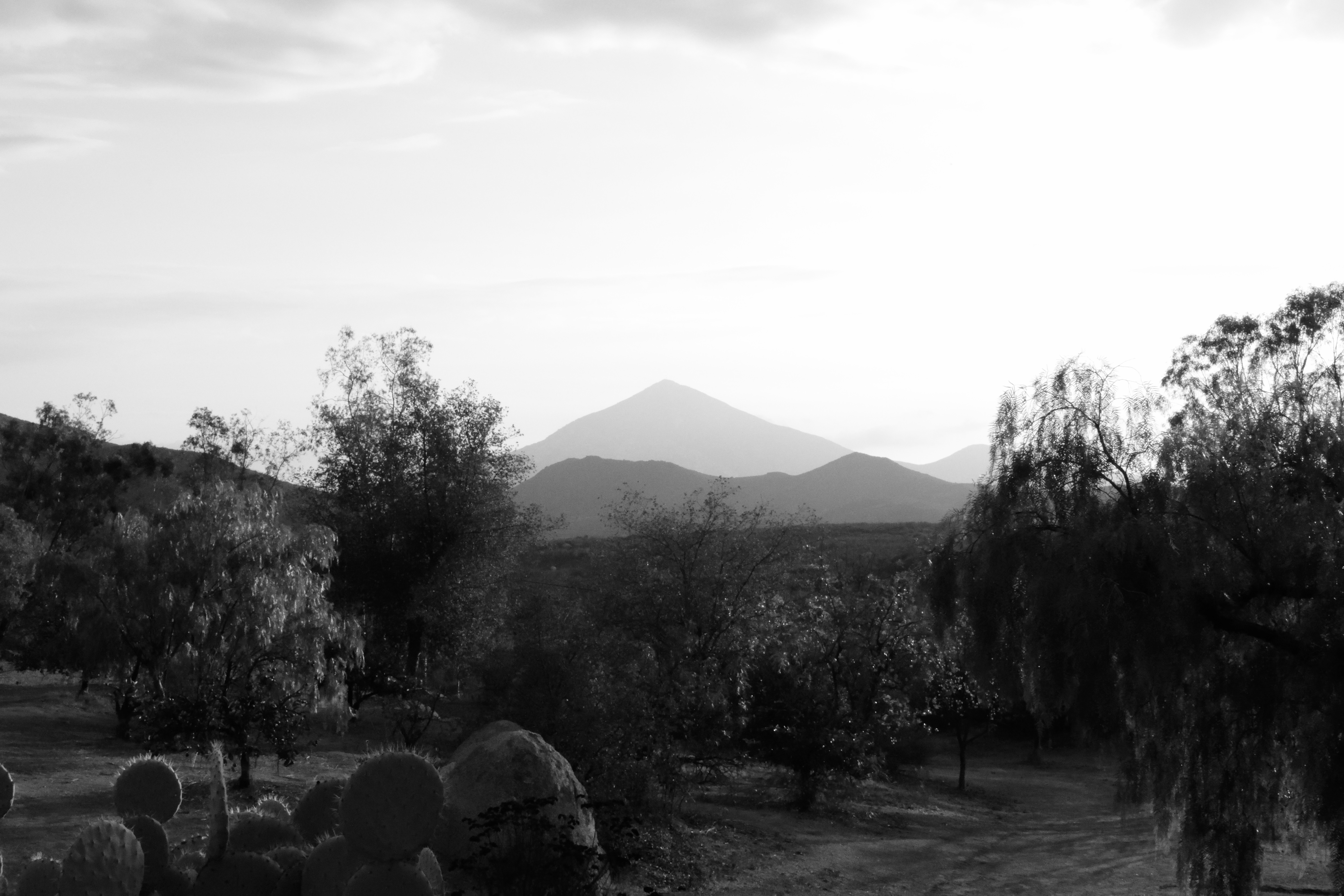
Members of the 16 Kumeyaay tribal communities in Southern California and Baja California sounded alarms when the government began blasting chunks off Kuuchamaa, also known as Mount Cuchuma or Tecate Peak. The 3,885-foot-high mountain straddles the U.S.-Mexico border and is about 4 miles west of Tecate, Baja California. Kumeyaay people consider Kuuchamaa their most sacred mountain. According to the Kumeyaay Diegueño Land Conservancy, a nonprofit founded in 2005 to protect areas important to the Kumeyaay peoples, the peak is the namesake of a powerful Kuseyaay, or religious leader…Like other cultural and sacred places, the government has waived environmental laws and disregarded Kuuchamaa’s listing in the National Register of Historic Places. The 1992 listing, which Bergueno said was led by her elders, was the first-ever Native religious site to be listed…
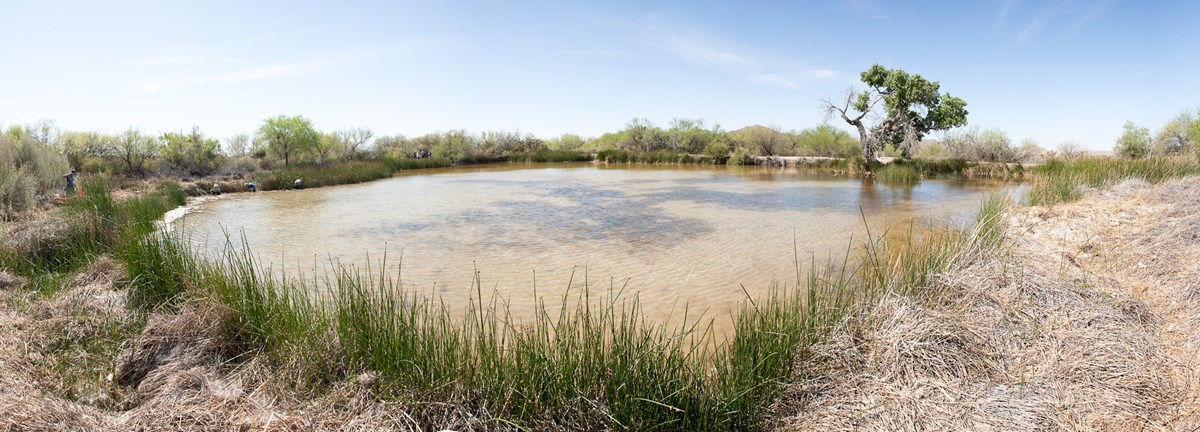
Quitobaquito Springs was heavily damaged as the first border wall was built in 2020. At least two endangered species, the Sonoyta pupfish and Sonoyta mud turtles, are endemic to the springs and found nowhere else on the planet. Their survival was on the line as construction crews pumped water and damaged wetlands. The spring is also a lifeline for other wildlife in one of the hottest, driest parts of the Sonoran Desert. Biologists and environmentalists are already mapping strategies to rescue Sonoyta mud turtles from the pond should CBP damage it again. A small population of the Sonoyta pupfish was brought to a new desert stream habitat at Biosphere 2 in October 2025 to provide a backup to the critically endangered species.