Click the link to read the article on The Denver Post website (Elise Schmelzer). Here’s an excerpt:
June 7, 2026
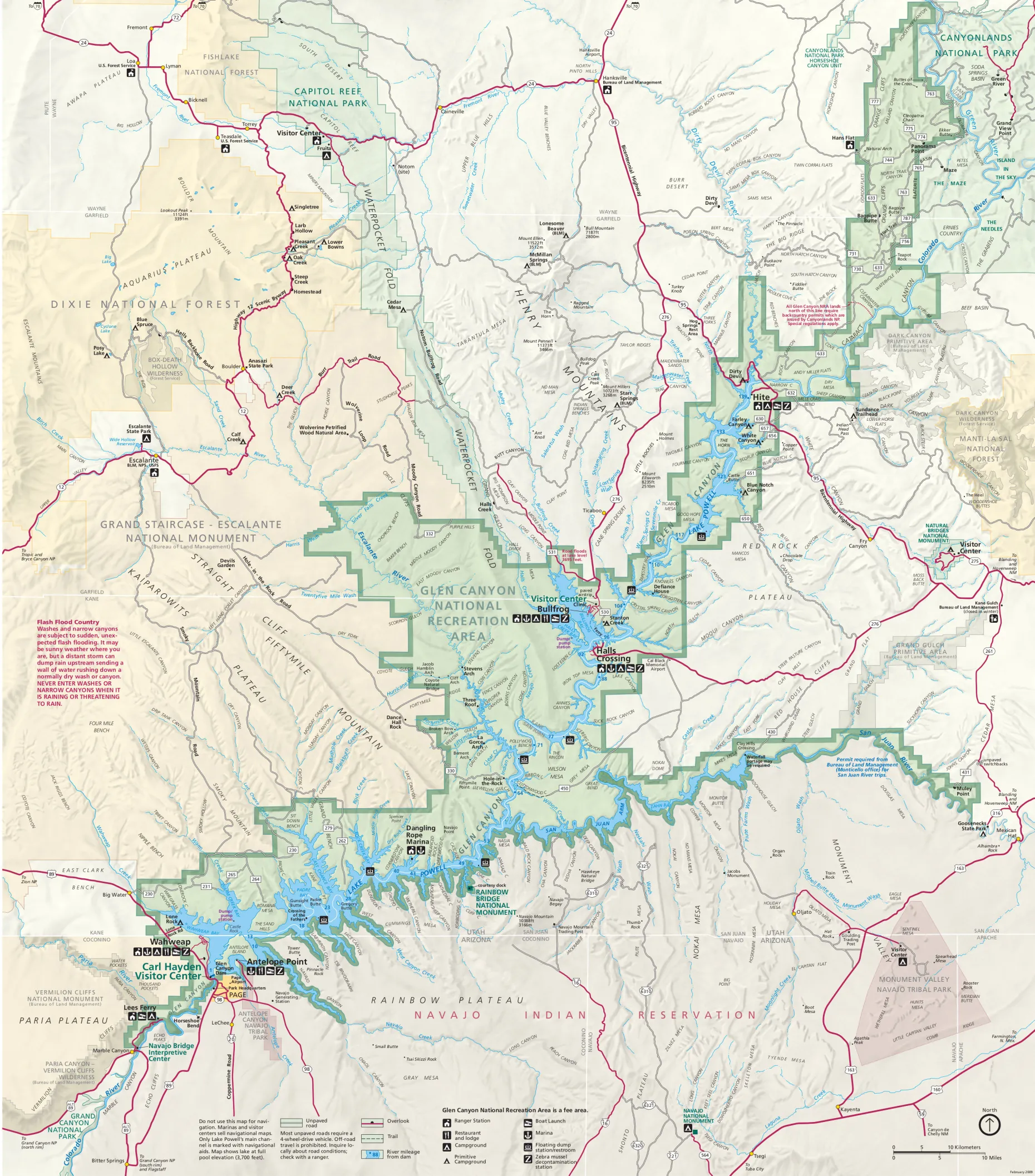
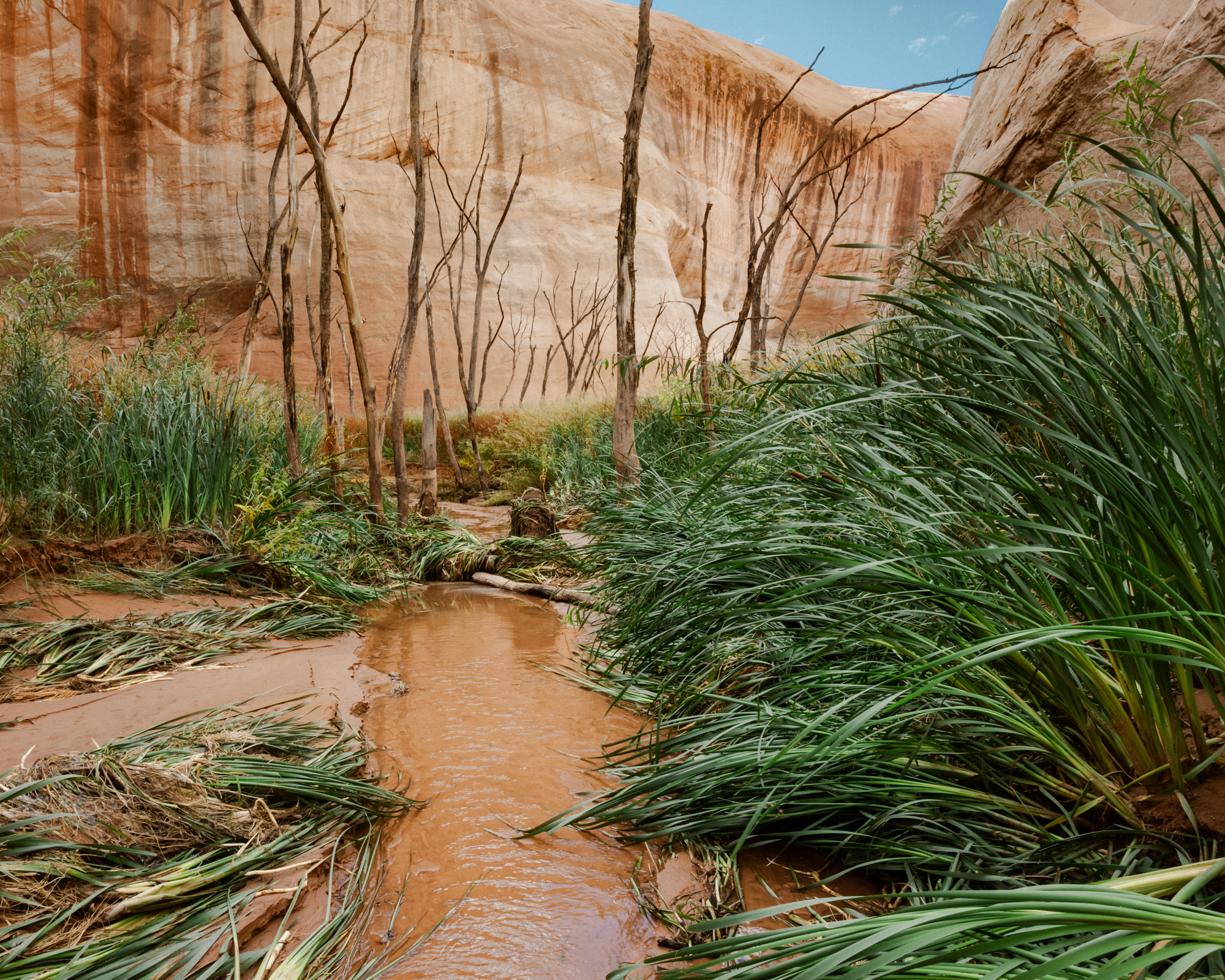
The tops of trees, dead since Lake Powell’s levels rose decades ago, poked through mud and ooze at the silent mouth of Davis Gulch, where the side canyon met the reservoir’s still waters. But just around a few bends in the sandstone walls, life began to appear. First, a fuzz of inch-tall greenery. Then, knee-high cattails and primrose, followed shortly by small cottonwoods and willows, then by towering gambel oaks. The silence of the canyon mouth was replaced by the soft rush of a creek, bird songs, and the constant cacophony of dragonflies and gnats. Scattered throughout the canyon, an ecologist, bug scientists, birders and advocates for Glen Canyon were working to document the ecosystems emerging as Lake Powell’s water levels have dropped after decades of drought and water overuse.
“Hiking the side canyons is like going through ecological time travel,” said Eric Balken, the executive director of the Glen Canyon Institute, a nonprofit dedicated to restoring the canyons inundated by Lake Powell, as he hiked up Davis Gulch…
The falling water levels have also steadily revealed long-submerged canyonlands: red slot canyons, sandstone amphitheaters, waterfalls that tumble over slickrock cliffs. The reemerging landscapes provide a new opportunity to study life in Glen Canyon, which sits just upstream of the iconic Grand Canyon. Little scientific work was completed in Glen Canyon before the federal government flooded it — an event seen by environmentalists then, and now, as an unmitigated ecological disaster, a paradise lost…But for a new generation of advocates, regaining paradise seems possible as the reservoir’s shorelines recede, bringing more than 100,000 acres of rugged terrain out of the water. The Glen Canyon Institute and canyon activists for years have argued that Lake Powell should be drained and the Colorado River allowed to again flow freely through Glen Canyon. Now, their argument is also bolstered by the fact that Lake Powell is emptying — whether Colorado River managers like it or not. For those advocates, recent years have provided a rare chance to study life in the emerging canyonlands and to make their case to basin leaders who are contemplating the long-term future of Colorado River management…