
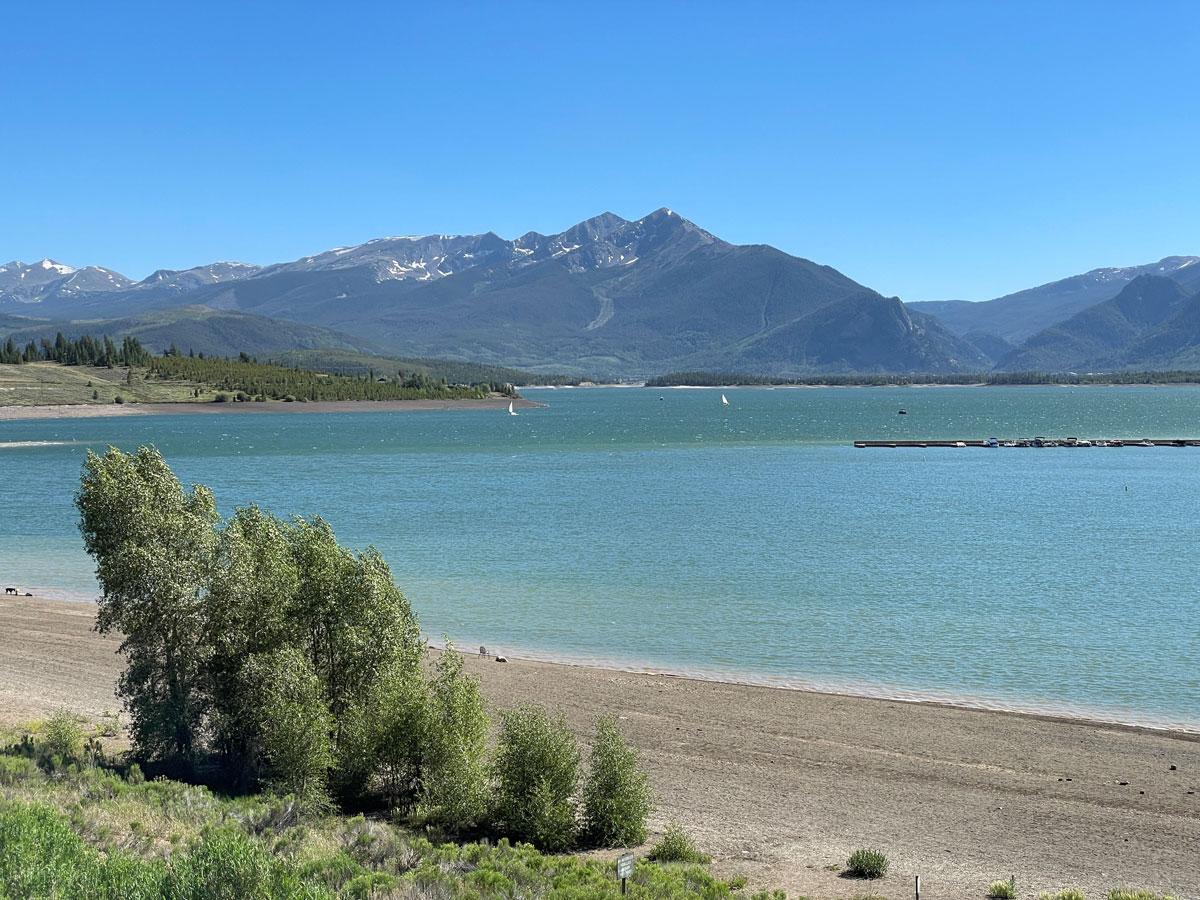
Click the link to read the article on the The Aspen Times website (Ryan Spencer). Here’s an excerpt:
June 21, 2026
Summer is off to a hot start in the Colorado mountains as soaring temperatures, a lack of precipitation and wind are worsening already severe drought conditions and exacerbating wildfire concerns. Across most of the mountain region, June has featured near-record temperatures and little — if any — precipitation, according to Colorado State Climatologist Russ Schumacher. One weather station in Dillon with 130 years of temperature data recorded the second-hottest first half of June ever, and just 1/100th of an inch of rain so far this month.
“On the one hand, June tends to be the driest month on the Western Slope before the monsoon season starts, but the average is not zero — we usually get some rain in June,” Schumacher said. “It’s been warm and dry up to this point in the month, and at least for the next several days to a week, it looks like that is going to continue.”
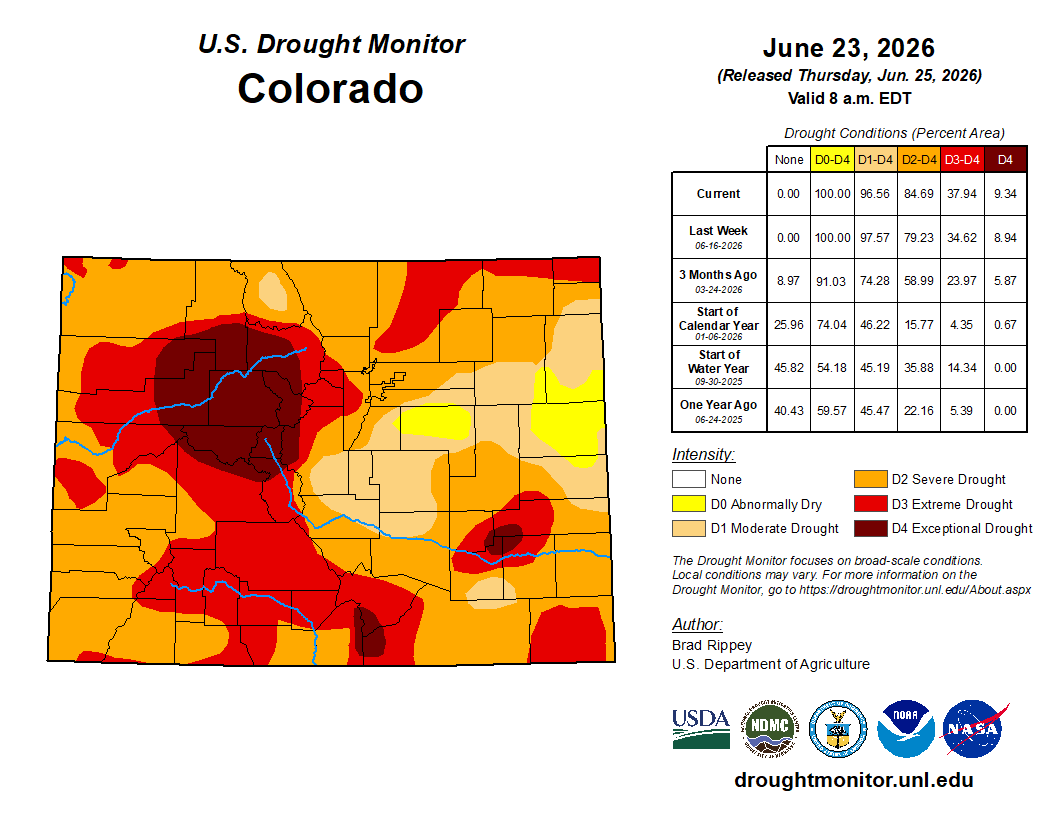
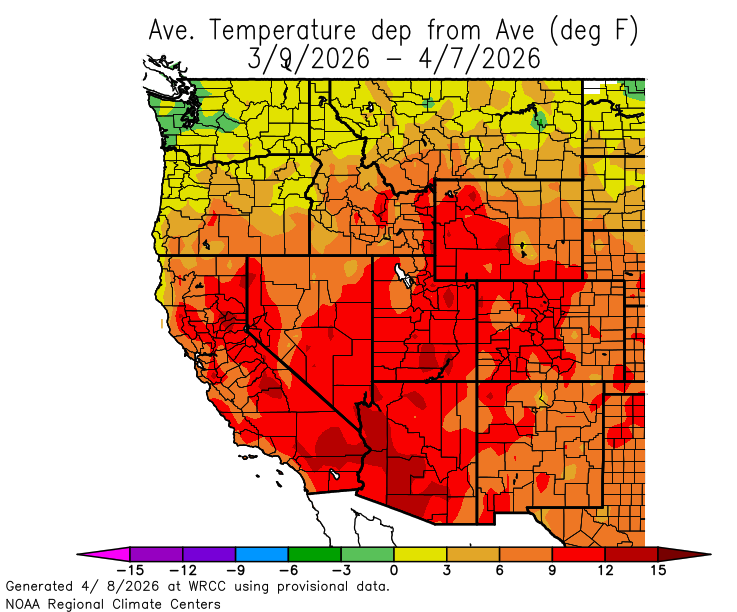
Colorado is facing widespread and severe drought conditions after experiencing the worst snowpack on record this past winter. The winter was also the hottest in the state’s history, with a March heatwave that brought summerlike warmth to the mountains and rapidly melted the snowpack.
After the exceptionally hot and dry winter, May offered temperatures and precipitation levels that were closer to normal for most parts of the mountains. Some parts of northwestern Colorado saw above-average precipitation, offering a slight reduction in the drought conditions…Still, exceptional drought — the highest level — continues to impact vast swathes of Summit, Grand, Eagle, Pitkin, Garfield, Rio Blanco and Moffat counties, according to the U.S. Drought Monitor report published Thursday, June 18. Schumacher noted that the drought conditions on the Western Slope didn’t begin this past winter but carried over from last summer, when above-average temperatures and dry weather also dominated. He said the hot weather that Colorado has seen is a symptom of climate change and the amount of heat-trapping gases, like carbon dioxide, that humans have pumped into the atmosphere by burning fossil fuels.