
Click the link to read the article on The Land Desk website (Jonathan P. Thompson):
January 10, 2024
Perhaps you’ve seen the latest viral Facebook meme about the ungodly amount of mined material needed to manufacture an electric vehicle. If not, you’ve probably seen one like it, maybe bashing EVs, maybe solar panels or wind turbines or some other clean energy technology (often accompanied by a gory image of a purported lithium mine). The implication is always the same: That “green” technology you’re so fired up about isn’t green at all — in fact, it’s destroying the earth.
Normally I wouldn’t give these things a second thought. After all, they are memes, which by their very nature are simplistic and aimed at triggering the most primal emotional response, usually some flavor of fear.
But this particular one — an inventory of the many tons of ore that must be mined to produce the materials in a Tesla model Y battery — has been especially infectious, it seems, and has made its way onto many of my social media pals’ feeds. Some of my friends have used it to argue against purchasing an EV, others have rightly questioned its veracity, while still others have posted counter-memes debunking it.
Since the Land Desk covers lithium mining and other impacts of the clean energy transition, I figured I’d use this meme — circulated by someone named Jackie — as an opportunity to add some context. That’s because, regardless of whether the meme is accurate or not, it does bring up an important question: Are electric vehicles merely an instance of problem shifting, or transferring the equivalent environmental impacts from one technology to another?
The post in question, let’s call it Jackie’s Meme, claims that 250 tons of earth must be moved to obtain the lithium, nickel, manganese, and cobalt in a typical EV battery, and a Caterpillar 994A used for this purpose would burn about 264 gallons of diesel in 12 hours, offsetting the carbon emissions reductions you’d get from driving the car.
These are certainly eye-opening numbers, even if they are a bit off (I came up with a figure of 69 tons of material moved, not 250, but more on that later). But they are also irrelevant in isolation, since the only thing we can conclude is that manufacturing an EV requires mining, just like mining was required to produce the laptop I’m writing this on, the desk it’s sitting atop, and the data center responsible for delivering the information to you. In other words, building an EV has an impact on the environment, maybe even a big one.
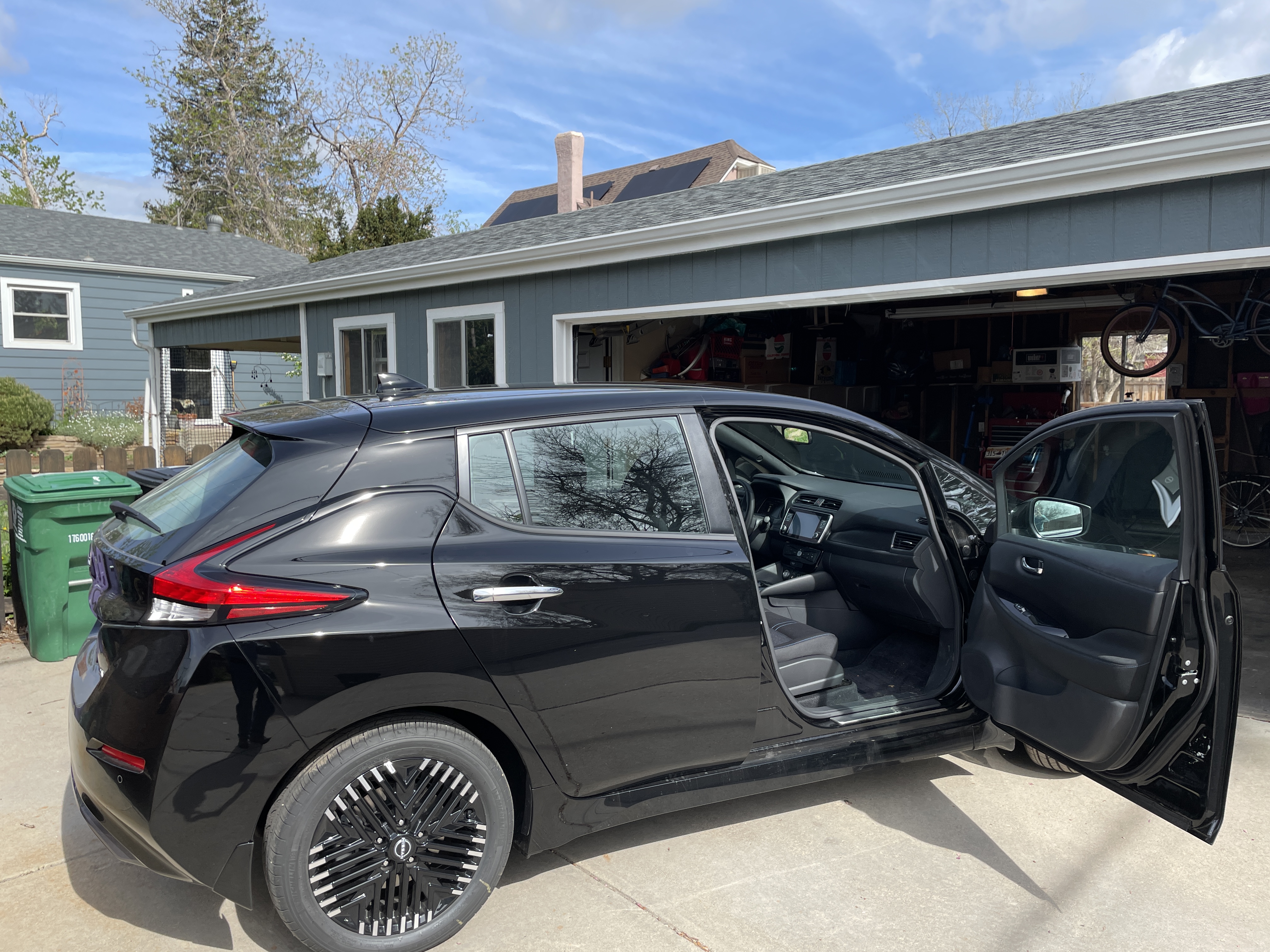
But you don’t buy an EV because it’s good for the environment. You buy it because it’s less bad for the environment than a conventional vehicle (and for other reasons, such as performance, fuel savings, and so forth). Without including a comparison of how much material and mining is needed for a conventional vehicle vs. an electric one, the meme is useless, meant only to scare people away from doing anything.
And that may have been the intent. But another reason for the omission is that accurate apples to apples comparisons of the total amount of mined material needed for an average ICE vehicle vs. an average EV are hard to find. That said, we do know that EVs generally are heavier than their gas-powered counterparts due to the large, dense batteries (although they have far fewer moving parts). And we do know that EVs require far more of certain minerals, such as lithium, cobalt, nickel, and copper.
This IEA graphic is a good one for those particular minerals:
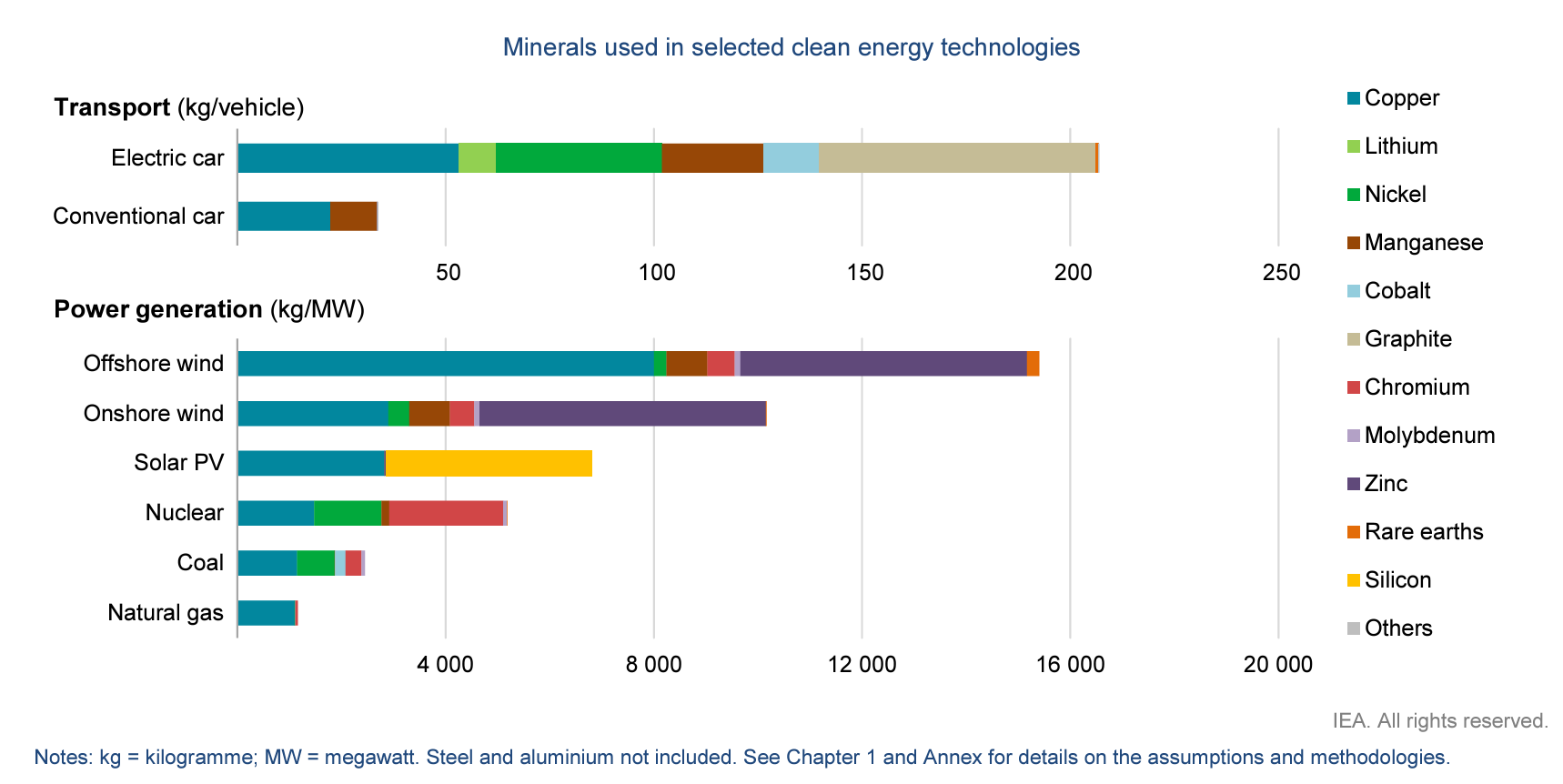
Manufacturing an electric vehicle, then, requires about six times as much of the listed materials as a conventional car. I suspect this disparity might shrink somewhat if steel (iron), aluminum, and molybdenum were also included, but it wouldn’t change the basic fact: EVs are more mineral intensive than ICE cars.
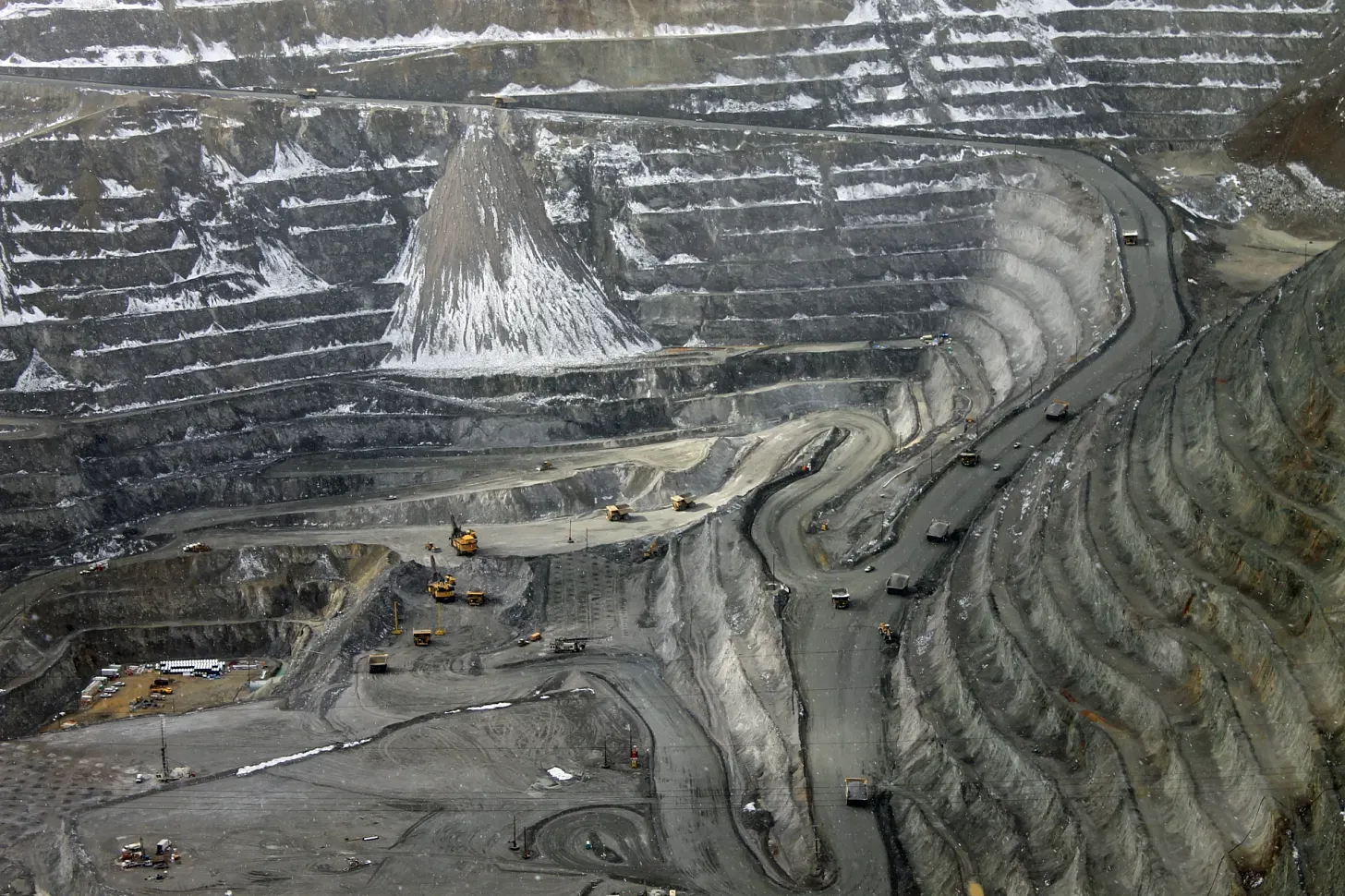
And whether the mineral is steel or nickel, cobalt or platinum, extracting it requires moving, hauling, milling, and smelting huge amounts of rock to get a relatively minuscule amount of target mineral. That’s why the Bingham Copper Mine near Salt Lake City is 2.5 miles wide and nearly 4,000 feet deep. And the more rock and ore you mine, the larger the volume of waste, or tailings and waste rock and, generally speaking, the greater the environmental impact1. Here’s a great graphic showing the ratio of total material moved to ore mined to commodity produced:

Jackie apparently used this sort of math to get to the 250-tons figure. I think she’s off: using the IEA figures and the above graphic, I find that an EV would actually require moving about 69 tons of earth. But when you’re talking dozens of tons, it doesn’t really matter that much. Jackie’s point still stands: You’ve gotta mine a lot of stuff to make an EV.
So, go ahead, buy that gasoline guzzler and feel good about it. You’re doing the planet a favor!
Just kidding.
Sure, maybe when they come out the factory door, a new EV has a larger environmental footprint than its gasoline-powered counterpart. But once you start driving the things, the gasoline car’s impact grows at a much faster rate than the EV’s because of, well, gasoline.
Let’s say you live in New Mexico, and drive your car about 14,400 miles per year (the average for the state per registered vehicle), and you have an average car that gets about 22 miles per gallon. You’ll burn through 654 gallons of gasoline and your tailpipe will spew out about 6.4 tons of climate-warming carbon dioxide each year, along with a nasty cocktail of health-harming and smog-forming pollutants such as sulfur dioxide, carbon monoxide, nitrogen oxides, benzene, and particulates.
That’s on top of the impacts of drilling for the oil from which the gasoline is derived. Drilling and hydraulic fracturing a single well can use 10 million gallons or more of fresh water. The 1,300 gallons of crude oil needed to produce your car’s annual gasoline use will be accompanied by as much as 7,800 gallons of briney, contaminated wastewater that must be disposed of — often in deep injection wells that can trigger earthquakes. Planet-warming methane, along with harmful volatile organic compounds, can spew from oil wells, pipelines, and refineries. Pipelines rupture regularly, spilling wastewater, oil, or diesel — sometimes they even explode. And petroleum refineries are major pollution sources as well.
Electric vehicles don’t have tailpipes, so you’re not polluting the neighborhood by driving one around2. Yes, electric vehicles must be charged, and yes, some of that electricity is likely to be generated by burning fossil fuels, which requires extraction and creates pollution and other environmental impacts. But EVs generally are more efficient than gasoline powered cars, especially the gargantuan SUVs Americans are so enamored with, so even if you charge on a natural gas-generation-dominated grid you’re likely emitting less carbon per mile. Study after cradle-to-grave study has found that EVs have lower emissions over their lifecycle than their gasoline-powered counterparts, even when battery production3 and raw material mining is accounted for.
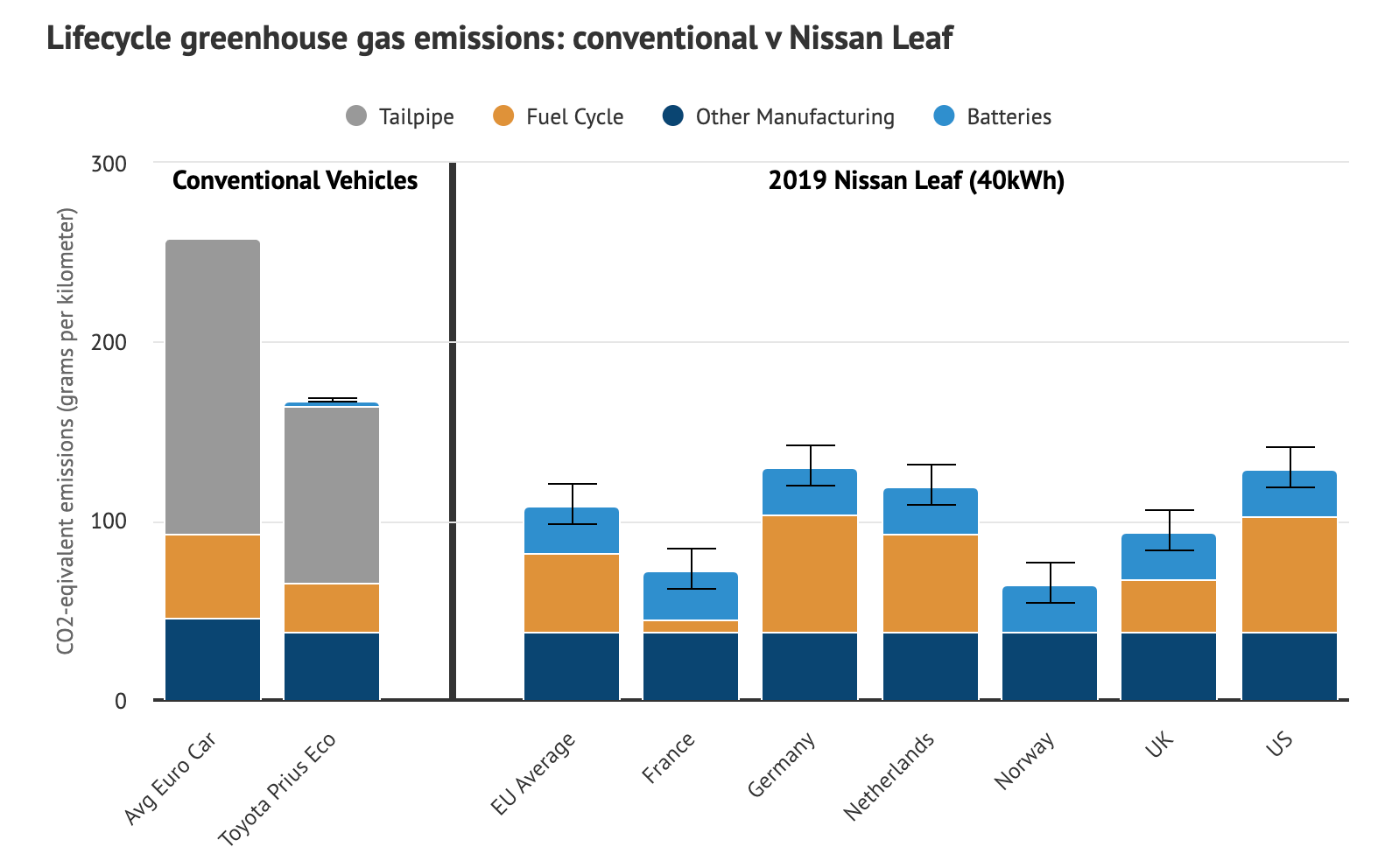
EVs’ environmental advantages will continue to build as the electricity grid is further decarbonized and fossil fuel generation is displaced by solar, wind, geothermal, small hydropower, and nuclear. Large-scale battery recycling efforts are ramping up, which will reduce the amount of mining needed to build the things, and battery technology is advancing: They are becoming more energy dense and new lithium-, cobalt-, and nickel-free batteries are being developed. Researchers and startups are working to extract lithium from geothermal brine, allowing them to generate electricity and produce battery materials in one shot. And some hardrock mining operations are electrifying their haul trucks and other equipment and building solar arrays to power operations.
The upshot: If you need to purchase a new vehicle, and you’re trying to choose between an electric one or a gasoline-powered one, the EV probably would be a better choice for the environment over the long haul — regardless of the scare-memes.
Still, even that meme serves a purpose: It reminds us that we won’t get out of this mess by producing and consuming more stuff, no matter how “green” it may be. [ed. emphasis mine] Simply clogging up the roads with electric vehicles, blanketing the deserts with solar panels, building new dams, or filling our homes with “sustainable” goods won’t solve the problems created in the first place by overconsumption and waste. Economic and cultural systems must be overhauled or even overthrown. And the incessant hunger for more, more, more must be tempered at last.