#Drought news January 18, 2024: The lack of seasonal snow cover has led to degradations across parts of the High Plains along the Front Range, due to topsoils being exposed and drying out

Click on a thumbnail graphic to view a gallery of drought data from the US Drought Monitor website.

Click the link to go to the US Drought Monitor website. Here’s an excerpt:

This Week’s Drought Summary

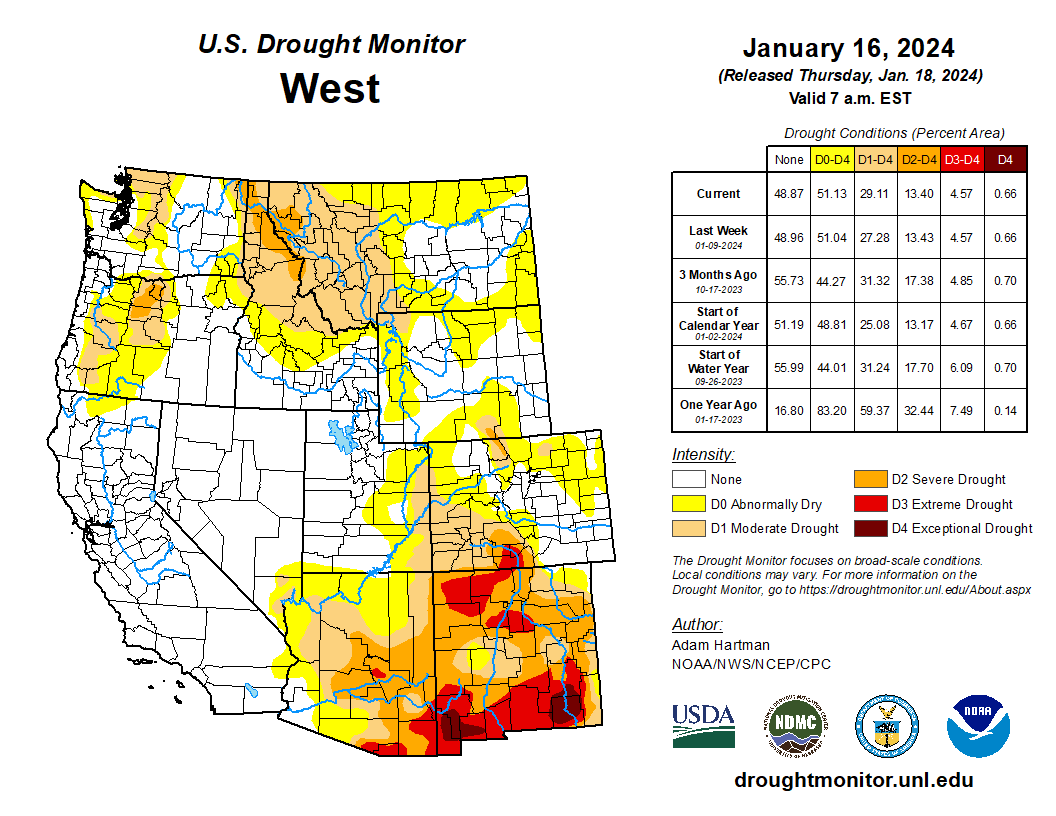
It was another stormy week across much of the eastern lower 48 states leading to widespread drought improvements from the Mississippi River Valley eastward to the Appalachians. A powerful storm system early in the week (January 9-10) brought heavy rainfall to parts of the eastern U.S., with most locations from Georgia to New England picking up more than 2 inches of precipitation, leading to flooding for several locations. In some locations across the Mid-Atlantic and interior Northeast, flooding was exacerbated by melting snow left over from a winter storm hitting the region the previous weekend (January 6-7). Behind the powerful storm system early this week, cold air plunged southward from Canada across the northern tier states, gradually spreading southward and eastward and overtaking most of the country east of the Rockies by the end of the week (January 16). Toward the end of the week, another storm system dropped wintry precipitation in a swath stretching from the Ozarks eastward to the Mid-Atlantic and Northeast. Across the western lower 48 states, precipitation was above average for the week, leading to targeted improvements to drought areas across the Intermountain West, where snowpack continues to build for several locations. Unfortunately, weekly precipitation and seasonal snowpack remain below normal this week across the Southwest and northern Rockies, leading to some degradation of drought conditions. No changes are warranted in Alaska this week, as the snowpack is in good shape statewide. Hawaii received more heavy rainfall this week, predominantly from a Kona Low early on, leading to improvement. Conversely, another warm and dry week in Puerto Rico warranted another round of degradation…

High Plains

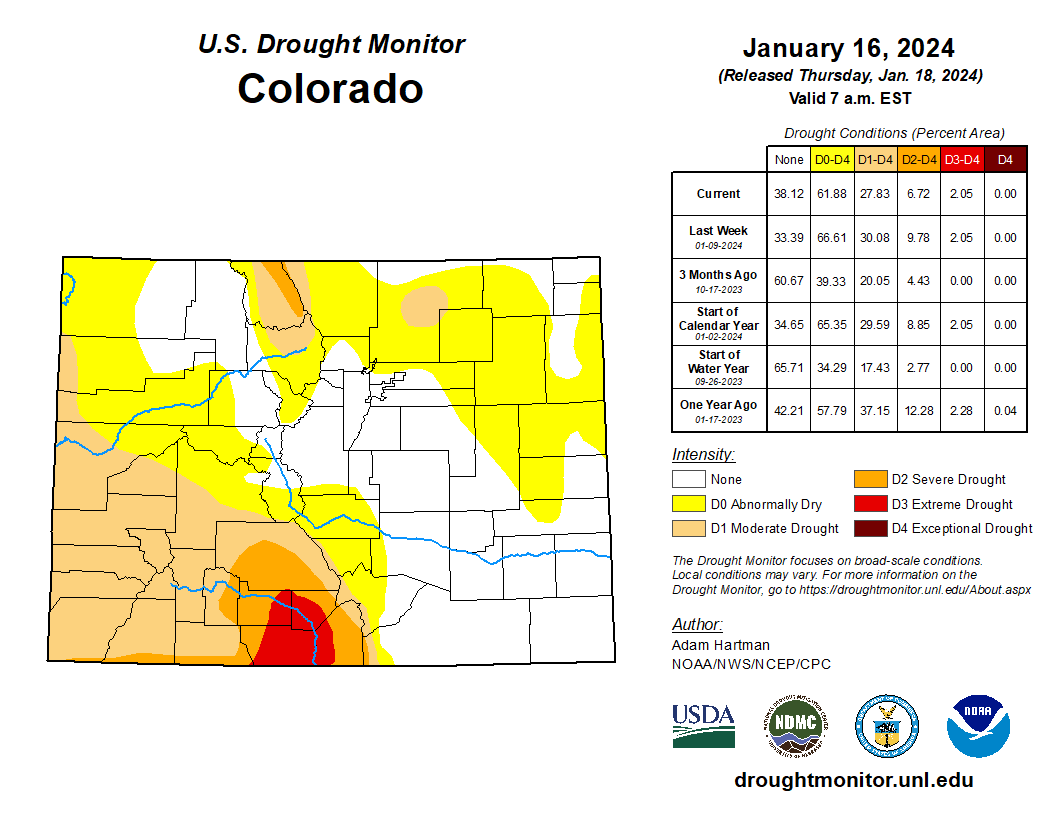
Storminess in recent weeks and frigid temperatures this week warrant no changes across much of the Central and Northern Plains. However, there are mixed improvements (Colorado Plateau) and degradations (High Plains along the Front Range) warranted this week. Improvements to snowpack and short-term precipitation deficits this week warrant the improvements across the Colorado Plateau. Conversely, the lack of seasonal snow cover has led to degradations across parts of the High Plains along the Front Range, due to topsoils being exposed and drying out…
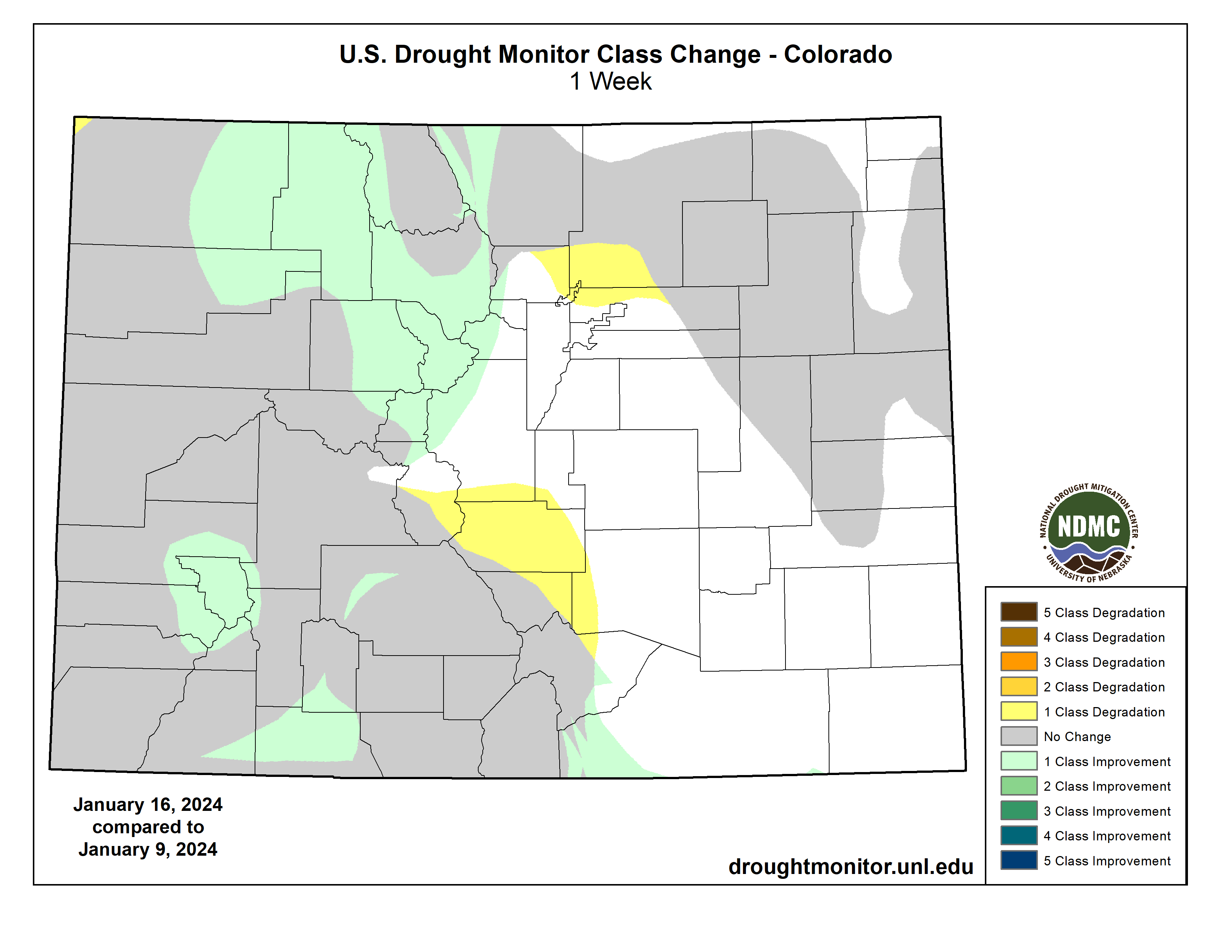
Colorado Drought Monitor one week change map ending January 16, 2024.

West

Some degradation of drought conditions is warranted where below average precipitation was observed this week. This is especially the case across western portions of Montana, where below average seasonal snow cover has left soils predominantly exposed, resulting in a slow decline in soil moisture over the past couple of months. On the other hand, targeted improvements are warranted across parts of the Pacific Northwest and eastern Great Basin, where 7-day precipitation totals and storminess in recent weeks have improved some of the long-term drought indicators. The active storm track in recent weeks has also led to gradual improvements to seasonal snowpack for several locations across the higher elevations of the Pacific Northwest, Great Basin, and portions of the Colorado Plateau…

South

Much of the precipitation this week fell across portions of the Ozarks and Tennessee Valley, associated with a couple of storm systems leading up to the start of the weekend (January 13), with many locations receiving in excess of 1 inch of rainfall. Toward the end of the week (January 15-16), a winter storm dropped several inches of snowfall across many of these same locations. Given the wetter than average conditions last week and another round of above average precipitation again this week, widespread improvement to drought conditions are warranted across portions of Arkansas and Tennessee. In parts of southern Texas, some degradation to the drought depiction is warranted, where short-term precipitation deficits are starting to mount. No changes are warranted elsewhere across the region due to above average precipitation last week and cold temperatures spreading across the region this week…

Looking Ahead

During the next five days (January 18-22), a fast moving storm system could bring some snowfall to portions of the Great Plains, Midwest, and Mid-Atlantic January 18-20. Surface high pressure behind this system is expected to gradually bring more southerly flow across much of the eastern U.S. as it moves eastward, leading to a moderation of the bitterly cold temperatures east of the Rockies, and some storminess across the south-central U.S., by January 22. A series of storms is also forecast to impact the West Coast over the next five days.

The Climate Prediction Center’s 6-10 day outlook (valid January 22-26), favors enhanced chances of above average temperatures across the entirety of the lower 48 states, with the highest chances (greater the 80%) centered over the Great Lakes. Enhanced chances of above average precipitation is also favored across much of the lower 48 states from coast to coast, with the highest chances (greater than 70%) across the south-central U.S. The exception is across the Northern Plains, where below average precipitation is favored.
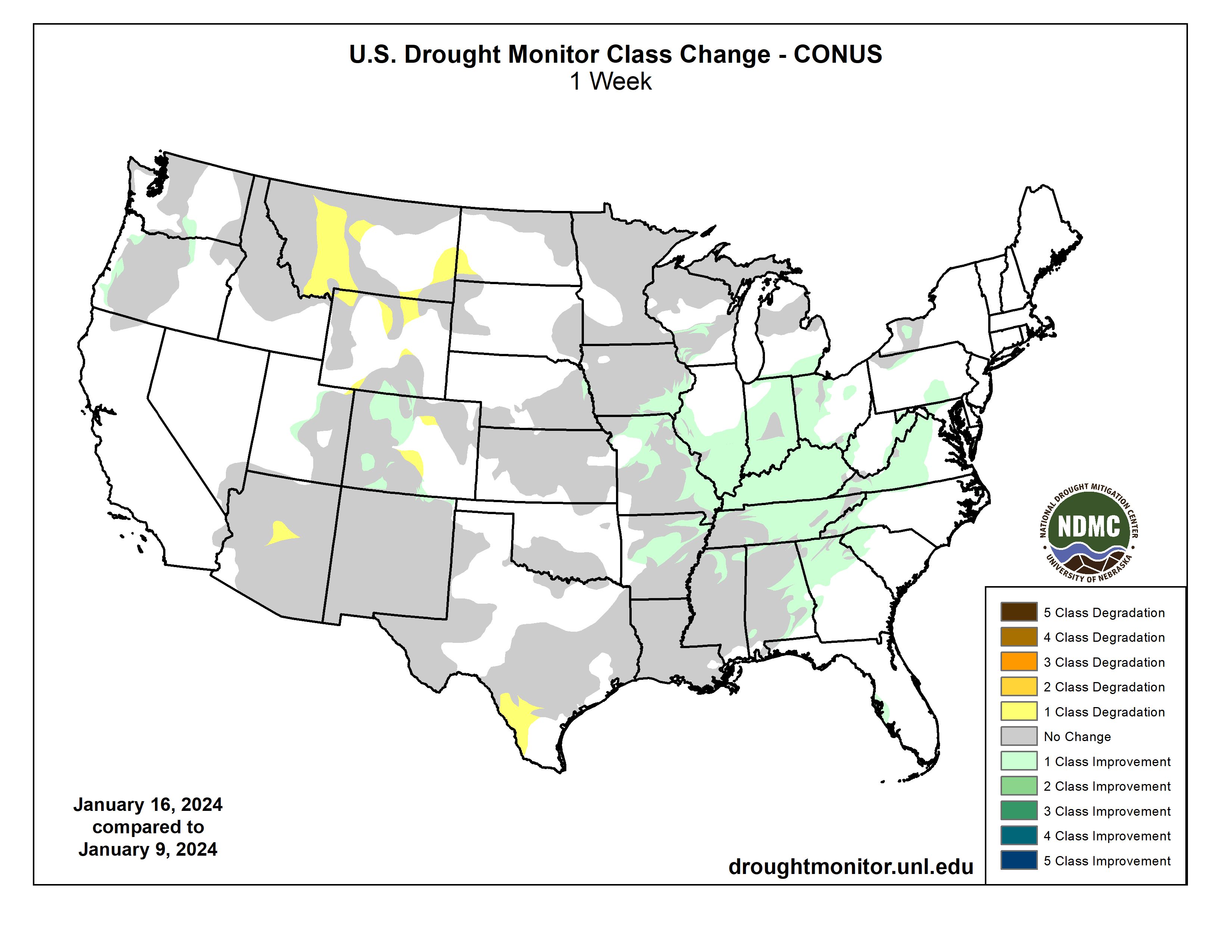
US Drought Monitor one week change map ending January 16, 2024.

#GreatSaltLake Strategic Plan Released

Click the link to read the release on the State of Utah website (Kim Wells):

January 16, 2024

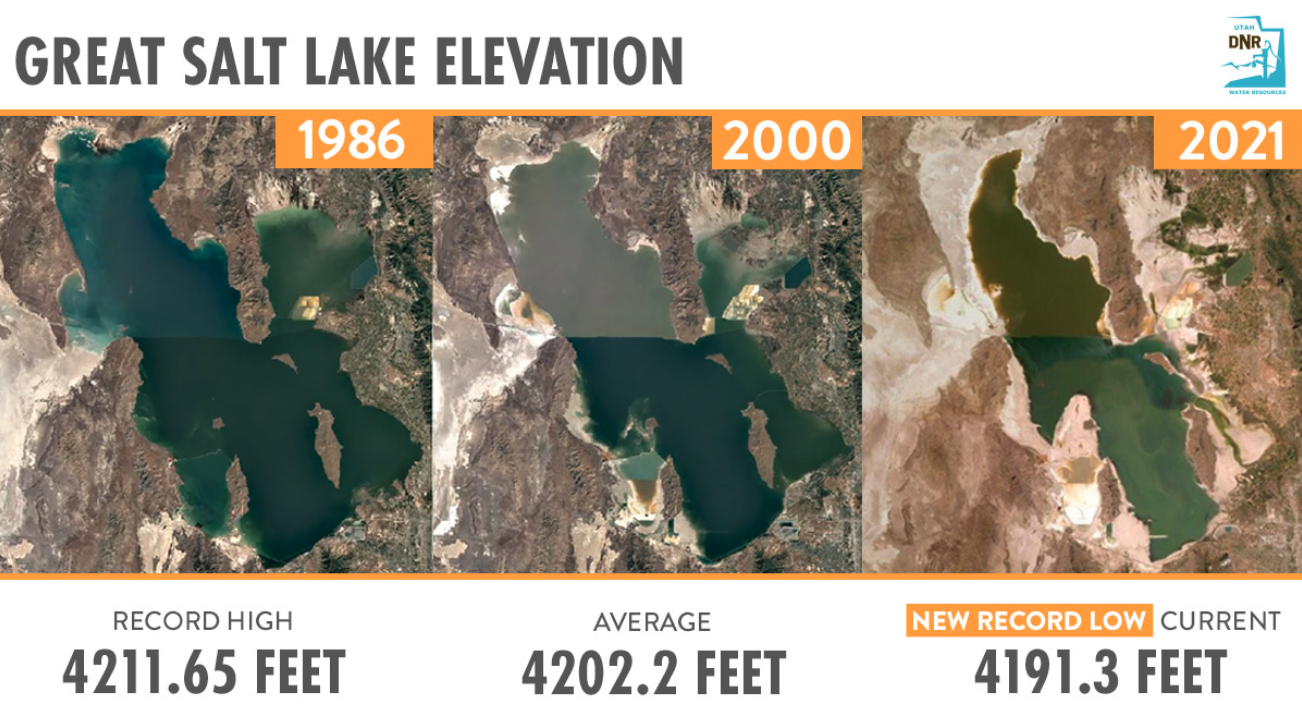
The Great Salt Lake Commissioner’s Office has released the state of Utah’s firstĀ strategic planĀ to get the Great Salt Lake to a healthy range and sustain it. In November 2022, the lake fell to a new record low level.Ā  During the 2023 Legislative General Session,Ā HB491Ā  was passed, creating the Office of the Great Salt Lake Commissioner and required the preparation of a strategic plan applying ā€œa holistic approach that balances the diverse interests related to the health of the Great Salt Lake….ā€

ā€œThe plan represents an initial strategy to more effectively protect the lake while balancing the other ecological, economic and societal interests surrounding the lake,ā€ Commissioner Brian Steed said. ā€œRestoring the lake to a healthy range is not a one-year, one-policy, one-constituency solution. It will take a coordinated, data-driven approach so decision-makers can evaluate tradeoffs and balance competing interests.ā€

The lake is a dynamic system, and its management must also be dynamic. The plan will be revisited regularly and adjusted to reflect the latest data and meet new challenges and opportunities. The strategy includes short-, medium- and long-term actions. 

As outlined in HB491, the Great Salt Lake Strategic Plan helps ensure coordination of the work taking place among the manyĀ stakeholdersĀ who work on lake issues and calls for:Ā 

  • Coordinating the efforts of a wide variety of agencies and stakeholders and ensuring robust public engagement on issues related to the lake
  • Utilizing the best available science and data when making decisions that impact the lake
  • Getting more water to the lake and ensuring a sustainable water supply while balancing competing needs, including human health and quality of life, a healthy ecosystem and economic developmentĀ 
  • Conserving water across different sectors (M&I, industrial and agricultural), including quantification of water savings and shepherding saved water to the lake
  • Protecting air and water quality

The release of the Great Salt Lake Strategic Plan is just the beginning. The hard work of implementing the plan builds off the work the state and others have already begun.  As the plan states on page 15, ā€œthe actions identified in the plan’s first year largely build upon initiatives, partnerships, and programs that have already begun to help the Great Salt Lake. The short-term actions are designed to provide a foundation and guidance for longer term strategies and actions.ā€ The plan also calls for additional detailed planning efforts to ensure enough water gets to the lake over the next 30 years and to maximize the investments that the Legislature has made for the benefit of the lake and everyone who relies upon it.

ā€œStriking the right balance for the Great Salt Lake is no small task, especially among the pressures of continued growth, sustained drought and higher temperatures that threaten to increase demand and shrink available water supplies even further,ā€ Steed said. ā€œIt will take all of us working together to protect and sustain the lake.ā€Ā 

Learn more.


Aerial images of Great Salt Lake at record low elevation in 2021. Credit: Utah Department of Natural Resources

#Colorado pledges to play nice as #Nebraska plows ahead on $628M Perkins County Canal at the state line — Fresh Water News #SouthPlatteRiver

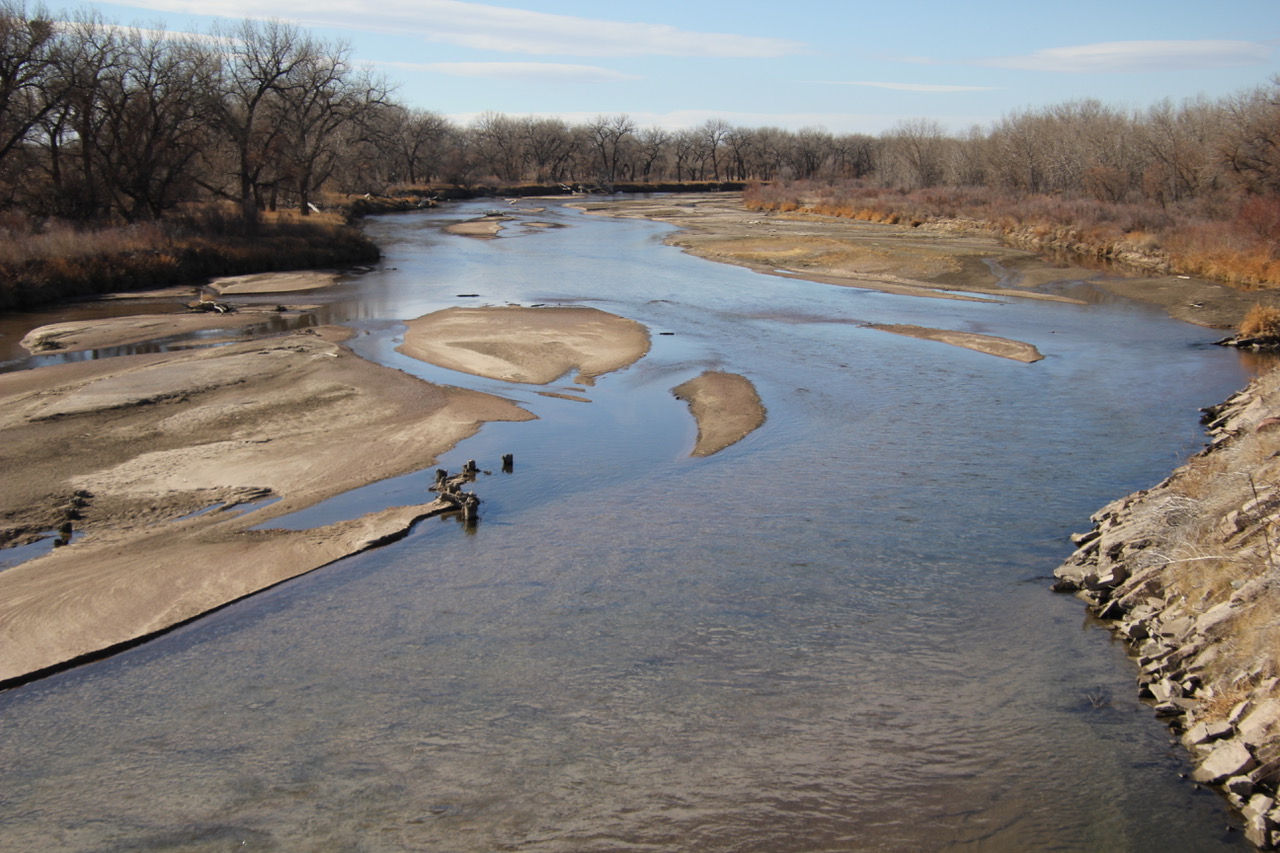
South Platte River at Goodrich, Colorado, Sunday, November 15, 2020. Photo credit: Allen Best

Click the link to read the article on the Fresh Water News website (Jerd Smith):

January 17, 2024

Nebraska is moving quickly to build a major canal that will take water from the drought-strapped South Platte River on Colorado’s northeastern plains, and deliver it to new storage reservoirs in western Nebraska.

But after a tumultuousĀ project announcement last year, with both states angrily declaring their thirst and concerns, the conflict has quieted, and talk of lawsuits, at least for now, has stopped. Water watchers liken this apparently calm work period with a similar period 100 years ago when early threats of legal battles gave way to an era of study and negotiation that preceded the signing by both states of the South Platte River Compact.

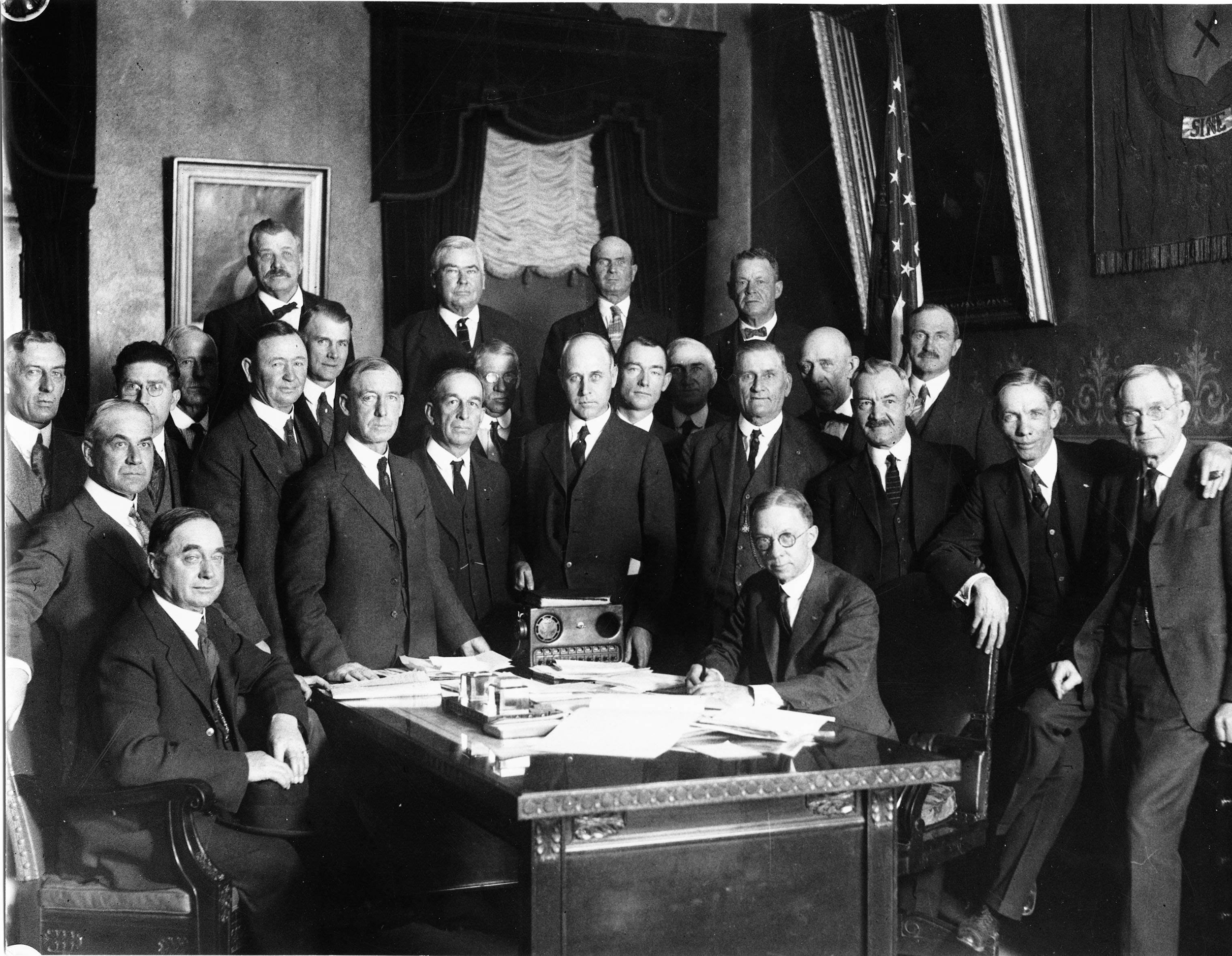
Governor Clarence J. Morley signing Colorado River compact and South Platte River compact bills, Delph Carpenter standing center. Unidentified photographer. Date 1925. Print from Denver Post. From the CSU Water Archives

ā€œIn my mind, it’s ā€˜what is there to fight over,ā€™ā€ saidĀ Jim Yahn, a fourth-generation rancher, and former member of the Colorado Water Conservation Board who runs the North Sterling Irrigation Company. ā€œUnder theĀ 1923 South Platte River Compact, it is Colorado’s obligation to deliver. So now we’re going to start suing and fighting over it? We agreed to do this. I don’t think it’s worth losing sleep over.ā€

With $628 million in cash from its state legislature, Nebraska has begun early design work and is holding public meetings outlining potential routes for the canal and reservoirs, according to Jesse Bradley, assistant director of the Nebraska Department of Natural Resources.Ā At least one Colorado land purchase has been made.

Nebraska intends to complete design and start construction bidding in three years, and finish the project seven to nine years later, Bradley said.

ā€œWe’re just trying to make sure we can protect the water we have under the compact,ā€ Bradley said. ā€œWe don’t want to be any more intrusive than we need to be … and we believe there are opportunities for some win-wins,ā€ he said, including stabilizing levels in the popular Lake McConaughy and ensuring there will always be enough water in the river to protect one of the nation’s most successful endangered species programs, the Platte River Recovery Implementation Program.

Engineering studies indicate the project could deliver 78,000 to 115,000 acre-feet of water annually, and perhaps just 30% of that in drought years, Bradley said. But that is still big water. If the top estimates hold, that’s enough water to irrigate more than 115,000 acres of corn, or supply water to more than 230,000 urban homes for one year.

At the state line, a difficult river

On the high prairie around Sterling and Julesberg, the solitude and silence mask a complicated water arena, withĀ cities such as Parker and Castle RockĀ planning major projects themselves, and large- and small-scale cattle and corn producers watching every drop that flows.

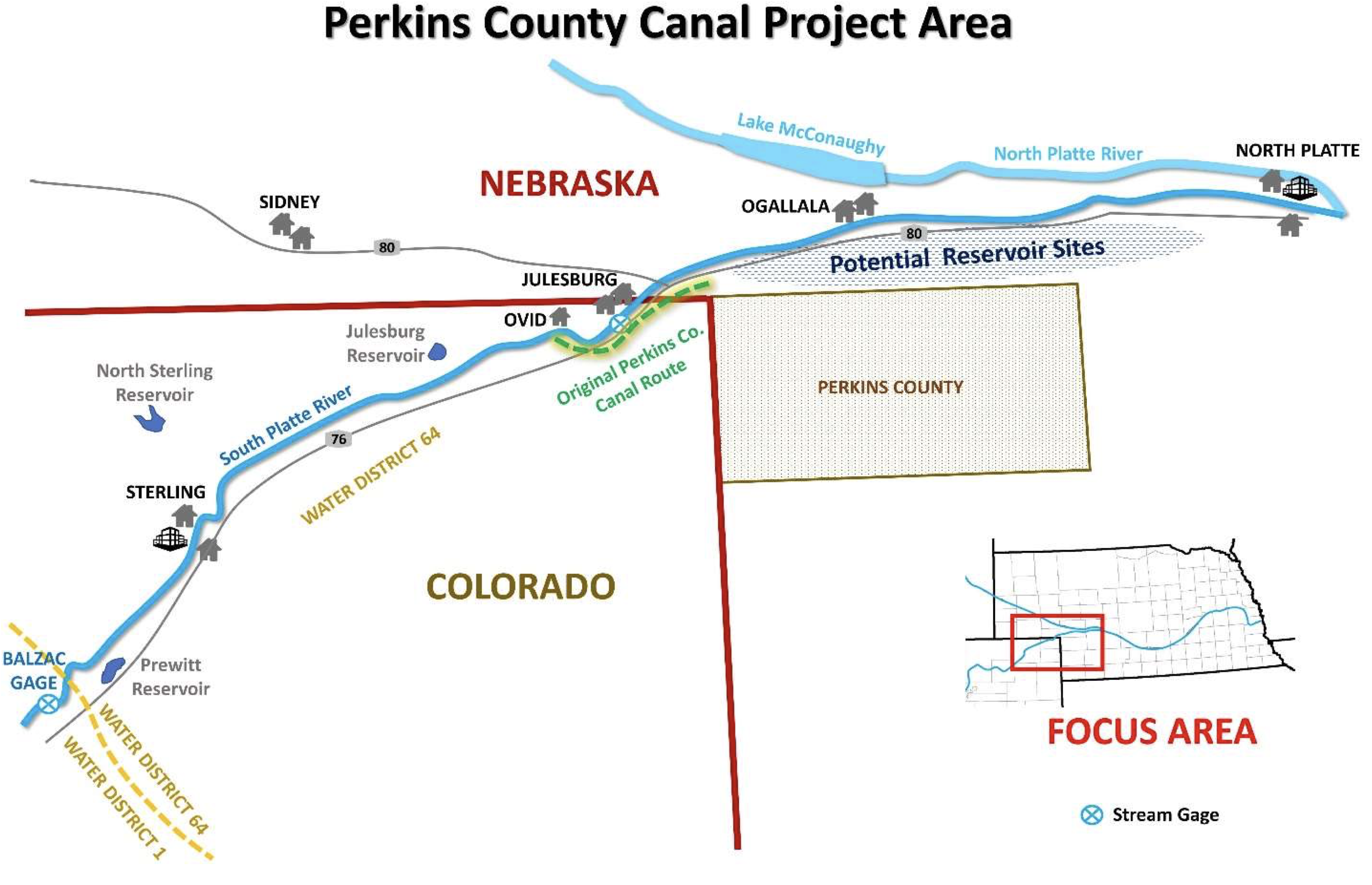
Perkins County Canal Project Area. Credit: Nebraska Department of Natural Resources

ā€œThere is a lot going on up there,ā€ said Ron Redd, Parker Water and Sanitation District’s general manager. ā€œI think that there is a fear that the way [Nebraska] has it laid out is going to be difficult. But the tone has changed because people understand it better. When we look at the numbers, we think it’s not the end of the world.ā€

Colorado has a history of working with Nebraska on other water issues, including the successful negotiation of the South Platte River Compact and the settlement of a lawsuit involving the Republican River and Kansas.

Still, Colorado water regulators say they will carefully monitor the project and plan to meet regularly with Nebraska’s team.

ā€œThere are issues,ā€ said Kevin Rein, the former director of Colorado’s Division of Water Resources who retired in December. ā€œThe canal’s location and the route it would follow is important. But more substantively, we want to ensure that the placement of the headgate [diversion structure] and the canal don’t create a burden on Colorado and its water users.ā€

Water projects inside Colorado are subject to in-depth reviews in special water courts, but the Perkins Canal Project, as it is known, is governed by the federal compact, and won’t necessarily be subject to that process, officials said.

Colorado growers with junior water rights on the Lower South Platte, who are only allowed to divert during the winter, will likely be the most affected, according to Mike Brownell, a Logan County commissioner and dryland farmer. Under the compact, Nebraska too has a winter diversion right. The success of the deal will likely come down to how well both states and their diverters manage the water that is flowing, often in difficult icy conditions, officials said.

Local meetings in Sedgwick and Logan counties have been ongoing. Brownell said some people in those meetings estimate that vulnerable growers could lose half the water they are typically able to divert.

ā€œIf that would come to pass, it would be pretty catastrophic,ā€ Brownell said. ā€œWe’re really not certain yet, but if we go from having thousands of irrigated acres, to having thousands of dryland acres, it’s going to severely impact the property tax base in Logan and Sedgwick counties.ā€

Platte River Recovery Implementation Program target species (L to R), Piping plover, Least tern, Whooping crane, Pallid sturgeon

Also of concern is the health of the Platte River Recovery Implementation Program. Funded and overseen by Colorado, Wyoming, and Nebraska, and the federal government, the nearly 17-year-old program helps keep more water in the central Platte River and has dramatically boosted at-risk bird populations, including piping plovers and whooping cranes, and expanded their habitat. It has also allowed dozens of water projects in Colorado, Wyoming and Nebraska to comply with the federal Endangered Species Act and continue operating.

But that hard-won agreement took 10 years to negotiate. Don Ament, a Sterling-area rancher and former Colorado Commissioner of Agriculture who helped negotiate the deal, said he’s worried that political strife over the canal and any additional strain on the river’s supplies, could endanger the recovery program.

Still, with few details on canal location and actual water diversions available yet, it’s difficult to say what impact the Perkins Canal will have, according to Jason Farnsworth, executive director of the recovery program.

ā€œWe could see more water in the river, we could see less. We just don’t know yet,ā€ he said.

Nebraska’s Bradley said he believes the recovery initiative will actually benefit from the canal, as his state seeks to gain control over its new winter water supply and deliver it to the main stem of the river, where it will benefit birds and fish.

ā€œThough the recovery program is not the primary objective of the canal, we think we are aligned with its goals because we are trying to maintain the flows we have today without seeing them erode,ā€ Bradley said.

The South Platte River Basin is shaded in yellow. Source: Tom Cech, One World One Water Center, Metropolitan State University of Denver.

The South Platte, like other Western rivers, is seeing flows shrink, thanks to climate change and growth farther west along Colorado’s Interstate 25 corridor.

Good water years, such as 2023 and 2013, still can dramatically boost flows on the Colorado/Nebraska state line. Water managers in Colorado believe careful management of the lower river and perhaps increased storage, could allow all the water users to coexist.

ā€œThere is a potential impact to (water) rights in the river, whether it’s for storage or for the recovery program. So what do we do about that? We administer according to the compact,ā€ Rein said. ā€œIt sounds a little like we’re giving up, but the water users are pretty smart. They know how to legally, and in good form, develop strategies to mitigate the impacts.

ā€œThe current perspective of Colorado,ā€ he added, ā€œis that we need to recognize that there is an interstate compact that has been approved by the United States and we place a high regard on the need to comply with that compact.ā€

More by Jerd SmithJerd Smith is editor of Fresh Water News. She can be reached at 720-398-6474, via email at jerd@wateredco.org or @jerd_smith.

Yes, Biden broke a promise. And it’s okay: Looking at the administration’s record on public lands and energy — Jonathan P. Thompson (@Land_Desk) #ActOnClimate #KeepItInTheGround

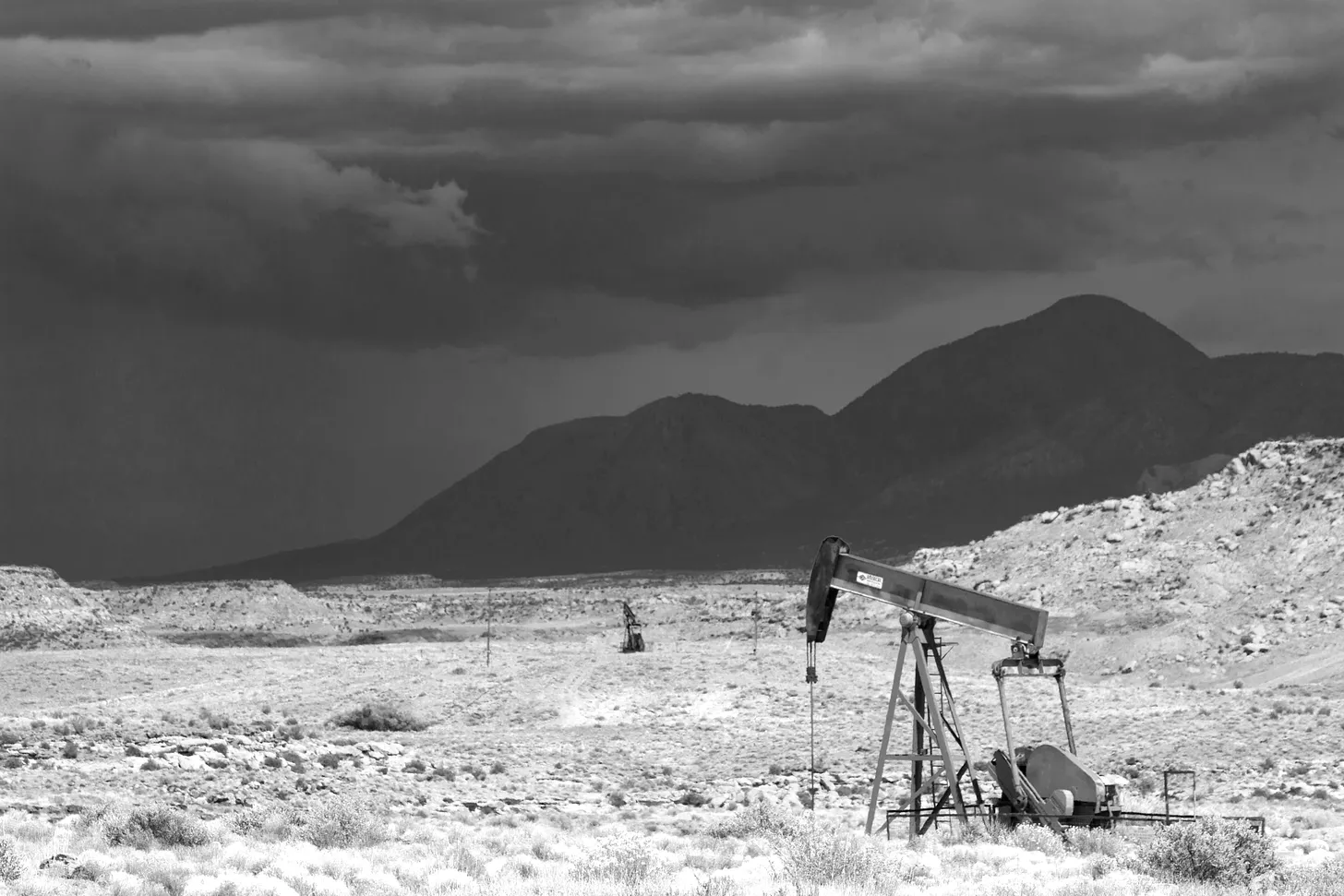
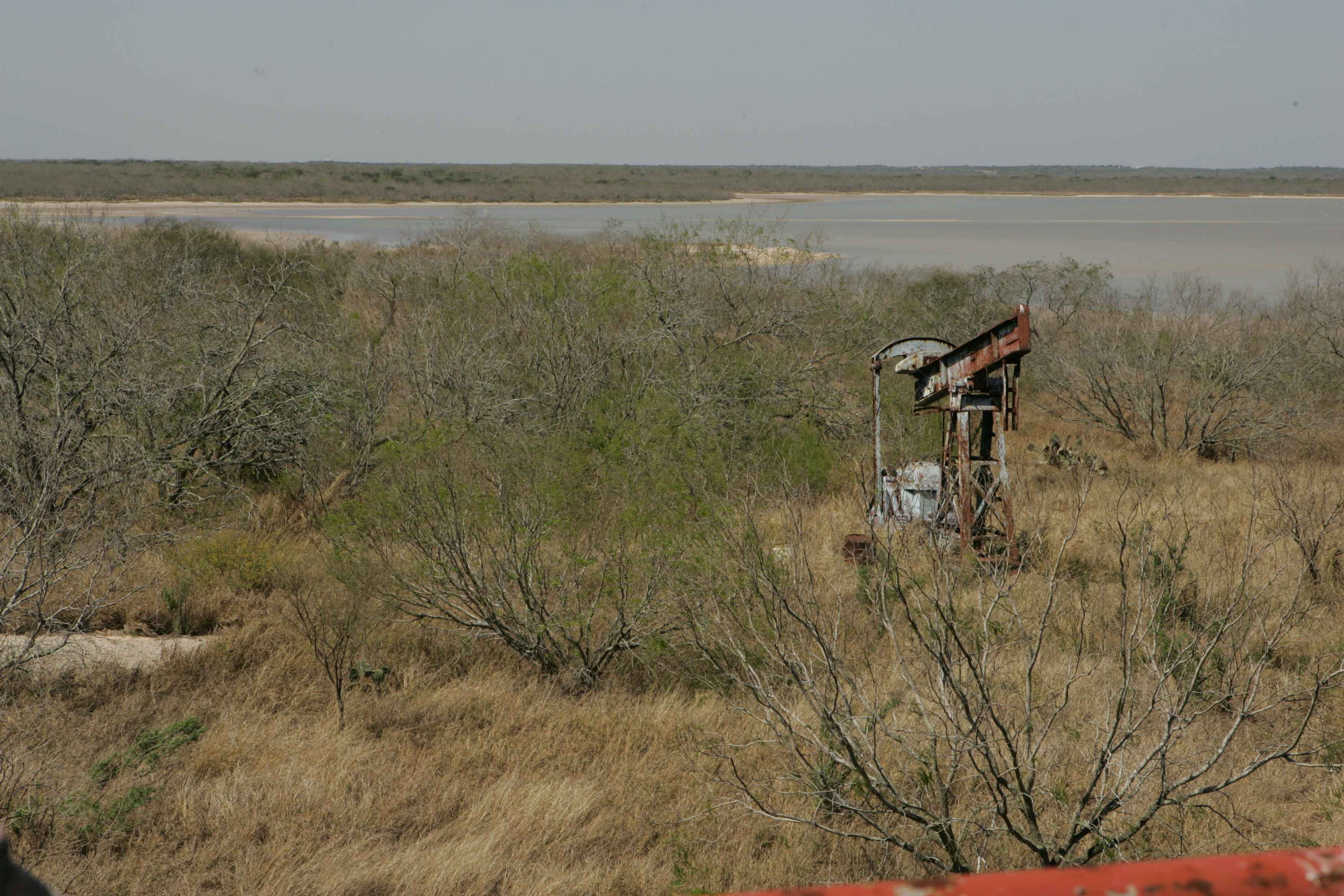
Pumpjacks in southeastern Utah. Jonathan P. Thompson photo

Click the link to read the article on The Land Desk website (Jonathan P. Thompson):

January 16, 2024

A few weeks ago, for myĀ monthlyĀ High Country NewsĀ column, I tried to unravel the puzzle posed by wildly divergent interpretations of President Biden’s record on climate, fossil fuels, and public lands. On the one hand, the Republican National Committee whined about how the administration is waging a war on energy, particularly fossil fuels. On the other, the college arm of the Democratic National Committee was accusing Biden of ā€œclimate indifference.ā€Ā 

My conclusion was more or less this: Biden has been good — maybe the best president — when it comes to protecting certain public lands from fossil fuel energy development, even though he has made some questionable decisions. That’s hardly climate indifference. And yet, during his watch, the U.S. oil industry has produced more crude and exported more natural gas than ever before, mostly on the strength of a drilling frenzy in the Permian Basin of Texas and New Mexico. If Biden’s waging a war on energy, his side is losing. 

In other words, neither side is correct (although I have to say the Republicans are wayoff. What don’t they understand about record-high oil production levels and multi-billion dollar oil corporation profits?). And probably both sides should quit their kvetching.

Some readers seemed to appreciate my willingness to explore the liminal spaces; others not so much. Here’s an excerpt from one of the responses to the story: 

… I was pretty dismayed over his exclusion of Biden’s central campaign promise, which was ‘No more drilling on Federal land.’  ā€¦ Why wasn’t this mentioned in Thompson’s piece? … In fact, I found it to be pretty disappointing that none of this was even brought up in his article, especially given how outraged and betrayed many young voters like myself feel re this. … If it was a Republican president who had broken a central campaign promise, my intuition is that it would have been pointed out in an article like the one Thompson wrote.

I’m pretty sure the letter writer, we’ll call them Jay, isn’t alone in their assessment of the Biden administration’s stance on federal land drilling — or of my column. And I have to admit, I struggled a little bit with coming up with an honest response that didn’t sound overly cynical. After all, telling someone who is outraged and feeling betrayed to just get over it is a bit harsh. But when it comes to the broken promise thing? Get over it. 

Wait! Don’t stop reading yet. Bear with me as I explain. 

Yes, during the 2020 campaign, Biden did promise to end oil and gas drilling on public lands. I know that because the RNC listed all the instances of such pledges, holding them up — ironically — as evidence that Biden is waging that aforementioned war on energy. And no, he hasn’t done that — and probably won’t. Promise broken, outrage ensues. 

And I get it. It’s annoying and maddening to listen to politicians make promises they know they can’t keep. But it also happens all of the time. During the 2020 campaign, Sen. Elizabeth Warren made a very similar promise, even including it in her energy plan. Would she have lived up to it? Highly unlikely. 

The President is not a dictator, thankfully, and can’t simply make a massive change like ending all drilling on federal lands with a snap of the finger. Both Warren and Biden knew that. But that doesn’t mean they were lying in order to secure more votes. Rather they were simply signaling their intent, setting a sort of Platonic-ideal goal to which they’d aspire and which they might achieve if there was no obstructionist Congress or courts or political gamesmanship to navigate. They are telling a certain type of voters that they will represent their interests, while telling another type (the fossil fuel-fetishizing RNC, for example) that they won’t. 

All of which is to say that judging a politician on promises kept or broken may not be that productive. Better to judge them on their policies and how they play out on the ground. And the Biden administration has made big strides in this direction, including: 

  • Halting all new oil and gas leasing on federal lands shortly after they took office, a move that had it remained in place would have eventually phased out new drilling. However, the courts shot down the moratorium, forcing the administration to hold new lease sales.
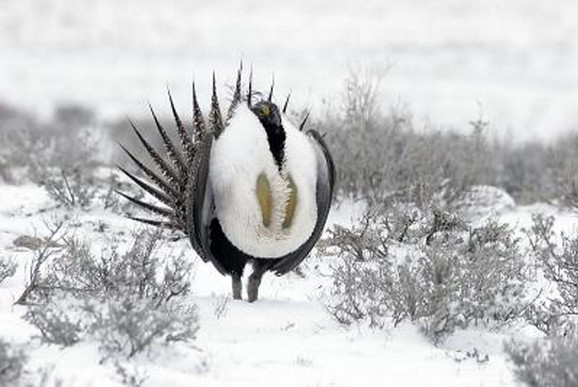
  • But those new sales don’t look like the lease sales of old. For example, the BLM quietly pulled over 100 parcels from Wyoming auctions to protect sage grouse and big game habitat, and has angered industry by allegedly withholding some of the most productive parcels.
  • Restoring the original boundaries of Bears Ears and Grand Staircase-Escalante National Monuments, putting those lands off-limits to new oil and gas leases or mining claims. 
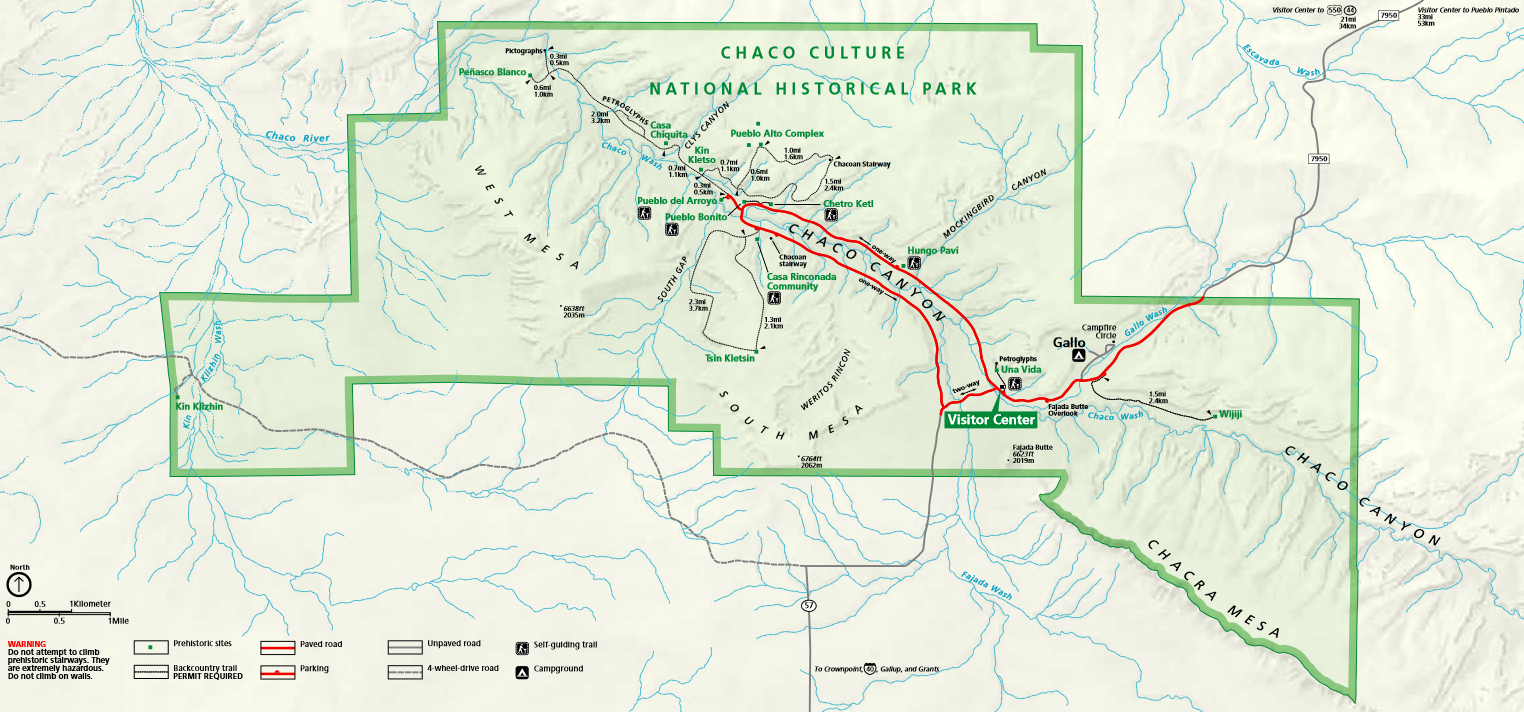
  • Banning — for the next 20 years — new oil and gas leasing within a 10-mile radius of New Mexico’s Chaco Culture National Historical Park and canceling Trump-era oil and gas leases in Alaska’s Arctic National Wildlife Refuge.
  • Proposing the withdrawal of nearly 4 million acres of federal land from new oil and gas leases in western Colorado and Wyoming’s Red Desert.
  • Finalizing a plan to declare an additional 225,000 acres of the Thompson Divide in western Colorado’s high country off-limits to new oil and gas leasing and mining claims for the next 20 years.
  • Raising minimum bids for oil and gas leases and royalty rates on new drilling from 12.5% to 16.67% and increased reclamation bond amounts to help ensure that the oil companies — not the taxpayers — clean up the messes they make. 
  • Establishing the Baaj Nwaavjo I’tah Kukveni—Ancestral Footprints of the Grand Canyon National Monument in northern Arizona, thereby protecting nearly 1 million acres from potential uranium mining.

  • Finalizing Environmental Protection Agency rules aimed at reducing methane emissions from oil and gas infrastructure, which are expected to prevent the release of 58 million tons of methane emissions — the short-term climate-warming equivalent 4.9 billion tons of carbon dioxide* — as well as 16 million tons of health-harming volatile organic compounds.
  • Implementing a new per-ton fee on methane emissions from oil and gas facilities, which should incentivize petroleum companies to cut not only that potent greenhouse gas, but also to reduce emissions of human-harming compounds that typically spew from wells.  
  • Proposing a Bureau of Land Management rule that would put conservation on a par with other public land uses, such as energy development and grazing.
  • Allocating billions of dollars to states and tribes to plug and reclaim abandoned and orphaned oil and gas wells that are prone to leakage and generally make a mess of things. This not only is good for the environment, but it is helping to create a new well-plugging industry in places where drilling has declined, thereby creating a land-healing economy. 

Not too shabby. And I’d say these actions do show that Biden has lived up to the intent behind his pledge, if not living up to the word of the promise. At least for the most part. 

Of course, all that good is offset at least somewhat by the administration’s approval of ConocoPhillips’ massive Willow oil and gas development in Alaska. Biden aimed for a sort of compromise, allowing for three drilling sites rather than the proposed five, nearly cutting the project in half. And yet the sheer magnitude of the development, which will include nearly 200 miles of roads and pipelines and various other infrastructure, is mind-numbing still. And putting some other Arctic lands off-limits to drilling doesn’t exactly make up for the impacts this will wreak on the climate and the local environment and nearby communities. 

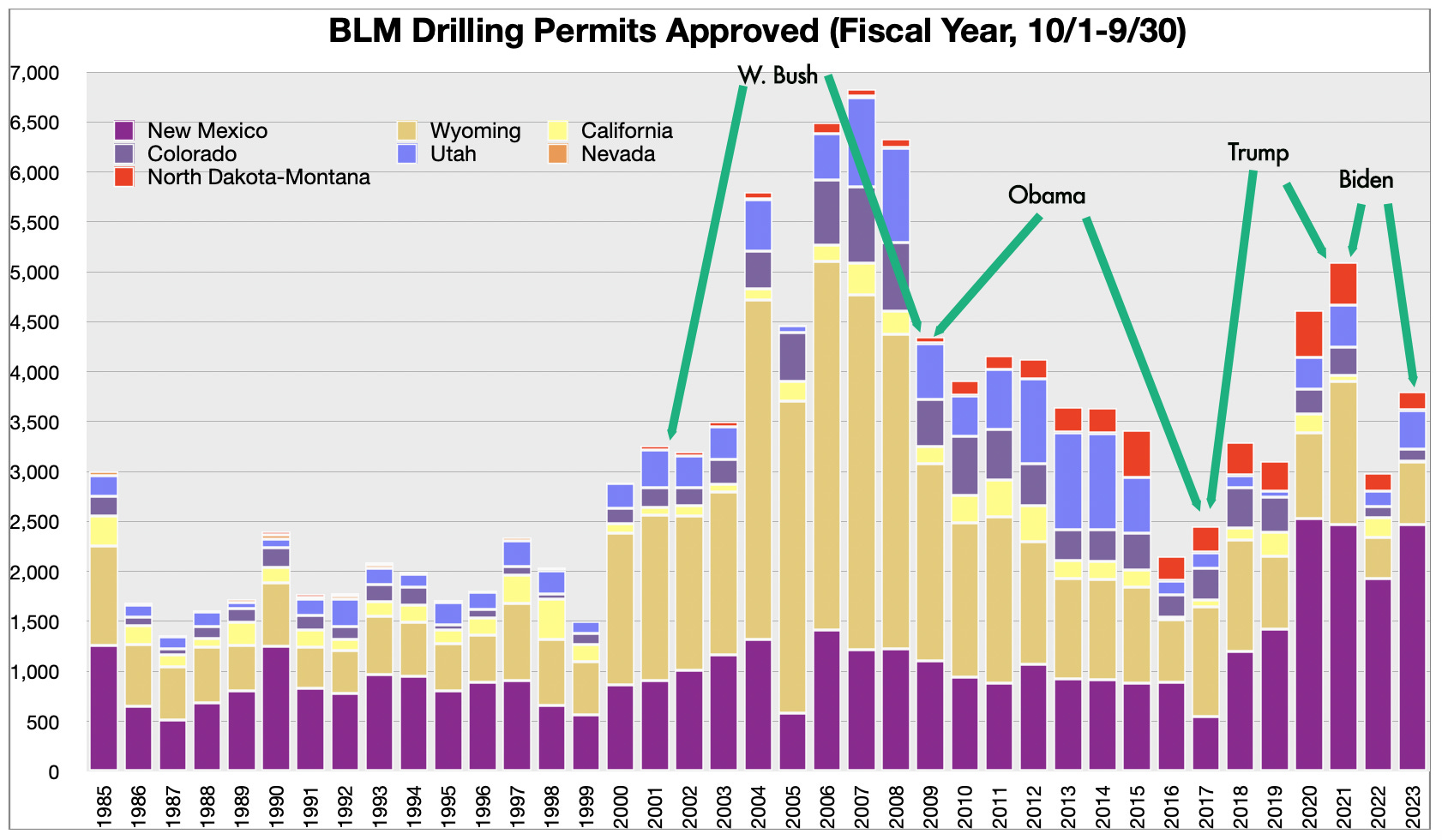
Meanwhile, the Bureau of Land Management under Biden issued 3,800 drilling permits for public lands, about 2,500 of which were in the Permian Basin, during fiscal year 2023. That’s a lot, and seems to fly right in the face of Biden’s pledge to end federal land drilling. And, yes, it is more than Trump issued during his first two years in office, but far fewer than in Trump’s last two years. (Not that comparing anyone to Trump on these issues does anyone any good, since presidents don’t control this sort of thing. The W. Bush administration issued nearly 7,000 permits during a single year, by the way).

At first glance it may look like Biden handed out an insane number of permits during his first year in office. In fact, most of the permits for fiscal year 2021 were issued by Trump in his final months in office. Apparently oil companies feared Biden would cut off the spout, so they went crazy with applications. Credit: Jonathan P. Thompson/The Land Desk

At times it can seem as if the Biden administration is erratically indecisive on these issues. But I would say that what appears to be fickleness is actually shrewd political pragmatism. Had Biden canceled Willow altogether, he would have drawn the ire of Sen. Lisa Murkowski, one of the few rational Republicans in Congress, and Rep. Mary Peltola, a Democrat and Native Alaskan who is an ardent supporter of Willow and Alaska energy development in general. And attempting to directly thwart Permian Basin drilling by shutting down permitting or leasing there would threaten the massive budget surpluses resulting from an oil and gas tax revenue bonanza, which in turn would surely cause problems for the Democrats who make up most of the state’s political leadership, from the governor to the congressional delegation to the state legislature. Biden would alienate his allies and then he’d likely lose in court. [ed. emphasis mine]

It is disappointing that our leaders have to play these games, especially given what’s at stake. But is it a betrayal? Or climate indifference? I think not. As for the outrage, I would suggest aiming it not at Biden, but at the oil corporations pumping out crude — and raking in profit — at record high levels, all the while whining about even the most incremental efforts to slow them down and protect the planet. [ed. emphasis mine]