
Click the link to read the article on The Land Desk website (Jonathan P. Thompson):
January 16, 2024
A few weeks ago, for my monthly High Country News column, I tried to unravel the puzzle posed by wildly divergent interpretations of President Biden’s record on climate, fossil fuels, and public lands. On the one hand, the Republican National Committee whined about how the administration is waging a war on energy, particularly fossil fuels. On the other, the college arm of the Democratic National Committee was accusing Biden of “climate indifference.”
My conclusion was more or less this: Biden has been good — maybe the best president — when it comes to protecting certain public lands from fossil fuel energy development, even though he has made some questionable decisions. That’s hardly climate indifference. And yet, during his watch, the U.S. oil industry has produced more crude and exported more natural gas than ever before, mostly on the strength of a drilling frenzy in the Permian Basin of Texas and New Mexico. If Biden’s waging a war on energy, his side is losing.
In other words, neither side is correct (although I have to say the Republicans are wayoff. What don’t they understand about record-high oil production levels and multi-billion dollar oil corporation profits?). And probably both sides should quit their kvetching.
Some readers seemed to appreciate my willingness to explore the liminal spaces; others not so much. Here’s an excerpt from one of the responses to the story:
“… I was pretty dismayed over his exclusion of Biden’s central campaign promise, which was ‘No more drilling on Federal land.’ … Why wasn’t this mentioned in Thompson’s piece? … In fact, I found it to be pretty disappointing that none of this was even brought up in his article, especially given how outraged and betrayed many young voters like myself feel re this. … If it was a Republican president who had broken a central campaign promise, my intuition is that it would have been pointed out in an article like the one Thompson wrote.“
I’m pretty sure the letter writer, we’ll call them Jay, isn’t alone in their assessment of the Biden administration’s stance on federal land drilling — or of my column. And I have to admit, I struggled a little bit with coming up with an honest response that didn’t sound overly cynical. After all, telling someone who is outraged and feeling betrayed to just get over it is a bit harsh. But when it comes to the broken promise thing? Get over it.
Wait! Don’t stop reading yet. Bear with me as I explain.
Yes, during the 2020 campaign, Biden did promise to end oil and gas drilling on public lands. I know that because the RNC listed all the instances of such pledges, holding them up — ironically — as evidence that Biden is waging that aforementioned war on energy. And no, he hasn’t done that — and probably won’t. Promise broken, outrage ensues.
And I get it. It’s annoying and maddening to listen to politicians make promises they know they can’t keep. But it also happens all of the time. During the 2020 campaign, Sen. Elizabeth Warren made a very similar promise, even including it in her energy plan. Would she have lived up to it? Highly unlikely.
The President is not a dictator, thankfully, and can’t simply make a massive change like ending all drilling on federal lands with a snap of the finger. Both Warren and Biden knew that. But that doesn’t mean they were lying in order to secure more votes. Rather they were simply signaling their intent, setting a sort of Platonic-ideal goal to which they’d aspire and which they might achieve if there was no obstructionist Congress or courts or political gamesmanship to navigate. They are telling a certain type of voters that they will represent their interests, while telling another type (the fossil fuel-fetishizing RNC, for example) that they won’t.
All of which is to say that judging a politician on promises kept or broken may not be that productive. Better to judge them on their policies and how they play out on the ground. And the Biden administration has made big strides in this direction, including:
- Halting all new oil and gas leasing on federal lands shortly after they took office, a move that had it remained in place would have eventually phased out new drilling. However, the courts shot down the moratorium, forcing the administration to hold new lease sales.
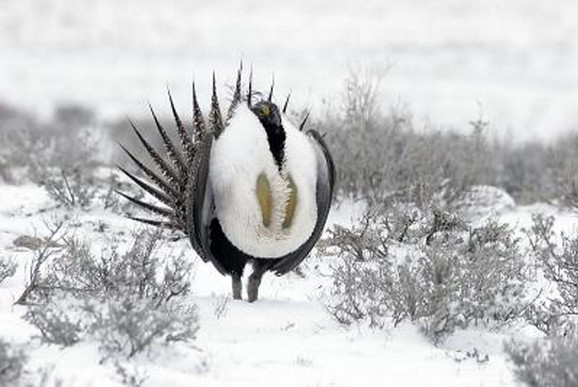
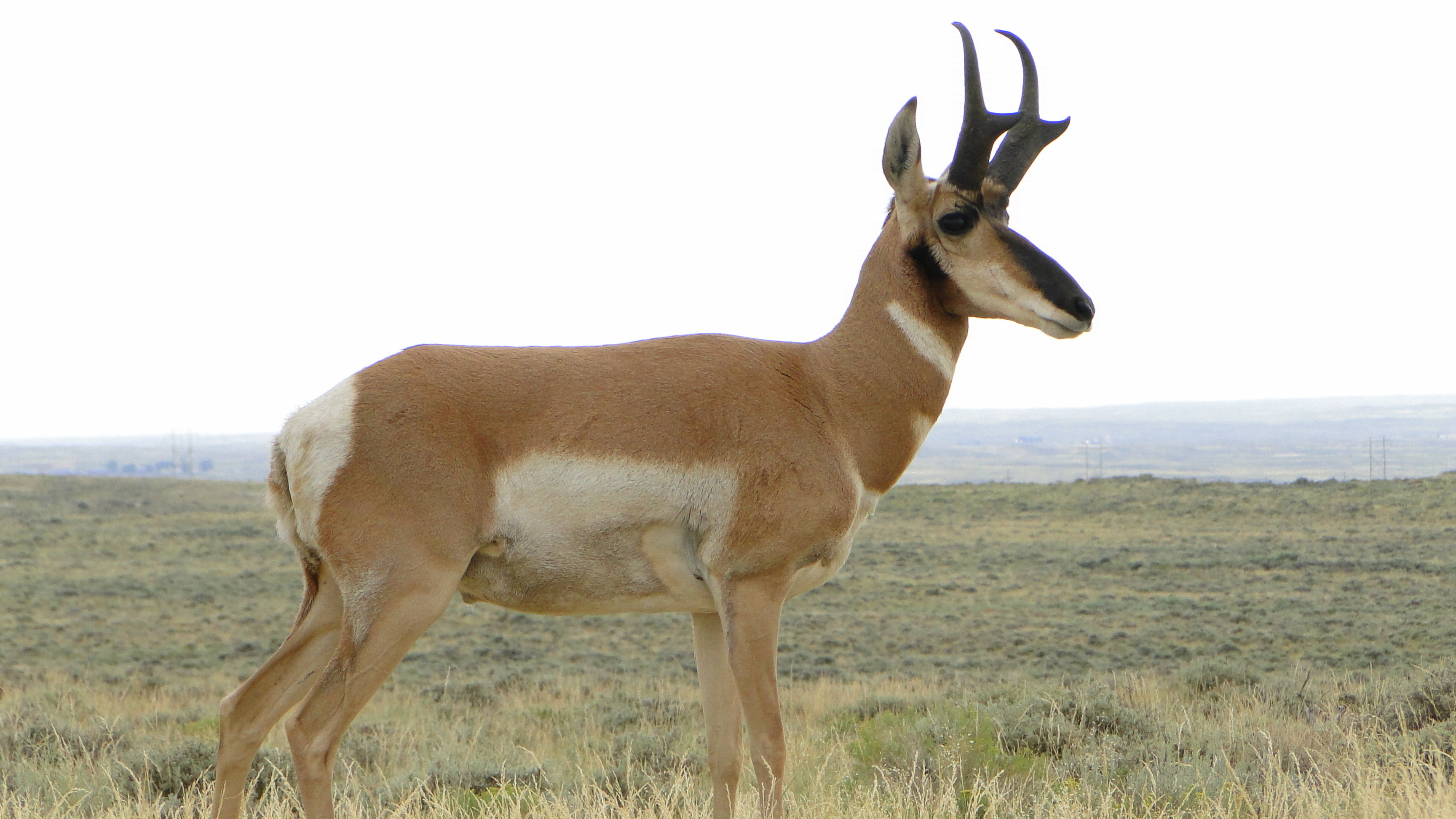
- But those new sales don’t look like the lease sales of old. For example, the BLM quietly pulled over 100 parcels from Wyoming auctions to protect sage grouse and big game habitat, and has angered industry by allegedly withholding some of the most productive parcels.
- Restoring the original boundaries of Bears Ears and Grand Staircase-Escalante National Monuments, putting those lands off-limits to new oil and gas leases or mining claims.
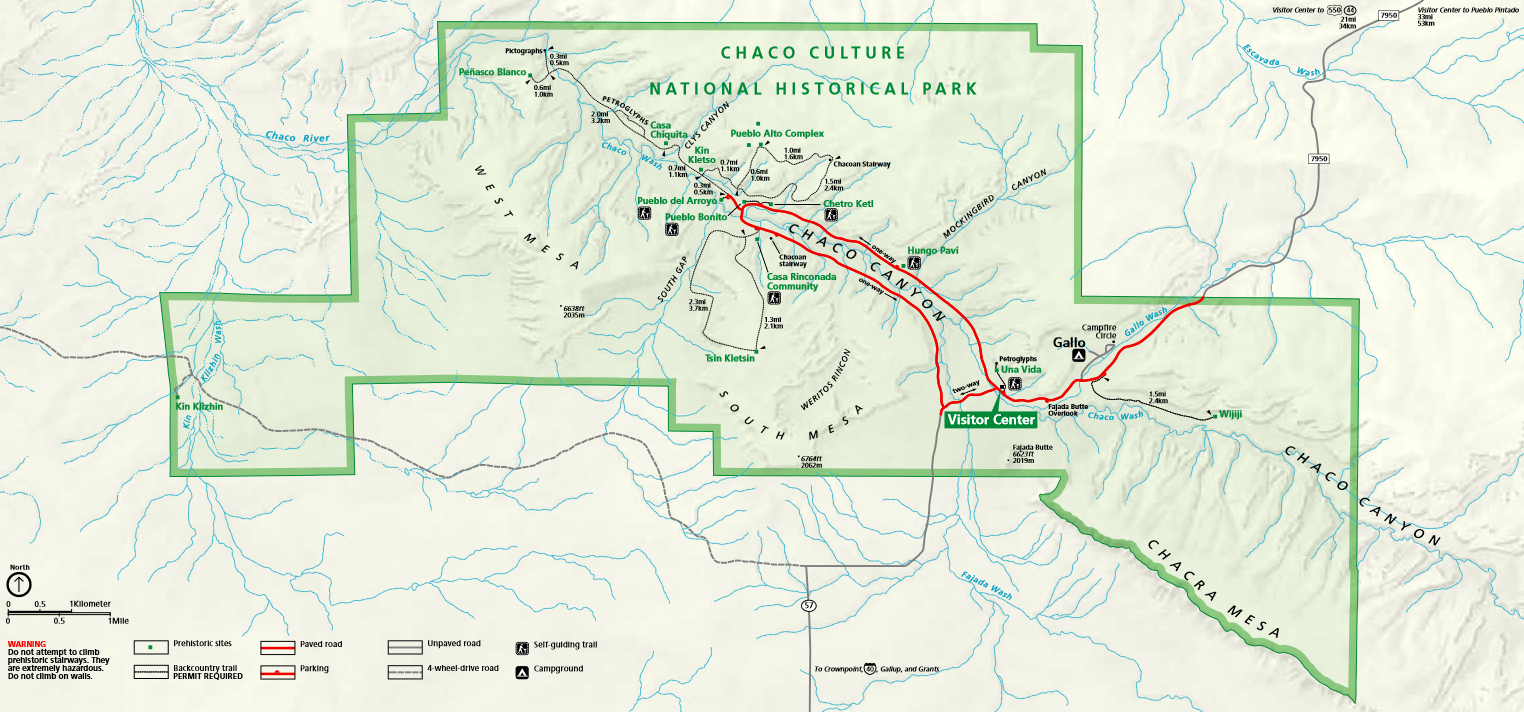
- Banning — for the next 20 years — new oil and gas leasing within a 10-mile radius of New Mexico’s Chaco Culture National Historical Park and canceling Trump-era oil and gas leases in Alaska’s Arctic National Wildlife Refuge.
- Proposing the withdrawal of nearly 4 million acres of federal land from new oil and gas leases in western Colorado and Wyoming’s Red Desert.
- Finalizing a plan to declare an additional 225,000 acres of the Thompson Divide in western Colorado’s high country off-limits to new oil and gas leasing and mining claims for the next 20 years.
- Raising minimum bids for oil and gas leases and royalty rates on new drilling from 12.5% to 16.67% and increased reclamation bond amounts to help ensure that the oil companies — not the taxpayers — clean up the messes they make.
- Establishing the Baaj Nwaavjo I’tah Kukveni—Ancestral Footprints of the Grand Canyon National Monument in northern Arizona, thereby protecting nearly 1 million acres from potential uranium mining.


- Finalizing Environmental Protection Agency rules aimed at reducing methane emissions from oil and gas infrastructure, which are expected to prevent the release of 58 million tons of methane emissions — the short-term climate-warming equivalent 4.9 billion tons of carbon dioxide* — as well as 16 million tons of health-harming volatile organic compounds.
- Implementing a new per-ton fee on methane emissions from oil and gas facilities, which should incentivize petroleum companies to cut not only that potent greenhouse gas, but also to reduce emissions of human-harming compounds that typically spew from wells.
- Proposing a Bureau of Land Management rule that would put conservation on a par with other public land uses, such as energy development and grazing.
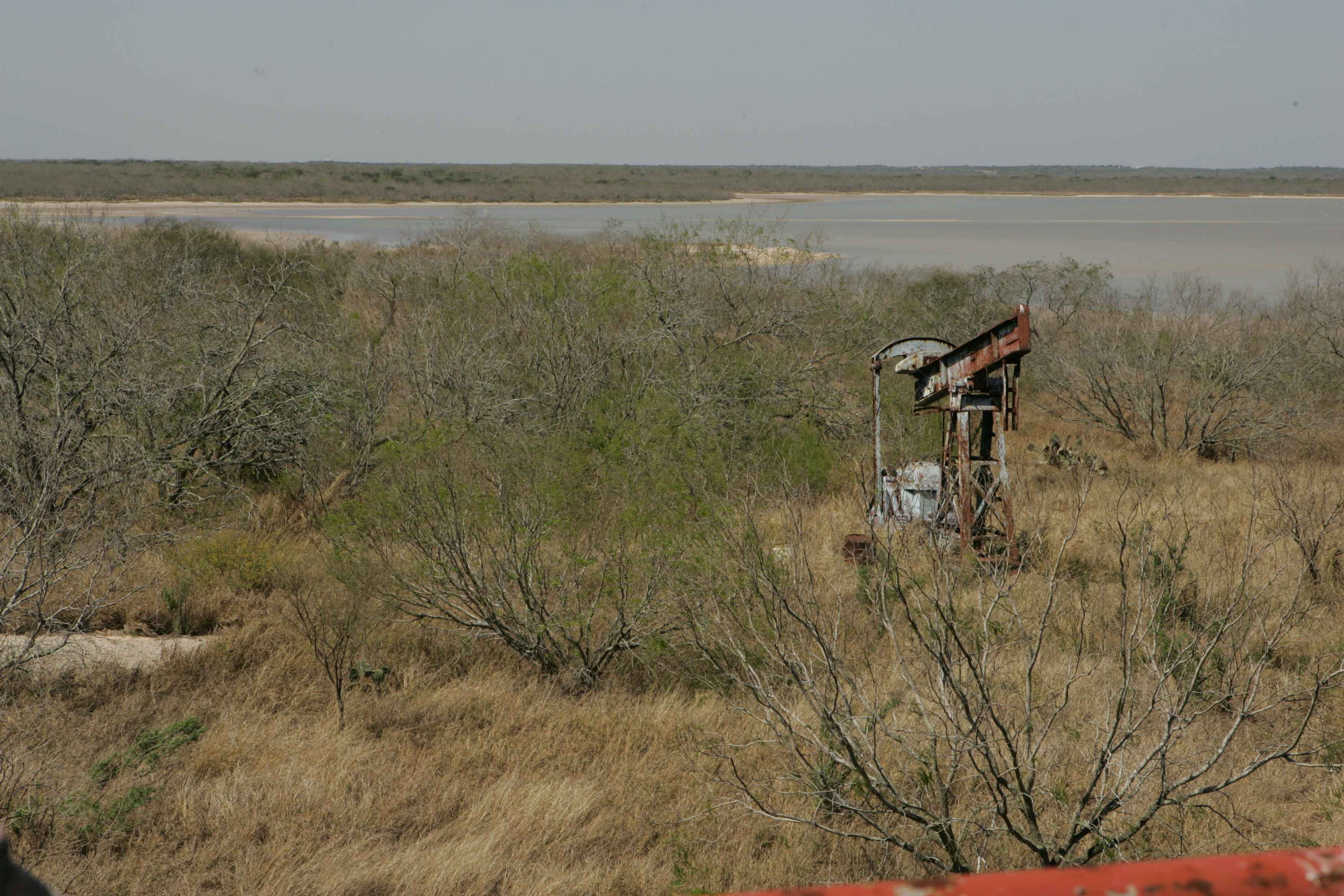
- Allocating billions of dollars to states and tribes to plug and reclaim abandoned and orphaned oil and gas wells that are prone to leakage and generally make a mess of things. This not only is good for the environment, but it is helping to create a new well-plugging industry in places where drilling has declined, thereby creating a land-healing economy.

Not too shabby. And I’d say these actions do show that Biden has lived up to the intent behind his pledge, if not living up to the word of the promise. At least for the most part.
Of course, all that good is offset at least somewhat by the administration’s approval of ConocoPhillips’ massive Willow oil and gas development in Alaska. Biden aimed for a sort of compromise, allowing for three drilling sites rather than the proposed five, nearly cutting the project in half. And yet the sheer magnitude of the development, which will include nearly 200 miles of roads and pipelines and various other infrastructure, is mind-numbing still. And putting some other Arctic lands off-limits to drilling doesn’t exactly make up for the impacts this will wreak on the climate and the local environment and nearby communities.
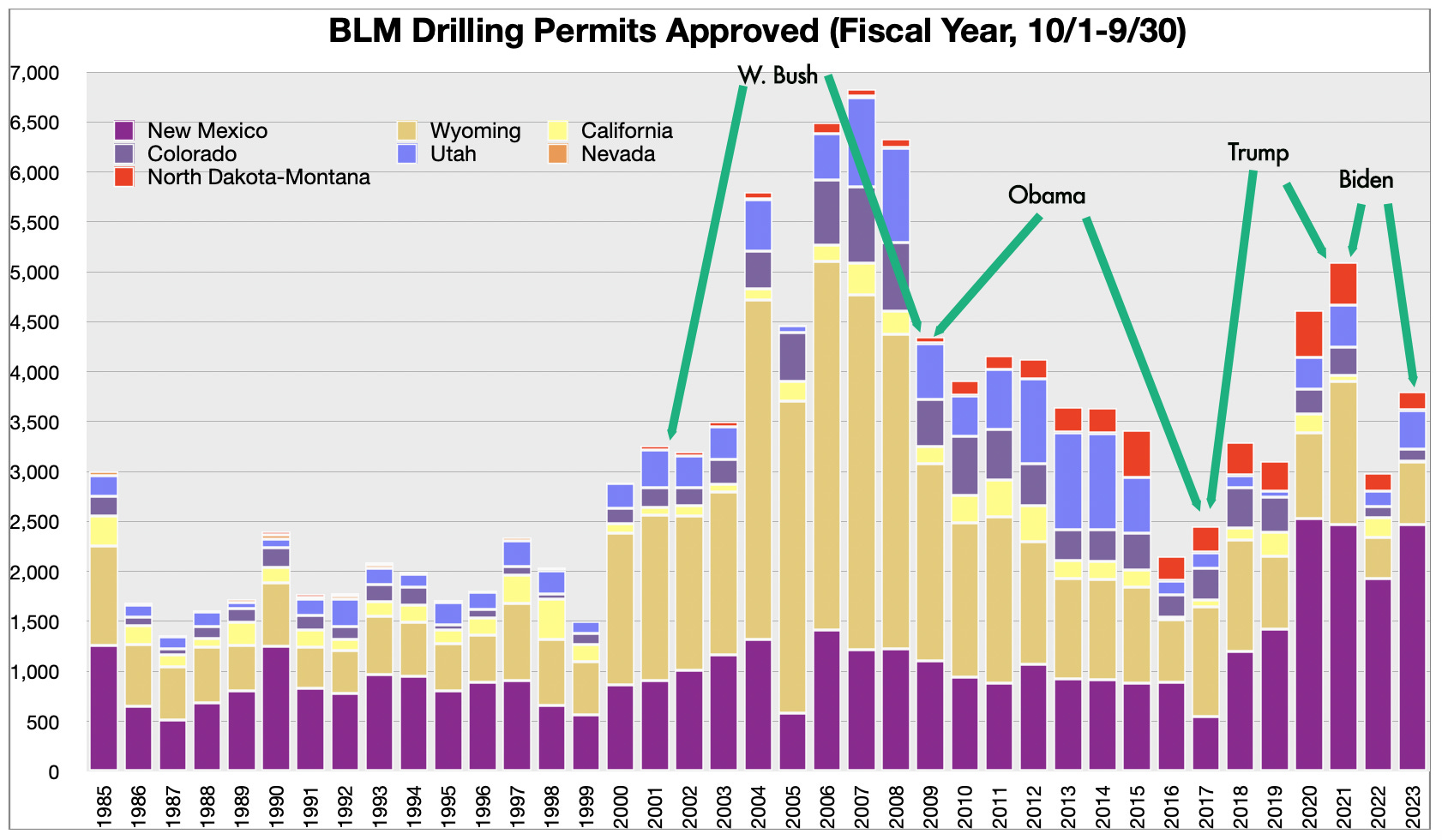
Meanwhile, the Bureau of Land Management under Biden issued 3,800 drilling permits for public lands, about 2,500 of which were in the Permian Basin, during fiscal year 2023. That’s a lot, and seems to fly right in the face of Biden’s pledge to end federal land drilling. And, yes, it is more than Trump issued during his first two years in office, but far fewer than in Trump’s last two years. (Not that comparing anyone to Trump on these issues does anyone any good, since presidents don’t control this sort of thing. The W. Bush administration issued nearly 7,000 permits during a single year, by the way).
At times it can seem as if the Biden administration is erratically indecisive on these issues. But I would say that what appears to be fickleness is actually shrewd political pragmatism. Had Biden canceled Willow altogether, he would have drawn the ire of Sen. Lisa Murkowski, one of the few rational Republicans in Congress, and Rep. Mary Peltola, a Democrat and Native Alaskan who is an ardent supporter of Willow and Alaska energy development in general. And attempting to directly thwart Permian Basin drilling by shutting down permitting or leasing there would threaten the massive budget surpluses resulting from an oil and gas tax revenue bonanza, which in turn would surely cause problems for the Democrats who make up most of the state’s political leadership, from the governor to the congressional delegation to the state legislature. Biden would alienate his allies and then he’d likely lose in court. [ed. emphasis mine]
It is disappointing that our leaders have to play these games, especially given what’s at stake. But is it a betrayal? Or climate indifference? I think not. As for the outrage, I would suggest aiming it not at Biden, but at the oil corporations pumping out crude — and raking in profit — at record high levels, all the while whining about even the most incremental efforts to slow them down and protect the planet. [ed. emphasis mine]