May 21, 2026
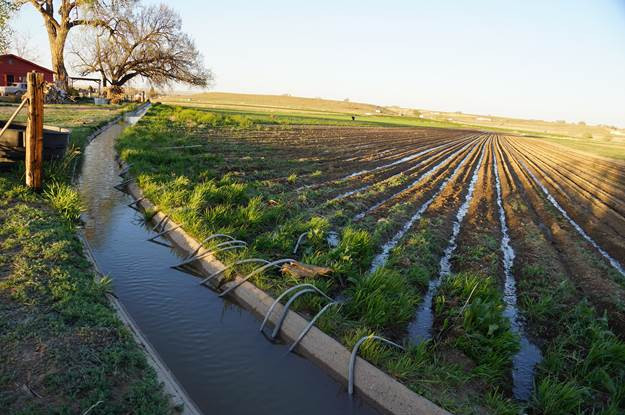
Southeastern Colorado’s farmers and farming communities say they’ve won valuable protections against the historic worst practices of cities’ “buy and dry” of agricultural water, after final passage of revegetation requirements along the Lower Arkansas River that may spread to other basins of the state.
Gov. Jared Polis is expected to sign the measure, House Bill 1340 (Revegetate or Dry Farm Formerly Irrigated Agricultural Land), after officials from his Department of Natural Resources testified favorably for the bill.
“For the first time in Colorado, this new law establishes that when irrigation water is permanently removed from farmland for other uses, the responsibility to properly revegetate and reclaim that land belongs to the entity removing the water,” said Jack Goble, general manager of the bill’s primary advocate, the Lower Arkansas Valley Water Conservancy District.
“It also strengthens the role of local counties by requiring the water court to incorporate their revegetation criteria and enforcement mechanisms into change-of-use decrees. At its core, this law sets clear expectations, creates accountability and helps protect the land, neighboring landowners and rural communities that are left behind when water leaves,” Goble said.
Southeastern Colorado advocates conceded some measures after the bill’s introduction.
- The original bill limited a water use transfer to 50% of the purchased water until 50% of the affected farmland had been successfully revegetated against erosion and deterioration. The bill as passed removes the hard percentage, and gives city water agencies more flexibility when they buy, such as posting a bond or negotiating conditions during local permit applications.
- The initial bill language had a hard requirement for a five-year water court oversight of revegetation after a rights transfer to guarantee reclamation. The bill as passed gives water courts the ability to create an oversight period, but only when there is “a substantial risk that reclamation could regress,” Goble said.
- The final bill gives assurances to Arkansas Valley communities by requiring any reclamation agreements with cities to be written into change-of-use decrees, after the details have been negotiated by an intergovernmental agreement in a permit.
“Colorado agricultural lands are vital to our economy and way of life in Colorado, and protecting Colorado lands from the impacts of drought, erosion and invasive weeds is important to protecting our natural resources and our communities. The governor will review the final version of the bill,” spokesperson Ally Sullivan said.
Aurora Water officials, from one of the Front Range water agencies that has traveled far for decades to acquire river rights and agricultural water rights, said they support concepts in the legislation, but have reservations about how it might be executed.
“Aurora Water has actively worked in the Lower Arkansas Valley for decades, including opening an office in Rocky Ford in 1988 with full-time staff dedicated to supporting long-term revegetation and land stewardship efforts after water has been removed from agricultural production,” said Aurora Water spokesperson Shonnie Cline. “In many respects, House Bill 1340 was largely modeled after practices Aurora Water has implemented in the region, and we strongly support the overall intent of the legislation.”
Cline said Aurora Water backs responsible reclamation, and “at this time, we do not anticipate the bill significantly changing Aurora Water’s current operations in the region.”
Aurora Water is much less enthusiastic about potential future legislation applying the new southeastern Colorado protections to other river basins in the state.
“Aurora Water would have concerns with any future expansion of this type of legislation into other regions of the state as it could unintentionally harm existing dryland farming operations or create disincentives for farmers who are successfully operating under dryland agricultural practices on converted lands,” Cline said.
“Additionally, Aurora Water believes it is important for water courts to retain the authority to independently evaluate whether revegetation or dryland farming standards to be incorporated into a court decree are technically appropriate, scientifically supported and feasible under the specific facts of each case, regardless of where the standards originate.”
Controversy over what happens to former farm and pasture land when a distant city dries it up has hit other parts of Colorado beyond the Lower Arkansas River, including Thornton’s purchase of thousands of acres of water rights in Weld and Larimer counties. Thornton has tried to placate the counties with commitments to revegetate or promote responsible dryland farming when it starts taking water off the acreage and putting it into an under-construction pipeline.
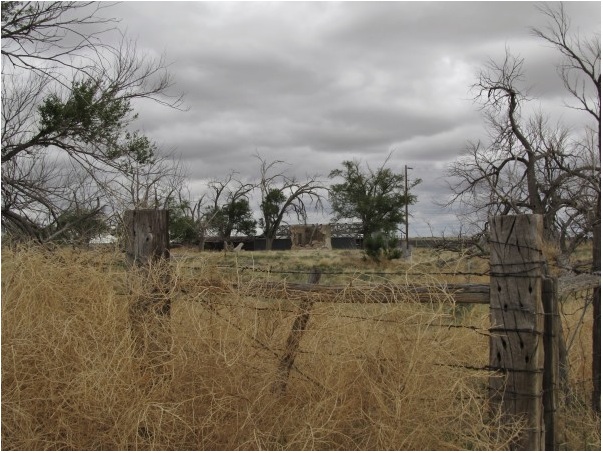
Aurora and Colorado Springs have faced decades of criticism from southeastern Colorado counties for past purchases and dry-ups that left areas like Crowley County looking like Dust Bowl victims. More recent farm water purchase agreements in places like Bent County limit the number of years in a row a city could take farm water, and make other concessions to try to support local economies.
Colorado Springs Utilities said after the bill’s final passage, “We recognize that revegetation of formerly irrigated lands is a fundamental requirement for any water transfer.”
“We strive to forge mutually beneficial partnerships in the Arkansas River Basin, which is why our team spent over three years negotiating terms and conditions for our water projects in Bent County,” Colorado Springs officials said, in a statement.
Colorado Springs officials said they appreciated the negotiations over House Bill 1340 for “taking these concerns seriously so that we could reach a compromise on the introduced bill that upholds our local agreements. … We believe that reliance on science and collaboration with local governments allows projects to be tailored to unique community and regional needs.”
More by Michael Booth