New Songbird Habitat Study Unlocks Benefits for the Monarch Butterfly — USDA

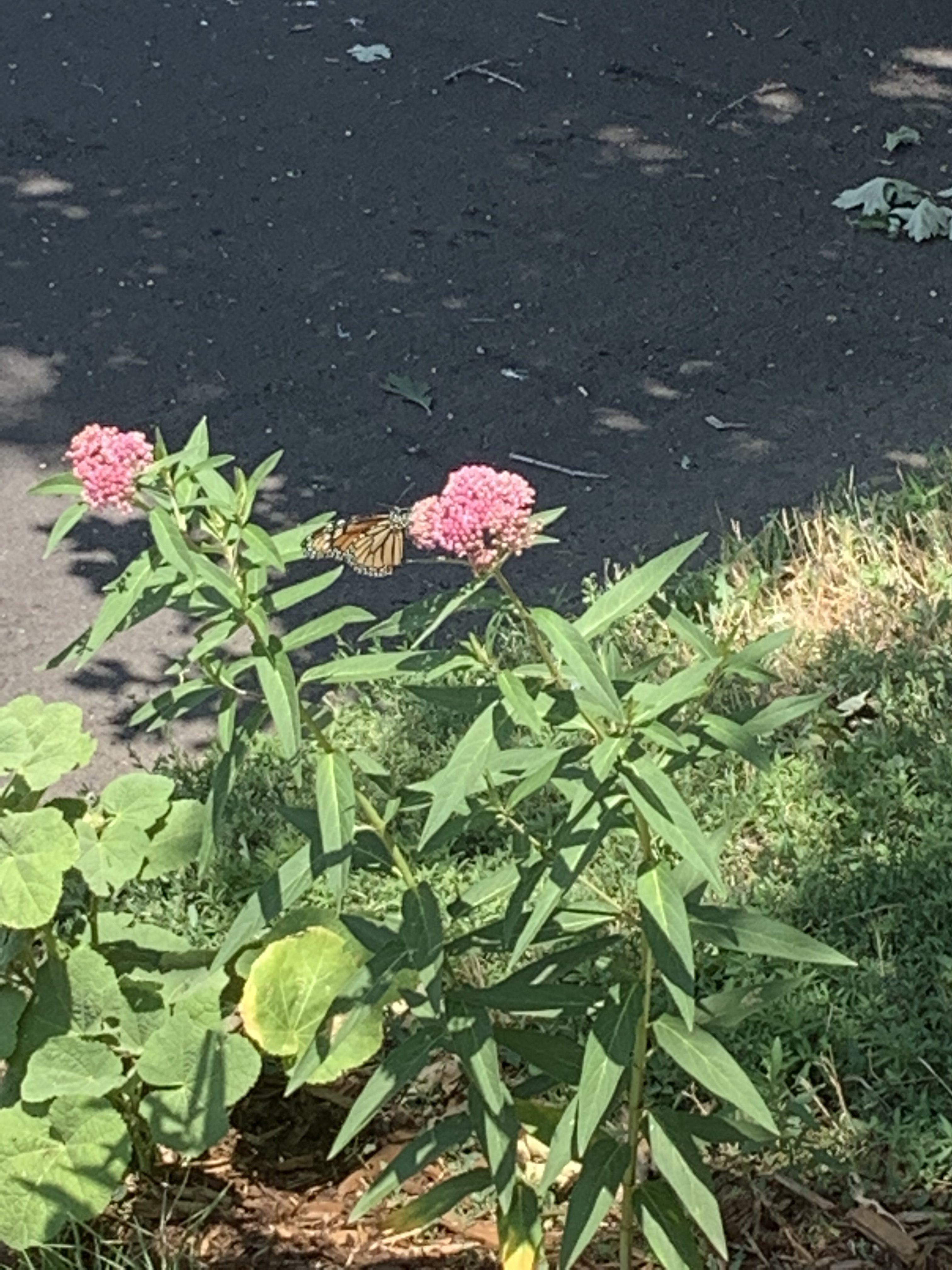
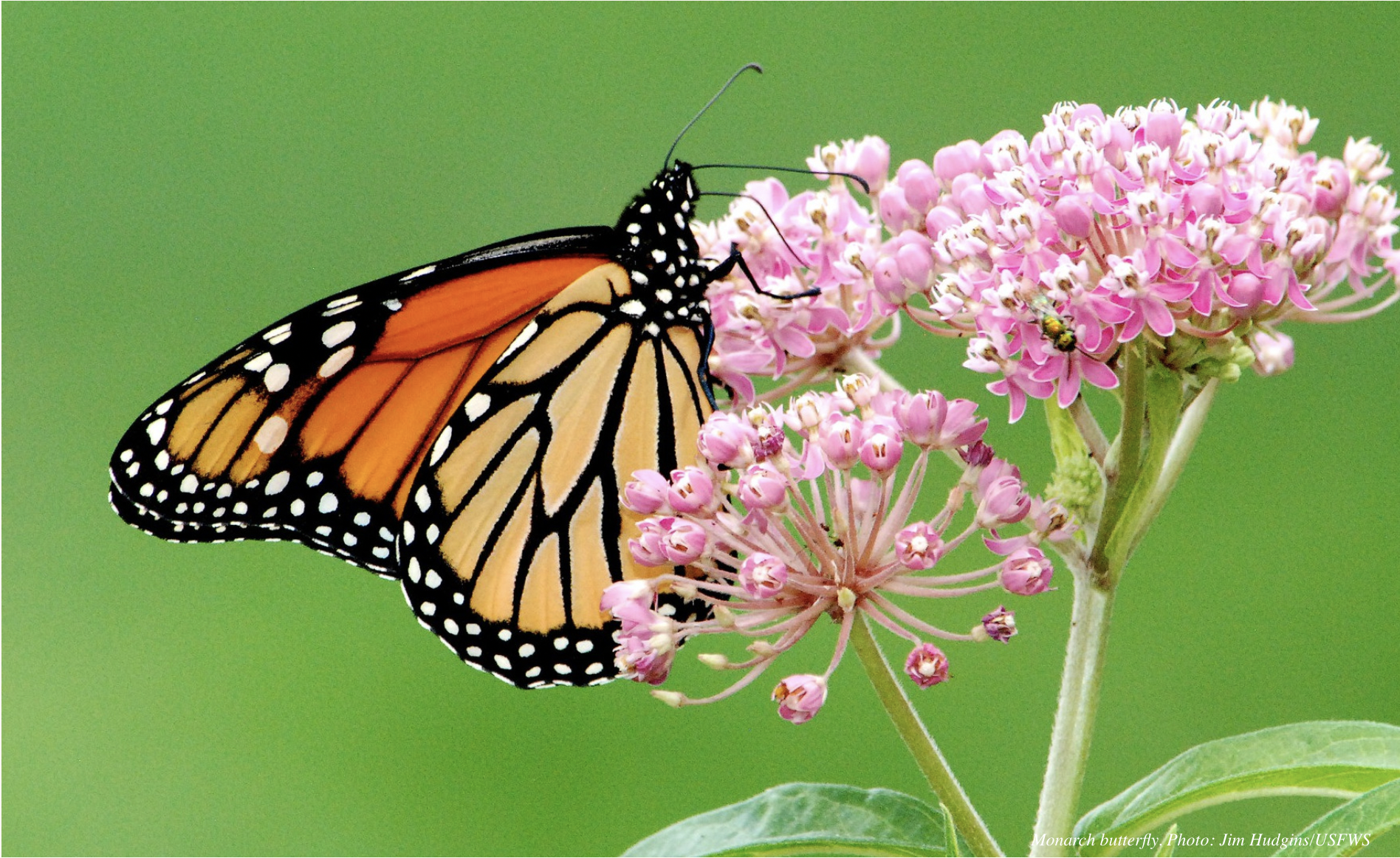
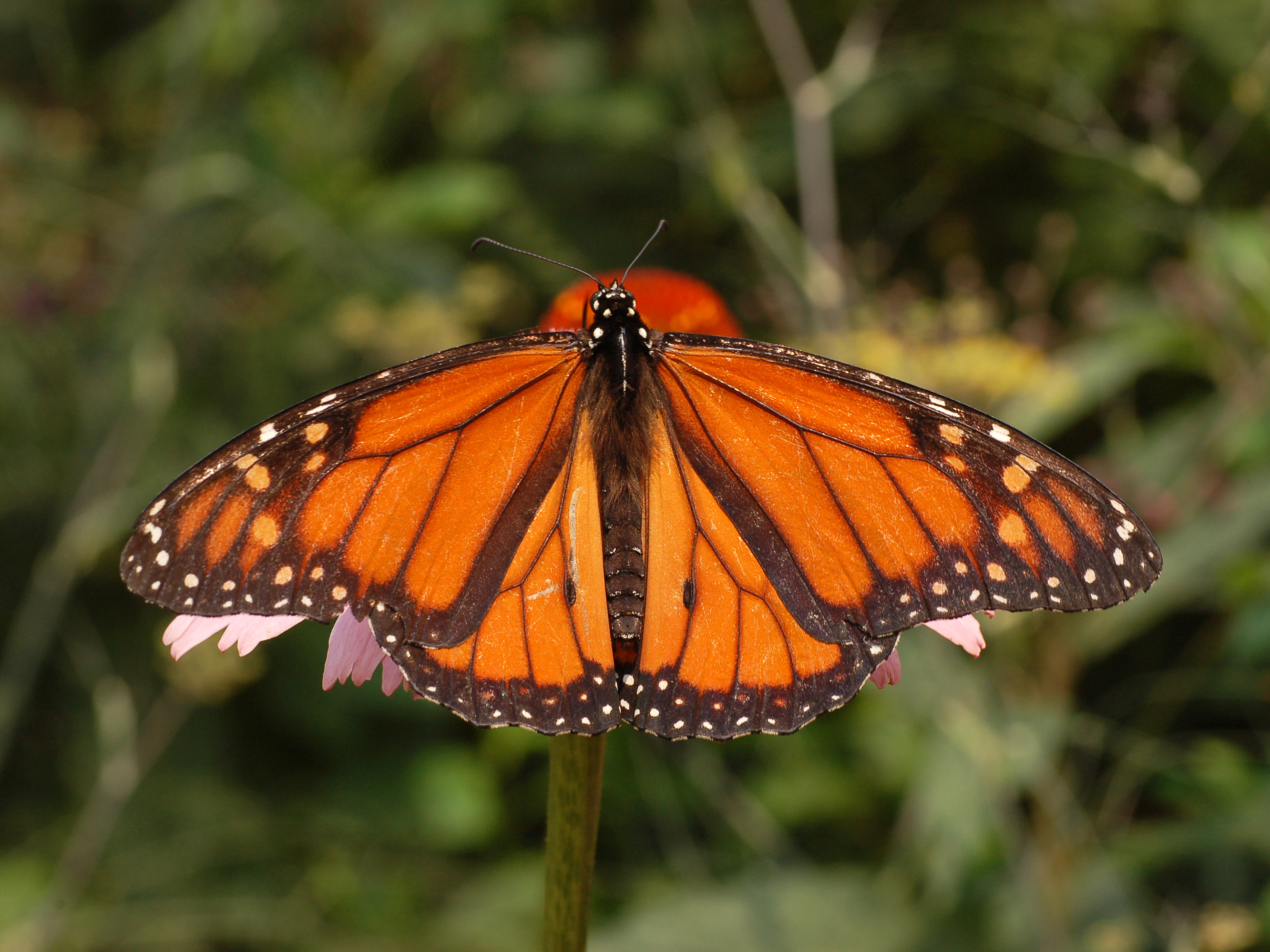
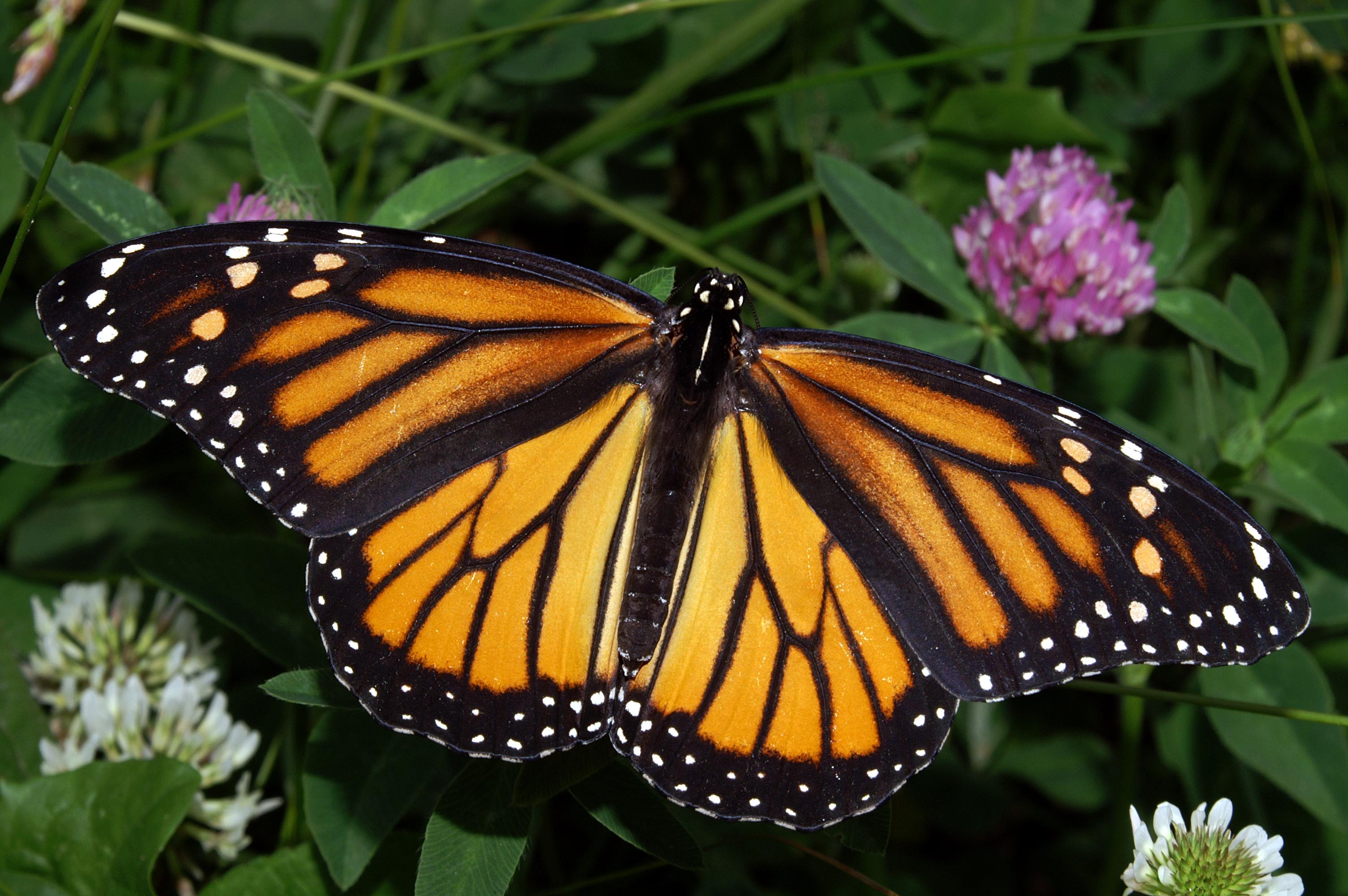
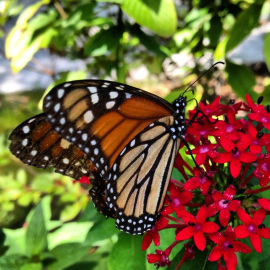
Monarch butterfly on milkweed. Photo credit: USDA

Click the link to read the article on the USDA website (Jocelyn Benjamin):

June 13, 2024

A new study reveals that managing habitat for songbirds like the golden-winged warbler also benefits insect pollinators like the at-risk monarch butterfly.

Exploring the young forests and shrublands within the eastern deciduous forests of the United States, this study, which was highlighted in a Science to Solutions report by the Indiana University of Pennsylvania, thoroughly unravels the co-benefits that managing for early-successional habitat offers to both the golden-winged warbler and monarch butterfly. Managing for forest-age diversity improves the overall long-term health of forest communities and wildlife habitat. This research will help USDA strengthen conservation solutions for the Monarch butterfly and other pollinators.
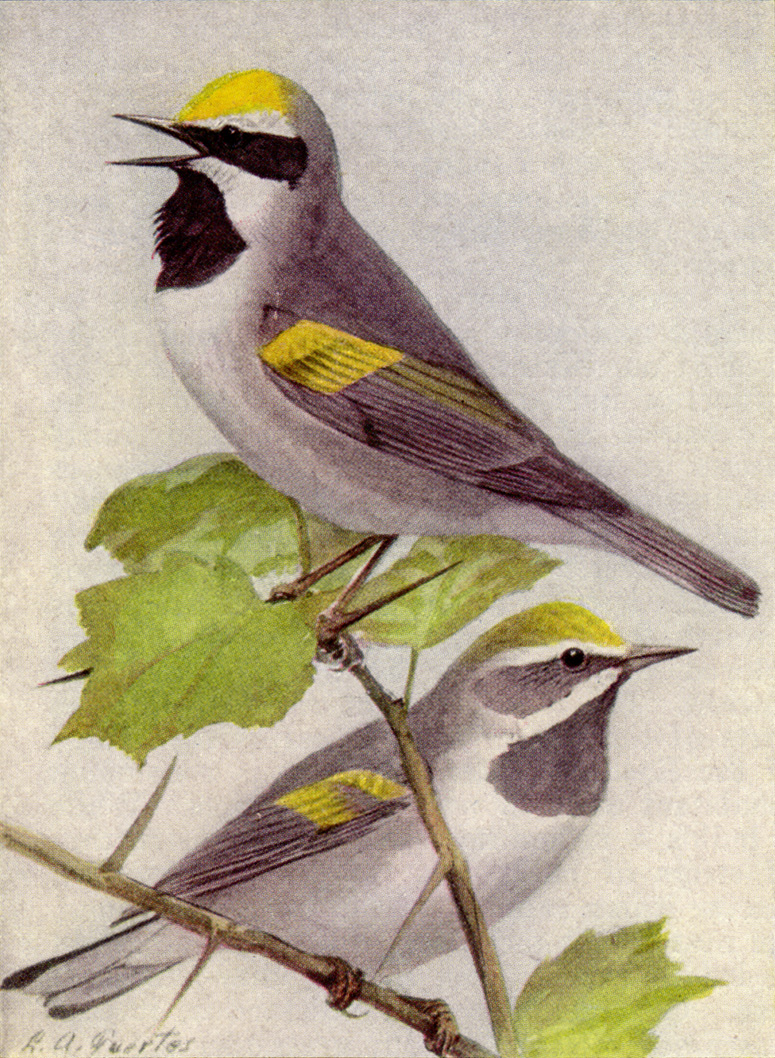
Golden-winged Warbler Male and Female (Vermivora chrysoptera). By Louis Agassiz Fuertes. – 300 ppi scan of the National Geographic Magazine, Volume 31 (1917), page 308, panel C., Public Domain, https://commons.wikimedia.org/w/index.php?curid=167346

Common management solutions promoting early-successional communities like shrublands and young forests, are expensive, due to the management tools needed to simulate natural disturbances like wildfire, beaver activity, and severe weather that revert older sites to early-successional young forest conditions. 

To combat these challenges, USDA’s Natural Resources Conservation Service (NRCS) offers cost-effective management tools and technical assistance to private landowners through the Working Lands for Wildlife (WLFW) initiative.

WLFW offers management planning to improve forest stand quality and structure while promoting conservation benefits for specific wildlife species, which may also impact non-focal species. In this case, the golden-winged warbler is a focal species for multiple NRCS working lands programs in the Appalachian Mountains and Great Lakes, and shares common habitat goals with pollinators, including butterflies and native bees.

The report outlines several recent studies that assessed how pollinator species respond to avian-focused early successional habitat management in the Great Lakes and provides evidence that breeding habitat management efforts for the Warbler not only benefit pollinators but also many other non-focal species of conservation concern, including the American Woodcock and Eastern Whip-poor-will.

The monarch butterfly populations have declined significantly over the past few decades due to critical population stressors, including reductions in milkweed and nectar plant availability, driven by the loss and degradation of habitat across its range. 

This drastic decline has sparked concerted efforts to create and enhance monarch habitat. The studies found that abundant blooming plants within forested landscapes, with emergent herbaceous wetlands nearby, combine habitat components for pollinators by containing pollen and nectar at a single site. Given that many disturbance-dependent flowering herbaceous plants like goldenrod colonize recently managed golden-winged warbler sites, coupling insect pollinators with warbler habitat creation benefits multiple species.

NRCS continues to offer this multispecies benefits approach through its working lands initiative, which nets a win-win for songbirds, pollinators, and owners and operators of working forests.

Learn more about NRCS conservation outcomes for the golden-winged warbler by watching ā€œOutcomes from NRCS Golden-Winger Warbler Conservation Effortsā€ or how NRCS can help you create or enhance habitat for monarch butterflies on your working lands.

More Information:

NRCS will host a free, one-hour Conservation Outcomes Webinar during National Pollinator Week that shares findings on the value of voluntary conservation practices to support pollinators nationwide. Additional details are available on theĀ Conservation Outcomes Webinar Series webpage.

A year of record breaking global temperatures — @Ed_Hawkins #ActOnClimate

Town of #Kiowa files lawsuit against developer on water provider’s board: Legality of Tim Craft’s position on Kiowa water authority at question in suit — Elbert County News

Kiowa Creek. Photo credit: The Town of Kiowa

Click the link to read the article on the Elbert County News website (Ellis Arnold). Here’s an excerpt:

June 25, 2024

Because the town argues that Craft was not qualified to serve on the water provider’s board, the complaint says that legally, ā€œa vacancy existed since his appointment in 2022 by the Town.ā€ The Kiowa Board of Trustees — the equivalent of a town council — object to Craft’s activity on the water provider’s board, according to the suit.

ā€œMr. Craft has publicly stated an intent to unlawfully terminate a separate operating agreement between the Town and KWWA,ā€ the complaint says. ā€œMr. Craft’s actions create a risk of irreparable harm to the Town of Kiowa and the Board of Trustees, because he is exercising authority and duties to which he has no lawful right.ā€

According to the complaint, in order to serve on the water provider’s board, a person must meet one of three criteria:

• They are a resident of the town who is registered to vote in Colorado;

• They own ā€œreal propertyā€ within the town boundaries;

• Or they are the person designated by the owner of real property within the boundaries of the town to be qualified to serve on the board by such owner. (The designation by an owner does not require that the person be appointed to the board.)

Craft’s designation to serve did not meet the third criteria, the complaint argues.

How Do Beaver Dams Affect Water Quality? — Environmental Protection Agency

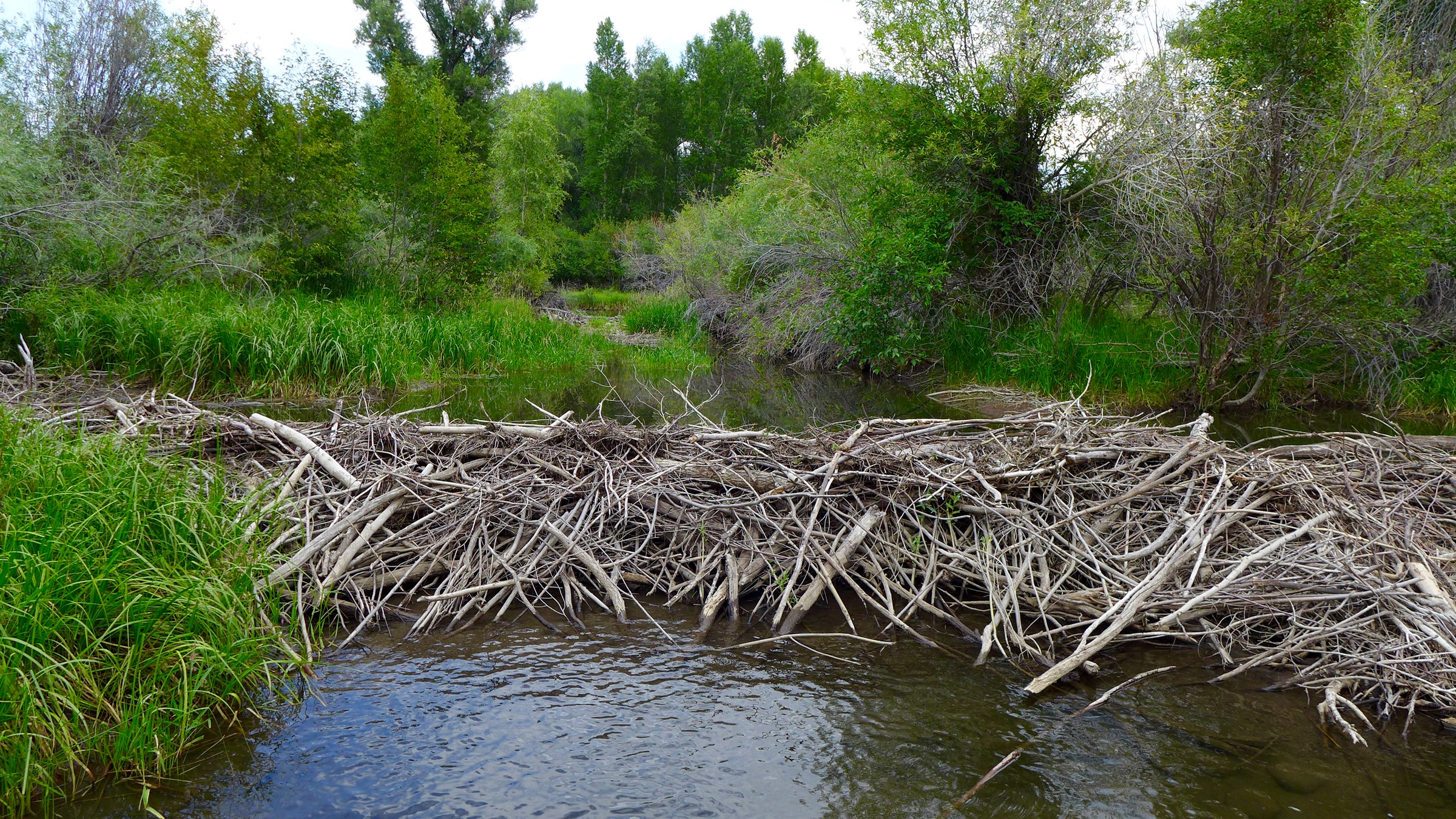
A beaver dam on the Gunnison River. Photo: Brent Gardner-Smith/Aspen Journalism

Click the link to read the article on the EPA website (Melissa Payne):

June 11, 2024

Considered nature’s engineers, beavers build dams across streams to create ponds. The lodges within these dams can only be accessed through underwater entrances, keeping beavers safe from predators like bears and wolves. After historical overhunting, beaver populations are growing—in part because of recent reintroduction programs—and are settling down in places they’ve never been found before, including Tierra del Fuego and the Arctic. Beavers are a keystone species because of their significant impact on streams, the movement of water, water quality, and the other animals that live there. Beavers can alter their environments in many ways, especially through dam construction. The effects of these dams can be different in geographical regions (also known as biomes), but scientists do not have a clear understanding of how they impact water quality, habitat, and sedimentation in floodplains. 

ā€œDue to limited study in many biomes, some research scientists and land use managers must make decisions on how the conservation, expansion, and reintroduction of beavers can alter their local streams based on findings from ecosystems that are more frequently studied and better understood,ā€ said EPA researcher Ken Fritz.

The Scientific Question

Because stream ecosystems are complex, it can be difficult to understand how disturbances and changing environmental conditions will impact the ecosystem. Additionally, the impacts of beaver dams may vary widely across biomes because the underlying watershed characteristics are different.

EPA scientists Ken Fritz, Tammy Newcomer-Johnson, Heather Golden, and Brent Johnson, in collaboration with researchers from Miami University, Ohio, conducted a scientific literature review to better understand how beaver dams impact stream systems across different biogeographical regions. Their paper, ā€œA global review of beaver dam impacts: Stream conservation implications across biomes,ā€ used 267 peer-reviewed studies to quantify the effects of beaver dams.  Literature reviews summarize the main points of scientific research already published on a specific topic, which helps determine future efforts. The paper provides a current understanding for environmental managers on how the conservation, expansion, and reintroduction of beavers can alter streams in different geographical locations.

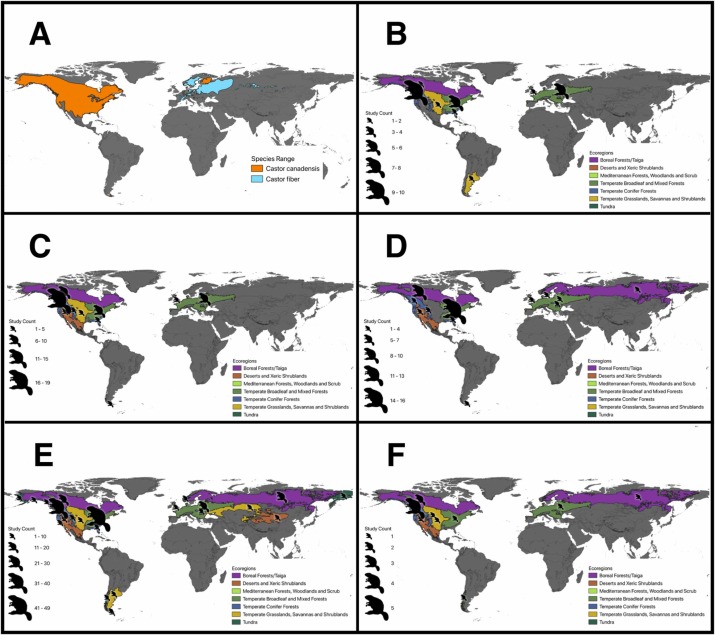
Fig. 1. Distribution of beaver home ranges (A) and studies examined across biomes by category; B) morphology, C) hydrology, D) water chemistry, E) aquatic biota, F) habitat. Home range distribution data was attained from the International Union for Conservation of Nature (https://www.iucnredlist.org/).

What the Scientists Discovered

The literature review found that beaver dams had significant environmental effects across all studied biomes. The impacts on stream morphology (the shape of river channels and how they change in shape and direction over time) and stream hydrology (water movement) were similar across geographical regions. Stream integrity, or health, also appeared to improve with beaver conservation in all biomes. The geographical region influenced how water quality and plant and animal life changed in response to beaver dams.

Specifically, results show that while nitrate and suspended sediments (which block the sunlight that bottom-dwelling plants need to survive) decreased downstream from beaver dams, pollutants like methyl mercury, dissolved organic carbon, and ammonium concentrations increased. Total nitrogen and phosphorus concentrations tended to not be affected by beaver dams. The effects beaver dams have on pollutants vary depending on environmental conditions —like temperature, sunlight, water velocity and depth – that aid in changing and transporting certain pollutants. EPA scientist Heather Golden noted that ā€œthe effects of beaver dams on water quality can often vary with time of year, or season.ā€ 

On a larger scale, beaver dams slow water flow and increase sedimentation, and most pollutants likely settle out of the water into sediments upstream of the beaver dam. These areas could become zones of high concentration of some pollutants and harmful hotspots for exposed wildlife. For certain pollutants like nitrogen, this temporary storage can provide time for microbes to convert nitrate pollution into harmless nitrogen gas, a process known as microbial denitrification.

ā€œWhen you clean your drinking water in your home, you throw away the dirty filter and put in a new one. This doesn’t happen with beaver dams,ā€ said EPA researcher Tammy Newcomer-Johnson. ā€œDams slow the flow of water so that heavier particles settle out. Over time, storms and floodwaters can damage the dams and wash the sediments stored behind them downstream.ā€

The paper found that beaver dams can significantly influence the areas around them. These findings can be useful for stream conservation and restoration efforts that introduce or protect beavers. The review also found that the impacts of beaver dams were most often studied in temperate forests. Additional studies are needed in dry or cold biomes historically occupied by beavers and in new environments where beaver populations are currently expanding.

Learn More About the Science

Read the journal article: A global review of beaver dam impacts: Stream conservation implications across biomes

Hawaii settles lawsuit from youths over climate change. Here’s what to know about the historic deal — The Associated Press #ActOnClimate

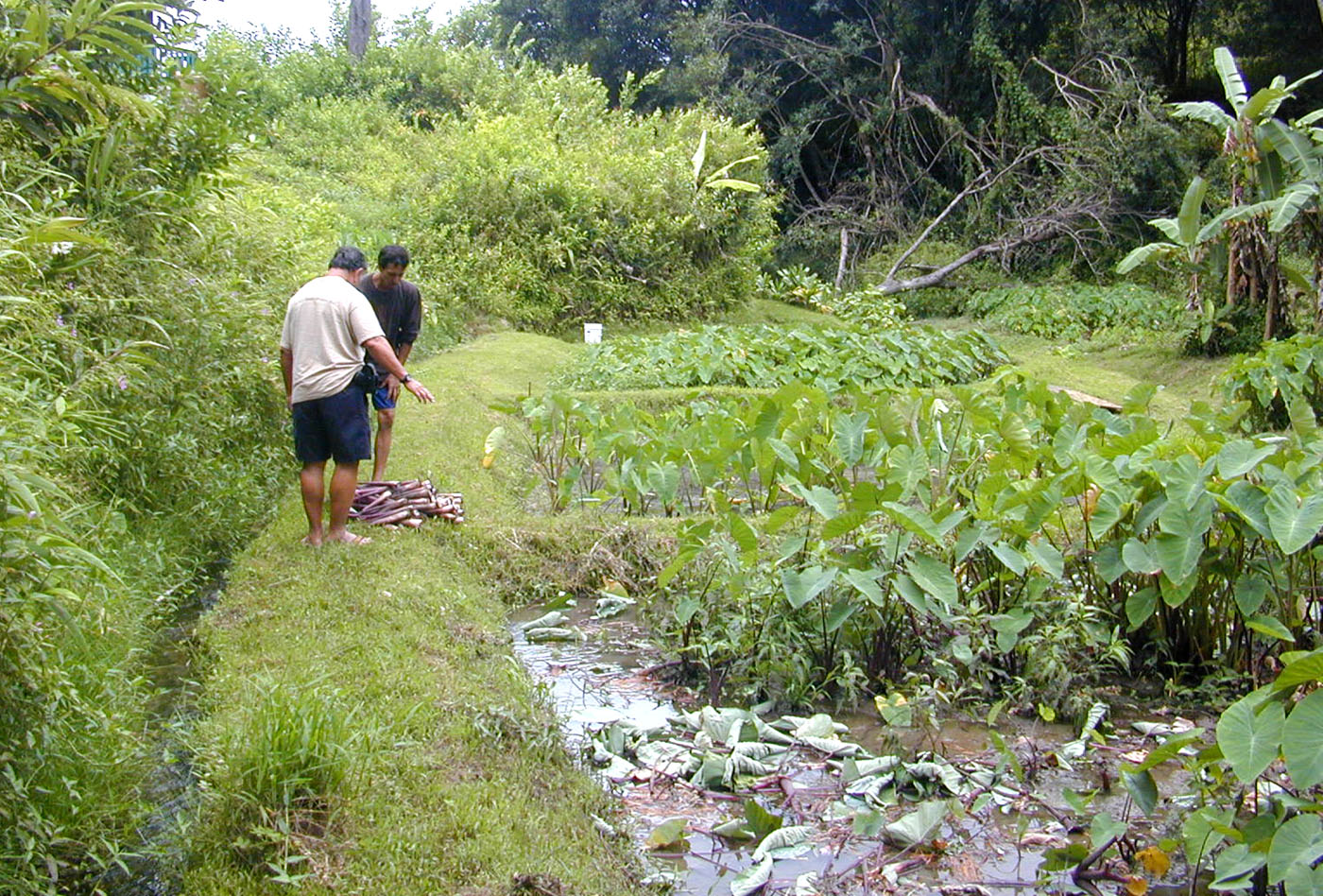
Several small loʻi (pondfields) in which kalo (taro) is being grown in the Maunawili Valley on Oʻahu, Hawaiʻi. The ditch on the left in the picture is called an ʻauwai and supplies diverted stream water to the loʻi. CC BY-SA 3.0, https://commons.wikimedia.org/w/index.php?curid=2149237

Click the link to read the article on the Associated Press website (Jennifer Sinco Kelleher). Here’s an excerpt:

About two years after 13 children and teens sued Hawaii over the threat posed byĀ climate change, both sides reachedĀ a settlementĀ that includes an ambitious requirement to decarbonize the state’s transportation system over the next 21 years. It’s another example of a younger generation channeling their frustration with the government’s response to the climate crisis into a legal battle. Navahine v. Hawaii Department of Transportation is the world’s first youth-led constitutional climate case addressing climate pollution from the transportation sector, according to statements from both sides…

The lawsuitĀ said one plaintiff, a 14-year-old Native Hawaiian, was from a family that farmed taro for more than 10 generations. However, extreme droughts and heavy rains caused by climate change have reduced crop yields and threatened her ability to continue the cultural practice.

The next Aspinall Unit Operations meeting is August 15, 2024

Blue Mesa Reservoir. MichaelKirsh / CC BY-SA (https://creativecommons.org/licenses/by-sa/4.0)

From email from Reclamation (Erik Knight):

July 8, 2024

The next Aspinall Operations meeting is officially scheduled for Thursday, August 15th. We have moved from the August 22nd date due to the conflict with Water Congress. Start time will be the usual 1:00pm

The meeting will be held at the Western Colorado Area Office in Grand Junction. Due to the ongoing repairs of the US50 bridge over Blue Mesa Reservoir we have decided not to hold the meeting at the desired location of the Elk Creek Visitor Center at Blue Mesa Reservoir.

A String of Supreme Court Decisions Hits Hard at Environmental Rules — The New York Times #ActOnClimate #WOTUS

Click the link to read the article on The New York Times website (Coral Davenport). Here’s an excerpt:

June 29, 2024

This term, the court’s conservative supermajority handed down several rulings that chip away at the power of many federal agencies. But the environmental agency has been under particular fire, the result of a series of cases brought since 2022 by conservative activists who say that E.P.A. regulations have driven up costs for industries ranging from electric utilities to home building. Those arguments have resonated among justices skeptical of government regulation. On Friday [June 28, 2024], the court ended the use of what is known as the Chevron doctrine, a cornerstone of administrative law for 40 years that said that courts should defer to government agencies to interpret unclear laws. That decision threatens the authority of many federal agenciesĀ to regulate the environment and also health care, workplace safety, telecommunications, the financial sector and more…

But more remarkable have been several decisions by the court to intervene to stop environmental regulations before they were decided by lower courts or even before they were implemented by the executive branch. On Thursday, the court said the E.P.A. could not limit smokestack pollution that blows across state borders under a measure known as the ā€œgood neighbor rule.ā€ In that case, the court took the surprising step of weighing in while litigation was still pending at the United States Court of Appeals for the District of Columbia Circuit.

Iron Fen. Photo credit from report “A Preliminary Evaluation of Seasonal Water Levels Necessary to Sustain Mount Emmons Fen: Grand Mesa, Uncompahgre and Gunnison National Forests,” David J. Cooper, Ph.D, December 2003.

The court also acted in an unusually preliminary fashion last year when itĀ struck down a proposed E.P.A. ruleĀ known as Waters of the United States that was designed to protect millions of acres of wetlands from pollution, acting before the regulation had even been made final…Similarly, in a 2022 challenge to an E.P.A. climate proposal known as the Clean Power Plan, the courtĀ sharply limited the agency’s ability to regulate greenhouse gas emissionsĀ from power plants, even though that rule had not yet taken effect.

That kind of intervention has little in the way of precedent. Usually, the Supreme Court is the last venue to hear a case, after arguments have been made and opinions have been rendered by lower courts…Collectively, those decisions now endanger not only many existing environmental rules, but may prevent future administrations from writing new ones, experts say…

For example, the court’s decision to curtail the E.P.A.’s authority to regulate wetlands and so-called ephemeral streams means that aboutĀ half the nation’s wetlands could be polluted or paved without federal penalty, potentially harming thousands of species of plants and animals. In addition,Ā new research has shown that the court’s decisionĀ also makes major American river basins vulnerable to pollution.