Energy policy — nuclear: Colorado orders Cotter to start treating the water at the Schwartzwalder mine

A picture named uranium.jpg

From the Associated Press via The Durango Herald:

The Colorado Division of Reclamation Mining and Safety said Thursday it doesn’t believe the plan would prevent uranium from contaminating Ralston Reservoir, which supplies some of the Denver area’s drinking water. Loretta Pineda, the agency’s director said Cotter has been directed to resume treating the water and submit a new plan within two weeks.

From The Denver Post:

The state Division of Reclamation Mining and Safety rejected the protection plan Cotter submitted last month and instructed the Denver-based company to submit a water-treatment plan within two weeks, the agency said in a news release…Cotter had proposed a man-made wetland and a chemical filter to capture uranium leaking from the mine.

More nuclear coverage here and here.

Energy policy — nuclear: Colorado orders Cotter to start treating the water at the Schwartzwalder mine

A picture named uranium.jpg

From the Colorado Independent (David O. Williams):

The mining division required Cotter to begin water treatment at its Schwartzwalder uranium mine west of Arvada by July 31.

“The mining division took bold and decisive action to protect our drinking water,” Jefferson County Commissioner Kathy Hartman said in a release. “I am pleased to see immediate action to protect Ralston Reservoir.”

Uranium levels at the mine itself exceeded 1,400 times Colorado water quality standards.

“Thousands of people depend on clean water from Ralston Reservoir, and we can’t afford for Cotter to drag its feet cleaning up their mess,” said Matt Garrington, program advocate with Environment Colorado and a Jefferson County resident. “The mining division deserves praise for taking strong action.”

More nuclear coverage here and here.

Evergreen: Flushing the pipes

A picture named flushingfirehydrant.jpg

From the Canyon Courier:

The Evergreen Metropolitan District will begin the annual water-main flushing program the first week of June and continue through the summer. Affected areas will be Tanoa, El Pinal, Wah Keeney Park, Hiwan Hills and Hiwan. The purpose of water-main flushing is to remove fine particles that settle in the water mains that cause color, taste and odor issues. If you have any questions, contact the Evergreen Metropolitan District at 303-674-4112.

More infrastructure coverage here.

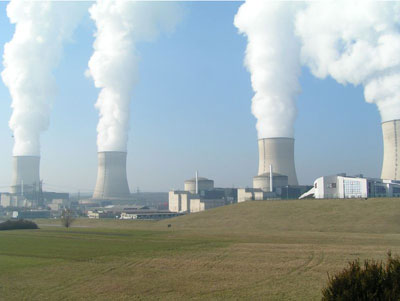
Energy policy — nuclear: Arvada and Denver officials are pressuring state mining regulators to force Cotter to cleanup the Schwartzwalder mine

A picture named nukeplantcattenomfrance.jpg

From The Denver Post (Bruce Finley):

The latest water-quality tests showed that Ralston Creek below Schwartzwalder mine carried as much as 390 parts per billion of uranium, which is 13 times higher than the 30 ppb health standard. Contamination of groundwater at the source — inside the mine — exceeded the standard by 1,000 times. Drinking water remains safe, Denver Water and Arvada authorities said, because uranium is removed from Ralston Reservoir water by municipal water treatment plants. Still, even after treatment, uranium levels appear to be rising in some systems. In Arvada, reservoir water tested at 7.2 ppb before treatment. Uranium in drinking water sent to the city’s household customers increased to 1.2 ppb in April from 0.9 ppb in January.

“We’re urging the state to take immediate action,” said James McCarthy, Arvada’s chief of regulatory and environmental compliance. “We’re not retooling for uranium removal. That’s not just something you can turn a switch and do. That’s why Cotter has to do something about this. Why didn’t they make it known sooner?”

Jefferson County officials said they’ve been in regular contact with state regulators. The reservoir’s owner, Denver Water, “would like to see immediate and aggressive steps to ensure that reclamation of the mine is completed in a timely manner,” spokeswoman Stacy Chesney said.

Colorado’s top water-quality overseer sent a memo May 10 to the mining regulators recommending swift action. “If a permanent solution cannot be implemented in a very short time frame, then an interim solution, such as pumping and treating as much contaminated water as possible, should be launched immediately,” wrote Steve Gunderson, director of water quality control for the state health department. Cotter’s mine “is causing a violation of stream standards. That’s the thing we’re waiting to get addressed. They cannot have a discharge that is violating stream standards,” Gunderson said Wednesday.

More Schwartzwalder coverage here. More nuclear coverage here and here.

Energy policy — nuclear: State Water Quality Control Division nukes Cotter plan for Schwartzwalder mine mitigation

A picture named uranium.jpg

From the Associated Press via CBS4Denver.com:

Cotter Corp. has submitted a plan to state mining regulators to reduce uranium levels in Ralston Creek from the closed Schwartzwalder Mine. The water flows into a reservoir that supplies some of Denver’s drinking water. The Water Quality Control Division of the state health department told mining regulators in a memo Monday that Cotter’s plan doesn’t reduce uranium in the water to acceptable levels…

The state Office of Mined Land Reclamation expects to decide by May 19 whether to approve or reject Cotter’s plan or seek more information.

Meanwhile here’s a look at HB 10-1348 and how it will impact Cotter’s plans for their mill in Cañon City from Marjorie Childress writing for the Colorado Independent. From the article:

A controversial plan to open an old uranium mine on Mt. Taylor near Grants, New Mexico, faces an obstacle in the new law passed by the Colorado legislature that forbids increased operations at uranium mills until the mill companies clean up sites contaminated in the past. The Cotter Uranium Mill, just a little over a mile south of Cañon City is owned by the same company that owns the Mt. Taylor mine and is the designated recipient of future Mt. Taylor uranium ore. Under the new law, which Colorado Gov. Bill Ritter has yet to sign, Cotter would not be able to accept the ore, at least not any time soon. “This is not unexpected,” John Hamrick, vice president of milling at Cotter, told the Cañon City Daily Record. “This bill will prevent us from processing the Mount Taylor ore.”

Click through and read the whole article — there is a lot of good detail.

More HB 10-1348 coverage from Matthew Beaudin writing for the Telluride Daily Planet. From the article:

The bill will essentially require companies to clean as they go, curtailing the toxic sites that dot the Western landscape and the towering cleanup costs that saddled taxpayers. (Colorado alone has shelled out more than $1 billion to cleanup the industry.) Last week, the Senate voted 24-9 in favor of the bill and the house later readopted the bill resoundingly, 60-3. Now, it waits for Ritter to vault it into law…

Hilary White, Sheep Mountain Alliance’s executive director, helped work on the measure and said Ritter will sign the bill “shortly.”[…]

Taxpayers have spent more than $950 million to clean up toxic pollution at past uranium milling operations located primarily on Colorado’s Western Slope, according to the U.S. Department of Energy. “It means that the bad actors in the uranium industry will not be allowed to operate if they are in violation of contaminating the environment,” White said. “It’s been shown time and time again that uranium companies just walk away from their messes.”[…]

Jeffrey Parsons, a senior attorney with the Western Mining Action Project, which supports the bill, said there’s no guarantee Cotter will be able to get ore from Mount Taylor, which is considered sacred land by as many as 30 Indian tribes. White said the measure will also increase bonding obligations for operators in hopes of stanching the costs of future cleanup. All told, the Naturita mill site cost $67 million to clean up and the Uravan site, designated a Superfund site, cost $120 million to clean, White said. Also according to Sheep Mountain, Energy Fuels, the company planning to build a mill in Paradox Valley, plans to put up $12 million in bonding. Bonding in general, she said, was “less than adequate.” “The industry is a mess and needs to be cleaned up,” she said.

More Schwartzwalder mine coverage here.

Energy policy — nuclear: Colorado natural resources and health regulators don’t yet agree with Cotter for proposed remediation at the Schwartzwalder Mine

A picture named uranium.jpg

From The Denver Post (Bruce Finley):

Denver Water and environmentalists on Wednesday demanded an aggressive cleanup to protect public health. They say drinking water is safe because water treatment plants remove uranium. State natural resources and health regulators are reviewing a cleanup proposal that Cotter submitted eight days ago. Cotter’s proposed options include:

• Rerouting Ralston Creek through pipes around the mine. This could harm aquatic life but prevent contamination from reaching Denver Water’s Ralston Reservoir.

• Creating an artificial wetland that gradually could filter out uranium. Critics said this could be too slow.

• Installing a barrier to filter the uranium from water before it gets to the creek or groundwater.

• Digging out toxic soil 20 feet deep at the mine and hauling it to a disposal site. That remedy may depend on whether groundwater links to the mine, more than 2,000 feet deep…

“If we can demonstrate there’s no communication between the mine pool and the groundwater that results in a measurable impact, then we may not have to do anything with the mine pool,” Cotter vice president John Hamrick said. “We all agree there’s a problem. We’re working to address it.”[…]

“If (Cotter’s proposal) is determined to be deficient, (state regulators) will ask for the deficiencies to be corrected,” Colorado Department of Natural Resources spokesman Theo Stein said. State inspectors documented contamination in 2007, records show. They negotiated with Cotter, which argued that the mine was not a facility subject to state law. The law was changed in 2008 to include uranium mines. In 2009, regulators rejected Cotter’s initial cleanup plan as inadequate…

Denver Water officials are waiting for results from water tests done last week at Ralston Creek and Ralston Reservoir, spokeswoman Stacy Chesney said. “The faster the parties can agree on a plan, the better it will be for everyone,” she said.

More Schwartzwalder mine coverage here. More nuclear coverage here and here.

Energy policy — nuclear: Schwartzwalder Mine uranium tainted water threatens Ralston Creek/Ralston Reservoir

A picture named nukeplantcattenomfrance.jpg

From the Cañon City Daily Record (Rachel Alexander):

Groundwater near the Schwartzwalder Mine contains uranium levels that are 1,000 times higher than the human health standards, according to an Associated Press article. The contaminated groundwater is near Ralston Creek, which flows into Ralston Resevoir. The resevoir supplies water to Denver and Arvada.

John Hamrick, Cotter’s vice president of milling, said the company had been working with the Department of Reclamation and Mining Safety to address the issue. “We have a plan that is due to them Monday about different remedial alternatives,” Hamrick said. The mine is located north and west of Golden. Hamrick said it started operations in the 1950s and was closed in 2000.

He said there were three parts to the mine when it was in operation: the underground mine, an ore sorter and a water treatment plant for water used in the mining operation. The company has a license through the Colorado Department of Public Health and Environment for the ore sorter and water treatment plant. “We’re in the final process of terminating that license,” he said…

Hamrick said the groundwater flow from the creek goes through waste rock from the mine and that is probably where it is picking up uranium. While the mine itself has water in it, that water level is steady. “We do not think that the mine water is getting into the creek,” he said.

Here’s some history for the mine from Wikipedia:

In 1949 janitor and weekend prospector Fred Schwartzwalder discovered uranium at an abandoned copper prospect in Jefferson County about ten miles northeast of Central City and eight miles north of Golden. The deposit consists of Tertiary hydrothermal veins filling fracture zones oriented predominantly NNW-SSE in gneiss, schist, and quartzite of the Precambrian Idaho Springs Formation. The chief ore mineral is pitchblende, which occurs with adularia and ankerite. Schwartzwalder could interest no one in his discovery, so he drove the first adit of the Schwartzwalder mine by himself, made the first ore shipment in 1953, and sold the mine in 1955. The Schwartzwalder mine was the source of more than 99% of the uranium produced from the Front Range province. The mine operated until 1995, producing 17 million pounds (7700 metric tons) of uranium oxide. The mine is owned by General Atomics subsidiary the Cotter Corporation, which estimates that there are an additional 16 million pounds (7300 metric tons) of uranium oxide resource remaining in the mine.

More coverage from The Denver Post (Bruce Finley):

Uranium concentrations in groundwater 30 feet beneath the brim of the Schwartzwalder Mine exceed the human health standard for uranium by more than 1,000 times, according to state records reviewed Thursday. Unhealthy concentrations also were detected in Ralston Creek, which eventually enters Denver Water’s Ralston Reservoir. The reservoir supplies water to Denver and Arvada.

Denver Water managers say no uranium contamination has entered the drinking-water supply…

Neither Cotter nor the Colorado Department of Public Health and Environment, which is responsible for water quality, notified Denver Water. “It would have been nice to know,” said Brian Good, Denver Water’s manager of operations and maintenance. Denver Water now will increase testing for uranium, Good said, calling on Cotter to clean it up. Because Denver’s Moffat water- treatment plant is closed for maintenance, no Ralston Reservoir water currently enters Denver’s drinking-water system, Good said. “Our water is safe,” he said, “but it’s a little bit troubling that (uranium) is coming into our reservoir in those concentrations.”[…]

Colorado’s Division of Reclamation, Mining and Safety “does not believe conditions requiring an emergency response currently exist. If they should arise, (the state) can require Cotter to pump and treat mine water to bring down levels and ensure groundwater is not jeopardized,” state spokesman Theo Stein said.

From the Associated Press via the Sky-Hi Daily News:

Cotter vice president John Hamrick says they’re considering several methods to deal with the contamination, including creating a wetland.

More nuclear coverage here and here.

Idaho Springs wins the Colorado Rural Water Association ‘Wastewater System of the Year’ award for 2009

A picture named wastewatertreatmentwtext.jpg

From the Clear Creek Courant (Ian Neligh):

Water/wastewater superintendent Chris Brownell said the award is a big achievement, considering the shape of the facility in past years. “We were the embarrassment of the industry until about four years ago,” Brownell said. “We just turned it around (from the) top down.”[…]

“In this case the reason we were nominated and got (the award) was because of nutrient removal, and so it is just operational changes,” Brownell said. “The plant was not built for or designed to do what we’re doing, so it is just quality people.”

Brownell said downstream users nominated Idaho Springs for the award — users who once were less than pleased with the wastewater leaving the city. “We were actually nominated by down-streamers who used to hate us,” Brownell said…

Water/wastewater employee Mike McElhaney was given the 2009 Rookie Wastewater Operator of the Year.

More wastewater coverage here.

Clear Creek restoration

A picture named clearcreekcanyon.jpg

From The Denver Post (Charlie Meyers):

This quasi-urban creek, where many tens of thousands of vehicles speed past daily on an interstate highway, is returning to nature through a restoration project on its upper reaches…

As for Clear Creek, Caraghar’s mission becomes even more personal. “My family drifted here as miners way back when. Now we’ve come to realize what we did. Now we know it was ignorance. If you drew a circle around the four forks of Clear Creek, you’d describe a Superfund site. I feel a lot of responsibility.” He gets release in part from the talks, which some believe call too much attention to the watershed. “I get grief from talking about Clear Creek, but there’s 28 miles to fish. If you’re willing to do some bushwhacking, that distance grows. Most people aren’t willing to walk very far from where they park. I call it the 200-yard margin, and it’s why I spend so much time fishing the upper creek.”

More coverage from The Denver Post (Charlie Meyers):

A Denver resident, [Miles Williams] is a retired Ph.D. from Pennsylvania State University who, as subcontractor to Frontier Environmental Services, has taken the lead in what has become a love-in for Clear Creek, one of the most abused, neglected and intriguing streams in the state. First, as a board member of West Denver Trout Unlimited, he served as director of the heralded Golden Mile project that breathed a $250,000 revival into the creek just upstream from the town of Golden. Work was completed last year. Now he has taken the lead in a similar surge of fundraising for what will be the Courtney Riley Cooper Park in Idaho Springs. “I spent nearly 2,000 hours on the Golden Mile project,” he said. “I was so naive and inexperienced. This second time around it took about one-eighth the time. I learned what was important and what was not and where to go for help.”

More Clear Creek watershed coverage here.

Golden: Pilot project to test lowering of pharmaceuticals and other pollutants with education program

A picture named clearcreek1106.jpg

From MileHighNews.com (Meredith Knight):

The study specifically targets consumer products such as shampoo, antibacterial soaps and lotions that contain chemicals that persist in the water system after they are washed away and have unknown health effects for aquatic life, according to Project Manager Sara Klingenstein. Millions of dollars are spent on studying the toxic effects of these chemicals, but little is done to study protection, EIS director Carol Lyons said. “To our knowledge nobody aside from ourselves is conducting a project to prevent contaminants of emerging concern from getting in the water,” Lyons said. In the next few months IES hopes to have a list of recommendations people could implement to reduce their chemical footprint, or the amount of chemicals they put into the wastewater system, according to Lyons.

Musk ketone, for example, is a chemical fragrance often included in shampoos and other scented products. “It’s designed to be very persistent,” Klingenstein explained, so the product’s fragrance lasts. But that means the chemical does not break down in wastewater and is ingested by the tiny krill and other organisms that larger fish eat. The contamination can then be passed on to larger organisms.

Initial water samples have been taken from the city’s wastewater system to establish baseline levels of the chemicals. EIS will conduct surveys to find out about people’s buying and using behaviors. The project’s goal is to reach 400 to 500 households.Then, the six-month community-based social-marketing campaign will begin. Klingenstein said the outreach would be interactive, rather than just providing information. She envisioned “Tupperware parties without any Tupperware” where neighborhood groups would gather to learn about contaminants, how to read labels to find them in products, and what alternative products are available. After that, water samples and consumer surveys will be taken again to see what impact the study had. If the study proves successful, EIS will make the program available to other cities and include other emerging contaminants…

The Institute for Environmental Solutions will be checking levels of more than a dozen emerging contaminants before and after its educational campaign in Golden. Those chemicals include atrazine, an herbicide, triclosan, an antimicrobial agent found in antibacterial soap, bisphenol A, found in plastic water bottles, and methylparaben, an antifungal agent used to preserve foods.

More water pollution coverage here and here.

Clear Creek Watershed Festival recap

A picture named clearcreekwatershed.jpg

From the Clear Creek Courant (Ian Neligh):

They came in throngs to the information booths along Clear Creek to learn about the watershed, listen to music and play games, all the while trying to stay dry. I think there is an awful lot of good stuff going on,” Ed Rapp, president of the Clear Creek Watershed Foundation, said while working in an information booth. The foundation is a nonprofit charged with improving the ecological, recreational and economic conditions in the Clear Creek Watershed.

More Clear Creek watershed coverage here.

Clear Creek Whitewater Park

A picture named clearcreekcanyon.jpg

From the Clear Creek Courant (Ian Neligh):

An official groundbreaking was held Aug. 11 for the Clear Creek Whitewater Park at Lawson. Plans for the park include specially engineered boulders that will provide chutes and waves for kayakers and other boaters along the 450-foot stretch of river just upstream from Mile Hi Rafting. Seating also will be provided on terraced rocks on the south bank. Other additions will include parking and a changing station with environmentally friendly toilets. Eighty percent of the funding for the $400,000 whitewater park comes from a grant from the Federal Highway Administration through the Colorado Department of Transportation. The rest is being split between the county Open Space Commission and Clear Creek County. According to Pete Helseth, chairman of Clear Creek Open Space, the stretch of Clear Creek is well known in boating communities. He said the stream’s path through the area was carved in the 1960s while Interstate 70 was being built…

Helseth said the idea behind the whitewater park is to take the existing boulders, improve the course, and make it into something more permanent. The project will be overseen by Recreation Engineering and Planning of Boulder, which did the designs at similar whitewater parks in Golden, Steamboat Springs and Buena Vista.

More whitewater coverage here.

Grizzly Creek: Home for greenback cutthroat?

A picture named greenbackvscorivercutthroat.jpg

Charlies Meyers (The Denver Post) is always looking for a new trout stream. He reports that a stretch of Grizzly Creek is above a stream full of mine runoff. That effectively blocks other species from the stretch. Here’s the report. From the article:

Janowsky is leading a broad- based team of experts poised to begin restoration on more than 2 miles of a creek whose sparkling headwaters rise off the flank of 14,267-foot Torreys Peak, a popular climbers’ destination just south of the Bakerville interchange off I-70. Funded in large part by MillerCoors, the Forest Service and Trout Unlimited and bolstered by a small army of volunteers, the effort will begin the first week of August with a launch of equipment and materials that will make the creek suitable for fish while erasing a rash of environmental scars. A buck-and-rail fence will be installed to prevent motorized incursion, while a mile of unauthorized road will be obliterated to further aid in stream protection. At the same time, a single-track trail will be maintained for hiking and other backcountry uses. Design and construction will be managed by Frontier Environmental Services, the firm that earlier was contracted by West Denver TU to design and build the so-called Golden Mile on Clear Creek. The Clear Creek Watershed Foundation will oversee the project once it has been completed, an effort that includes on-ground remediation and metals reduction…

“It’s the perfect chemical barrier to keep fish from coming in from down below,” said Paul Winkle, area biologist with the Colorado Division of Wildlife.

More Coyote Gulch conservation coverage here.

Standley Lake/Clear Creek Source Water Protection planning group open house July 30

A picture named clearcreek1106.jpg

Here’s a release from City of Northglenn Public Communications via YourHub.com:

*** The location for this event has been moved to the Community Room at West View Recreation Center, 10747 W. 108th Ave., in Westminster. Plague has been confirmed at Standley Lake Regional Park, and most of the park is closed. The time and date remain the same. ***

Residents and elected officials are invited to attend an open house at the Standley Lake Visitors Center on Thursday, July 30th between 3:00 and 5:00 pm. Participate in ongoing efforts to protect clean drinking water and gather information while enjoying refreshments and a relaxing afternoon by the lake. The Standley Lake/Clear Creek Source Water Protection Planning group is hosting this meeting to gather input on the Standley Lake Source Water Protection Plan. The plan is focused on identifying phosphorus and nitrogen sources and ways to reduce the levels of these fertilizers in Standley Lake.

Clear Creek and Standley Lake provide drinking water for over half a million people on the Front Range. Recipients of this water include residents of Georgetown, Idaho Springs, Golden, Arvada, Northglenn, Thornton and Westminster. Effective protection of these water supplies requires collaboration from local government representatives, planners, state and federal agencies, and community members and organizations. Everyone is encouraged to attend this event. Presentations and posters will provide information on pollution prevention strategies and will provide details of the Source Water Protection Plan. In addition, you will have the opportunity to learn more about how you can help to protect the health of Standley Lake and the quality of your drinking water.

The Colorado Department of Public Health and Environment is funding this effort through a $50,000 grant, which is supported by in-kind funding from a wide variety of stakeholders.

For additional information about the meeting or the planning group, contact Rob Buirgy, protection plan coordinator, at 303-953-8342 or rbuirgy@gmail.com, or go to http://www.standleyswp.com.

More Coyote Gulch Clear Creek coverage here and here.

Renaissance on the River at Clear Creek

A picture named kayaker.jpg

From the MileHighNews.com (Dennis Pleuss):

Welcome to the Renaissance on the River at the Clear Creek Whitewater Park, more affectionately known as the Golden Playpark by those who frequent the waters. [Jessica] Vose was just one of many people who have taken advantage of the free instruction offered by Denver-based Renaissance Adventure Guides every Wednesday evening, where everyone from beginners to regulars take to the water for a little relaxation and some thrills. The only cost is a $10 charge for those who need to rent equipment…

The Clear Creek Whitewater Park is one of the most popular places in the area, if not the state, to kayak. Dedicated in 1998, the 800-foot course is divided into sections and runs from the Clear Creek RV Park to Lions Park to Golden City Hall to Golden Feed and wraps up at Vanover Park. The City of Golden continues to make improvements to the course, and in 2002 added six more drop structures. That makes the Playpark a golden place to kayak, whether you’re interested in river running or playboating in the various drops and pools…

Renaissance Adventure Guides also offers instruction with pool sessions at the Golden Community Center, teaches weekend classes at Chatfield Reservoir and also takes kayakers on weekend trips to Glenwood Springs. The Renaissance on the River at Clear Creek is in its fourth year, and RAG does the free nights every Wednesday from 5:30 to 8 p.m. from April to September, provided the water levels are running high enough.

More Coyote Gulch coverage here.

Wheat Ridge: Clear Creek Greenbelt cleanup

A picture named clearcreek1106.jpg

From YourHub.com (Karen Groves):

…Wheat Ridge stormwater coordinator Bill LaRow will be leading crews along the banks of Clear Creek Greenbelt for a clean up day on July 18…

The clean-up day is open to individuals or groups who don’t mind volunteering to collect trash from along the banks of the creek. LaRow said he and Open Space Coordinator, Margaret Paget would lead groups and share a little water wisdom along the way.

more info:
What: Clear Creek Clean Up
When: July 18 from 9 a.m. to noon
Where: Anderson Park by Pavilion, Wheat Ridge
Contact: To confirm the date or for more information, call Bill LaRow at 303-235-2871 or e-mail blarow@ci.wheatridge.co.us.

More Coyote Gulch coverage here.

West Denver Trout Unlimited: Golden Mile stream restoration project

A picture named clearcreekwatershed.jpg

Here’s a release from Colorado Trout Unlimited:

West Denver Trout Unlimited will dedicate its Golden Mile stream restoration project on Friday, May 15, at 11:00 a.m. The ceremony will be held along Clear Creek, a short walk upstream of Golden’s Lions Park, on W. 10th street. Keynote speaker will be Dr. Tom Remington, Director of the Colorado Division of Wildlife. He will be accompanied by Brad Coors, Chair of the Colorado Wildlife Commission. Also speaking will be representatives from the Jefferson County Commission, Mayor of the City of Golden, and various other persons involved with the project.

The restoration project, a seven year effort completed in March, involved stream-bed reconstruction and other restoration of about 2200 linear feet of stream, beginning just above the City’s kayak course, and extending to the Jefferson County Open Space Park foot bridge 3300 feet upstream…

West Denver Trout Unlimited: Contact: Miles D. Williams, WDTU Director, Clear Creek Initiatives, mwilliam71@msn.com. 303 980-1322

More Coyote Gulch coverage here.

Colorado Trout Unlimited names Ed Rapp ‘Conservationist of the year’

A picture named clearcreek1106.jpg

From the Clear Creek Courant:

Clear Creek’s revival began in the late 1980s, about the time that Ed Rapp arrived on the scene. Rapp is being honored as Colorado Trout Unlimited’s conservationist of the year, Then recently a retired colonel and director of resources for the Army Corps of Engineers, Rapps quickly assumed leadership roles in reclaiming and providing a long-term, comprehensive framework for the sustainability of the Clear Creek Watershed. Acting as a county commissioner and concerned citizen, Rapp was an influential force in the early 1990s in getting the newly established Clear Creek/Central City Superfund study area placed on the national priority list for remediation of mining-related water-quality problems. Dissatisfied with the pace of work, stakeholder involvement, and lack of comprehensive scope of federal and state response, Rapp pushed for the Clear Creek Watershed Forum, the stakeholder constituency formed in 1991 to create a “culture of cooperation.”

Rapp has led additional efforts to successfully forge other organizations key to the current renaissance of Clear Creek. From among those grew the Clear Creek Watershed Foundation. Incorporated in 1997, the foundation has been led by Rapp as its unpaid president since its inception. Since 2004, Rapp has begun to supplement the foundation’s historical emphasis on water-quality issues with a broadened, more holistic agenda, and in 2006 the foundation won an EPA Regional Priorities Grant to look at the Clear Creek basin within a broader context of ecological, economic and social perspectives. He has also become active in influencing CDOT planning for future I-70 work, and led efforts to successfully thwart early plans that would have essentially destroyed the creek. Rapp’s devotion to clean waters and the advancement of Clear Creek continues to be promoted through his dynamic vision, uniquely persuasive style and downright stubbornness. His good works with the Clear Creek Watershed Foundation brought recognition to the basin by the EPA as a “targeted watershed.” The foundation is often cited by EPA and the U.S. Forest Service as an “exemplary” program, and is frequently set forth as the template for others in the mountain West looking to establish a comparable Good Samaritan entity.

More Coyote Gulch coverage here.

Clear Creek Watershed: Big Five Mine spill

A picture named big5tunnel.jpg

Here’s a roundup of the Big Five Mine spill event into Clear Creek, from Ian Neligh writing for the Clear Creek Courant. From the article:

A statement from the city of Golden said the discharge would not have an impact on the city’s water and that its plant operators diverted water before the mine waste could reach the city treatment plant. Idaho Springs itself does not draw any of its own water from Clear Creek.

Chris Brownell, Idaho Springs water and wastewater superintendent, said the spill occurred on the west end of the city about 4 p.m. April 15 and ended several hours later. Brownell estimated that well over 100 gallons per minute were pumped into the stream. He added that his department had taken a sample of the contaminated water to be tested, but said it was likely to include high levels of mercury, iron, lead and arsenic. “It’s nasty stuff,” Brownell said. “And one of the things, as far as aquatic life, they call it ‘acid mine waste’ and at a pH of 2 or 3 — that’s extreme.”[…]

Ed Rapp, president of the Clear Creek Watershed Foundation, said spills typically occur when water builds up in the mine and in natural dams, which form and then burst. The mine sludge typically funnels into an underground pipeline, in this case down Colorado Boulevard and Riverside to the Argo treatment plant. However, if the water flow is too large for the pipelines, it “blows out of the tunnel” then discharges into the river…

Downstream water users, once notified of the discharge, shut off their water intake until the stream clears. Rapp said there are ways of cleaning the water, but because the Clean Water Act doesn’t have a “good samaritan clause,” most entities are dissuaded from any cleanup effort — afraid of being held liable. “Nobody is going to set themselves up to be subject to a third-party lawsuit,” Rapp said. “So until there is a good samaritan clause in the Clean Water Act, why, we’re just going to have to suffer to permit this to occur.” Rapp said in most cases such spills do not have a lot of permanent consequences to the stream. “The fish can survive these short bursts, generally speaking, and then things get back to normal,” Rapp said.

More Coyote Gulch coverage here.

Standley Lake/Clear Creek Source Water Protection Planning group stakeholder meeting

A picture named clearcreek1106.jpg

From YourHub

The Standley Lake/Clear Creek Source Water Protection Planning group is having its second stakeholder meeting on behalf of the Standley Lake cities and the broader Clear Creek Watershed. It will be from 6:30 p.m. to 8 p.m., Tuesday, April 28, at the Clear Creek High School cafeteria, 185 Beaver Brook Canyon Road, in Evergreen. The group is developing the Clear Creek Watershed Source Water Protection Plan, which aims to identify sources of nitrogen and phosphorus in the water and ways to limit these pollutants from entering Clear Creek.

More Coyote Gulch coverage here.

Clear Creek watershed: Molson Coors donates $30,000 to Clear Creek Watershed Foundation

A picture named clearcreek1106.jpg

Here’s a release from Molson Coors via PRNewswire.com:

Molson Coors Donates $30,000 to Clear Creek Watershed Foundation

Brewer Continues to Invest Locally in Improving Conditions of Colorado Clear Creek Watershed and Its Tributaries as Part of Overall Commitment to Water Stewardship

Molson Coors Brewing Company (NYSE: TAP; TSX) today announced a $30,000 donation to the Clear Creek Watershed Foundation (CCWF), a non-profit organization dedicated to improving the ecological, aesthetic, recreational and economic conditions in Colorado’s Clear Creek watershed, which is used for drinking water, agriculture and recreation. This donation will go toward the CCWF’s efforts to stabilize and renew the Clear Creek watershed slope with the introduction of new vegetation, mitigate the impact to the watershed from abandoned mines and continue the foundation’s education and outreach programs.

Today’s donation continues Denver-based Molson Coors’ support of CCWF as part of the brewer’s larger commitment to environmental stewardship and advocacy for pure, accessible water.

“The mission of the Clear Creek Watershed Foundation is to promote sustainable natural resource management throughout the watershed and serve as a model for the arid mountain west,” said Ed Rapp, the foundation’s president. “We are proud to have a partner in Molson Coors who shares this mission. We are grateful for their continued commitment to our goals and for their financial support.”

Molson Coors’ history with The Clear Creek Watershed Foundation began in 1991 with the Clear Creek Watershed Initiative (WIIN), a joint project between Coors Brewing Company and the Center for Resource Management. The goal of the initiative was to pioneer the coordination of environmental and recreational improvements in the Clear Creek Basin.

Today, Molson Coors and its family of brewers continue their commitment to the CCWF both financially and through employee volunteer time. Recently more than 40 Miller Coors employees in Golden, Colo. volunteered to work on the Cumberland Gulch watershed restoration project along with their friends and family members – a project sponsored by the Clear Creek Watershed Foundation, the National Forest Foundation and the U.S. Forest Service.

“As a global brewer, we are committed to safeguarding the quality and quantity of water available in our communities,” said Bart Alexander, vice president, global alcohol policy and corporate responsibility for Molson Coors. “Pure, clean water is an essential part of the brewing process and is absolutely vital to the quality of our beer. Protecting this critical resource, through partnerships with organizations like the Clear Creek Watershed Foundation, is a priority in our global business practices.”

Since 2005, Molson Coors has worked to establish overall standards for energy conservation, water stewardship and waste reduction at its 18 breweries across the United States, Canada and the United Kingdom. To effectively track progress, Molson Coors has been score carding water usage at each brewery, and in 2008, the company set a global target to reduce water usage by four percent. In September 2008, at the Tremblant Forum in Mont-Tremblant, Quebec, Molson Coors chief executive officer Peter Swinburn officially endorsed the United Nations’ CEO Water Mandate, along with its call to action and framework for businesses to address water sustainability in their operations and supply chain.

In addition to its investment and commitment to the Clear Creek Watershed Foundation, Molson Coors is also an active member of the Beverage Industry Environmental Roundtable (BIER). The group brings leading global beverage companies together to define a common stewardship framework and to drive continued improvement in industry practices and performance. BIER also works to inform public policy in the areas of water conservation and resource protection, energy efficiency and climate change mitigation.

For more information about Molson Coors and its global responsibility initiatives, please visit http://www.molsoncoors.com/responsibility. The more we listen, the more we learn – please give us your feedback at http://www.molsoncoors.com/responsibility/feedback.

About Molson Coors Brewing Company:

Molson Coors Brewing Company is one of the world’s largest brewers. It brews, markets and sells a portfolio of leading premium quality brands such as Coors Light, Molson Canadian, Molson Dry, Carling, Coors, and Keystone Light in North America, Europe and Asia. It operates in Canada, through Molson Canada; in the US, through the MillerCoors joint venture; in the U.K. and Ireland, through Coors Brewers Limited. For more information on Molson Coors Brewing Company, visit the company’s Web site, http://www.molsoncoors.com. For more information about the company’s commitments to corporate responsibility, visit http://www.molsoncoors.com/responsibility.

About the Clear Creek Watershed Foundation:

Incorporated in 1997, the Clear Creek Watershed Foundation is a 501(c)(3) non-profit organization dedicated to improving the overall conditions in the Clear Creek Watershed through comprehensive and cooperative efforts with watershed community stakeholders. This includes, but is not limited to, improving the water quality of Clear Creek and its tributaries. With a varied “menu” of 60+ current and potential projects to facilitate and/or implement, the Foundation has plenty of opportunities! The overall approach of the Foundation is to create “culture of cooperation” with knowledge sharing, collaborative strategies that lead to long term solutions. For more information, visit the Foundation’s Web site, http://www.clearcreekwater.org.

More Coyote Gulch coverage here.

Clear Creek: Spill at Big Five Mine not expected to cause quality problems

A picture named clearcreekcanyon.jpg

From the Denver Post (Karen E. Crummy): “State health officials said the release of the mine water — containing iron and possibly zinc, copper and manganese — did not pose any health risks to humans, but they were still unsure Thursday about the risks posed to fish and other wildlife…The spokesman for the city of Golden, which is downstream from the contamination, said there won’t be any problems with the city’s water. The release of the contaminated water resulted from a blockage that was inadvertently backing up water within the Big Five Mine, Smith said. When miners hit the area with a shovel about 4:30 p.m. Wednesday, water rushed out of the mine at a higher capacity than the treatment facility could handle. The release stopped six hours later.”

I grew up in North Denver. I remember my Grandmother saying, as I set out to play along the bluffs overlooking Clear Creek, “Don’t go in Clear Creek!” It used to often run orange and yellow in those days. What a difference a few years can make. I’ve caught trout near Idaho Springs while Thornton, Golden and Westminster (and perhaps others) take water from the creek for municipal supplies. Of course the work of the EPA on the Clear Creek/Central City superfund site should get a good deal of credit. And don’t forget the Clear Creek Watershed Assembly when you’re handing out kudos.

Clear Creek/Central City superfund site to get $5 million in stimulus dough

A picture named big5tunnel.jpg

From TradingMarkets.com:

“This funding is going to help speed up efforts to clean up this site, bringing us closer to the goal of restoring this watershed, which extends from the Continental Divide to the Denver metro area,” Senator Udall said. “Not only will it create jobs now, but it will strengthen the local communities and protect a watershed that supplies more than 50,000 Coloradans with drinking water. This is exactly why we worked so hard to pass the American Recovery and Reinvestment Act, and I’m very pleased to join Senator Bennet and Congressman Polis in announcing these funds.”[…]

The new money for the Clear Creek/Central City site will accelerate the cleanup of the 400-square-mile Clear Creek watershed that is impacted by wastes from historic mining activities. Improvements will include the consolidation and capping of mine waste piles, sediment control and water treatment to mitigate heavy metals impacts to Clear Creek, a tributary of the South Platte River. Work at the site will also reduce metals entering the watershed which supplies water to Denver-area residents.. For more information on the implementation of the American Recovery and Reinvestment Act, please visit Recovery.gov or Colorado.gov/Recovery.

More Coyote Gulch coverage here.

Georgetown/Idaho Springs chasing stimulus dough

A picture named watertreatment.jpg

From the Clear Creek Courant (Ian Neligh): “Georgetown is hoping to receive $5 million from the federal economic stimulus package for local infrastructure projects. The projects include updating the water plant and wastewater facility and building a new roundabout at the entrance to town from Interstate 70. Both water projects could begin construction this September; work on the roundabout is planned to start next year to coincide with the completion of the Argentine Street improvement project…

“Town Administrator Cory Nicholson said that while the town’s water tower is structurally “sound,” the plant’s water filters need to be replaced. In order to make the fixes to the 1.5 million-gallon tank, a second, smaller one would have to be built to continue the supply of water. The cost will be $3 million, $2 million of which the town is hoping will come from the stimulus money. The remaining $1 million will come from a revolving no-interest loan from the state…

“And in an attempt to update its aging wastewater plant, Georgetown is also hoping to get $2 million in stimulus money and another $3 million loan from a state revolving fund.”

From the Clear Creek Courant (Ian Neligh): “The city of Idaho Springs this week submitted a single request for federal stimulus funds for a $750,000 project…

“According to City Administrator Cindy Condon, the project selected would be modification of the dead-end water line that travels east down Miner Street to Colorado Street. The funds would be used to loop the line so there wouldn’t be interruptions on the east end of town during a water-flow problem.”

Standley Lake/Clear Creek Source Water Protection Planning group meeting

A picture named clearcreek1106.jpg

From YourHub:

The Standley Lake/Clear Creek Source Water Protection Planning group is having its first stakeholder meeting on behalf of the Standley Lake cities and the broader Clear Creek Watershed. It will be from 10 a.m. to noon, Thursday, Feb. 19, at Consolidated Mutual Water District, 12700 W. 127th Ave., in Lakewood. The group is developing the Clear Creek Watershed Source Water Protection Plan, which aims to identify sources of nitrogen and phosphorus in the water and ways to limit these pollutants from entering Clear Creek.

More than 18 public water suppliers treat water received from Standley Lake and Clear Creek. Some of the recipients of this water include residents of Arvada, Idaho Springs, Georgetown, Golden, Northglenn, Thornton and Westminster. The group will present information about the different levels and sources of nitrogen and phosphorus in the Clear Creek watershed. The public is welcome to ask questions or give their opinions on how to voluntarily limit these pollutants…

For more information on the project and future meetings, go to http://www.standleyswp.com.