

Click the link to read the article on the Colorado Politics website (Thelma Grimes). Here’s an excerpt:
July 18, 2024
After years of taking steps to keep zebra mussels out of Colorado’s rivers and lakes, state officials said on Tuesday they are “devastated” to learn the invasive species has now made its way into the Colorado River, potentially affecting four states, and they are working on a rapid response to stop it from spreading…According to the Colorado Parks and Wildlife, the zebra mussel was found in the Colorado River and Government High Line Canal through routine testing in early July. On July 1, the state’s Aquatic Nuisance Species team collected a plankton sample from the Government Highline Canal near Clifton. The sample was evaluated at a lab in Denver, where a suspected single zebra mussel veliger was found, officials said.
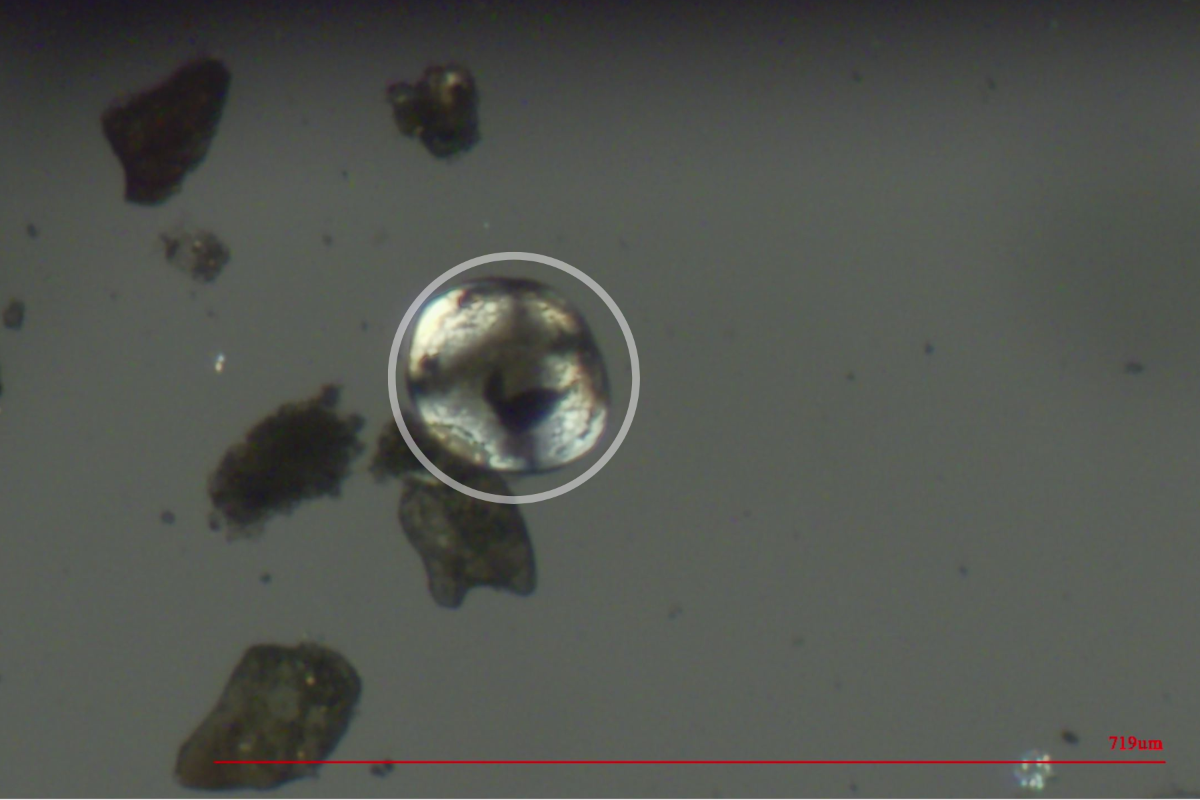
A veliger is the free-floating larval stage of a mussel. At this stage in the life cycle, a zebra mussel can only be confirmed through a microscope. The mussels eat plankton, which takes away from fish that rely on it for food…After further analysis on July 9, the lab notified Invasive Species Manager Robert Walters that the sample was positive for zebra mussel DNA, officials said. Since the positive testing, the nuisance species team had collected plankton samples from two locations in the Colorado River upstream of the Grand Valley Water Users Canal. By July 11, both samples were confirmed for zebra mussel DNA.
Justyn Liff, the Bureau of Reclamation’s public affairs specialist, told Colorado Politics that sampling will increase upstream, and more meetings will be held between state and federal agencies to develop a solution to stop the species from spreading. Colorado Parks and Wildlife officials said that, with single detections in both waters, the areas are now designated as “suspect” for the presence of zebra mussels. The response must be rapid, with the state wildlife agency rolling out the Invasive Species Rapid Response Plan, which starts with taking more samples to determine if the official classification should be changed from “suspect” to “positive.”
