Click the link to read the article on The Los Angeles Times website (Ian James). Here’s an excerpt:
July 30, 2024
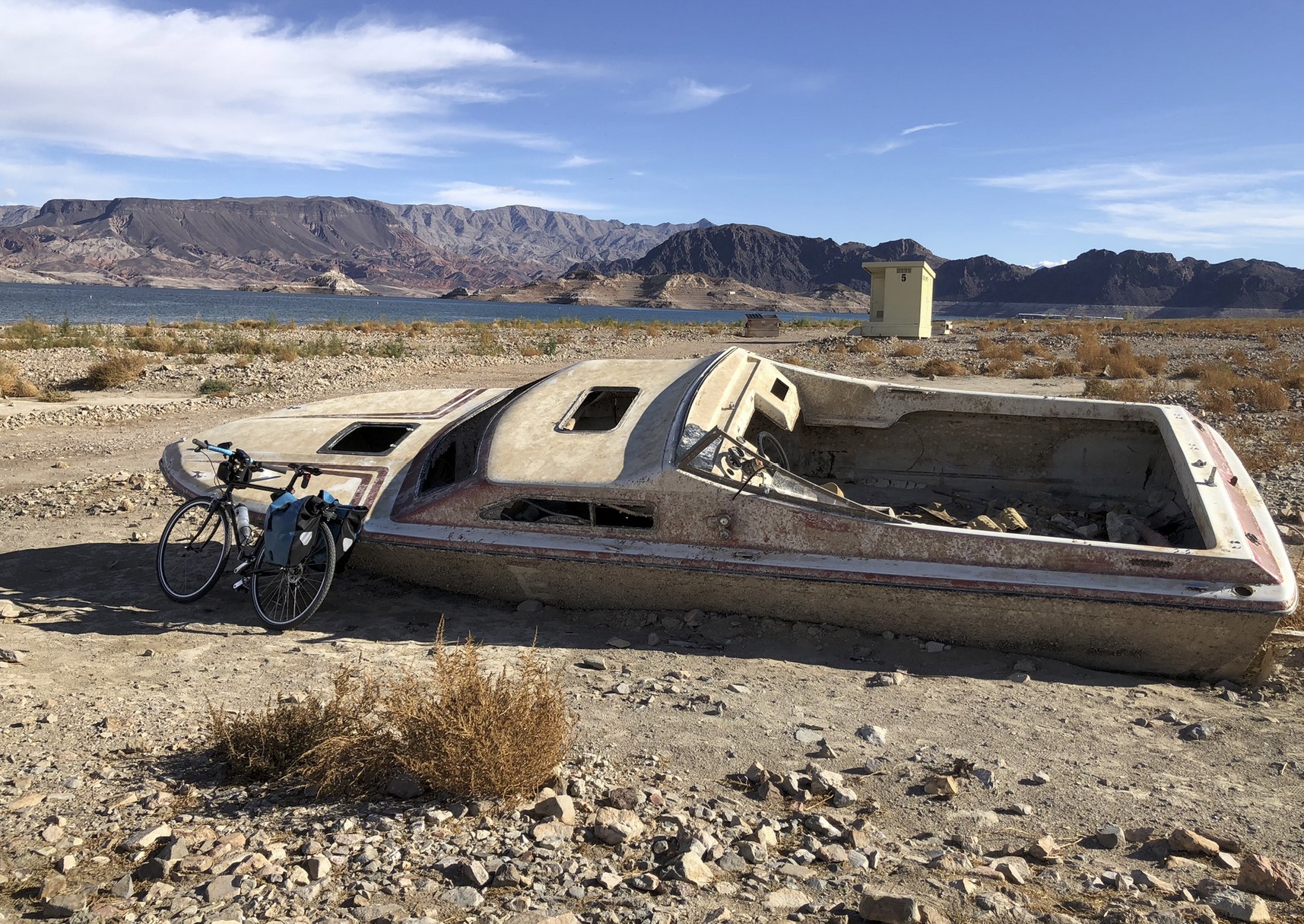
Three years ago, climate researchers shocked drought-weary Californians when they revealed that the American West was experiencing its driest 22-year period in 1,200 years, and that this severe megadrought was being intensified by global warming. Now, a UCLA climate scientist has reexamined the data and found that, even after two wet winters, the last 25 years are still likely the driest quarter-century since the year 800.
”The dryness still wins out over the wetness, big time,” said UCLA professor Park Williams.
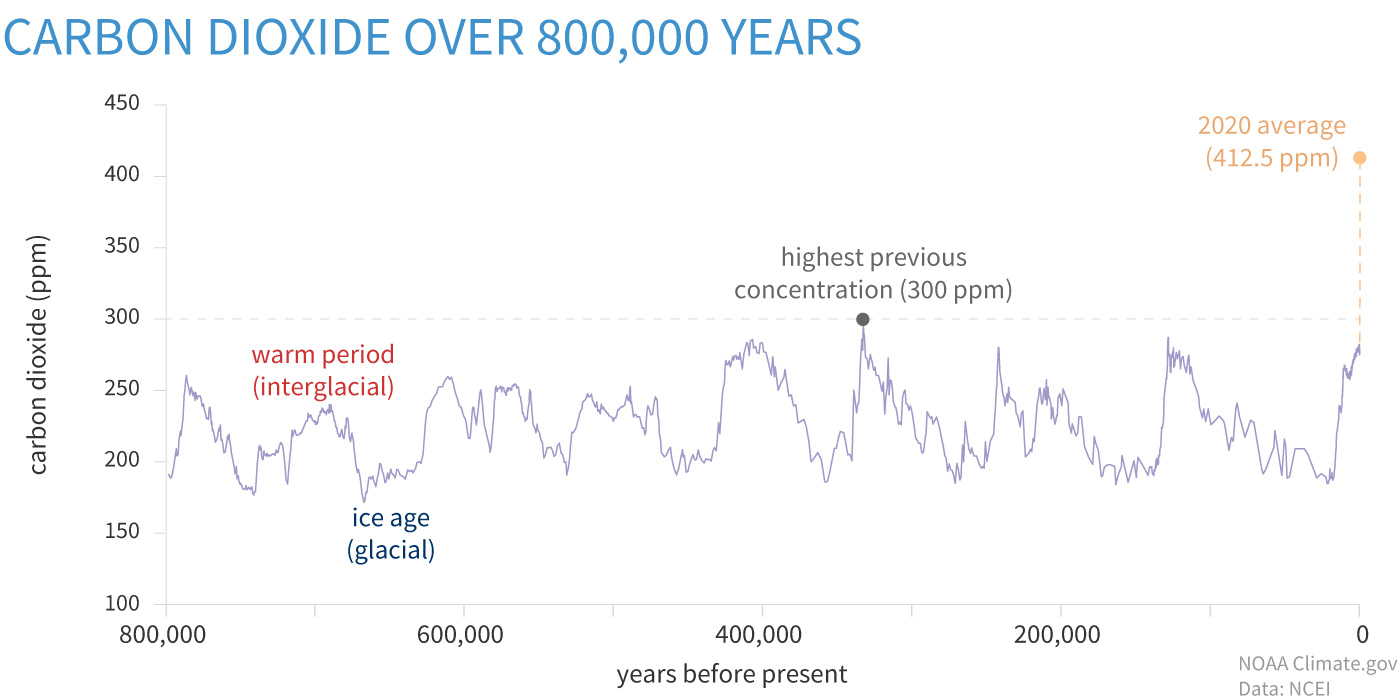
The latest climate data show that the years since 2000 in western North America — from Montana to California to northern Mexico — have been slightly drier on average than a similar megadrought in the late 1500s…Williams shared his findings with the Los Angeles Times, providing an update to his widely cited 2022 study, which he coauthored with scientists at Columbia University’s Lamont-Doherty Earth Observatory. The new findings reveal that even the unusually wet conditions that drenched the West since the start of 2023 pale in comparison to the long stretch of mostly dry years over the previous 23 years. And that dryness hasn’t been driven by natural cycles alone. Williams and his colleagues have estimated that a significant portion of the drought’s severity — roughly 40% — is attributable to warming driven by the burning of fossil fuels and rising levels of greenhouse gases. The warming that has occurred in the region, an increase of more than 2.5 degrees Fahrenheit since recordkeeping began more than a century ago, has intensified the dry conditions, making the latest megadrought significantly more severe than it would be without climate change…Scientists and policy experts widely agree that adapting to aridification driven by climate change in the western U.S. will require major changes in how limited water supplies are managed for farms, cities and the environment.
“Regardless of what happens in the next few years, which will be dictated mostly by the randomness of weather, as the atmosphere continues to warm we should expect it to continue to degrade our water supply,” Williams said. “A warmer atmosphere is a thirstier atmosphere, and without a compensating increase in precipitation, which has not occurred, humans and ecosystems will be left with less water.”