

Click the link to access the report. Here’s the executive summary:
January 2025
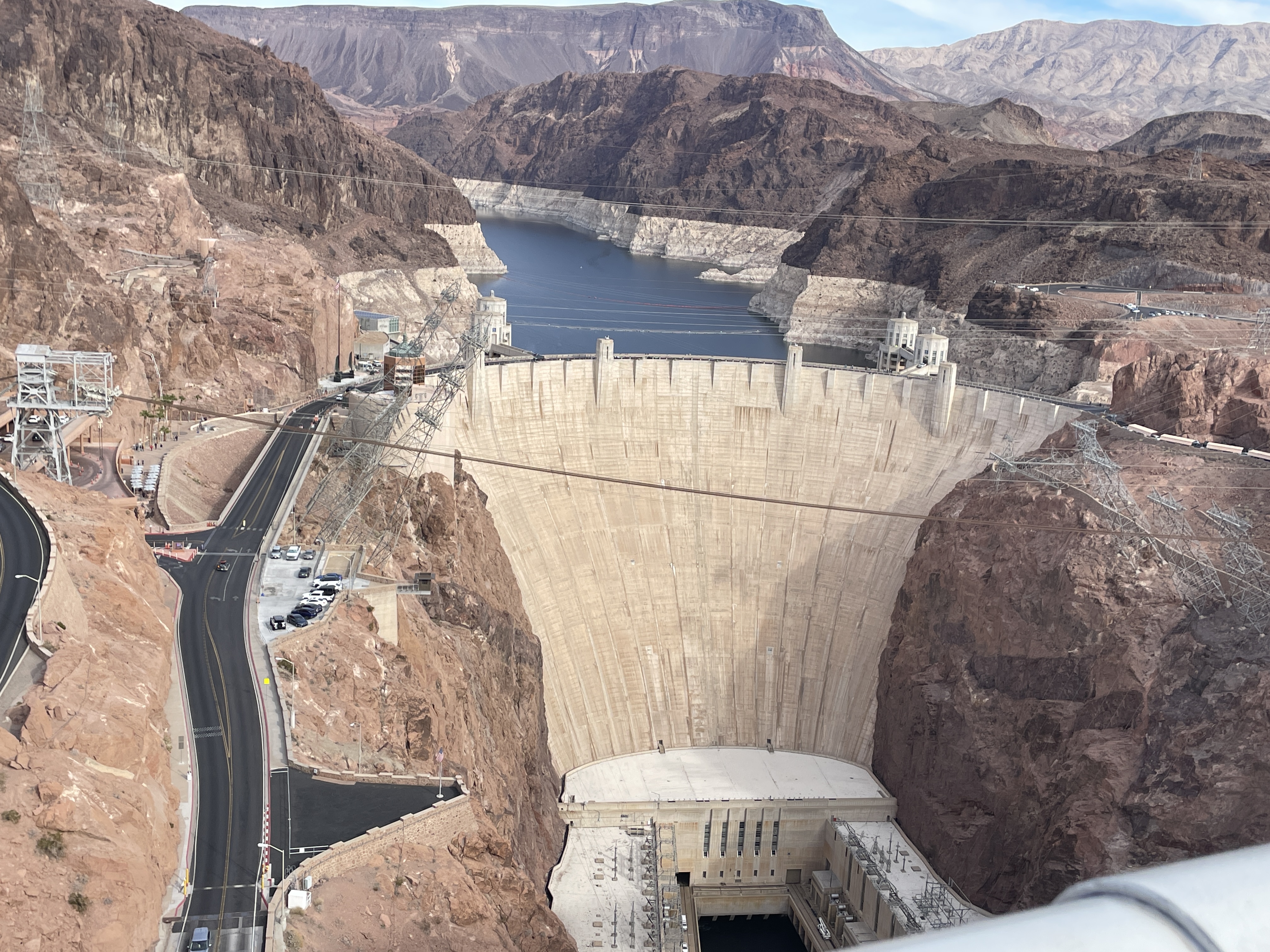
In December 2007 the Secretary of the Interior adopted coordinated operating guidelines for operation of Glen Canyon Dam and Hoover Dam for an interim period that expires in 2026.To address long-term Colorado River operations after the expiration of these guidelines, the United States Department of the Interior initiated a National Environmental Policy Act process on June 16, 2023, to develop and adopt successor domestic guidelines and agreements for the operation of Glen Canyon Dam and Hoover Dam to take effect in mid-2026, before the current operational framework expires. On November 20, 2024, the Bureau of Reclamation published the range of alternatives planned for analysis in the draft environmental impact statement and committed to providing additional information in a subsequent report. This report describes these alternatives and the process for developing them in more detail.
The alternatives were developed over the past year and incorporate considerable input received from the Colorado River Basin States, Colorado River Basin Tribes, conservation organizations, other federal agencies, and other stakeholders during that time. Throughout 2024, the Bureau of Reclamation worked extensively with these key partners to integrate their input into the range of alternatives. The alternatives identified in this report provide a reasonable and broad range of Colorado River operations that capture an appropriate range of potential environmental impacts from implementing new operational guidelines post-2026.
The five alternatives described in detail in this report are:

No Action Alternative – Included as a requirement of the National Environmental Policy Act, the No Action Alternative assumes Colorado River operations would revert to annual determinations announced through the Annual Operating Plan for Colorado River Reservoirs process and be based on operating guidance in place prior to the adoption of the 2007 Colorado River Interim Guidelines for Lower Basin Shortages and Coordinated Operations for Lake Powell and Lake Mead.
Federal Authorities Alternative – This alternative is designed to achieve protection of critical infrastructure within the Department of the Interior’s and Bureau of Reclamation’s current statutory authorities and absent new stakeholder agreements.
Federal Authorities Hybrid Alternative – This alternative is based on proposals and concepts from Tribes, federal agencies, and other stakeholders and is designed to achieve protection of critical infrastructure while benefitting key resources through an approach to distributing storage between Lake Powell and Lake Mead that enhances the reservoirs’ ability to support the Colorado River Basin.

Cooperative Conservation Alternative – This alternative is informed by a proposal submitted by a consortium of conservation organizations with the goal of stabilizing system storage, integrating stewardship and mitigation strategies of Lake Powell and Lake Mead, maintaining opportunities for binational cooperative measures, incentivizing water conservation, and designing flexible water management strategies.
Basin Hybrid Alternative – This alternative reflects components of the proposals and concepts submitted by the Upper Division States, Lower Division States, and Colorado River Basin Tribes that could provide a basis for coordinated operations and may facilitate greater agreement across the Basin.
Releasing the Bureau of Reclamation’s intended approach to the alternatives in advance of publishing the draft environmental impact statement enhances transparency and public understanding of this important National Environmental Policy Act process and provides greater opportunities for collaboration. Information submitted following the November 20, 2024, publication of the range of alternatives has not been considered in this report. Following the publication of this report, the Bureau of Reclamation will continue its efforts working with Colorado River Basin partners and stakeholders and will analyze information submitted after November 20, 2024. The Bureau of Reclamation will also prepare the environmental impact analysis for the draft environmental impact statement.
