Click the link to read the article on the Source NM website (Patrick Lohman):
May 5, 2026
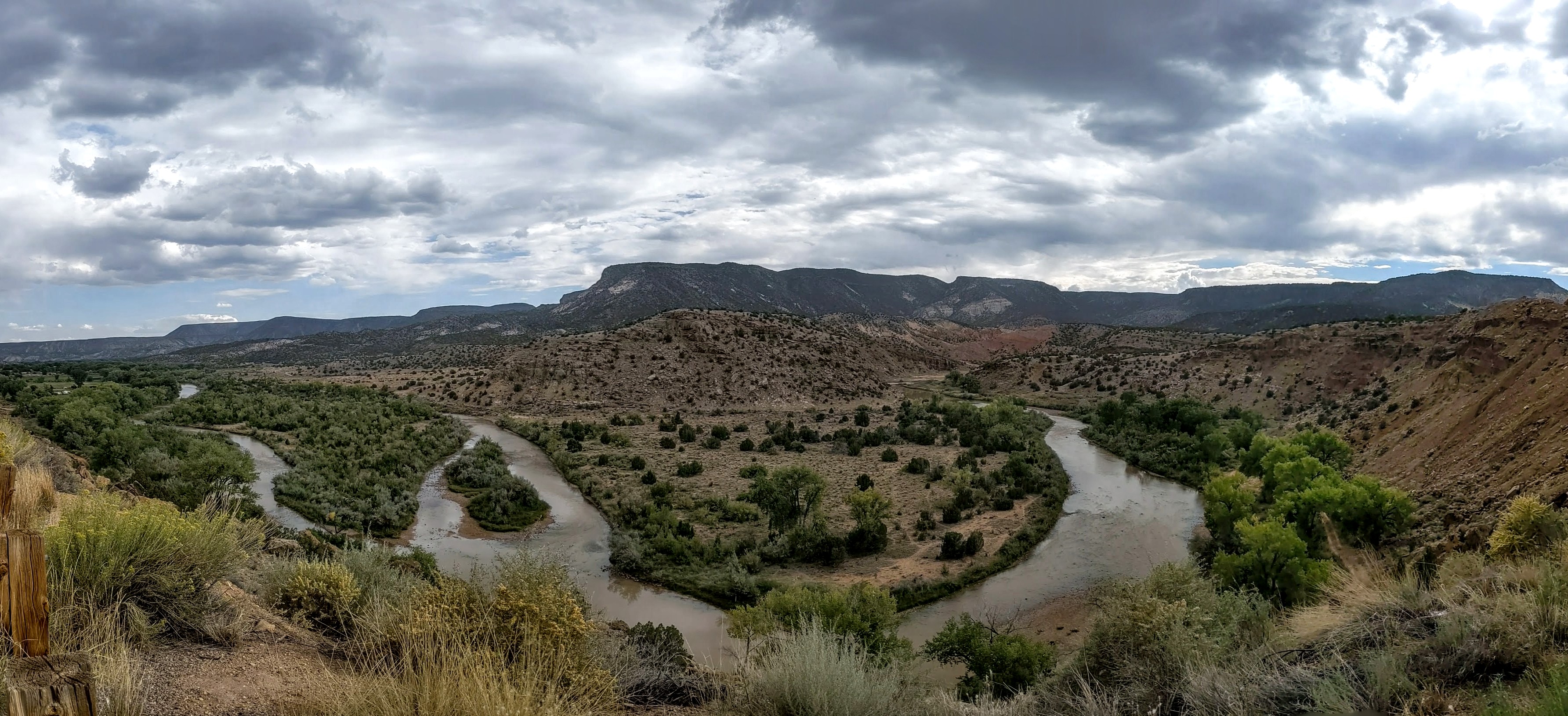
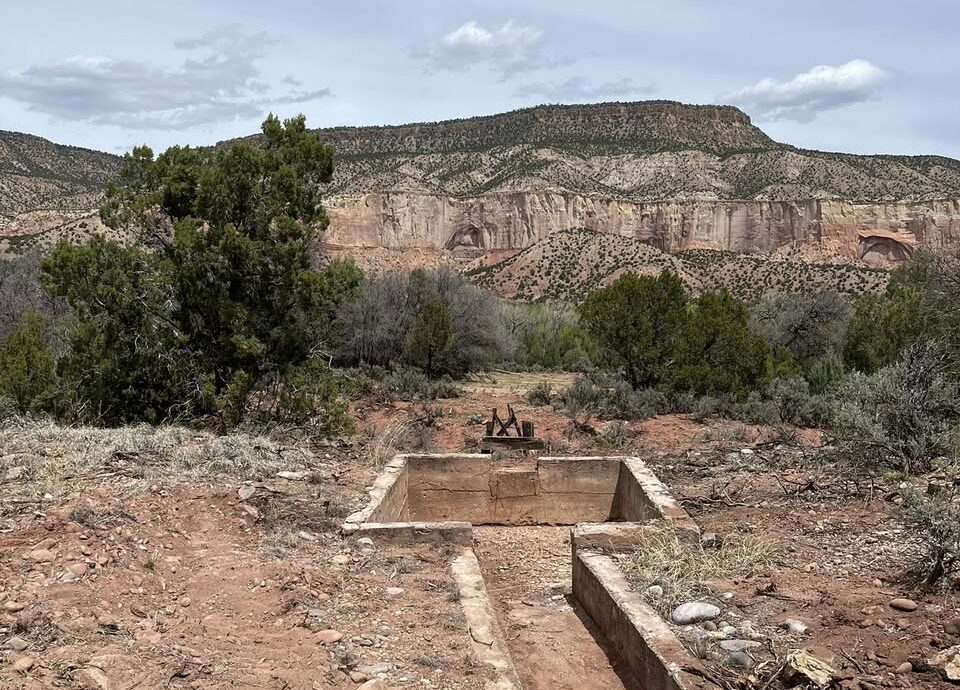
A dusty acequia in northern New Mexico, which more than 200 years ago diverted water from the Rio Chama, will soon spring to life again, nourishing freshly planted orchards of plums, apples and apricots.
That’s the idyllic scene envisioned through a new agreement between the Santa Fe National Forest and heirs of the San Joaquín del Rio de Chama Land Grant. The parties say the “memorandum of understanding” they signed in late March marks the potential thawing of more than a century of tension between New Mexico land grants and the federal government.
The agreement, which the Santa Fe National Forest Service provided to Source NM through a public records request, identifies the acequia restoration as a “project of mutual interest.” It also recognizes the land grant as a consulting partner to the Forest Service and provides it greater input into the land’s future use.
Leonard Martinez, president of the land grant, told Source NM that the nine-page agreement is a “historic document,” one that marks the first such formal agreement between land grants and the Forest Service. He said he’s spent nearly every day since the agreement was signed clearing the historic irrigation canal and working to reconnect it to the Rio Chama.
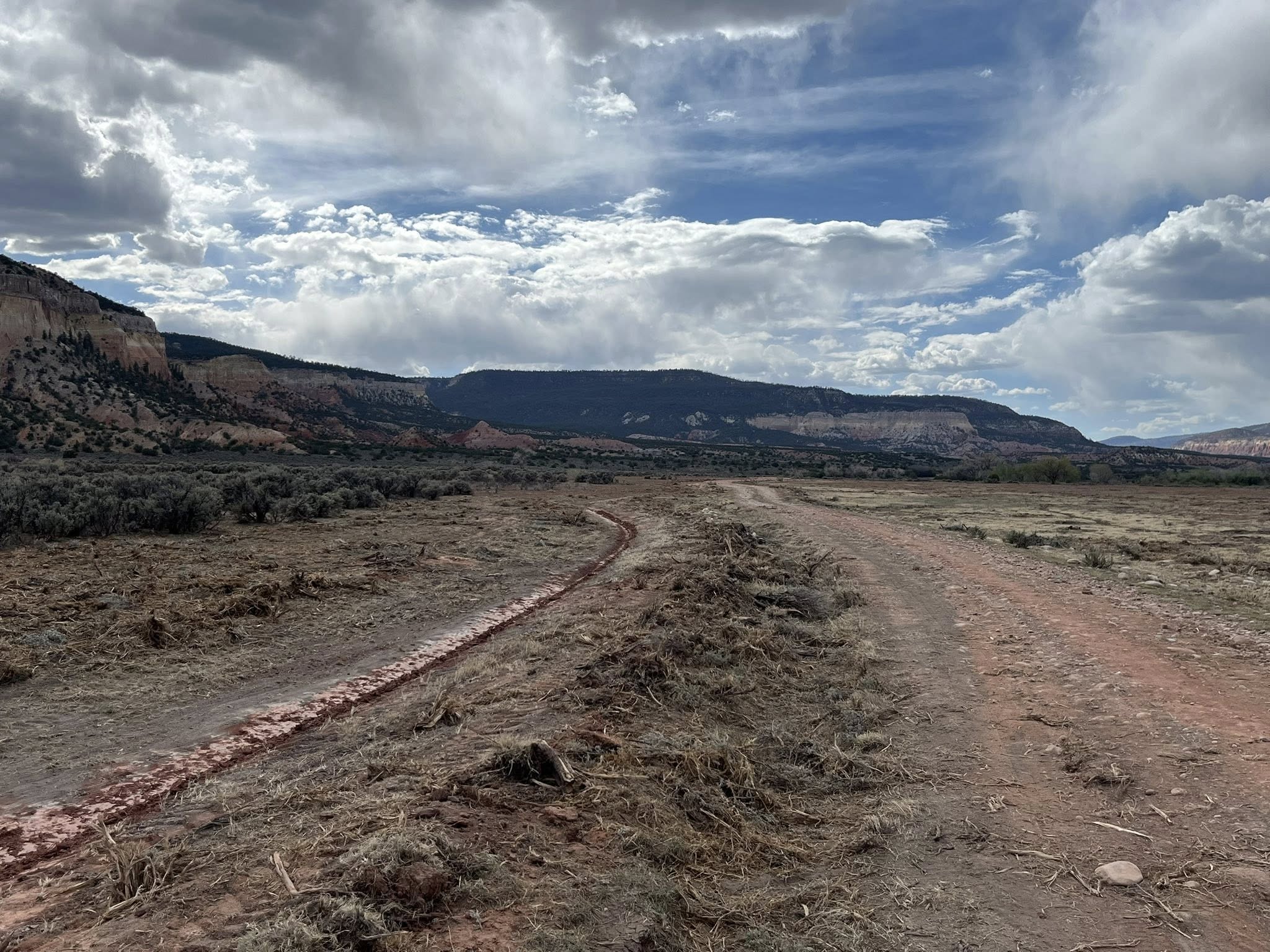
If all goes well, he will open the headgates of the Acequia Madre de Cañon de Chama later this summer, sending Chama River water to irrigate a cover crop of alfalfa. Within five years, he hopes to replant historic orchards.
When that happens, he said, he hopes the “heirs who have left us,” many of them still buried in a cemetery near the headgates, will approve of his efforts.
“That’s the key here,” he said. “We want to put our orchards and our fields back in.”
Santa Fe National Forest spokesperson Claudia Brookshire told Source NM that the agreement resulted from trust established through informal talks and individual projects.
“The Forest Service has long been willing to work with land grants,” Brookshire said in an email. “But the lack of a formal framework, combined with trust barriers, made it difficult to begin projects on national forest system lands.”
The Santa Fe National Forest is in early discussions to develop similar agreements with two other land grants, Brookshire said.
In 1806, Spanish Governor Joaquín del Real Alencaster charged 44 families with stewardship of a 470,000-acre swath of what was then the New Mexico Territory. By 1860, according to the land grant, more than 800 residents established roots there, cultivating land within the river valleys, pasturing livestock and gathering resources from the surrounding common lands, known as the “ejido.”
But after multiple lawsuits and land re-surveys over the ensuing decades, the federal government and land speculators acquired the land and evicted the residents. By 1905, the federal government recognized only about 1,500 acres of land along the Rio Chama as belonging to the land grant, but even that parcel ended up in the hands of the Rio Arriba Land and Cattle Company.
The parcel west of Abiquíu, known as the Cañon de Chama, remained the company’s property for decades before the federal government ultimately acquired it, as well. Today, all of the original San Joaquín del Rio de Chama Land Grant belongs to the Santa Fe National Forest or Carson National Forest.
Land grant heirs like Martinez have fought for more than a century to reassert their rights over the land, including seeking Forest Service permission to visit and care for the cemetery where their ancestors are buried.
The heirs ultimately received a Forest Service easement in 2013 to access the cemetery. Since then, Martinez and other land grant leaders have continued to pressure the Forest Service for more access, particularly to the Cañon de Chama, which heirs describe as culturally and historically significant.
Martinez told Source NM that the agreement is a result of trust built through the cemetery easement, he said, as well as guidance from the New Mexico Department of Justice’s Treaty of Guadalupe Hidalgo Division.
The NMDOJ created the division in 2003 to oversee and address concerns related to the provisions of the 1848 Treaty of Guadalupe Hidalgo, which ushered in the United States’ government’s problematic land title confirmation process and stripped the San Joaquin land grant heirs of hundreds of thousands of acres of communal land.
New Mexico Rep. Miguel Garcia (D-Albuquerque) has spent much of his 30 years in office advocating for land grant heirs, including seeking recurring state funding and greater recognition of the historical injustice of the federal government’s land seizure.
While he said the new agreement represents a “great leap forward” and commended Martinez and others for their efforts, he said his ultimate goal remains for the Forest Service to return land it now controls to the land grants.”
“These land grants that lost these common lands have not ceded their right to that land,” he said. “They have not given up that hope.”