
by Robert Marcos
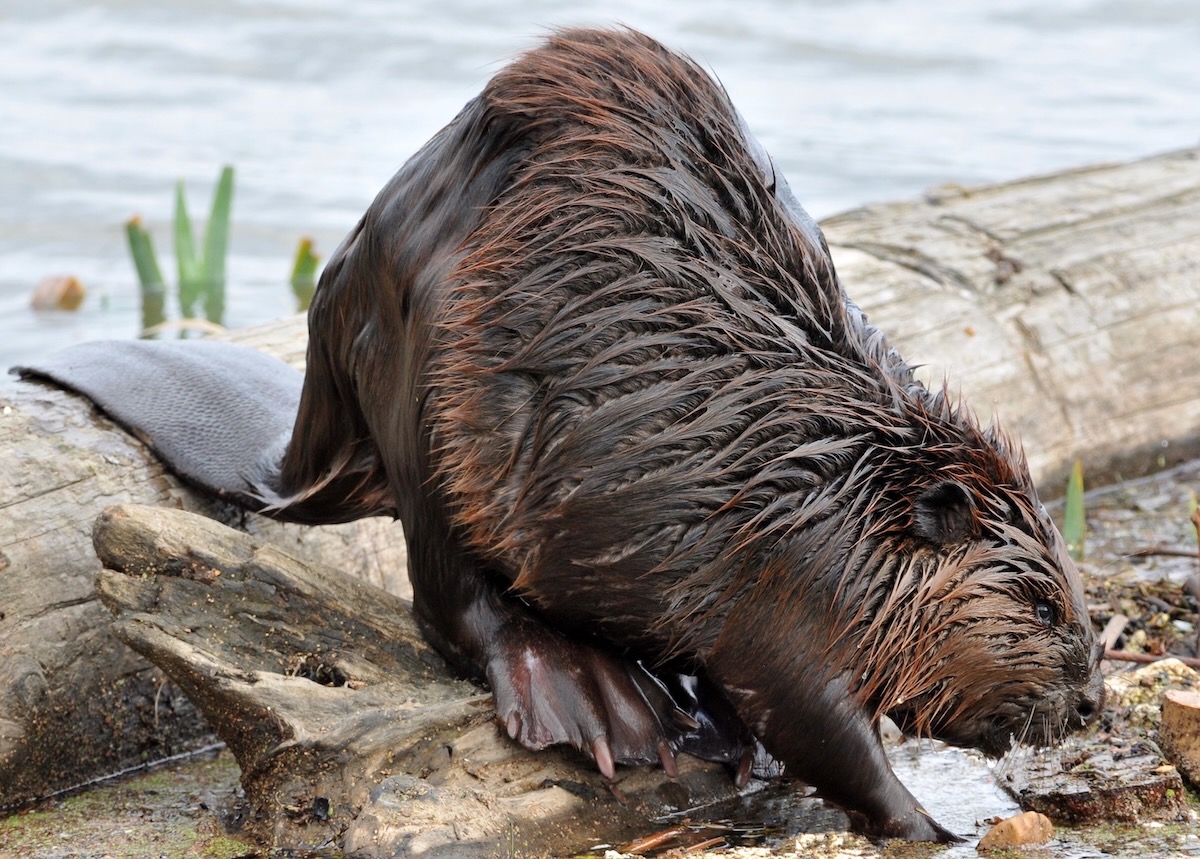
Beavers are experiencing a resurgence across much of the contiguous United States, most visibly in the Pacific Northwest (including parts of Oregon and Washington), the Mountain West (such as Yellowstone and adjacent basins), and the arid Southwest, where they are being actively reintroduced into degraded desert streams to restore wetlands and water storage. They have also rebounded in many eastern and midwestern states, forming thriving populations along rivers, streams, and ponds from the Northeast through the Midwest, while remaining sparse or absent only in a few deep‑South regions.1
The resurgence of beavers is creating a wide range of ecological, hydrological, and sometimes economic benefits because they act as “ecosystem engineers” that reshape streams and wetlands in ways that support many other species and services.2
Water storage and drought resilience
Beaver dams slow runoff and create ponds and wetlands that store rain and snowmelt on the landscape, which helps maintain base flows during dry periods. In some basins, beaver activity has been linked with up to about 60% more open water during drought compared with pre‑beaver conditions, effectively deepening local water storage and raising groundwater levels.3
Flood and erosion control
By temporarily holding back pulse flows, beaver‑engineered wetlands reduce peak flood volumes downstream, sometimes cutting flood flows by around 50–60% in trials. They also trap sediment and slow the movement of eroded material after storms or fires, which helps protect stream channels and reservoirs from siltation.4
Biodiversity and habitat
Beaver‑created wetlands and ponds increase habitat complexity, supporting more insects, amphibians, fish, birds, and other wildlife than comparable un‑dammed reaches. The mosaic of ponds, canals, log jams, and oxidized–reduced microhabitats boosts species richness and can benefit runs of fish such as salmon and trout by creating refuge pools and cooler water refugia.5
Water quality improvements
Beaver ponds act as low‑tech filters: sediments and attached pollutants settle out, and microbes in pond sediments help break down nitrogen and other contaminants. This has been documented in both agricultural and urban settings, where beaver‑modified reaches show reduced sediment loads and lower nutrient export downstream.6
Climate and carbon resilience
Beaver‑engineered wetlands can store carbon in pond sediments and surrounding vegetation, and their slow‑release hydrology helps buffer landscapes against both floods and droughts—a key feature in climate‑change‑adapted watersheds. In the American West and other arid regions, that “nature‑based” storage is increasingly seen as a low‑cost tool for watershed resilience and water‑supply augmentation.7