
by Robert Marcos
Most of us might assume that our monthly utility bills are slowly paying off the power grid, but the reality is that the electrical grid is a financial treadmill that never actually stops. This constant cycle of compounding interest, depreciation, and emergency retrofits means that the grid is never truly paid off; instead, consumers are locked into an endless loop of funding an aging asset that falls deeper into debt with every necessary upgrade.1
Energy lost during transmission: In the United States about 5% of generated electricity is lost during transmission and distribution, though some sources put the figure closer to 6–7% depending on how the losses are defined and measured.2
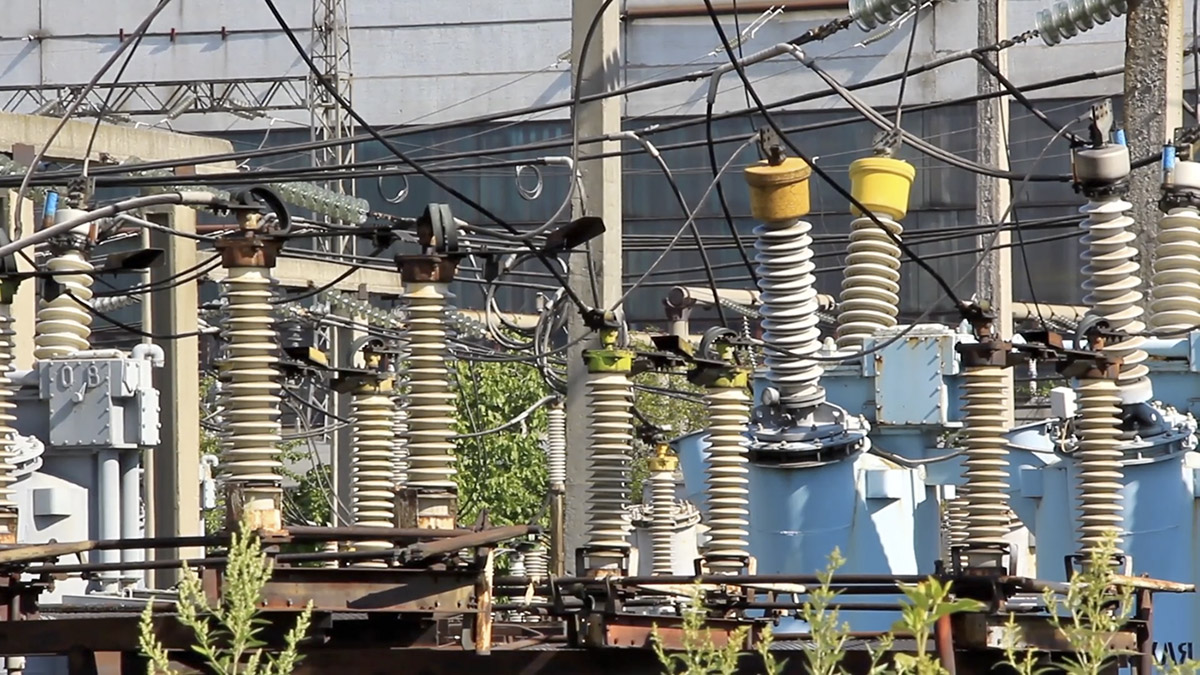
Physical Vulnerabilities: Critical substations are often located in extremely remote locations and are only protected by basic chain-link fences.
Threat of Electro-magnetic Pulse: Solar storms and high-altitude atomic detonations could knock out a power grid by inducing massive electrical currents in transmission lines that might overload and permanently destroy critical high-voltage transformers.
Sniper and Ballistic Attacks: Attackers can easily target and puncture fluid-filled high-voltage transformers from a distance.
The benefit of generating power where it’s needed
Generating power where it is consumed significantly reduces transmission losses that occur over long-distance power lines. In conventional centralized systems, electricity can lose a notable percentage of its energy as heat while traveling across vast grid networks. By producing electricity locally—through distributed energy resources such as rooftop solar, microturbines, or small-scale wind—these losses are minimized, resulting in greater overall system efficiency and more effective use of generated energy.3
Localized power generation also enhances grid resilience and reliability, particularly in regions vulnerable to extreme weather, wildfires, or infrastructure strain. Decentralized systems can operate independently or in microgrids, allowing critical facilities and communities to maintain power during outages that would otherwise disrupt centralized systems. This distributed approach reduces dependence on a single point of failure and supports faster recovery during emergencies.4
In addition, generating power at the point of use can provide economic and environmental advantages by aligning energy production with local needs and resources. It enables the integration of renewable energy sources tailored to regional conditions, reduces the need for costly transmission infrastructure, and can lower energy costs over time. For communities, businesses, and utilities, this approach supports cleaner energy adoption while fostering greater control over energy consumption and sustainability goals.5