Click the link to read the article on The Summit Daily website (Andrea Teres-Martinez). Here’s an excerpt:
May 29, 2026
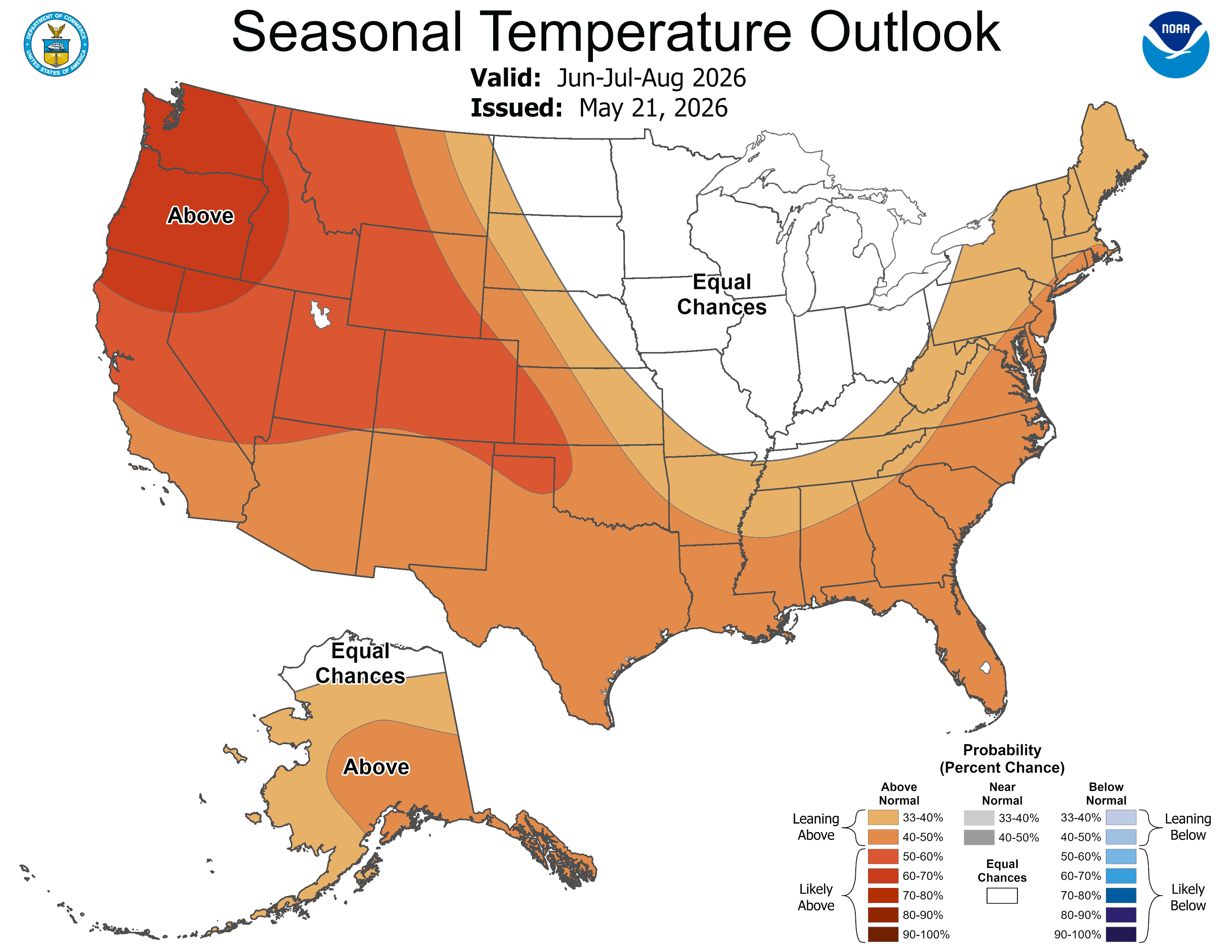
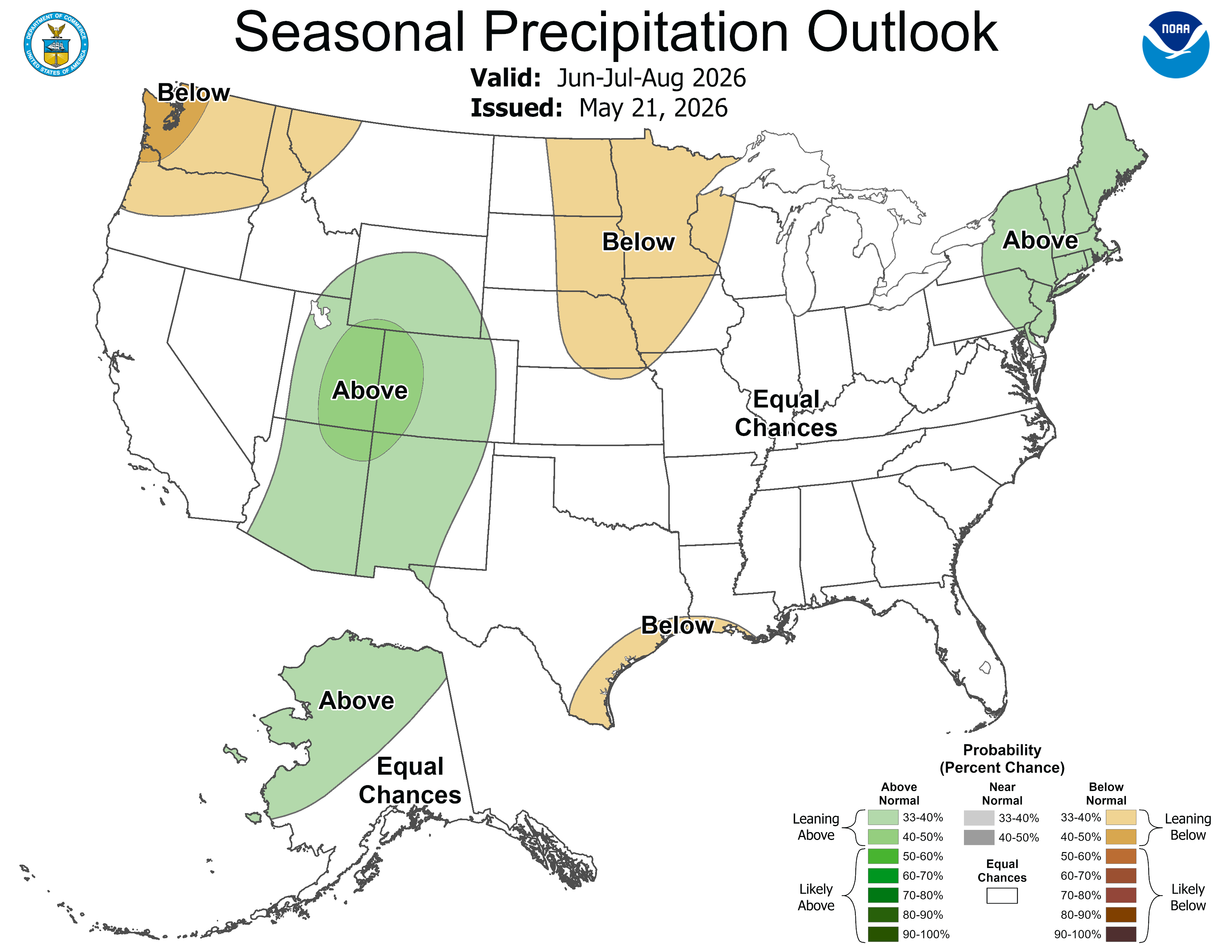
Colorado is headed toward a potentially wetter-than-normal summer, with promises of an active monsoon season and growing confidence in developing El Nino conditions. However, with hotter temperatures likely, this summer could look different from the mountains’ last El Nino visit. The Climate Prediction Center’s seasonal precipitation outlook shows above-normal chances for rainfall in Colorado from June through September, with the Western Slope and Utah border seeing the highest likelihood of above-average rainfall. Forecasts also show a strong possibility that Colorado will see an active monsoon season, according to Peter Goble, assistant state climatologist at the Colorado Climate Center…
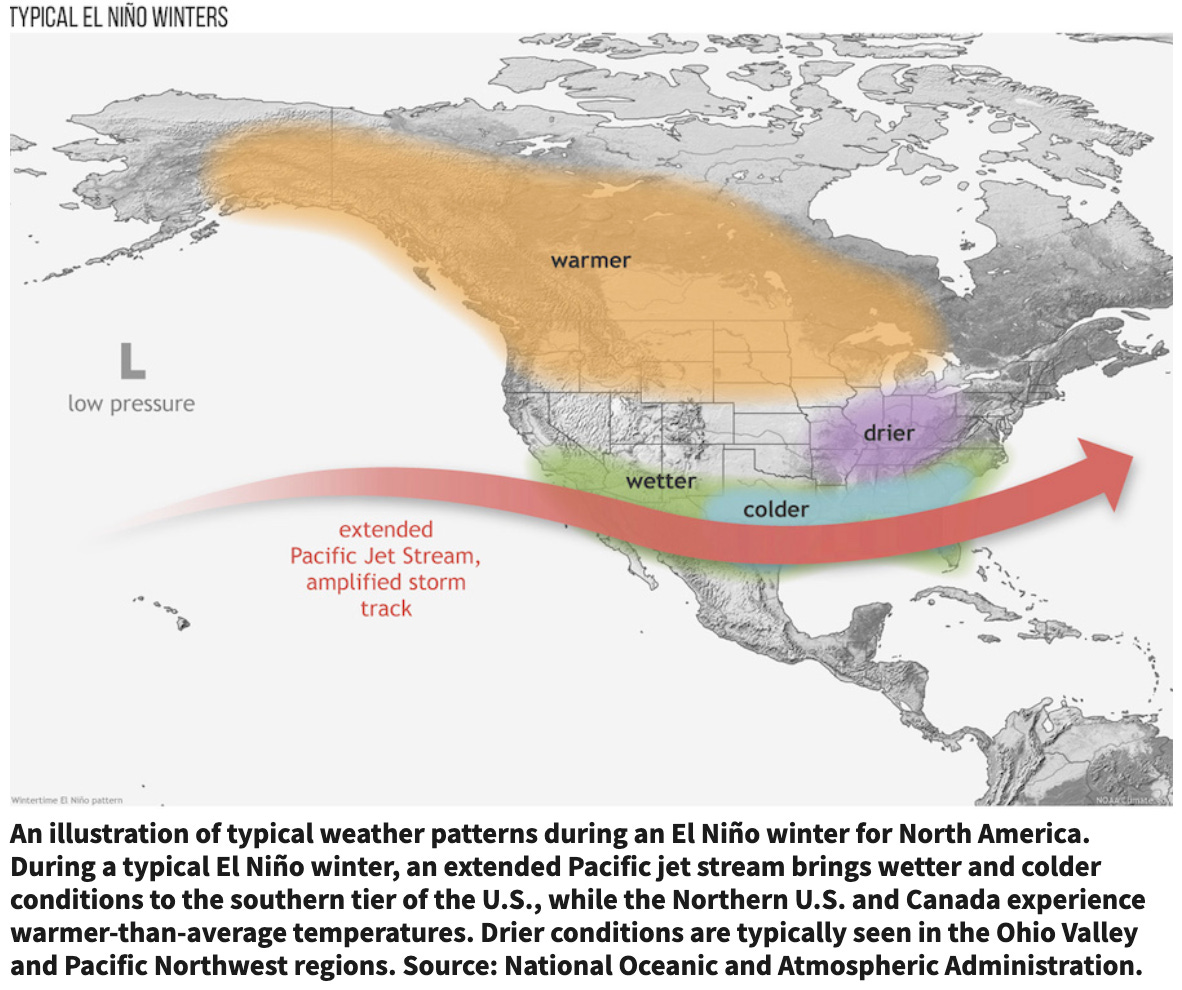
The forecasts for summer showers coincide with those predicting the fast arrival of El Nino conditions, though Goble said he doesn’t currently see a strong tie between El Nino and stronger summer precipitation…A release published by the center on May 14 predicted that El Nino is likely to emerge during what’s left of spring, with an 82% chance that it will materialize between May and July and continue through the Northern Hemisphere for the upcoming winter. The center predicts a 96% chance that El Nino will remain from December through February 2027…Historically, El Nino conditions have brought wetter summers and falls
, but drier than normal winters to the Northern Rockies. The last time Colorado saw El Nino conditions in the summer was in 2023, which created “a really wet late spring and summer east of the Continental Divide,” Goble said.