
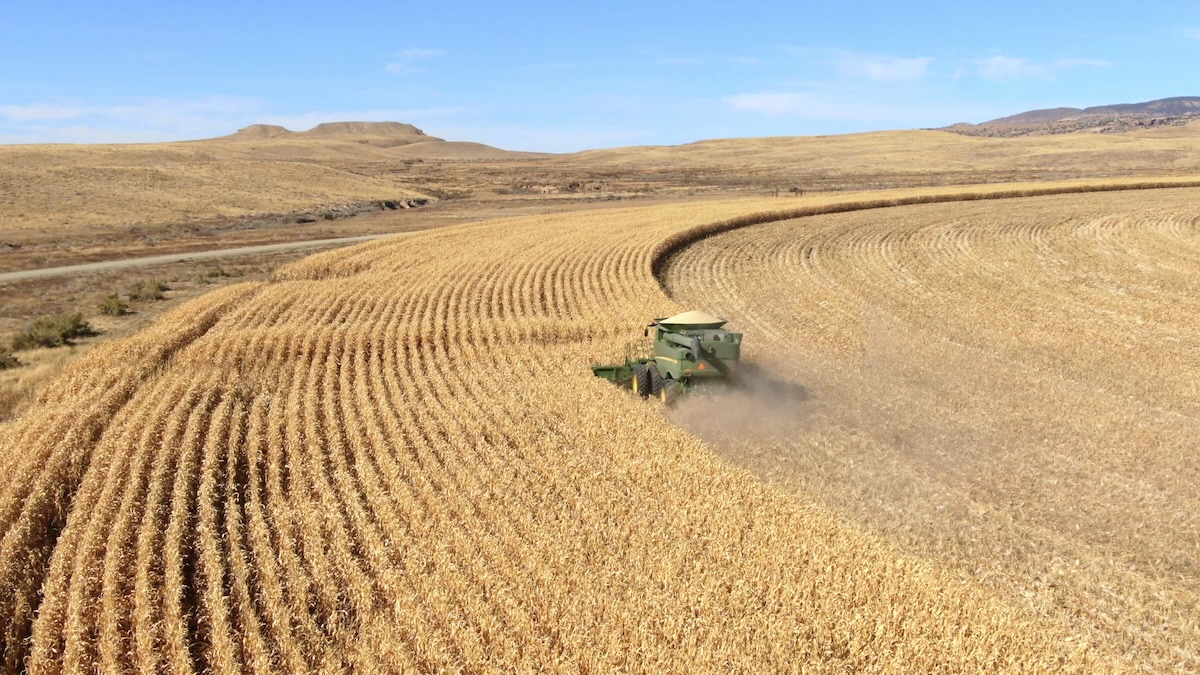
In 1949 the Bureau of reclamation installed a diversion on Colorado’s West Marcos River that began channeling water to the brand new Jackson Gulch Reservoir. The reservoir had been created to provide irrigation water to Mancos area farmers of European descent. Somehow the Bureau of Reclamation overlooked the fact that the Ute Mountain Ute Tribe owned senior rights to that water, and about a year after the diversion was created the Tribe’s farm downstream dried up and turned to dust. Out of necessity, tribal members turned to cattle ranching.
Thirty-six years later in 1986, the Ute Mountain Ute and Southern Ute Tribes gathered to celebrate the passage of the Colorado Indian Water Rights Settlement. Then in 1994 for the first time in their reservation’s history, the Ute Mountain Ute Tribe received “wet water” in the amount of 25,100 acre feet a year, of both municipal and agricultural water from the McPhee Reservoir near Dolores.
There was only one problem. During the water rights negotiation the Mountain Ute had to subordinate their senior rights to Mancos River water for junior rights to water from the McPhee Reservoir. Consequently, as severe, climate-driven droughts began to hit Southwestern Colorado, the tribe, (because of its junior rights), began to see severe cuts to their water deliveries – sometimes as little as 10% of their full allocation. These water cuts have had a devastating effect on the Tribe’s award-winning 7,700 acre Farm & Ranch Enterprise – including the involuntary fallowing of fields and massive layoffs of both tribal and non-tribal employees.
For more on this story please visit Water Education Colorado
One thought on “Lacking sufficient water, Colorado’s Farm & Ranch Enterprise prepares for a grim harvest of layoffs, dust, and fallowed fields”