Click the link to read the article on the Aspen Journalism website (Elizabeth Stewart-Severy):
July 10, 2026
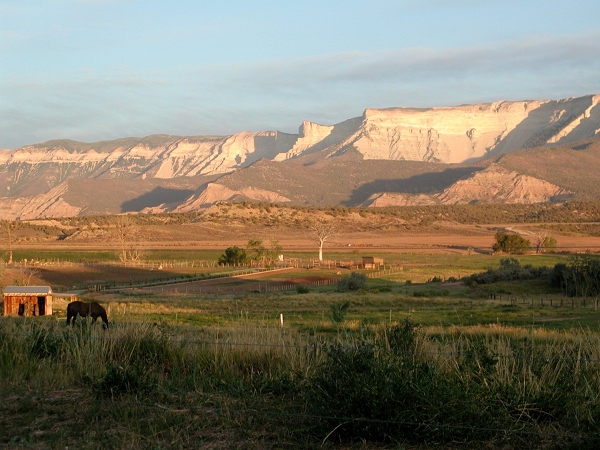
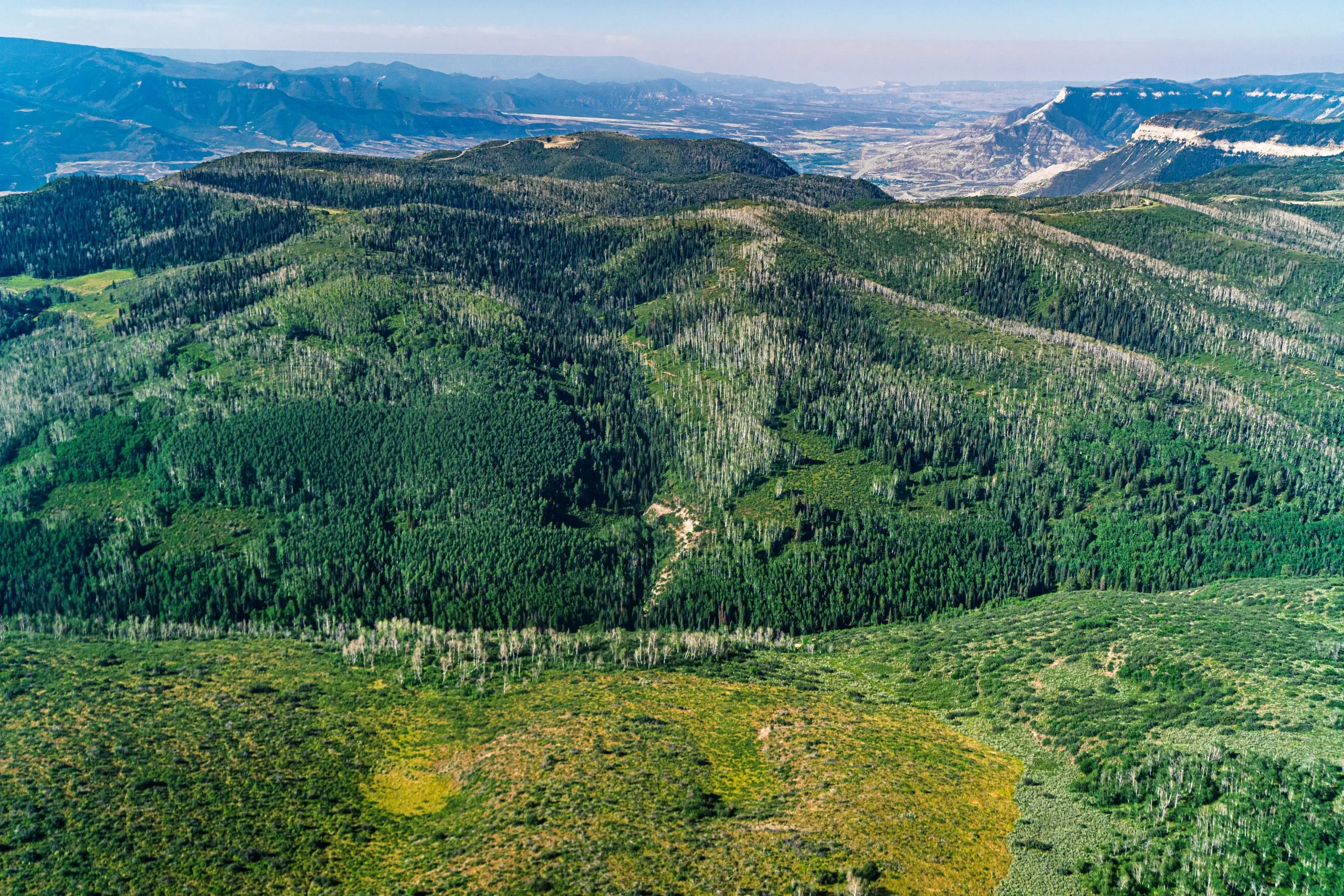
Colorado’s Roan Plateau, a favorite backcountry zone for hunters, anglers and hikers because of its high-quality wildlife habitat, is once being proposed for oil and gas development. The Bureau of Land Management, in accordance with direction from the Trump administration’s One Big Beautiful Bill Act to hold lease sales in Colorado every quarter, has listed four leases on top of the plateau in its proposed December sale, with two additional leases nearby.
The wildlands of the Roan Plateau and animals that rely on them draw hikers, hunters and anglers to the area. The potential for oil and natural gas below the surface draws attention from industry, too, and sets the stage for a confrontation over how to fulfill the multiple-use mandate that governs federal lands.
Hunters, anglers and conservationists are also raising the alarm that implementation of federal law and proposed changes to BLM rules are stripping the public of its voice in public lands management.
The BLM has identified 114 parcels across Colorado available for oil and gas leasing in its December sale. Four of those parcels, totaling 4,645 acres, are on top of the Roan Plateau near Rifle, on the site of two undeveloped leases that were not canceled as part of a 2014 settlement between leaseholders and 10 conservation, trade and wildlife organizations.

In that settlement, the BLM canceled 17 of 19 leases that had been issued in 2008 on top of the Roan Plateau and refunded leaseholders; the agency updated its resource management plan, which guides land use, and closed about 34,000 acres, roughly 54 square miles, to future leasing.
But two leases, whose holders did not agree to cancellation as part of the settlement, remained open for future development, although the leaseholders were meant to contribute to a conservation fund that would be used for restoration and conservation efforts. Although the fund was established, no money was invested. The leases changed hands and were eventually relinquished, but their existence during the land-use planning process meant that that area remained available for future development, and conservation groups have foreseen this moment.
“We had unleased, unprotected land on top of the plateau, and that was very concerning to us,” said Juli Slivka, senior director of policy and programs at Carbondale-based nonprofit Wilderness Workshop, which was one of 10 plaintiffs in the lawsuit that lead to the 2014 settlement. “We immediately began urging BLM Colorado to close that area to new leasing.”
Slivka and other conservationists have argued that the BLM could have removed the potential for new leases because Colorado Parks and Wildlife has found that the area is home to high-priority habitat for a range of species, including an endemic species of Colorado cutthroat trout, elk, deer and greater sage grouse.
Brittany Parker grew up in Rifle, hiking and camping on the plateau. As an adult, she hunts there nearly every year, she said. Parker works for the trade group Backcountry Hunters and Anglers — which advocates for protections for the Roan — as the field operations coordinator for seven states, including Colorado. She said she’s passionate about protecting the Roan Plateau after watching it “change drastically” under development pressures in her lifetime.
The area has seen significant oil and gas development on private lands atop the plateau.
“It’s already pretty developed with oil and gas, so to imagine even more up in that region, it just seems like there would be nothing left,” Parker said. “It would so significantly fragment the habitat that the sense of refuge would be seriously diminished for our wildlife.”
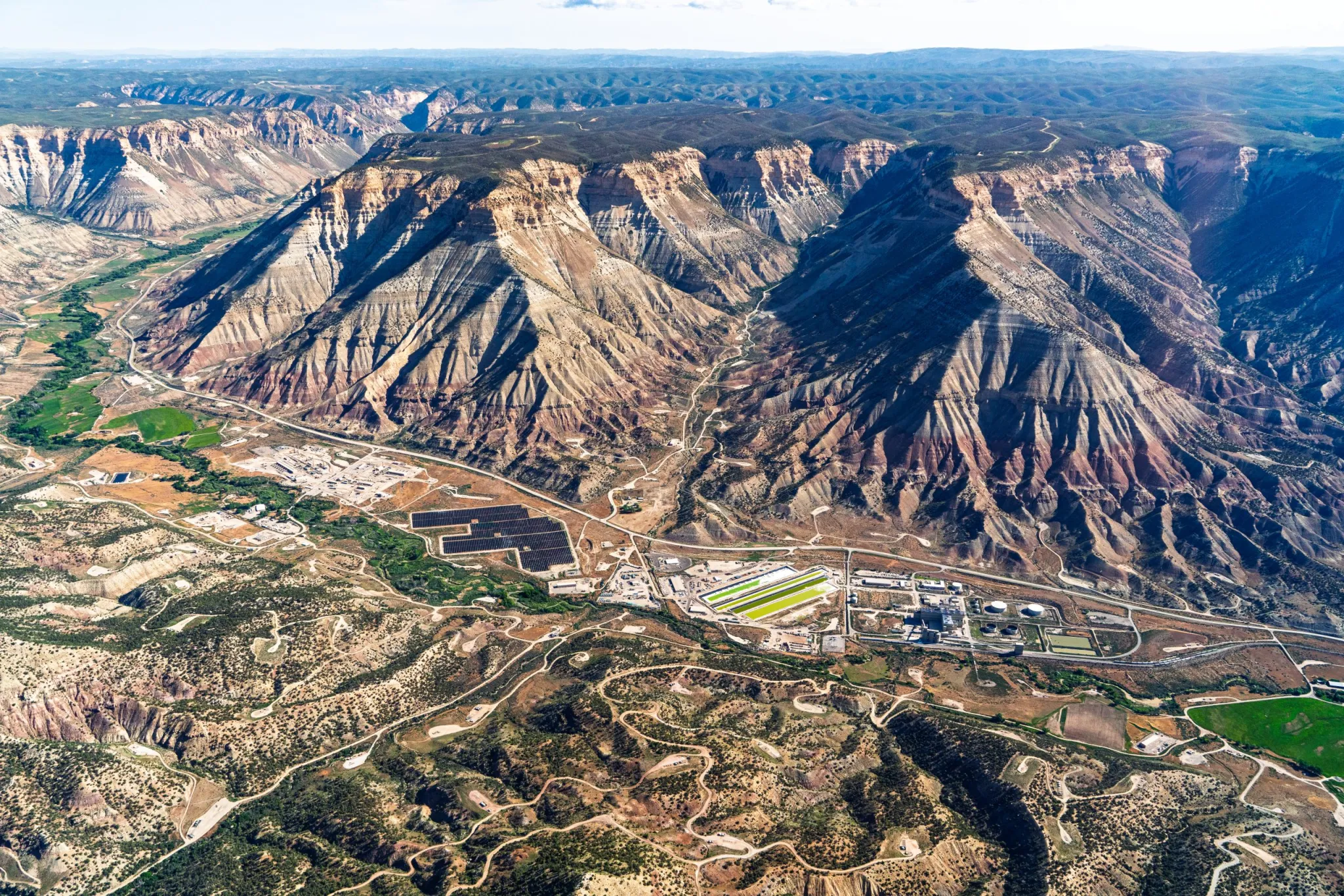
A recent flight over the Roan Plateau by Aspen-based conservation organization EcoFlight showed the extent of the development from above; there’s a sharp contrast between the development below the top of the plateau and on private lands compared with the untouched public lands. The flight path followed Parachute Creek, to the west of which is highly developed private land.
“You forget how heavily drilled it is up there. It’s just nonstop, roads and wellpads” on the private lands, said Jane Pargiter, executive director of EcoFlight, who has been working to protect the Roan since 2008. (Pargiter is an Aspen Journalism board member.)
The view changes quickly to the east side of the creek.
“It instantly transitions into this pristine landscape, which is where they have proposed these lease parcels for the December lease sale,” Pargiter said. “It’s just beautiful, pristine, and it’s green still.”
Parker and Backcountry Hunters and Anglers are quick to point out that they are not against energy development on public lands but are, rather, focused on ensuring that leasing happens in appropriate places.
“We’re advocating for protections on specific landscapes that have exceptional habitat and watershed values that are worth protecting,” Parker said.
The state wildlife agency, conservation groups and recreationalists have argued for nearly two decades that the Roan Plateau is not the right place for oil and gas development, which has been shown to lead to declines in wildlife populations. The Roan has prime habitat for elk calving, which is a particularly sensitive time, and is a migration corridor for elk and mule deer. It also provides habitat and breeding grounds, known as lek sites, for the greater sage grouse, which are particularly sensitive to industrial disturbance.
Dean Riggs retired in 2020 as the deputy regional manager for Colorado Parks and Wildlife and spent years working with the BLM and leaseholders to avoid, minimize and mitigate impacts to wildlife when there is industrial development, including on the Roan Plateau. He says he has hunted, including elk and grouse on the Roan Plateau, since he was big enough to pick up a rifle.
In his time at CPW, Riggs advocated for science-based, species-specific protections, which in some cases means avoiding development in certain areas altogether, such as breeding sites for grouse.
“If a company wants to pluck a five-acre site right down on top of a lek, you’re going to lose the lek,” Riggs said. “With that being a really sensitive species, every lek counts. Every lek keeps us from the endangered species list.”