Click the link to read the article on the Alamosa Citizen website (Chris Lopez):
July 22, 2026
After four weeks of testimony and now closing arguments set for Thursday morning, the decision before the Colorado Division 3 Water Court and Judge Michael Gonzales boils down to this: Was the Colorado state engineer’s review of the Subdistrict 1 Fourth Amended Plan of Water Management proper and legally done?
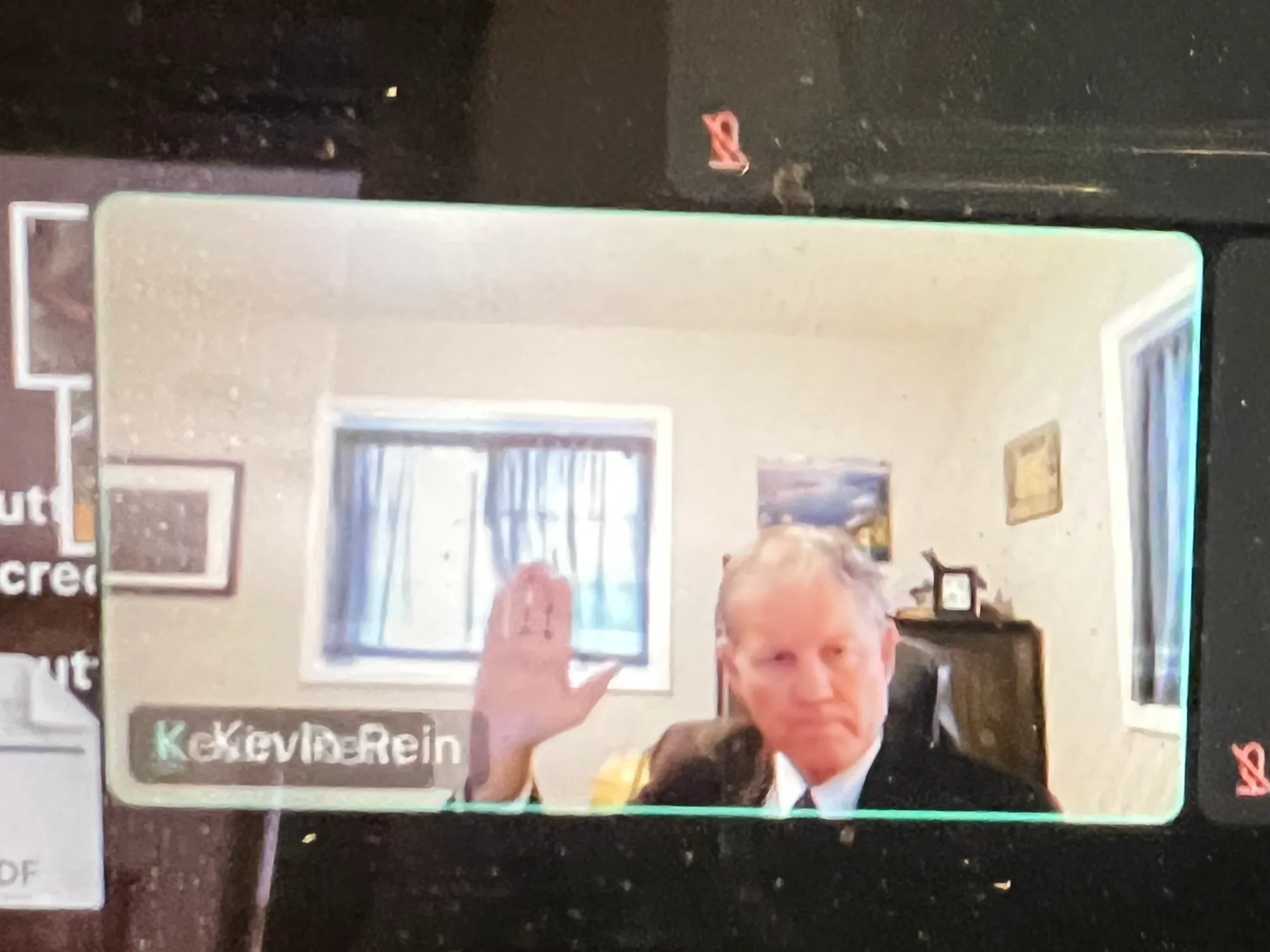
Attorneys for farmers protesting the plan, namely groundwater irrigators organized as the Northeast Water Users Association and Sustainable Water Augmentation Group, accused retired Colorado Division of Water Resources state engineer Kevin Rein of “bias” during Rein’s testimony Wednesday. Rein, who retired as state engineer in December 2023, took the witness stand as a “lay” witness looking to add clarity for the court on his steps in reviewing and approving the new plan and to rebut the testimony of Ken Knox, SWAG’s expert witness who cast doubt on Rein’s review.
“Bias is always relevant to credibility, Your Honor. This line of questioning goes directly to the witness’s bias at the time he approved the fourth plan,” argued attorney Ryan Donovan.
Donovan and fellow SWAG attorney Brad Grasmick have been working to bolster their case by arguing the Fourth Amended Plan unfairly targets groundwater irrigators like their clients, and their clients are being asked to bear a disproportionate share of the burden in the subdistrict’s efforts to recover the unconfined aquifer of the Upper Rio Grande Basin.

It is the recovery of the unconfined aquifer to sustainable levels that is at the heart of the Subdistrict 1 water management plan and has been since the first plan was adopted in 2009 and certified by the water court in 2010.
The SWAG attorneys contend Rein didn’t conduct a full legal review of the sustainability and proportionality rules contained in state statutes governing recovery of the unconfined aquifer and didn’t require all the necessary documentation to approve the plan.
Donovan then tried to show bias to the court by taking Rein back to July 2023 and the sudden end to another, but related water trial dealing with his clients’ efforts to get the Division 3 Water Court to approve an alternative augmentation plan for the SWAG farmers to operate in Subdistrict 1. Gonzales presided over that trial, as well.
The key to the July 2023 trial was the timing: SWAG was trying to get its alternative augmentation plan approved by the court ahead of the current court trial dealing with the Fourth Amended Plan of Water Management. Instead, the SWAG augmentation trial ended when it lost a source of the water from the town of Del Norte that it was counting on its plan and withdrew the case.
On Wednesday, Donovan accused Ryan and the state engineer’s office of deliberately fast-tracking approval of the Fourth Amended Plan and then getting the town of Del Norte to terminate its agreement with the SWAG farmers for water to undermine the alternative augmentation plan.
“Mr. Rein, Did you feel the need to get the approval of the fourth plan fully completed? Meaning your approval and the subsequent approval by the district board prior to the start of SWAG’s trial on July 17th, 2023?” Donovan asked.
“I can say no, absolutely not. I did not feel that, any urgency other than the urgency that this is something we have been working on for a long time. We needed to move it along. And I can state unequivocally and absolutely that there was no consideration, there was no bias that this plan needed to be approved prior to the beginning of the SWAG case,” Rein answered.
In addition to closing arguments Thursday, Gonzales will also lay out a timeline for how the case proceeds with final submissions to the point where he issues a decision.
Donovan earlier in the week, as he argued against Rein testifying, accused the judge of creating an appearance of impropriety when Gonzales made known his interest to hear testimony from Rein.
Gonzales responded that from his perch, it has seemed throughout the trial that the attorneys involved have had the intent to file an appeal with the Colorado Supreme Court whichever way he rules.