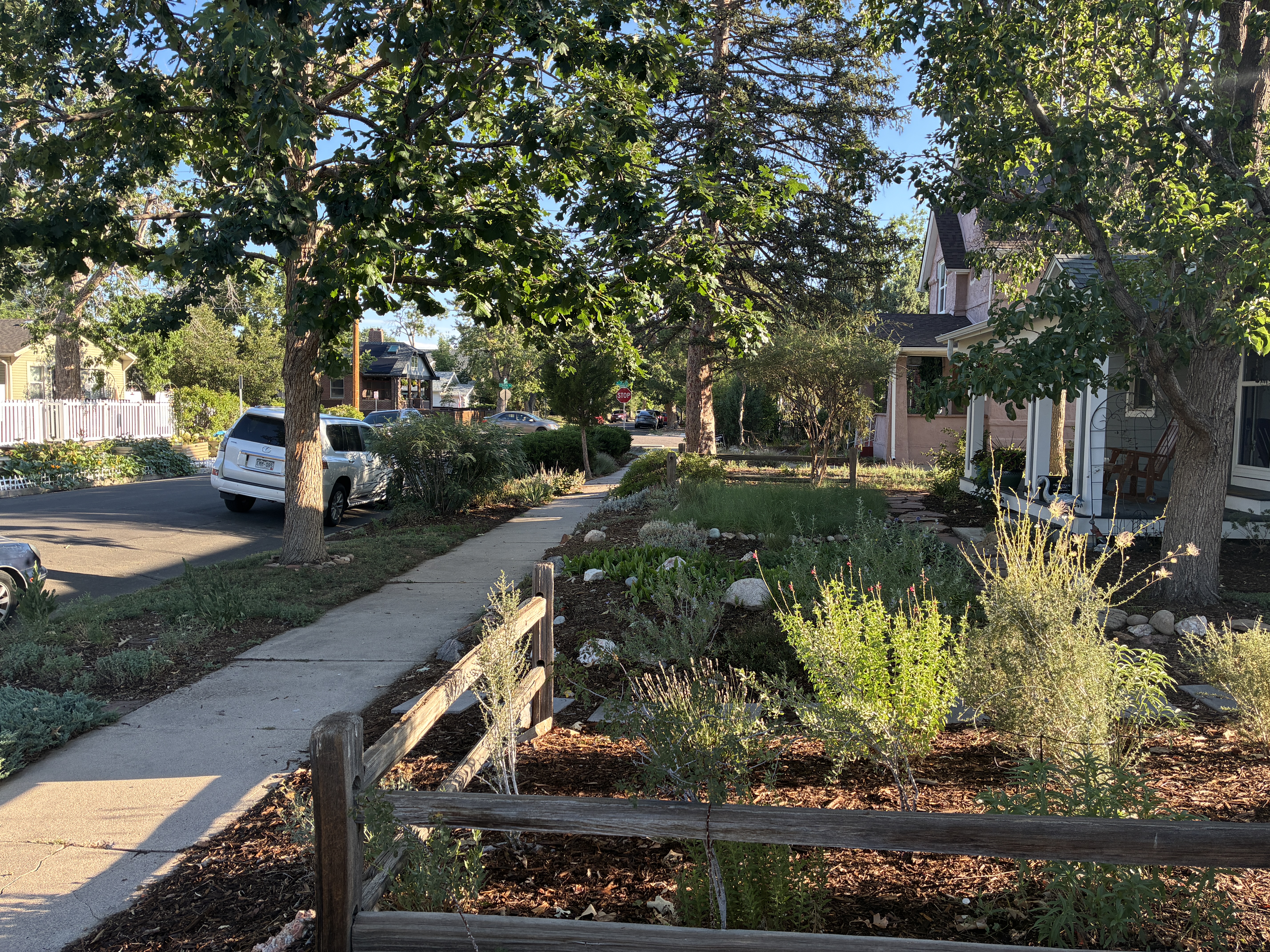



Click the link to read the article on the Getches-Wilkinson Center website (Anneka Lambert, Emilia Endara and Mallory Tope):
July 28, 2026
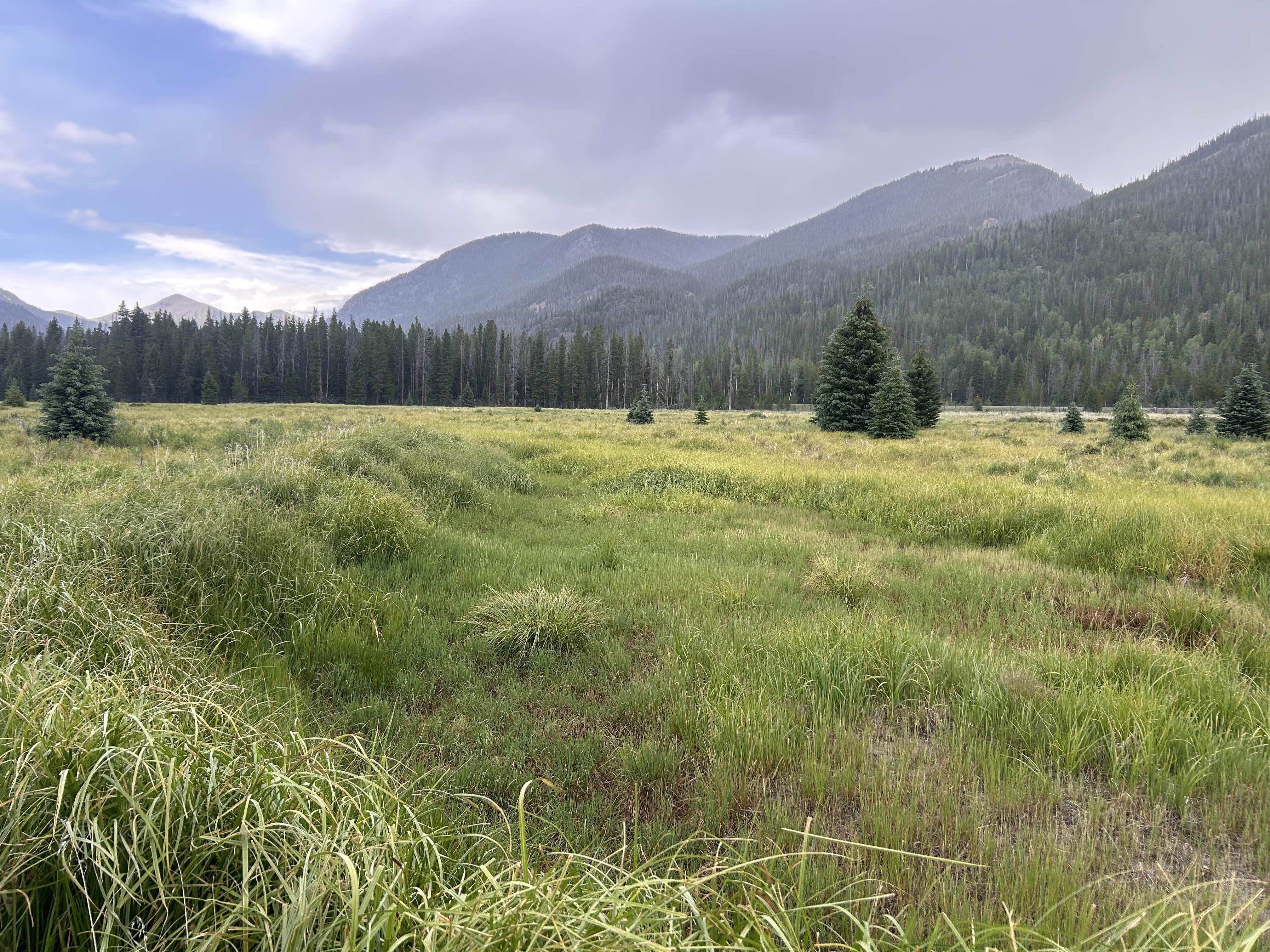
On July 8, the Getches-Wilkinson Center visited the Kawuneeche Valley restoration site at Beaver Creek in Rocky Mountain National Park. Upon arriving at Beaver Creek, the team met with Isabel de Silva Shewell, the lead ecologist on the project with a background in riparian restoration, who gave us a tour of the restoration site.
The 30-acre area is located at the headwaters of the Colorado River, and is surrounded by an exclosure fence tall enough to prevent moose and elk from jumping over. While we were fortunate enough to meet with Isabel and receive a guided tour, members of the public are welcome to enter through the gates and see the restoration efforts firsthand.
The Kawuneeche Valley Restoration Project/Beaver Creek Site Description
The Kawuneeche Valley restoration project is an effort to restore the ecosystem impaired by human activity and the climate-driven stressors such as an unpredictable snowpack and overbrowsing by moose.
Nestled at the base of the Never Summer Mountains, Beaver Creek is one of four tributaries to the mainstem of the Colorado River included in the project’s restoration efforts. Since the 1950s, there has been a loss of 94% of surface waters associated with beaver ponds, and a 77% loss of tall willow acreage since 1999. As a result, the Kawuneeche Valley has transitioned from its historical beaver-willow wetland ecosystem with a high water table, that supported hydrophilic vegetation and was dominated by tall willow.
These changes have been driven by human diversion of water, the effects of climate change, and the loss of tall willow due to the influx of large populations of moose. The once-booming beaver population in the area declined with the loss of suitable habitat. Without beaver dams, the water saturation in the soil became insufficient to support a stable riparian buffer. Beaver Creek became loaded with sediment, and water quality declined. The site has been identified as a major contributor of sediment to the mainstem of the Colorado River.
The Impacts of Moose and Elk at Beaver Creek and Potential Solutions
In 1978-1979, moose were re-introduced into Rocky Mountain National Park on the west side. https://www.nps.gov/articles/moose-research-in-rocky-mountain-national-park.htm. Initially, only 24 moose were released and largely remained on the west side of the park. Id. Moose are typically solitary animals; however, warmer, shorter winters allowed moose to congregate and populations to boom. Id. Easier passage facilitated the movement of moose across the continental divide to the east side of the park. Id.
As of 2025, there were 240 moose estimated to be in the park. Id. Willows are a primary food source for moose. However, willows, whose stems only grow about six inches per year, do not regenerate quickly enough to support such a large moose population. Today, the site is marked by what Isabel referred to as “zombie willows,” or willows that have been chewed down by moose, leaving only the woody stems of the plants.
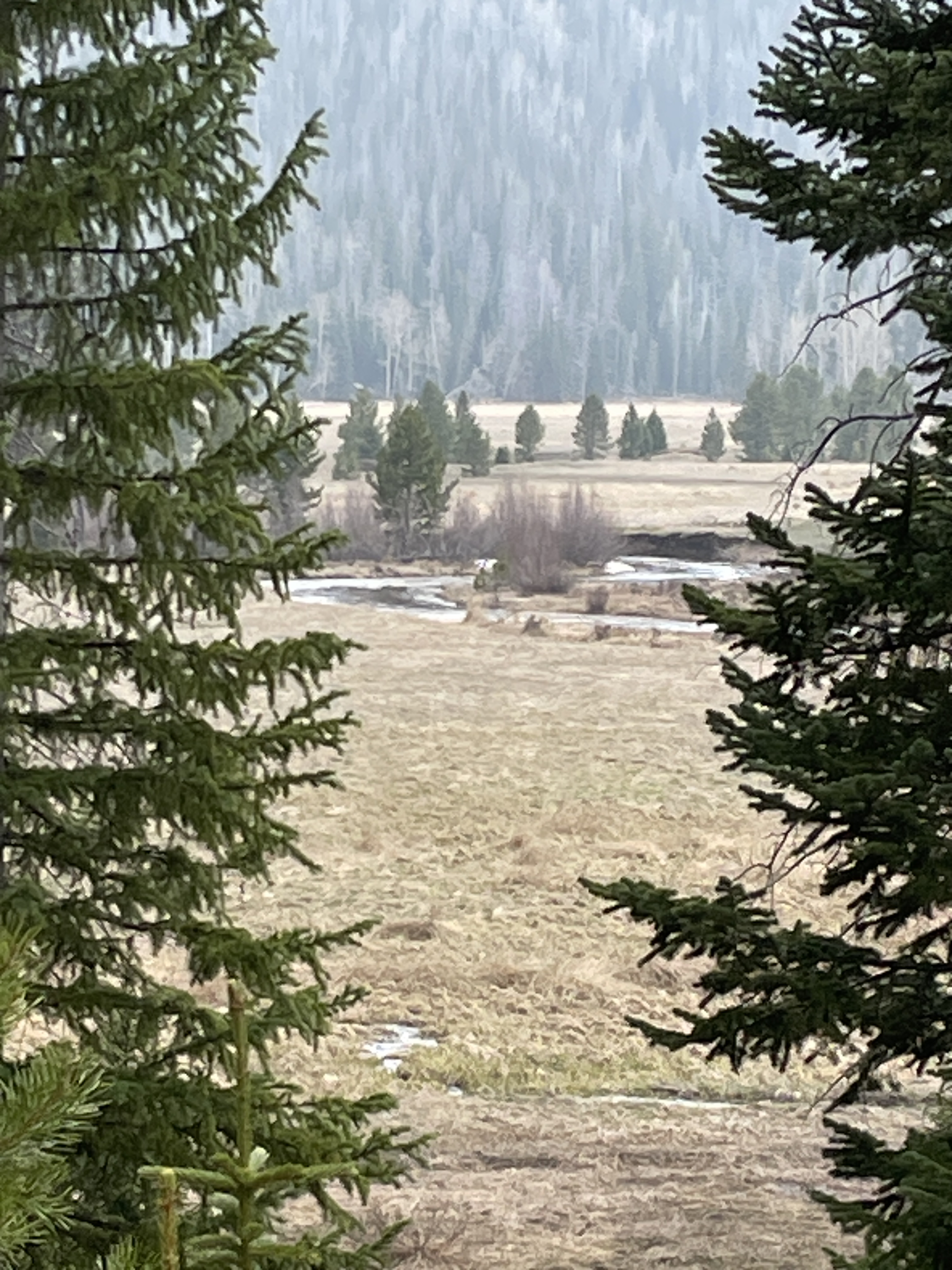
Evidence of the former beaver-willow ecosystem is found throughout the site. Depressions indicate where beaver dam surface waters had existed in previous decades; willows that had been chewed down to woody stubs have new growth, and wetland vegetation such as sedges dominate the area.
In addition to constructing beaver dam analogs, the park service is attempting to address moose populations. Exclosure fences have been successful in keeping moose and elk from entering the restoration site. However, this is only one component of long-term population management measures. Discussions of potential solutions include measures put in place in 2008 by the Elk and Vegetation Management Plan (EVMP). In addition to exclosure fences, these efforts also include the culling of individual moose. Hunting is not permitted in the park, and moose have no natural predators in the area to keep populations in check. Therefore, such measures may be necessary to restore balance to the ecosystem.

Beaver Dam Analogs
The main tool utilized to restore the site to a functioning beaver-willow wetland ecosystem are beaver analogs. Beaver analogs are wooden structures that span the creek in a manner that mimics beaver dams. They raise the water table upstream, increase channel complexity, promote resilience to high runoff in the snowpack, trap fine sediment, and store water across the floodplain. The analogs were built using lodgepoles from the surrounding area to mimic the natural ecosystem sourced from fuel-mitigation events in the park.
Restoration efforts are already yielding encouraging results. Groundwater quantity is continuously monitored at the site. Since the installation of the analogs in 2024; levels have slowly and steadily risen. Water quality at the site has improved, and benthic microorganisms highly sensitive to water quality have reappeared in the creek.
With the diminishment of willows over the years, invasive plant species such as the Canada Thistle flourished. Since the start of the project, Isbabel said there has been an evident decrease in Canada Thistle, leaving more room for willows to grow.
Takeaways and Further Information
Overall, the GWC would like to thank Isabel and all those at RMNP and the Kawuneeche Valley Restoration Project for this fantastic opportunity. The team greatly enjoyed seeing the site first-hand, looking at the impact of overbrowsing, and how the ecosystem has begun to heal. Being on the headwaters of the Colorado River was a reminder of all the components that go into maintaining a healthy, thriving river that can support the surrounding habitat and those downstream.
If you are interested in more information about the Kawuneeche Valley Restoration Project, please visit their website at: https://www.nps.gov/romo/the-kawuneeche-valley-restoration-collaborative.htm
If would like to help out, please consider volunteering at a future event. Previous volunteer opportunities have included revegetation efforts such as willow staking. There is potential for volunteers to help build and maintain materials for dam infrastructure at events in the future. More information can be found here: https://www.nps.gov/romo/getinvolved/volunteer.htm
For updates on the Kawuneeche Valley, you can sign up for their newsletter at: https://lp.constantcontactpages.com/sl/WKvPewd

Click the link to read the article on the Inside Climate News website (Bob Berwyn):
July 28, 2026
Countries around the globe are proving that cutting greenhouse gas emissions doesn’t have to come at the expense of vulnerable communities, workers, Indigenous peoples or ecosystems. A new United Nations Environment Programme report released Tuesday highlights a range of international laws and policies that are putting the once-aspirational idea of a “just transition” into practice.
In climate and energy policy, a just transition aims to shift economies away from fossil fuels while ensuring that the costs and benefits are shared fairly. That means creating alternative livelihoods for workers and communities dependent on fossil fuels, involving affected people in decision-making and creating new economic opportunities.
Although the term “just transition” often is swept into ideological debates about climate and energy policy, the underlying concept is simple. It’s like planning to replace an unsafe community bridge. Everyone agrees a new bridge is needed, but if people can’t afford the toll, or if the construction cuts off neighborhoods, the project may solve one logistical problem while creating several others. A just transition means designing the changes so the benefits outweigh the burdens, especially for the people most affected, by involving them in the process.
The report marks a shift from 10 years ago, when “just transition” was a broad principle embedded in the Paris Agreement. Drawing on legal and policy developments from around the world, the UNEP report emphasizes that integrating principles such as participation and transparency is key to accelerating the transition to a low-carbon economy and making it more sustainable.
Fairness is not an optional add-on; it’s crucial for the long-term success of transition policies, said Patricia Kameri-Mbote, director of UNEP’s law division, who reviewed the report for the international agency.
“The design and implementation of transition processes will determine whether there is a transition at all,” Kameri-Mbote said. “Just transition is a test of governance, legitimacy, and the rule of law.”
After studying just transition approaches in different countries, the authors wrote: “There is no one-size-fits-all model for just transition. It must be context-specific and grounded in national realities.”
In Poland, where coal has long been central to the economy, the government negotiated a long-term agreement with mining unions before closing mines. The plan included a gradual phaseout with retraining, economic assistance for towns and support for families to give communities years, not months, to adjust to the changes.
Colombia is granting Indigenous and Afro-Colombian communities a stake in renewable energy projects and the revenue they generate. Indonesia is helping former coal towns rebuild economies around tourism and local businesses. And Canada has backed financing that allows Indigenous communities to own stakes in clean-energy and infrastructure projects, rather than simply hosting them.
“Making just transition work in practice is complex, nuanced and context-specific,” Kameri-Mbote wrote via email. But the case studies analyzed in the report helped identify key elements of a resilient and just transition, including strong human rights and environmental laws, effective access to courts and “adequate and accountable financing,” she added.
A Fairer World
Ultimately, a just transition is about making the world fairer, said Rachel Cleetus, senior climate and energy policy director with the Union of Concerned Scientists. The report shows that what matters most is people’s everyday lives, affordable access to energy and protecting vulnerable populations from the devastating impacts of intensifying climate extremes.
Cleetus said the report doesn’t directly address the fossil fuel industry’s near-stranglehold over climate and energy policy. Policies to promote just transitions must, at some point, also break that power, she said. [ed. emphasis mine]
Nikki Reisch, climate and energy program director at the Center for International Environmental Law, said via email that the report’s focus on rule of law, rights and inclusion is critical, but added that “it’s also critical to name what we are transitioning away from – fossil fuels – and what justice looks like after centuries of harm.”
Last year’s International Court of Justice climate advisory opinion made clear that “States have a legal duty to prevent and remedy climate harm and protect human rights,” she said. “That’s not possible without leaving fossil fuels behind and holding polluters to account.”
Grounded in Law
The report traces the roots of the just transition concept to the U.S. labor movement in the 1970s as an emerging response to perceived threats of environmental regulation to jobs in certain industries. Unions began adopting transition resolutions, and in 1997, an international coalition of unions and environmental advocates founded the global Just Transition Alliance.
The idea entered climate discussions in the late 1990s, “when international trade union federations started using the term to describe potential job losses associated with a rapid move away from fossil fuels, while acknowledging the labor risks posed by climate change itself,” according to the report.
As the United Nations climate talks eyed binding emissions targets under the Kyoto Protocol in the late 1990s, climate change was controversial in the international labor movement. British, German and Spanish unions supported binding greenhouse gas cuts, while many North American unions, including the United Mineworkers of America, lobbied against them.
At the COP30 climate summit in Brazil in 2025, the 198 countries in the United Nations Framework Convention on Climate Change agreed to shift from planning to implementation.
They confirmed that transition pathways are nationally determined, must align with the goal of the Paris Agreement to limit global warming and should be implemented through each country’s climate plan.
The new report “rightly argues that justice must be built into both the process and the outcomes of the transition,” said Chukwumerije Okereke, professor of global governance and public policy at the University of Bristol, United Kingdom.
“People are talking about a ‘just transition’ because experience has shown that climate policies succeed only when they are perceived as fair,” he said. “If workers lose jobs, communities bear disproportionate costs, or developing countries are expected to decarbonize without the resources to do so, political resistance grows.”
For many developing countries, justice also means “preserving the policy space to pursue economic development while tackling climate change,” he said. The next phase of global debates about just transitions will extend beyond protecting workers to making sure countries maintain economic independence so they can design transition plans best suited to their own circumstances, he said.
The new report tries to formulate a definition of just transition that goes beyond the traditional labor-centric or sectoral approach “by leveraging an environmental rule of law framework,” Kameri-Mbote said.
The growing urgency of the energy transition bolsters the need for strong environmental laws and institutions because governments can be tempted to focus on cutting emissions while overlooking who bears the costs, who benefits and who gets a say, she said. The report shows that environmental rule of law provides guardrails that can help ensure a rapid transition is fair and sustainable.
Directly writing just transition principles into law is a key step, including rights-based approaches aimed at preventing violations. And, the report says, affected people must have real influence early in the planning process. They also need a reliable legal system to challenge bad decisions or when governments or companies don’t follow the rules.
Environmental rule of law is the machinery that turns just transition from a good intention into something enforceable and implementable, Kameri-Mbote said.

Click the link to read the article on the Big Pivots website (Allen Best):
July 27, 2026
“We know climate change is real. We know we’re living it, but no one expected it to move this quickly.”
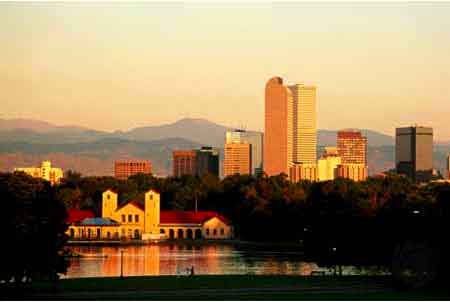
As moderator at last week’s water forum held at the Denver Museum of Nature and Science, I posed the question to our three panelists about this hot and dry summer after last winter’s exceptional warmth and dearth of snow.
“From where you sit now, is this any different from what we’ve been through before?”

Pat Mulroy was quick to answer. She calls herself a “recovering CEO.” For 23 years she oversaw the Southern Nevada Water Authority‘s operations in Las Vegas and its suburbs. Early in her watch, the population of Clark County, where Las Vegas is located, exceeded the population of Manhattan. It now has a population of 2.5 million people.
The metro area there gets 90% of its water from the Colorado River via tunnels into three levels of Lake Mead. The newest — one she championed, despite a cost of $1 billion — comes up from underneath the reservoir. Even when Hoover Dam backs up too little water to be released downstream, Las Vegas will have access to water.
“I always love coming to Denver, now that I no longer come to Denver as the protagonist from the evil lower basin,” she said.
Footnote here: Many who had never heard Mulroy speak before were astonished at her liveliness.
“This summer is different only because the cumulative effect of all the summers that went before has come home to roost,” she continued.
“All the cushion we have (had) is gone. I mean, it’s one thing to have 2002 when you had a bad winter and Lake Powell started going down rapidly, but Lake Mead still had (water to an elevation of) over 1,200 feet. We’re now seeing the very real possibility that Lake Mead is going to go to 900 feet by next year. That would be 10 feet above deadpool.”
Deadpool is the water level that is so low that water can no longer be released from a dam. The level at which electricity can no longer be produced is higher.
Mulroy went on to say that while the Metropolitan Water District of Southern California is taking steps to “replenish” Mead — by taking less water than allotted — the problem continues to worsen. That indicates the depth of this problem.
“It’s never ending, and the rate of change is so much faster than any of us expected,” added Mulroy. ” We know climate change is real. We know we’re living it, but no one expected it to move this quickly.”
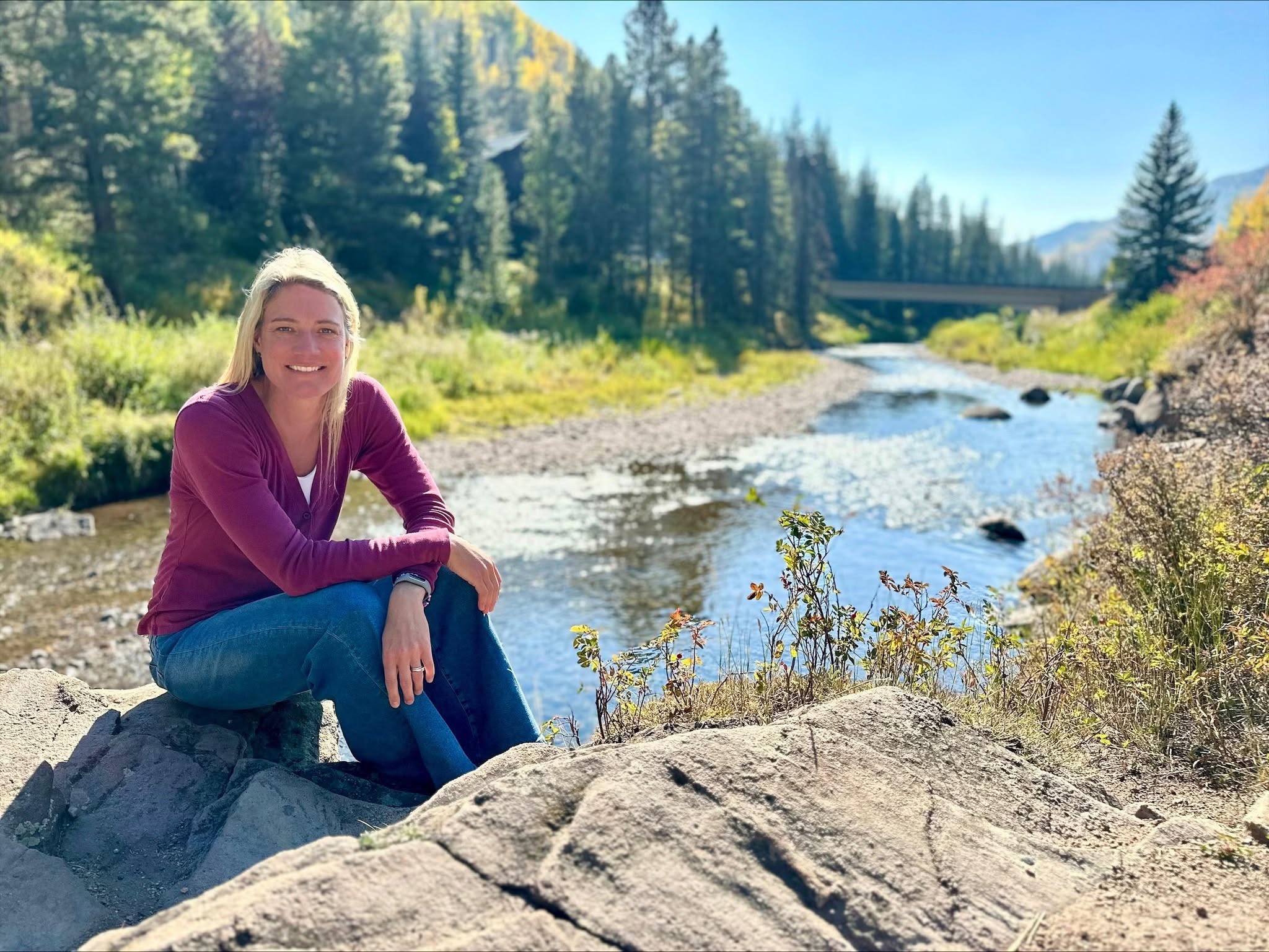
Siri Roman was next. She manages the Vail-based Eagle River Water and Sanitation District. “I think that 2002 changed water in Colorado, and 2026 is going to change it completely again. A lot of our planning and assumptions are being challenged this year,” she said.
“I mean, it was 80 degrees for two weeks in March. Watching our very little snowpack — the lowest snowpack we had on record — nearly melt out in March was quite alarming to us.”
Eagle River Water and Sanitation District has several small reservoirs. Among them is the reservoir at Vail Pass, another near Camp Hale, and a third near Minturn.
“They weren’t able to fill because the stream flows were so low. There are a lot of things we rely on that we’re not going to be able to rely on moving forward. How do we get creative, looking at demand and other solutions about how to prepare for a drier year?” Roman continued.
“Statistically, they always say you won’t get two years like this in a row. I don’t think we can say that anymore. We can’t rely on the statistics because we’re seeing such abnormal patterns.” [ed. emphasis mine]

Alan Salazar, the third panelist, is CEO of Denver Water. The water agency delivers water to about 25% of the 6 million Coloradans. “We use just 2% of the state’s water, and that has been pretty steady going back through the 1970s. That didn’t happen by accident, because we took measures. My predecessor and Denver water employees in the last 20 years use water more efficiently and with conservation in mind.”
Salazar had high-level positions as policy advisor to several elected officials, mostly in Colorado. One of them was the former U.S. Sen. Mark Udall, an advocate of protecting natural resources and an early advocate of public awareness around climate change. He recalled what his boss had told him: “Alan, no matter how many laws we pass, no matter how many regulations we implement, Mother Nature bats last. And boy, is she batting.”
As compared to 2002, he said, this year is more extreme. “We had a heat dome that made the spring more difficult, and it’s partly why the response from our customers has lagged, because even though there are water restrictions, the extremes in temperatures have put greater pressure on water use. So, it’s quite a bit different.”
These remarks were delivered early in the 90-minute sessions devoted to water and urban uses in Colorado and somewhat beyond.
The museum’s Institute for Science and Policy will hold another session on Aug. 27 in its two-part Liquid Courage series. This next session will have four panelists:
- Robert Sakata, a farmer from Brighton and now a senior adviser at the Colorado Department of Agriculture;
- Anne Castle, a former Interior Department undersecretary for water in the Obama administration now affiliated with the Getches-Wilkinson Center at the University of Colorado Law School;
- Nathan Coombs, a San Luis Valley farmer and a member of the Colorado Water Conservation Board; and
- Sarah Jones, co-founder of Rye Resurgence and co-owner of Jones Farm Organics near Hooper, in the San Luis Valley.
You can register here. The session last week sold out.
Click the link to read the article on The Land Desk website (Jonathan P. Thompson):
July 24, 2026
🤖 Data Center Watch 👾 🌵 Public Lands 🌲
First they came for your electricity, then they came for your water, then they came for your brains, and now the AI data centers are coming for your public lands.
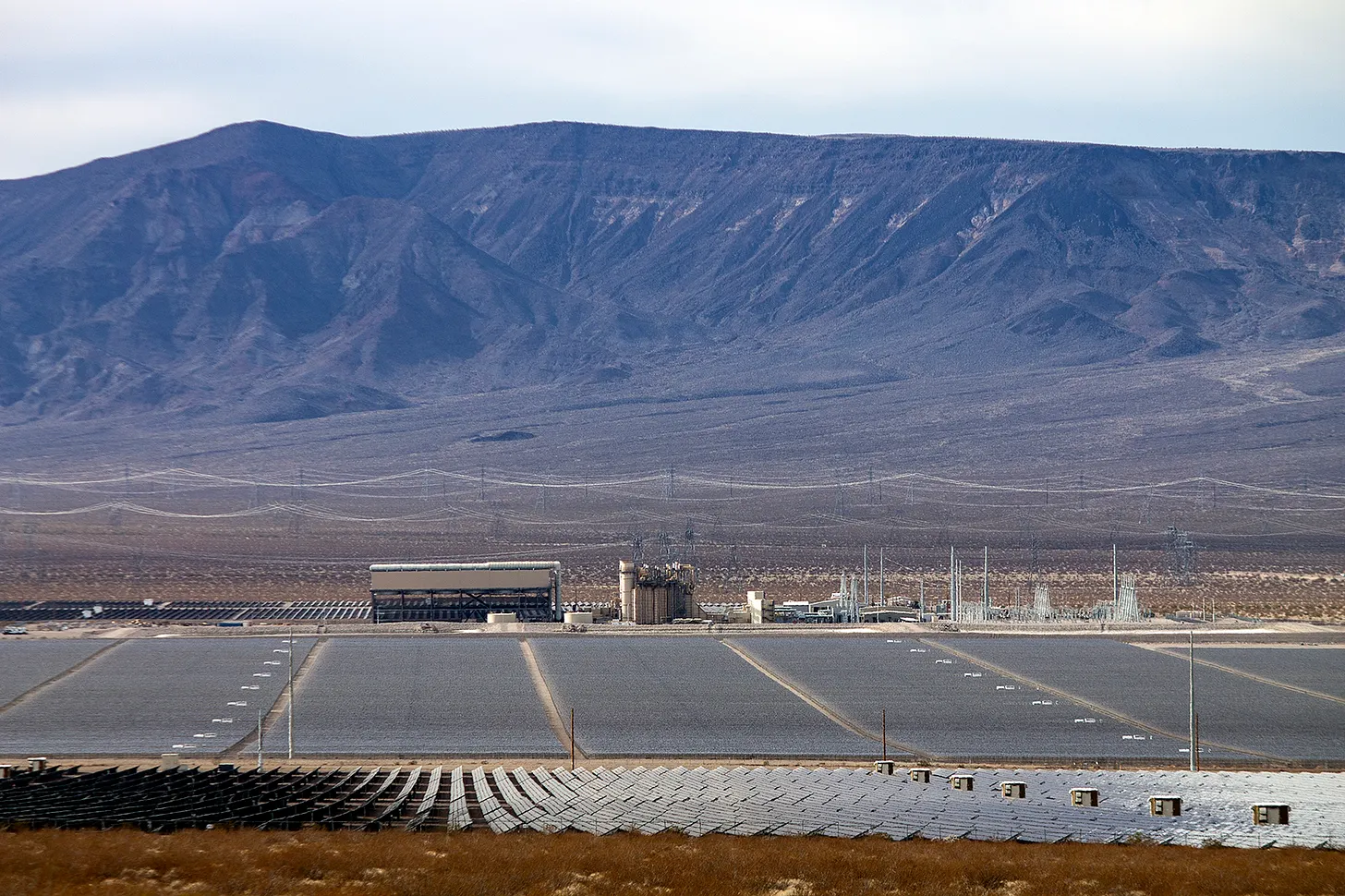
Okay, that’s a bit dramatic, but it is true, at least in one case. This summer, the Bureau of Land Management quietly approved a Texas natural gas and power market-focused hedge fund’s proposal to build a large data center on public land outside Boulder City, Nevada. The agency did not seek public input on the decision, nor did it subject the project to an environmental review, drawing pushback and criticism from Boulder City residents and officials as well as state and federal lawmakers.
This is the only known incidence of the BLM approving a data center on public land. But it may not be for long. Cities, towns, and counties are growing increasingly wary of the facilities, imposing stricter regulations and even outright bans that could push developers to seek cheaper, friendlier places to build. Under the Trump administration, which is looking to win the AI “war,” federal lands may be the cheapest and most regulation-free place to put a server farm. Both the Biden and Trump administrations invited data center developers to look to Department of Energy lands, but there hasn’t been an open call to do the same with BLM lands.
The Boulder City saga started years ago, when Skylar Energy Resources, a subsidiary of Skylar Capital Management, proposed the 19-megawatt Townsite Solar 2 facility on 76 acres of BLM land four miles southwest of Boulder City, the town created in the 1920s to house Hoover Dam construction workers. The project would have been adjacent to the existing Townsite solar facility, which was developed by Skylar but is now owned by Arevon Energy. In 2023 the BLM approved the project, though construction has yet to begin.
Late last year, Skylar — operating as Townsite Solar 2 (TS2) — proposed a 170 MW, “high-density,” AI data center campus on 88.5 acres of land owned by Boulder City that is also near the existing solar facilities. TS2 had previously planned to build a solar-plus-battery-storage installation on this parcel. That proposal was met with strong opposition from Boulder City residents, who worried about the facility’s outsized energy use and its potential water consumption. Following the backlash, developers said they would use a hybrid closed-loop “ultra-low or zero liquid discharge” cooling system, which would use treated effluent rather than potable water (also increasing energy consumption). The lease would generate approximately $1.47 million annually for the city, plus property taxes and permit fees.
At the same time that it applied to the city, however, Skylar also went to the BLM, requesting an amendment to its solar facility right-of-way so that it could build a data center on the public land, instead. In June the BLM granted its approval, sans environmental review or public input, and withdrew its application for the city-owned property.
I’ve written here frequently about the Big Data Center Buildup, as tech firms build bigger and bigger — and more and more water- and energy-intensive — server farms in Phoenix, Tucson, southeastern New Mexico, on the shores of the Great Salt Lake, outside Cheyenne, and even in Page, Arizona, and Alaska. Perhaps inevitably, the Big Buildup is now confronting an even bigger backlash.
People from across the political and demographic spectrum are rising up and opposing these facilities for a variety of reasons. All data centers use a lot of energy, with the newer “hyperscale” facilities gobbling up even more power. Some are purchasing solar, wind, or geothermal energy to power the facilities, but even many of the greenest-leaning ones rely on dirty natural gas generators for backup. Meanwhile, the natural gas and coal industries are licking their chops at the prospect of rising demand for fossil fuel-generated power, since renewables alone can’t keep up with the skyrocketing rise in demand. Also, data centers can exacerbate urban heat islands, which sucks if you happen to live next door to one.
Data centers also use quite a bit of water, but the amount varies depending on what type of cooling system is used. Closed-loop systems need to be filled up only occasionally, and are less water-intensive, while evaporative systems use far more water. The catch is that using less water for cooling often means using more energy for the same; if the energy comes from a thermal plant fired by gas or coal, power-generation can also use a lot of water. Still, the volumes pale compared to some other uses, most notably agriculture.
Big Tech invades Nevada’s power grid (and desert) — Jonathan P. Thompson
Data Centers: The Big Buildup of the Digital Age — Jonathan P. Thompson
🥵 Aridification Watch 🐫
When a region suffers through a hot and dry winter a quarter century into the worst megadrought to hit the area in 1,200 years, many of us will intuitively link it to climate change and global warming. But intuition is not science, and there may be other plausible explanations.
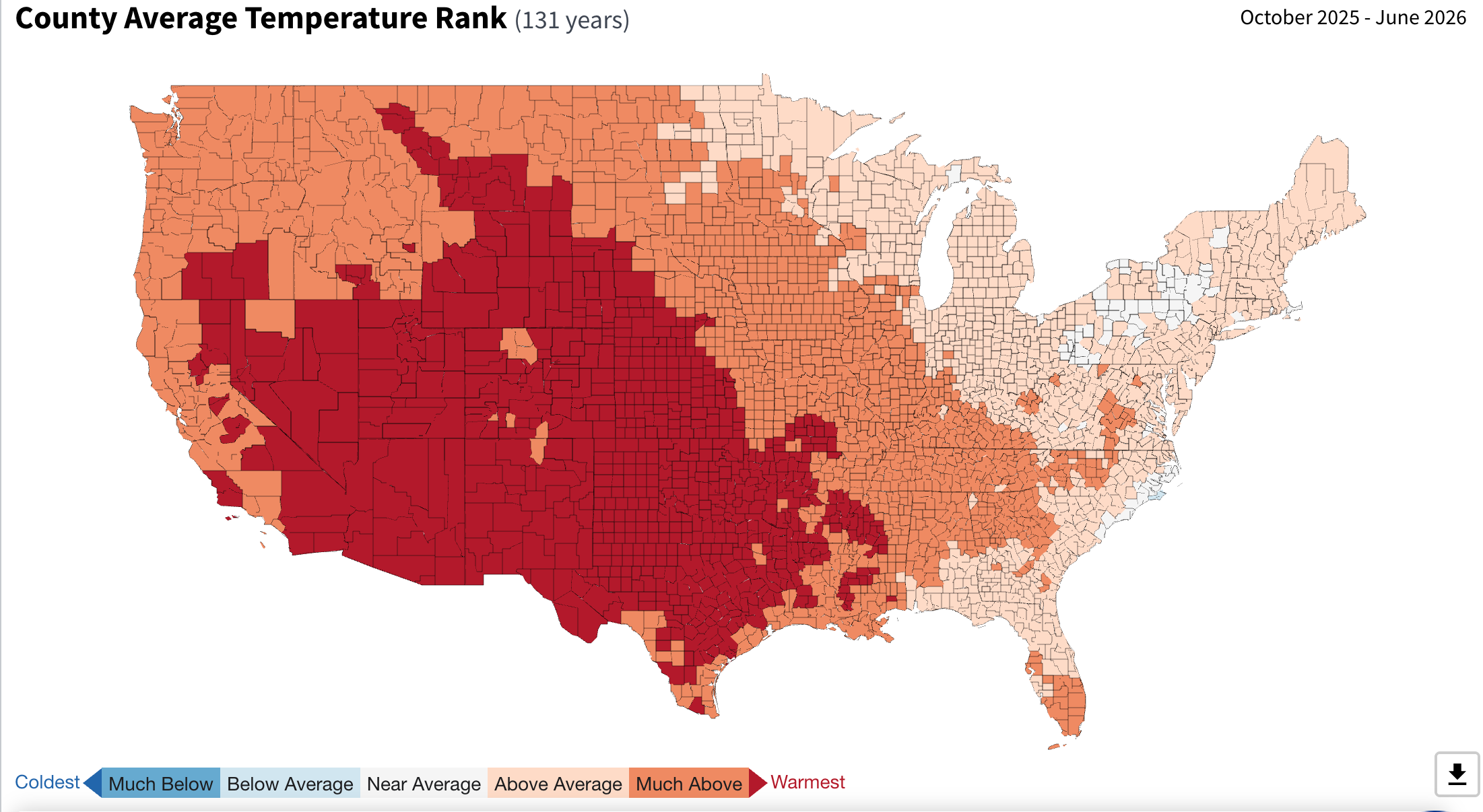
But now the science has spoken — in the form of a peer-reviewed paper* out of the Colorado School of Mines — and it has determined that this year’s snow drought was almost certainly the result of human-caused climate change.
The authors used a probabilistic approach to assessing climate change’s role in the West’s 2026 snow drought. And they found that across the West as a whole, the 2026 snow drought was about four times more likely to occur in the current climate than during the 1850-1900 comparison period. In the Upper Colorado River Basin, where the drought was most severe, this year’s dire conditions were about 14 times more likely in our current climate than in pre-industrial times, “with the uncertainty range reaching into conditions so extreme that probabilities are difficult to estimate with confidence.”
This isn’t just confirmation of what may seem obvious to long-time observers. More critically, it indicates that this year’s lack of snow is no longer just a once in a century event, and that if the climate continues to heat up, these dry spells may become more common.
*A.M. Marshall,M. Cowherd,S. Rahimi, & Y. Ye, The 2026 western US snow drought was about four times more likely due to climate change, Proc. Natl. Acad. Sci. U.S.A. 123 (30) e2612961123, https://doi.org/10.1073/pnas.2612961123 (2026).
🛢️ Hydrocarbon Hoedown 📈
The Navajo Methane Coalition has released an animated video explaining how methane emissions from oil and gas facilities can harm Diné communities, and detailing ways to tackle the problem. It’s an especially important issue now, as the Trump administration rolls back methane waste prevention rules. Check it out:
⛈️ Wacky Weather Watch⚡️
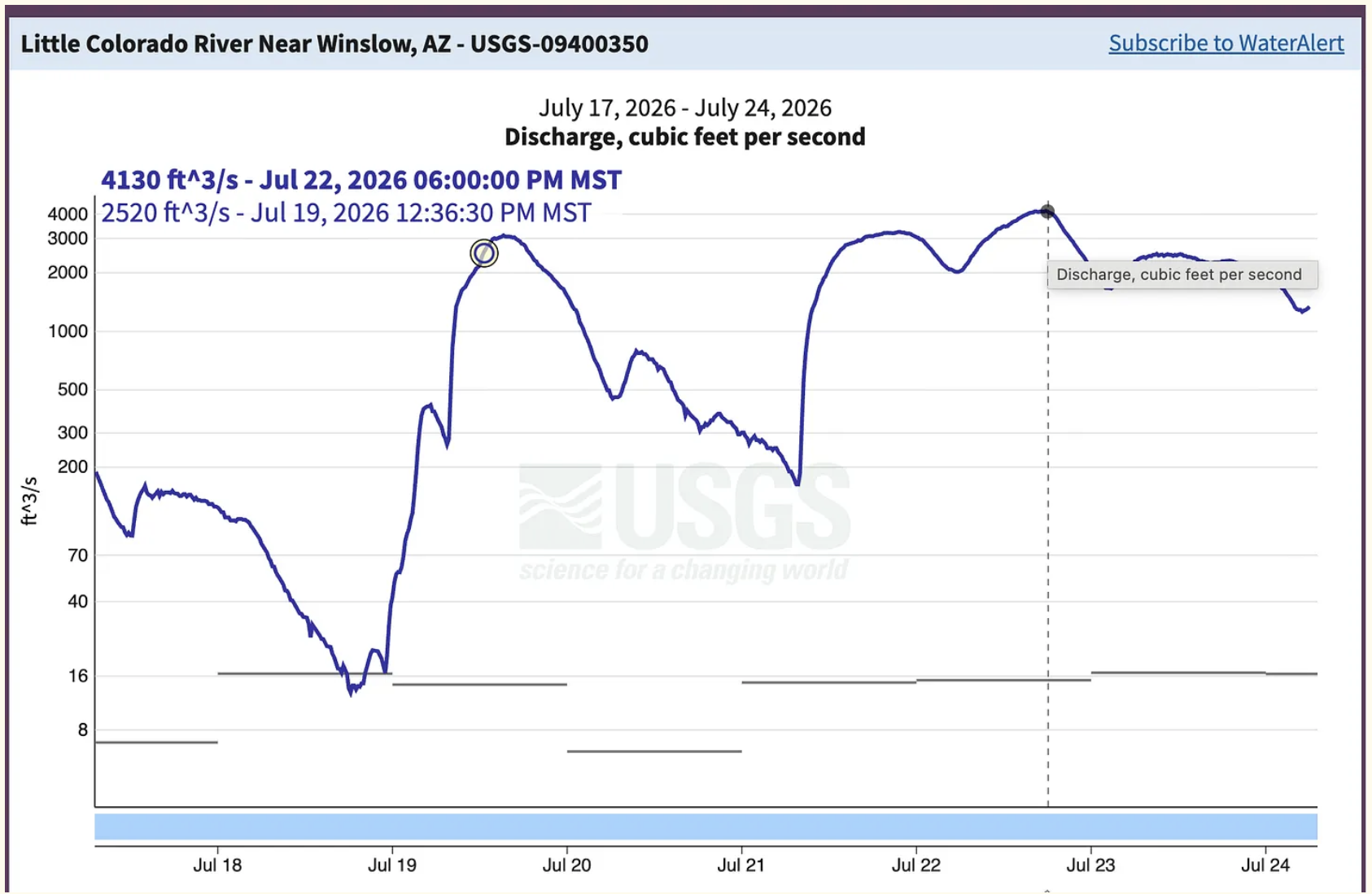
The monsoon is here and it is causing some serious mayhem in some places, especially in western New Mexico and in Arizona.
The Gallup area received at least two inches of rain in one day, causing the Rio Puerco to go from dry to raging river in a matter of hours. And it wasn’t just the Puerco. Several Gallup streets, including Route 66, turned into virtual rivers that were more than tire-deep in some places, causing hazards for motorists. Zuni Pueblo was also was inundated with water.
The Rio Puerco does not seem to have a working streamflow gage, so I checked out the Little Colorado River near Winslow, downstream from its confluence with the Puerco, and it got really, really big.
📸 Parting Shots 🎞️
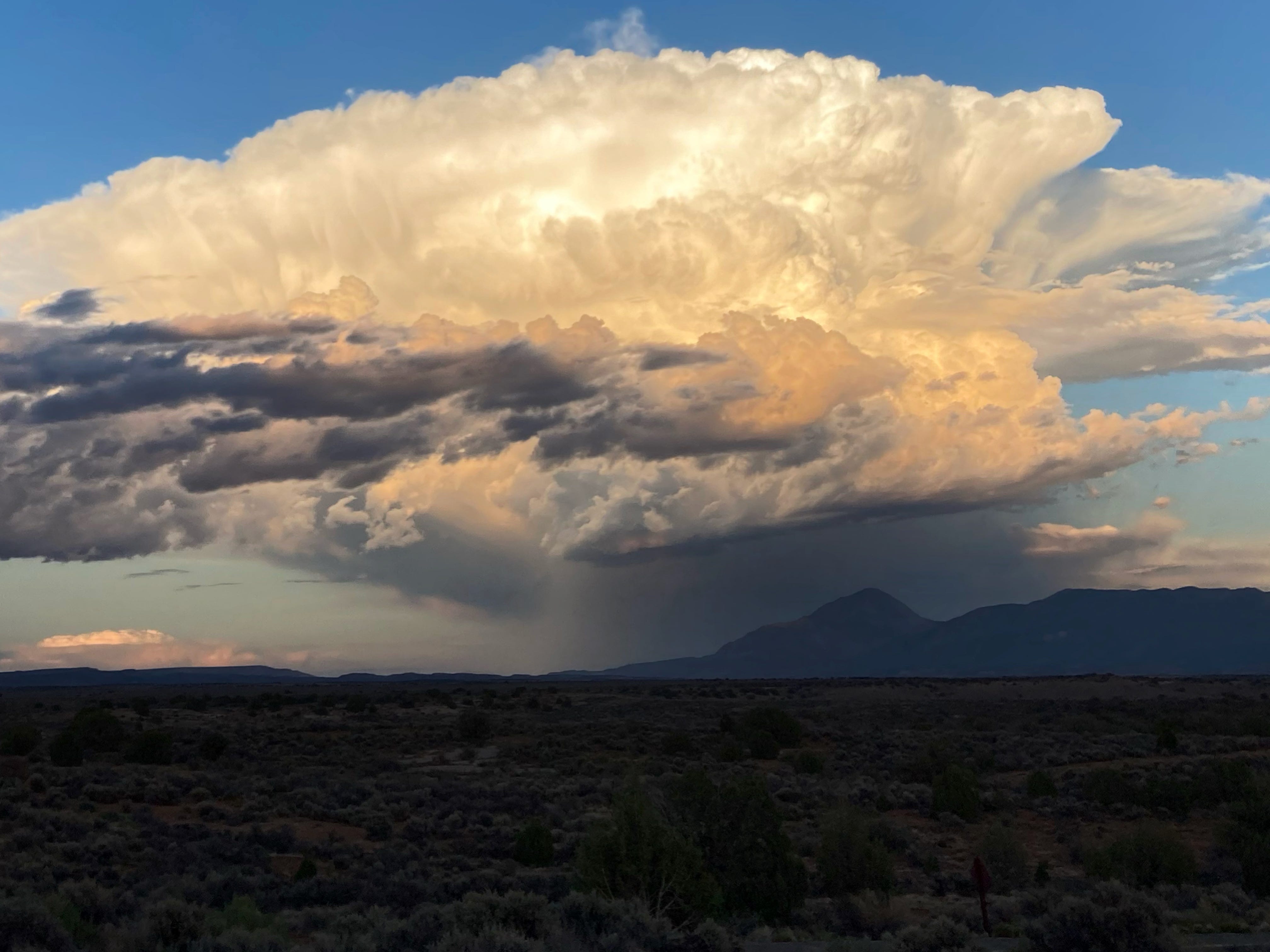

Click on a thumbnail graphic to view a gallery of drought data from the US Drought Monitor website.
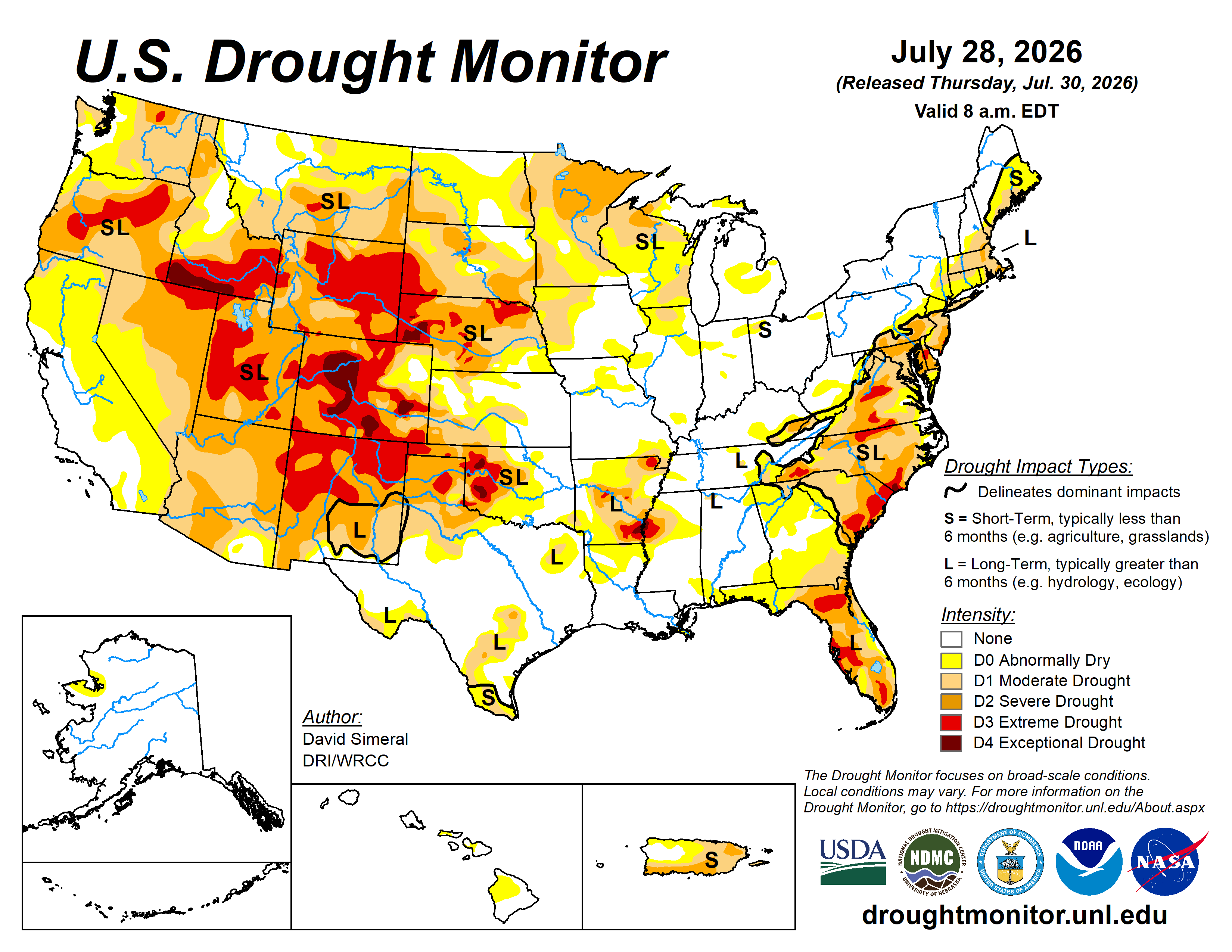

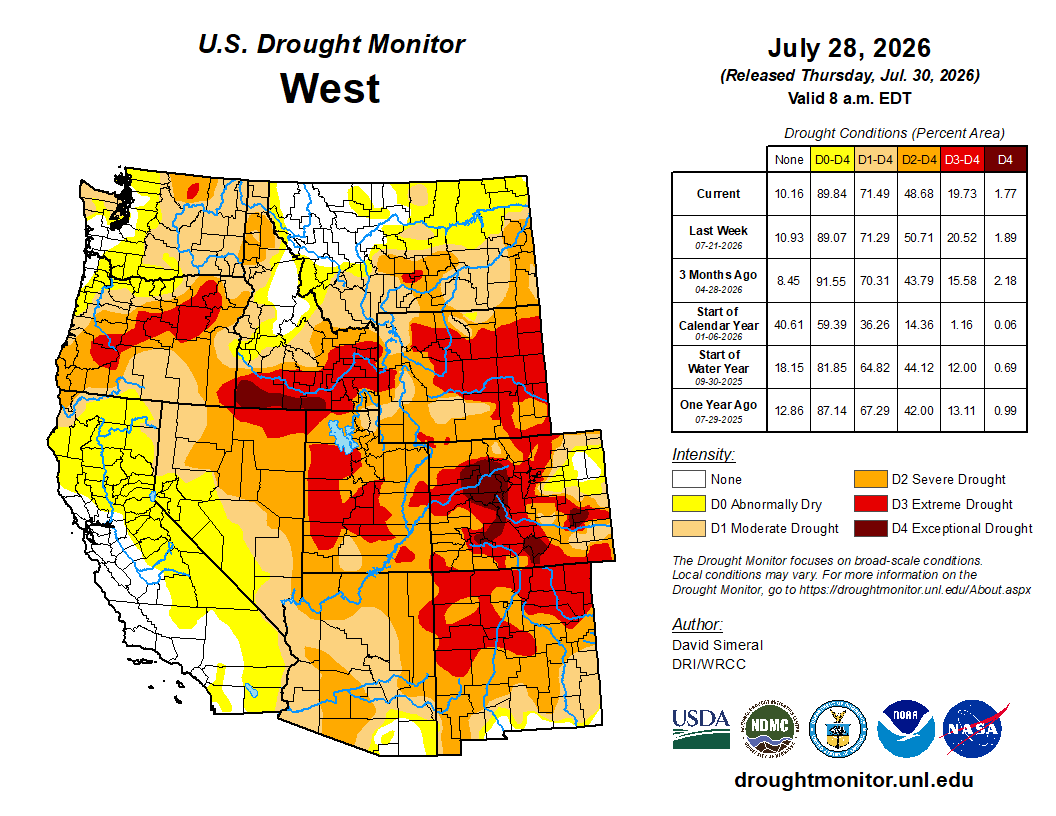
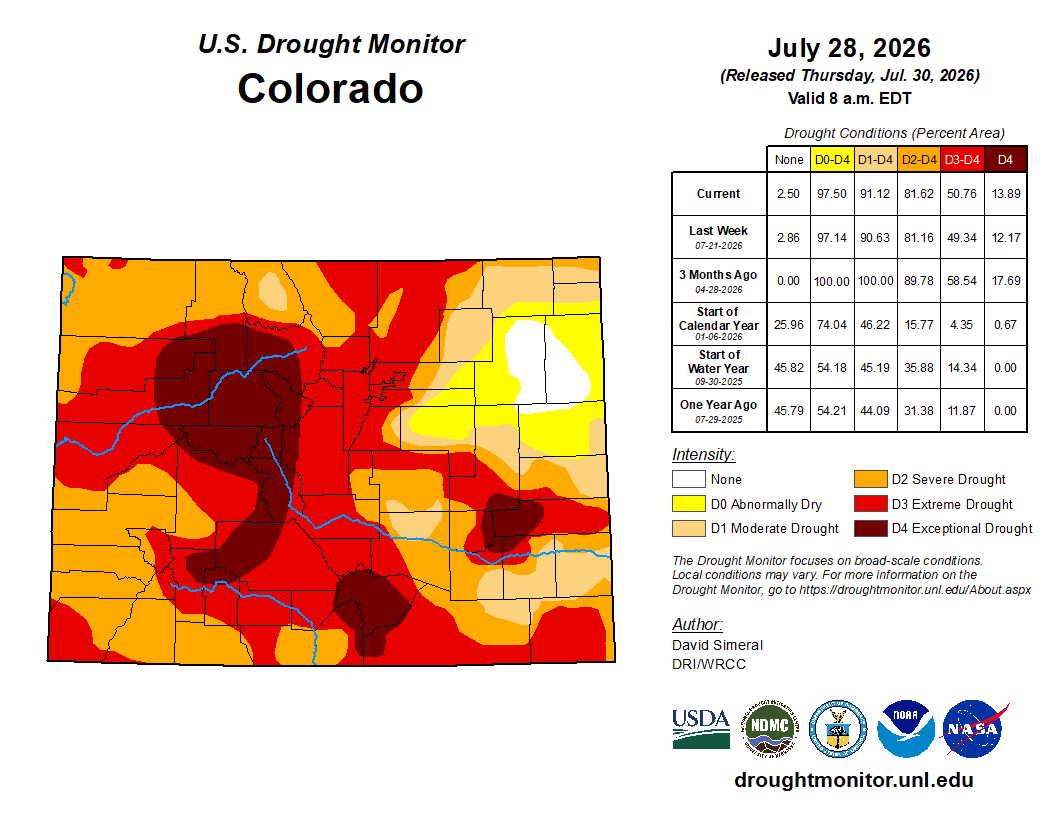
Click the link to go to the US Drought Monitor website. Here’s an excerpt:
This Week’s Drought Summary
This U.S. Drought Monitor (USDM) week saw very hot and dry conditions across areas of the Western U.S. and the Plains states where average temperatures soared well above normal levels—significantly elevating evaporate demand, especially across the Upper Midwest, Northern Plains, Colorado, and the Texas Panhandle where conditions deteriorated rapidly. Elsewhere, heavy rains across areas of the Mid-Atlantic states, Southeast, and the South, led to widespread improvements on the map in drought-affected areas. In North Carolina, rainfall totals for the week ranged from 3 to 8+ inches across the state leading to a significant improvement in drought-related conditions statewide. In the Northeast, recent isolated shower activity helped to improve drought conditions; however, the impacts of the longer-term drought continue to affect groundwater conditions in areas of Rhode Island and Massachusetts. In the Upper Midwest, drought expanded and intensified on the map, especially across Minnesota and Wisconsin where composite flash drought indicators were showing severe to extreme flash drought conditions during the past week. Out West, the Four Corners states continued to receive beneficial monsoonal rainfall with isolated areas receiving 2 to 4 inches. In portions of Arizona and western New Mexico, precipitation during the past 30-day period has been above normal, boosting streamflow and soil moisture levels while improving vegetation health. In the Pacific Northwest, short-term dryness has led to a dip in soil moisture and streamflow levels in areas of western Oregon and Washington. In the Great Basin, recent monsoonal rains have provided some minor relief to drought-affected areas of eastern Nevada.
In terms of reservoir storage in the West, California’s reservoirs continue to be at or above historical averages for the date (July 28), with the state’s two largest reservoirs, Lake Shasta and Lake Oroville seeing slight decreases over the past week, at 99% and 108% of average, respectively. In the Southwest, the U.S. Bureau of Reclamation is reporting (July 26) Lake Powell at 23% full (33% of average for the date; lowest on record for the date in the last 30 years), Lake Mead at 27% full (45% of average for the date; lowest on record for the date in the last 30 years), and the total Colorado River system (July 26) at 33% of capacity (compared to 39% of capacity the same time last year). [ed. emphasis mine] According to the Salt River Project, the Salt River reservoir system in Arizona is currently 48% full, Verde River system 59% full, and the total reservoir system at 50% full (compared with 59% full a year ago)…
High Plains
For the week, drought-related conditions deteriorated across the region including in the Dakotas, Nebraska, and Kansas where temperatures were well above normal, especially in western portions of the region where anomalies ranged from 3 to 9 °F above normal. NDMC’s flash drought composite map (July 27) also showed flash drought conditions developing with numerous drought impact reports coming into the NDMC’s Condition Monitoring Observer Report (CMOR) reporting system during the past 7-day period—especially in the Dakotas in relation to crop and rangeland conditions. Looking at climatological rankings for the past 30-day period, numerous locations ranked among their warmest or near warmest mean temperatures on record, including: Rapid City NWS Weather Forecast Office, SD (warmest on record; +8 °F departure); Custer, SD (3rd warmest; +6 °F departure); Bismarck, ND (5th warmest; +5 °F departure); and Fargo, ND (3rd warmest; +5 °F departure)…

West
On the map, drought-related conditions deteriorated in areas of eastern Colorado, eastern New Mexico, southeastern California, and western Washington. Conversely, beneficial monsoonal rainfall led to improvements across Arizona, northwestern New Mexico, southeastern Utah, and northeastern Nevada. In the Southwest, an active monsoonal pattern (June 15 to present) has led to above-normal precipitation, especially in Arizona where percentages of normal have ranged from 150% to 250% above normal across southeastern, central, and northern portions of the state. According to the NWS Forecast Office in Tucson, AZ monsoon statistics, the following Arizona locations have received above-normal rainfall for the monsoon season: Nogales, Sierra Vista, Wilcox, Ajo, Globe, Apache Junction, Flagstaff, Kingman, Page, Prescott, Show Low, and Winslow. In Colorado, drought expanded and intensified on the map in response to anomalously warm temperatures, decreased soil moisture levels, and elevated evaporative demand. Looking at climatological rankings for the past 30-day period, numerous locations ranked among their warmest or near warmest mean temperatures on record, including: Montrose, CO (warmest on record; +3 °F departure); Dinosaur, CO (warmest on record; +4 °F departure); Grand Junction, CO (2nd warmest; +4 °F departure); Trinidad, CO (2nd warmest; +4 °F departure); Denver, CO (2nd warmest; +3 °F departure); Rock Springs, WY (3rd warmest; +4 °F departure); Casper, WY (3rd warmest; +5 °F departure); Salt Lake City, UT (5th warmest; +4 °F departure); and Pocatello, ID (5th warmest; +4 °F departure)…
South
On this week’s map, widespread improvements were made in drought-affected areas of Tennessee where rainfall has been well above normal during the past 30-to-60-day period across much of the state. In southern Texas, areas of drought expanded where hot and dry conditions have prevailed during the past 30 days. In the Texas Panhandle, short and longer-term dryness led to intensification of drought with year-to-date precipitation deficits ranging from 3 to 8+ inches. Looking at the reservoir situation, Water Data for Texas (July 29) reports statewide reservoirs at 78% full, with eastern reservoirs in good condition while numerous western, northern (Panhandle), and southern reservoirs remain below normal. Looking at climatological rankings for the past 30-days, record to near-record mean temperatures were observed in areas of the region, including in Brownville, TX (2nd warmest on record; +2 °F departure), Amarillo, TX (8th warmest; +3 °F departure), Gulfport, MS (4th warmest; +2 °F departure) and Jackson, MS (5th warmest; +2 °F departure). Average temperatures for the week were above normal across most of the region (1 to 10+ °F) with the greatest anomalies observed in the panhandles of Oklahoma and Texas…
Looking Ahead
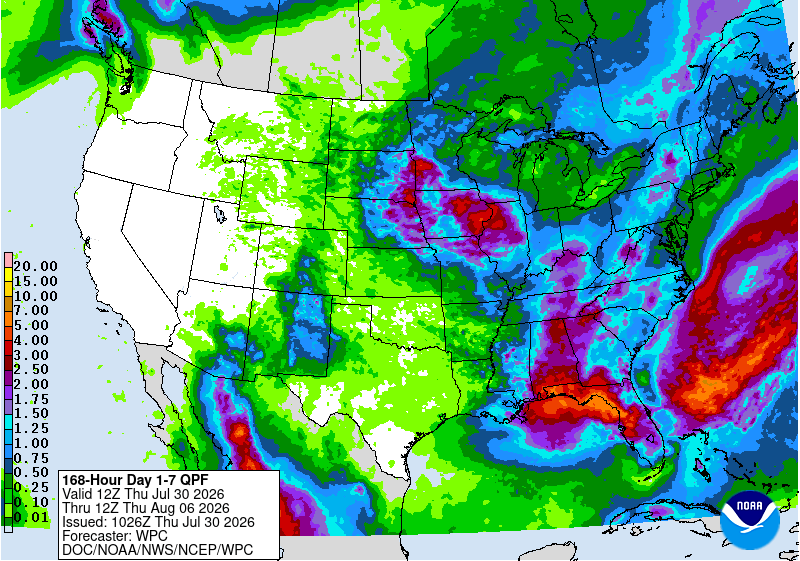
The NWS Weather Prediction Center’s 5-Day Quantitative Precipitation Forecast calls for the heavy precipitation accumulations across portions of the Gulf Coast from southeastern Louisiana to west-central Florida, where totals ranging from 3 to 5+ inches are expected. In other areas of the Southeast and Mid-Atlantic, lighter accumulations, generally ranging from 1 to 2+ inches, are expected. In the Northeast, Midwest, and eastern portions of the High Plains, precipitation accumulations generally ranging from 1 to 4+ inches are expected. In the Four Corners states, isolated monsoonal rainfall with accumulations ranging from 1 to 2 inches are forecast, while dry conditions are expected across most of the Intermountain West, Great Basin, and West Coast states.
The NWS 6-10-Day Temperature Outlook, valid August 3-7, 2026, favors above-normal temperatures across most of the contiguous United States, with the highest probabilities centered across California, the Great Basin, Desert Southwest, and portions of the central and southern Rockies. Above-normal temperatures are also favored across the Plains, Midwest, South, Southeast, and the Northeast. Near-normal temperatures are favored across portions of the Pacific Northwest and central Gulf Coast. Across Alaska, above-normal temperatures are favored, while near-normal temperatures are forecast for Southwest Alaska and the Aleutian Islands. Above-normal temperatures are favored across Hawaii.
The NWS 6-10-Day Precipitation Outlook favors above-normal precipitation across portions of the Southwest, western and southern Texas, southern Florida, Upper Midwest, and the Northeast. Below-normal precipitation is favored across portions of the Pacific Northwest, northern Rockies, northern Great Basin, and western portions of the Plains states. Elsewhere, near-normal conditions are expected. In the Hawaiian Islands, above-normal precipitation is favored.
