Click the link to read the article on the Grand Junction Daily Sentinel website (Nathan Deal). Here’s an excerpt:
July 15, 2026
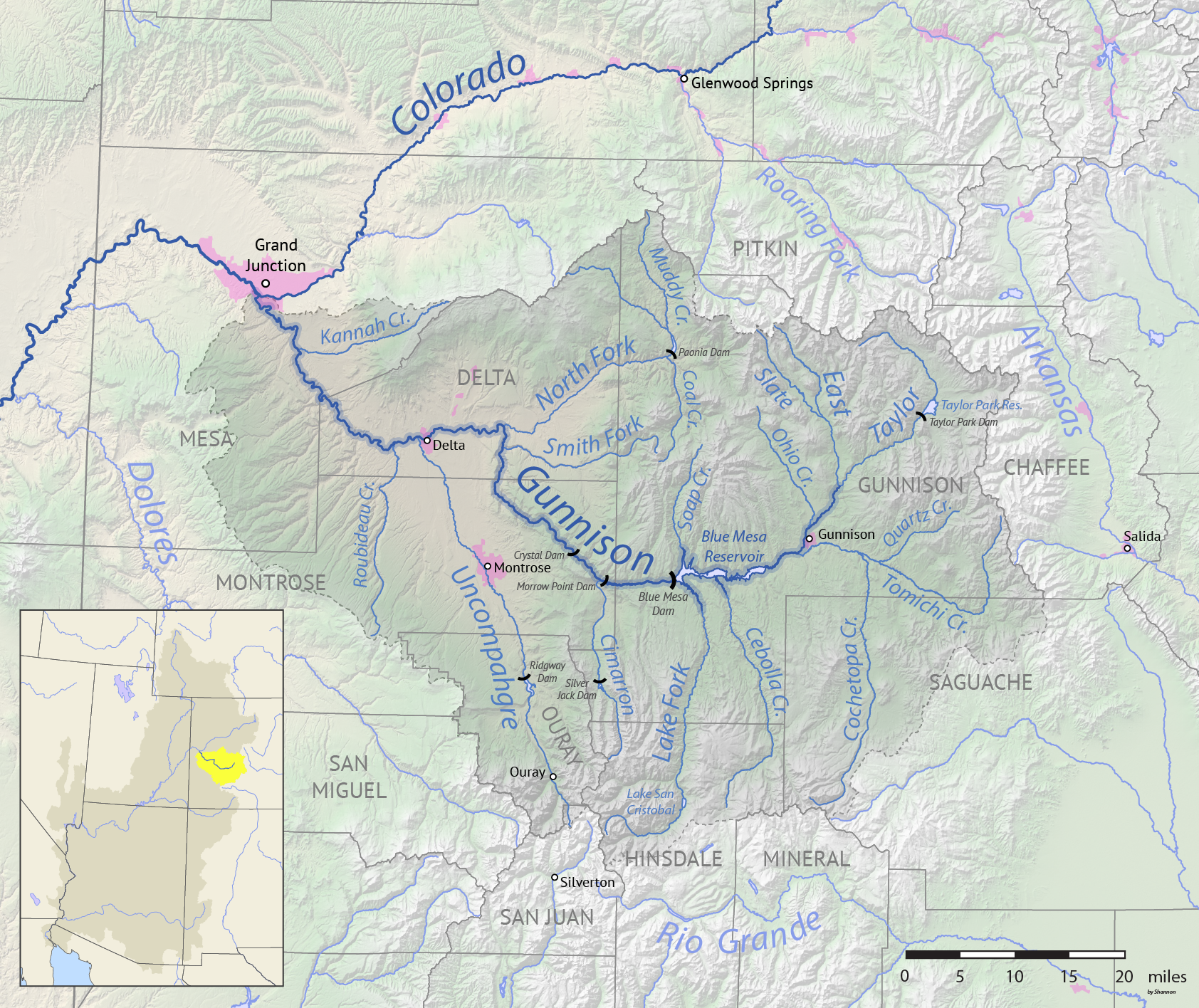
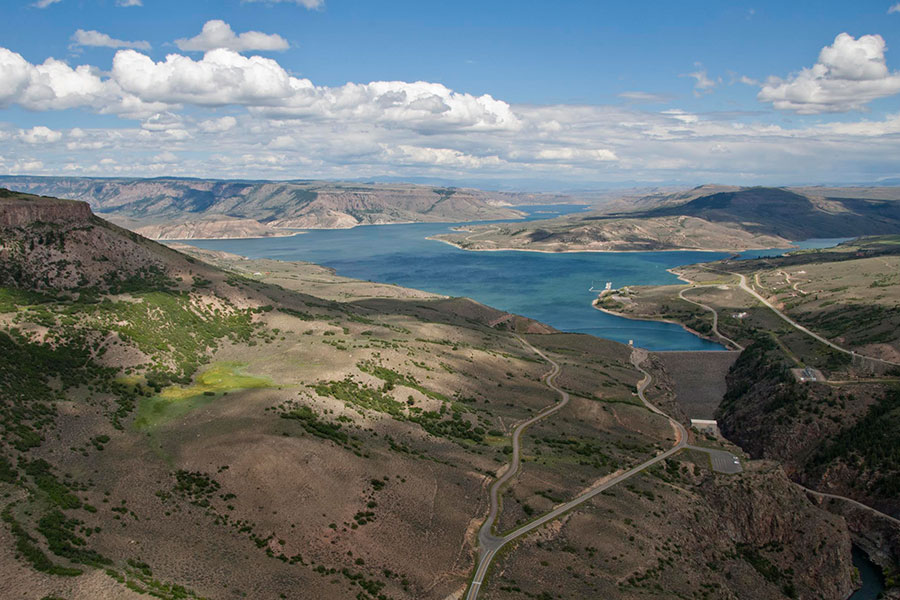
As of July 12, Blue Mesa Reservoir near Gunnison sat only 32% full at 266,000 acre feet of storage water — about 35,000 acre feet less than the historic minimum for that date, down 35%…Severe drought conditions at the reservoir have resulted in critically low storage levels, a limitation on water allocation to the Uncompahgre Valley and its agricultural water users, limited flows for releasing endangered fish species, decreased recreational opportunities on the water that go hand-in-hand with a downturn in the regional recreational economy, and uncertainty over power generation and water usage in the near future. Colorado River District spokeswoman Lindsay DeFrates called it a “crisis”, as the reservoir and the Wayne N. Aspinall Unit — which stores water and generates hydroelectric power through the reservoir as well as the Morrow Point and Crystal Reservoir dams — is one of the upper units that feeds the crucial Lake Powell downstream.
“Everyone’s looking downstream at Lake Powell while we have this happening in our backyard right now,” DeFrates said…
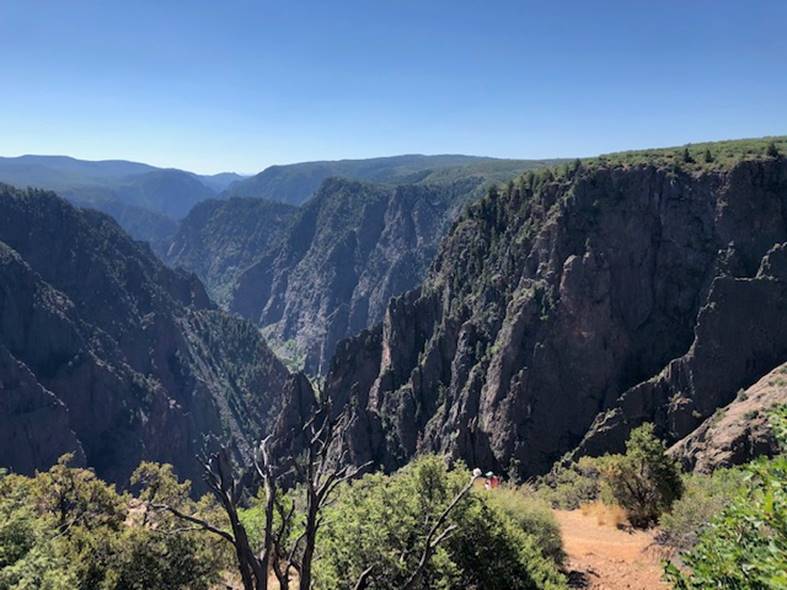
When he was the Division 4 assistant engineer for the Colorado Division of Water Resources (DWR), Jason Ullmann would have never entertained the notion that the Black Canyon of the Gunnison National Park’s portion of the river could ever dry up. Now, as the DWR director and Colorado state engineer, he said it’s unlikely to happen this year or next — but it’s “not an impossibility.”
“The actual inflow from April to July this year was the lowest on record. Barring a change in the climate conditions that produce this monsoon everybody’s waiting for, it doesn’t seem like we’re going to have a significant increase in inflow. We’re going to have one of the lowest inflow seasons — if not the lowest — on record at Blue Mesa,” Ullmann said. “Blue Mesa started the year approximately 20 feet below the normal level it would start the year on. The water levels are very low and will continue to drop.”
Colorado River District Senior Water Resources Engineer Caleb Foy compared 2026 to some of the region’s driest years — 1977, 2002, 2012 and 2018 — and said 2026 “takes the gold medal in terms of poor hydrological conditions”, impacting water storage at Blue Mesa Reservoir which, in turn, has multiple impacts downstream…
Foy noted that the reservoir’s storage could drop below the power pool level, which is the minimum amount of water needed to produce hydropower from the dam. According to the U.S. Bureau of Reclamation’s June 2026 24-month study, this drop could happen as soon as February 2027. According to other forecasts, this drop could happen as soon as the end of this summer if the region sees no monsoon conditions and current operations aren’t modified to preserve storage at the reservoir…A reduction in downstream flow would negatively affect downstream diversions, Colorado River flow, the Black Canyon of the Gunnison, and endangered fish species in both the Gunnison and Colorado rivers. The BOR has worked with Fish and Wildlife to temporarily reduce flow targets while trying to minimize negative impacts to endangered fish species. Ullmann said the minimal target flow for the Endangered Fish Recovery Rights is, in a typical year, no lower than 750 cubic feet per second. This year, the target is at 750 cfs — and last week, the flow was as low as 700 cfs. This has been alarming enough to spark conversations between the state and the BOR.