Click the link to read the release on the USDA website:
July 24, 2026
USDA is investing $3 million to support the development of wetland mitigation banks for agricultural producers. through the Wetland Mitigation Banking Program (WMBP).
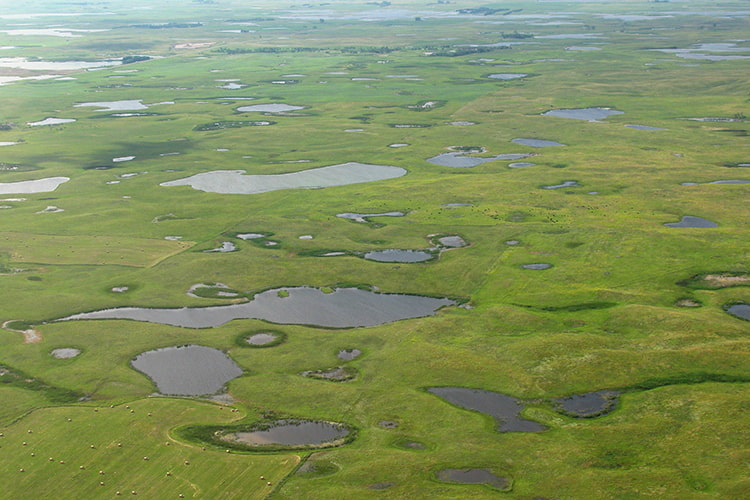
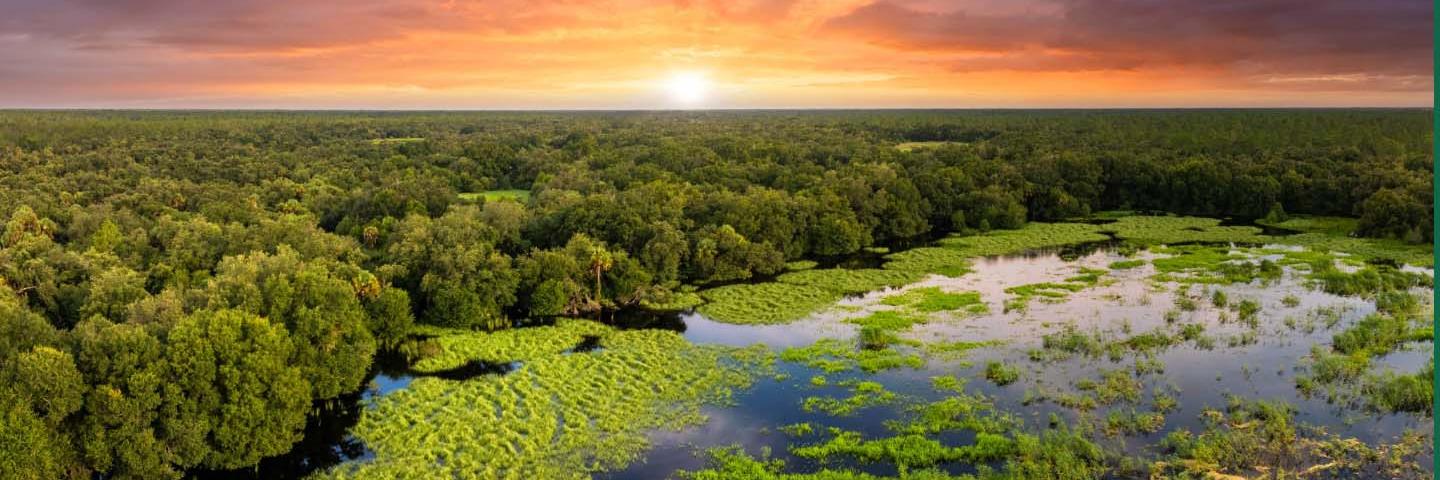
The U.S. Department of Agriculture (USDA) is investing $3 million to support the development of wetland mitigation banks for agricultural producers. Through the USDA’s Wetland Mitigation Banking Program (WMBP), wetlands are restored, created or enhanced, generating credits that can be purchased by producers looking to compensate for unavoidable impacts to wetlands at another location.
“Wetland mitigation banks provide farmers and ranchers a clear and efficient compliance pathway, while at the same time helping to restore and protect vital wetlands and all the benefits they provide,” said USDA’s Natural Resources Conservation Service (NRCS) Chief Colton L. Buckley. “Through the Wetland Mitigation Banking Program, we can help ensure the long-term resilience and productivity of American working landscapes.”
WMBP awardees work with NRCS to develop a mitigation banking instrument that provides details for developing, establishing and operating a mitigation banking program. Priority will be given to banks in states with significant numbers of individual wetlands, wetland acres and conservation compliance requests. Based on NRCS data, these states are Georgia, Illinois, Indiana, Iowa, Michigan, Minnesota, Nebraska, Ohio, Pennsylvania, South Dakota and Wisconsin.
City and county governments, organizations, tribal governments and other entities are eligible to apply. See the notice of funding on Grants.gov for a full list of eligible entity types.
Applications are due by September 8, 2026. Visit the Grants.gov opportunity for additional details and to apply.More About WMBP
To participate in most USDA programs, agricultural producers agree to comply with the wetland conservation provisions, meaning producers will not plant agricultural commodities on converted wetlands or convert wetlands to enable agricultural production. In situations where avoidance or on-site mitigation is challenging, the Farm Bill allows for off-site mitigation through the purchase of mitigation banking credits.
Purchasing credits from a wetland mitigation bank provides a legal mechanism for agricultural producers to maintain their eligibility for USDA program benefits if they convert agricultural wetlands.
WMBP award recipients can use the funding to support the costs of developing and establishing a mitigation bank, like costs for site identification, development of a mitigation banking instrument, site restoration, land surveys, permitting and title searches, and market research. WMBP funding cannot be used to purchase land or a conservation easement.
NRCS awarded the first WMBP grants in 2016. Since then, NRCS has awarded 39 projects supporting the creation or expansion of wetland mitigation banks in 14 states.
Awardees can request up to $1 million for a project. Projects may last up to four years.When a mitigation bank is established, the landowner retains ownership and use of the property, while a conservation easement protects the wetlands from incompatible degrading activities.
To learn more about the Wetland Mitigation Banking Program, and how wetland mitigation banks work, visit the WMBP webpage.
For more than 90 years, NRCS has helped farmers, ranchers and forestland owners make investments in their operations and local communities to improve the quality of our air, water, soil, and wildlife habitat. NRCS uses the latest science and technology to help keep working lands working, boost agricultural economies, and increase the competitiveness of American agriculture. NRCS provides one-on-one, technical advice and financial assistance and works with producers to help them reach their goals through voluntary, incentive-based conservation programs. For more information, visit nrcs.usda.gov.