

Click the link to read the article on the Aspen Public Radio website (Sarah Tory). Here’s an excerpt:
July 22, 2026
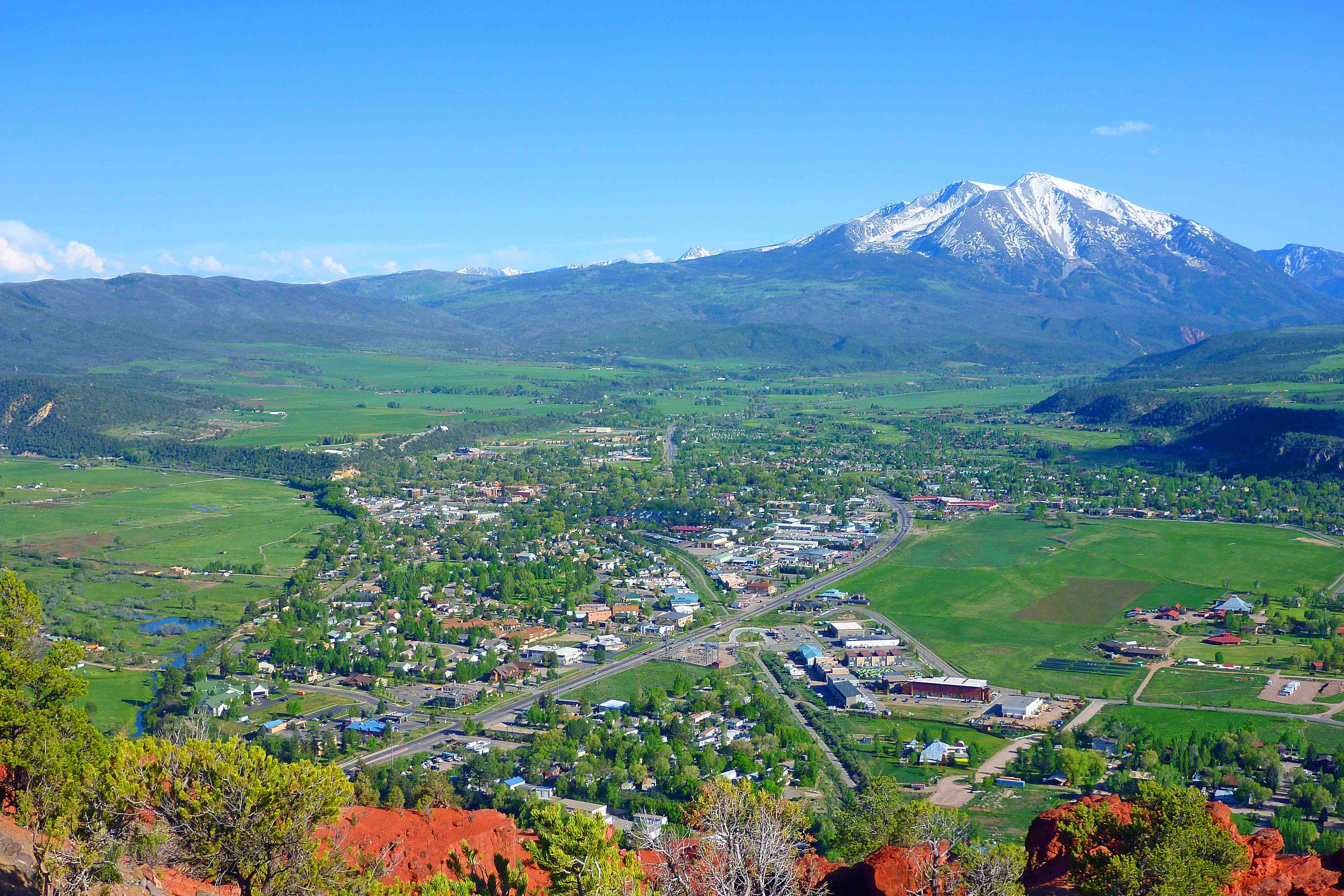
A few miles north of Mt. Sopris, down another dirt road that leads to the Roaring Fork River, Wenning stopped his car at a small brick building near the riverbank: The Roaring Fork Well House. Nearby are three wells that draw from the Roaring Fork River, providing another source of municipal water. After the call on the Crystal in 2018, Carbondale water managers decided to reduce the town’s reliance on Nettle Creek by leaning more heavily on the Roaring Fork River, where the town also has water rights. Carbondale currently has installed three wells — each of which produces roughly the same amount of water as the Nettle Creek plant (around 300 gallons per minute). But, the town has permits for seven more wells. Shifting Carbondale’s focus to the Roaring Fork River makes sense, said Wenning. Since the Roaring Fork is a bigger river, it’s less affected by a low-snow year. The wells are also 40 feet deep, allowing them to access groundwater…
The Roaring Fork Treatment Plant lies at the edge of the Carbondale Nature Park. Inside the barn-like building, a loud whirring sound echoes through the cavernous interior. The town recently installed new cartridge filter technology at the plant, expanding its capacity to treat water from 0.5 million gallons to 1.4 million gallons per day. According to Wenning, the town plans to expand the plant’s capacity further to treat up to 2.3 million gallons per day from the Roaring Fork River alone — more than enough to meet Carbondale’s peak summer demand, even when some of the water treatment equipment needs repair or servicing…
Beyond the shift to a more resilient water source, water experts see more opportunity to boost capacity through conservation. Maggie McHugh, an engineer with Roaring Fork Engineering, helps communities in the Roaring Fork Valley adapt to climate change.
“We can’t put any more water into the system, but we can take less out,” she said. “That will be the ultimate goal, especially in years like this.”
I know the Ag community won’t like it, but there is the preference claus in the Colorado Constitution, Article 16, Section 6, where the principal of prior appropriation is laid out that states that when there is a shortage between types of use, domestic supply has priority over agriculture. Traditionally this has ment that municipalities will condemn ag water rights, paying fair market value, and transfer them to domestic use. This, as with any change case can be a costly and time consuming process. I don’t know of any cases where a municipality has placed a seasonal call based on the preference clause without the intention of condemning the ag water right. Just call them out so they can continue to divert that year for domestic needs.
Ken,
Interesting. New information for me!
John Orr
https://coyotegulch.blog/
I wish Greg Hobbs were still here. I would have called him weeks ago and asked this question.
Ken,
Greg was a one of a kind! The second edition of the book he co-authored about Greeley Water is out.
John Orr
https://coyotegulch.blog/