
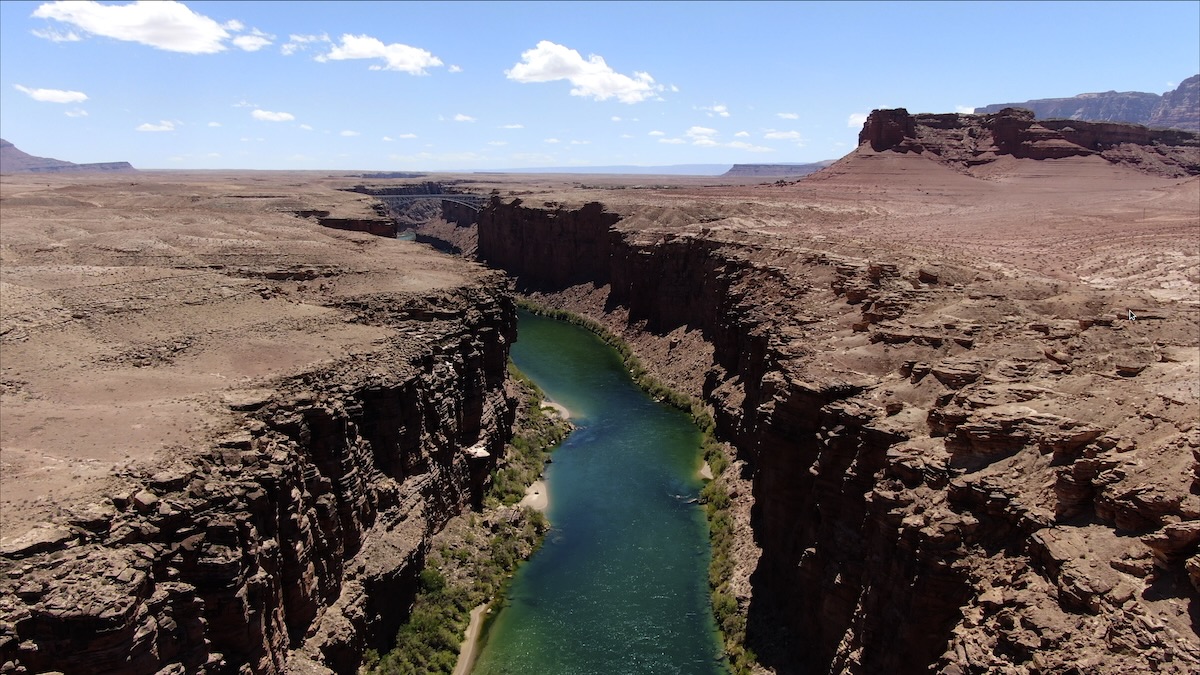
by Robert Marcos, photojournalist
The National Park Service Office of Public Health is actively investigating a cluster of undiagnosed, severe illnesses affecting Colorado River rafters in Grand Canyon National Park. The probe began in early July 2026 after numerous river runners used the “Grand Canyon Private Boaters” Facebook community group to report that members of their respective crews had returned home with highly concerning, unexplained medical symptoms.1
Current Situation and Symptoms
• Affected Trait: The reported cases belong to separate rafting groups traveling the Lee’s Ferry to Diamond Creek corridor between May and late June 2026. 2
• Core Symptoms: Rafters describe enduring severe localized muscle pain, persistent high fevers, intense fatigue, chills, weakness, and fluid in the lungs. 3
• Severity: Some patients have experienced symptoms akin to a severe, month-long summer flu, while others required hospitalization for localized infections or sudden loss of consciousness. 4
Potential Causes Under Investigation
Medical specialists and public health officials are currently tracking data via platforms like the infectious disease platform Beacon to rule out specific diagnoses. Because many rafters slept outside and swam in side canyons, doctors are currently testing for a wide range of potential ailments, including: 5
• Leptospirosis: A bacterial disease often contracted via freshwater exposure.
• Tick and Mosquito-borne Illnesses: Such as West Nile virus, Rocky Mountain spotted fever, dengue fever, or Lyme disease.
• Fungal and Viral Infections: Including Hantavirus or Valley Fever.
• Note on Gastrointestinal Illness: While the Grand Canyon has historically dealt with norovirus outbreaks—including a smaller spike in Norwalk-like viruses linked to portable toilets in June 2026—the current investigation focuses on a distinct respiratory and muscular illness. [1, 2, 3, 4, 5, 6]. The National Park Service has stated that the investigation is ongoing, and they will release official diagnostic findings as soon as lab results become available.
This is just the start of things concerning water usage and availability on the Colorado River.
Thanks Dr.B. That was my very first thought when I heard about these illnesses, and it’s why I wrote about it. As flows decrease Colorado River water quality will have ever greater amounts of TDS, including heavy metals that have accumulated in river sediment.
I was sent this article by a friend and looking at the footnotes from the first paragraph the first link is related to a 2022 event. Further, the other links refer to two groups reporting symptoms. Was this article generated using AI? It doesn’t appear that hundreds of people have gotten sick based on any cited sources except for footnote #1 which is a 2022 article.
You’re correct. The “222” sickened rafters event took place in 2022. Here’s that story: The 222 cases of severe illness occurred during an outbreak of acute gastroenteritis in the Grand Canyon National Park backcountry. This outbreak, which took place along the Colorado River between April 1 and June 17, 2022, was determined by the CDC to be caused by Norovirus.
I’d you ask AI for references on water related outbreaks along the Colorado river – there is treasure trove of articles and studies. The mistake is focusing on just a small popular rafting stretch (where ppl come in close contact with more water).
It sounds like Valley fever to me. It is caused by a fungus that lives in the desert or Dry areas such as a rocky Mountains and Grand Canyon
Thanks Fran. That might explain why the victims continue to suffer even after weeks on antibiotics. Chikungunya and dengue fever are also being considered.