Click the link to read the article on the Colorado Public Radio website (Hayley Sanchez). Here’s an excerpt:
August 18, 2026
The San Luis Valley is searching for ways to use less water without shrinking agriculture. [The Rye Resurgence Project] effort believes rye could help. But turning the grain into part of the valley’s future will require more than convincing farmers to plant it.
“The situation is urgent, and we have to take action to reduce water use,” said Heather Dutton, manager of the San Luis Valley Water Conservancy District…
For years, groundwater has been pumped from the valley’s aquifer faster than nature can replenish it. If that continues, Dutton said, state regulators could eventually require irrigation wells to shut down. One option would be farming fewer acres. But Dutton said that would come at a steep cost.
“It wrecks our economy. It wrecks the fabric of our society of having people employed in agriculture and the heritage of this place,” she said. “That’s why it’s so important that we figure out other alternatives and ways that we can remain in farming, but use less water.”
[…]
The effort, launched by Dutton and Hooper farmer Sarah Jones, is exploring whether rye can help farmers reduce water use without taking more land out of production.
“This is a rye field that’s being used strictly for grazing and green manure,” project manager Morgan Neely said while walking along the perimeter of a lush green field in the San Luis Valley. Cows were cornered off to a section of the field.
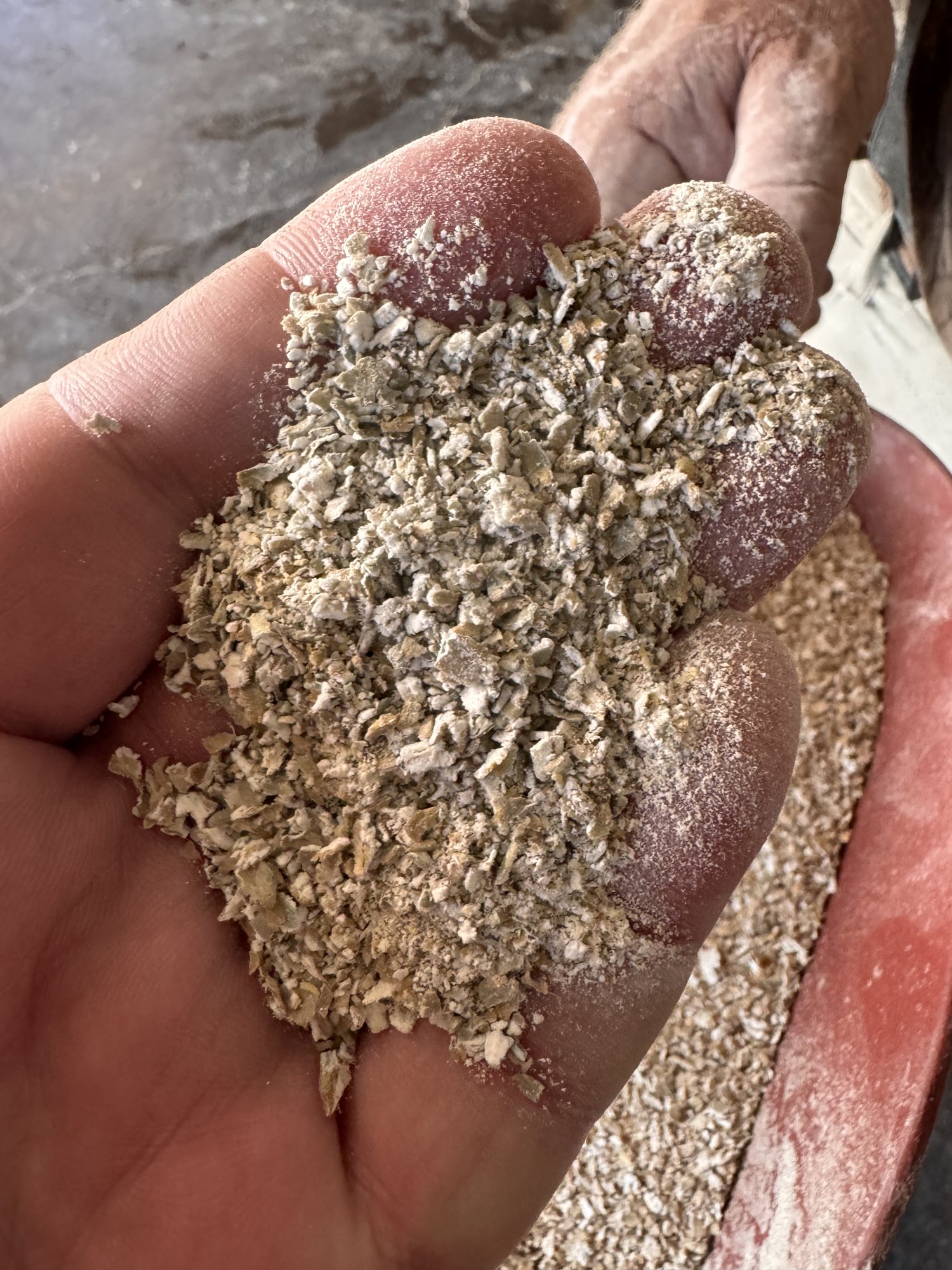
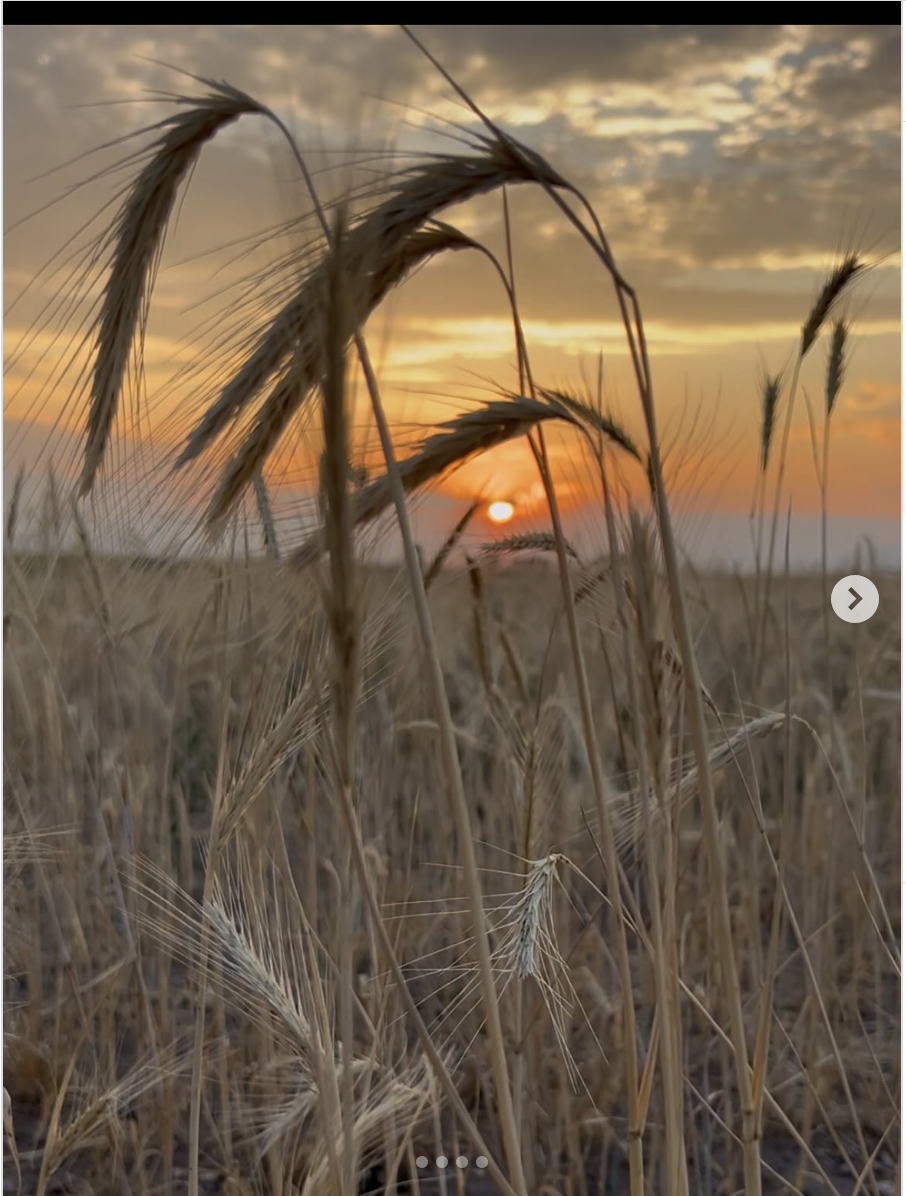
Rye requires less than 12 inches of water each year — roughly one-third to one-half as much as many traditional valley crops, Neely said. Its living roots help hold down topsoil during the valley’s powerful spring winds, and it can be grazed by cattle, incorporated into the soil or harvested for grain.