Click the link to read the article on the Alamosa Citizen website:
April 14, 2026
The San Luis Valley has an overabundance of potatoes in storage here in mid-April that, because of the warm winter, is leading to concerns about what happens as a new growing season begins.
An historically hot March that punctuated a warm winter overall is creating quality standard problems in the potato bins of the Valley. If a potato bin doesn’t meet the quality standard, it doesn’t ship. [ed. emphasis mine]
“When we start to lose a bin, a bin can be 5,000 sacks, 10,000 sacks, up to 100,000 sacks … then we look at a really gigantic pile of potatoes that has to be managed,” explains Jeff McCullough, who operates Spud Seller farms and potato packaging and distribution in Rio Grande County.
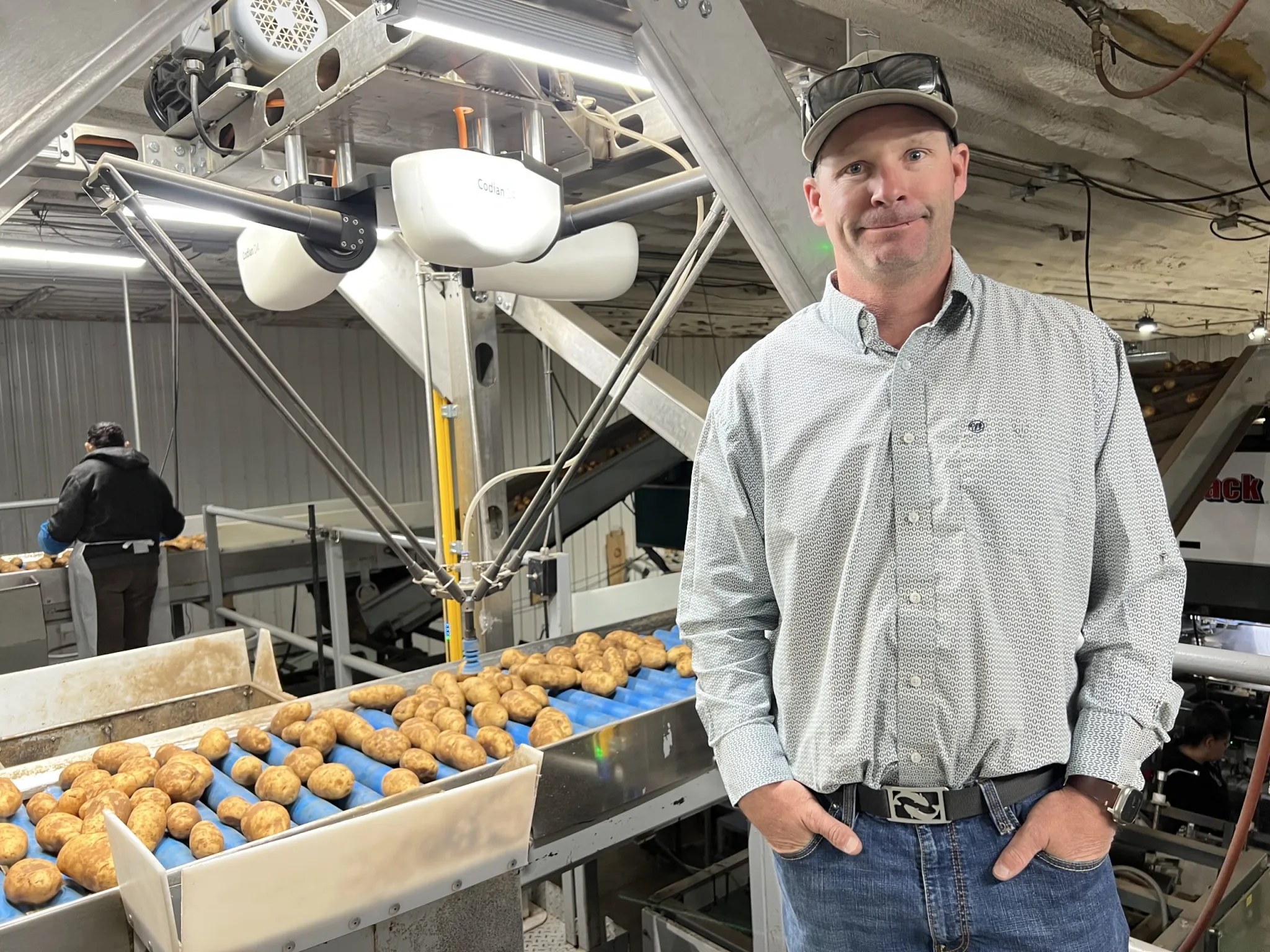
McCullough does the math on the amount of potatoes estimated to be in storage that may not find a market or their way to processing facility and comes up with a mind-boggling figure on how big a problem this is.
Based on conversations with other operators in the Valley, he is estimating a million hundredweight worth of potatoes, or about a hundred million pounds of potatoes that may not be sold or processed this year and would have to be dumped.
Others say the figure may be an underestimate. And they say the problem isn’t just in the San Luis Valley but everywhere potatoes are grown as an oversupply and weak market keep potatoes in storage.
How a warm winter hurts the quality of potatoes in storage: “A potato is a living organism. It generates its own heat. And so throughout the wintertime, we still have to push cold air and cool those potatoes down. Otherwise, those potatoes will generate heat and once they generate enough heat, they’ll sprout, then they won’t meet a quality standard at all … There’s a lot of instances where you lose an entire bin because the bin generates too much heat before you can get it sold.” — Jeff McCullough, Spud Seller
It’s the responsibility of each grower to figure out how to dispose of what’s left over from their fields, but with such a large amount, McCullough and others see it as a communitywide problem that is going to require input at the public level on what to do.
To that end, McCullough has been meeting with county officials and has a joint meeting set up to address the situation with county commissioners representing Alamosa and Rio Grande counties.
“We’re going to need to find a good way to dispose of these potatoes,” McCullough says.
Adding to the problem is the loss of the Colorado Gourmet processing plant in Center that burned down two years ago and isn’t coming back, leaving the Valley with only one processing facility. It handled about 40 percent of the potatoes that got processed each year.
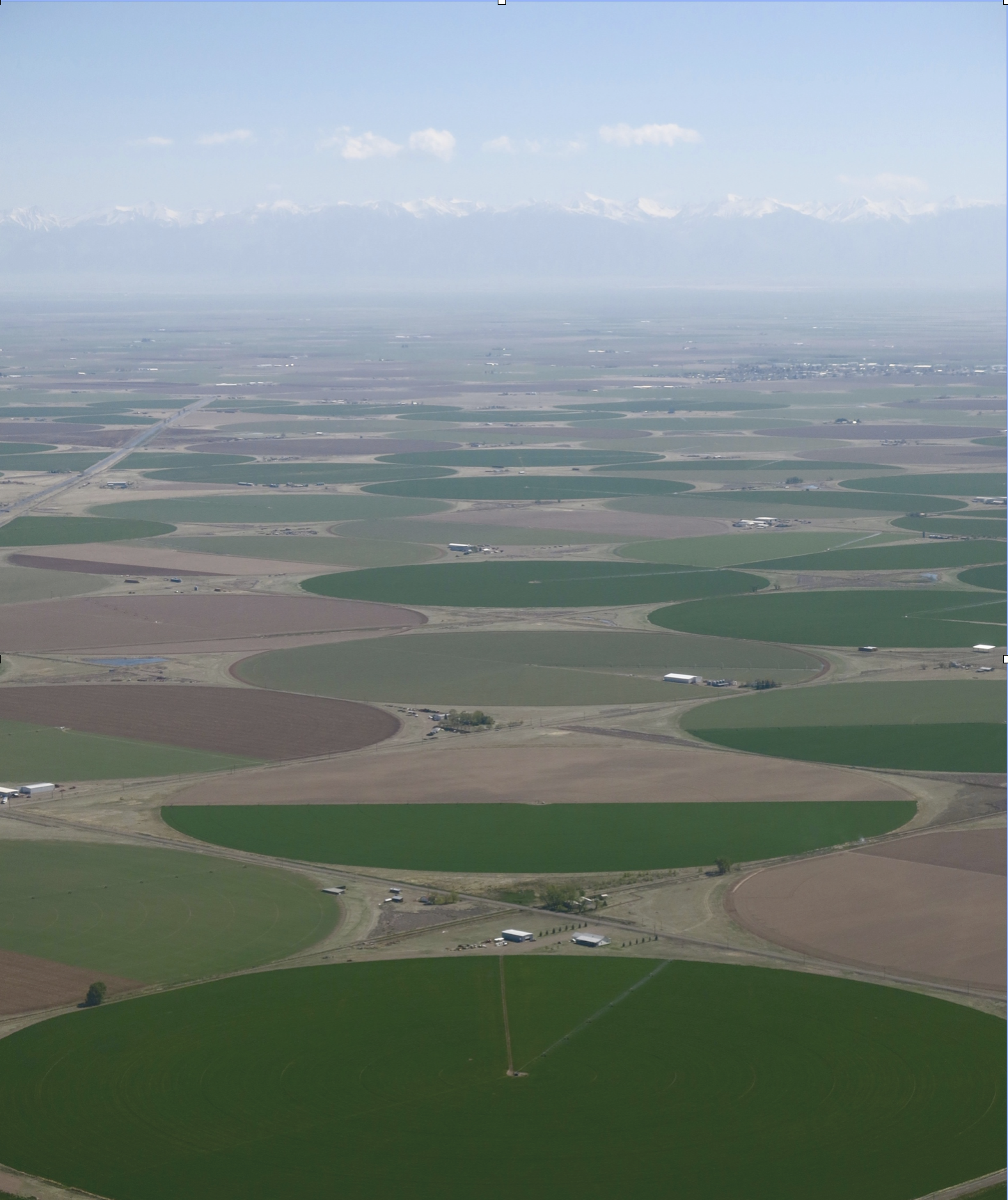
Potato production in the Valley remained steady in 2025. Total potato acreage went to 51,474 acres from 50,188 acres in 2024, according to the 2025 USDA acreage report. A tight potato market, though, is keeping potatoes in storage as local growers work with distributors over the next three months to move potatoes and clear storage for the 2026 crop.
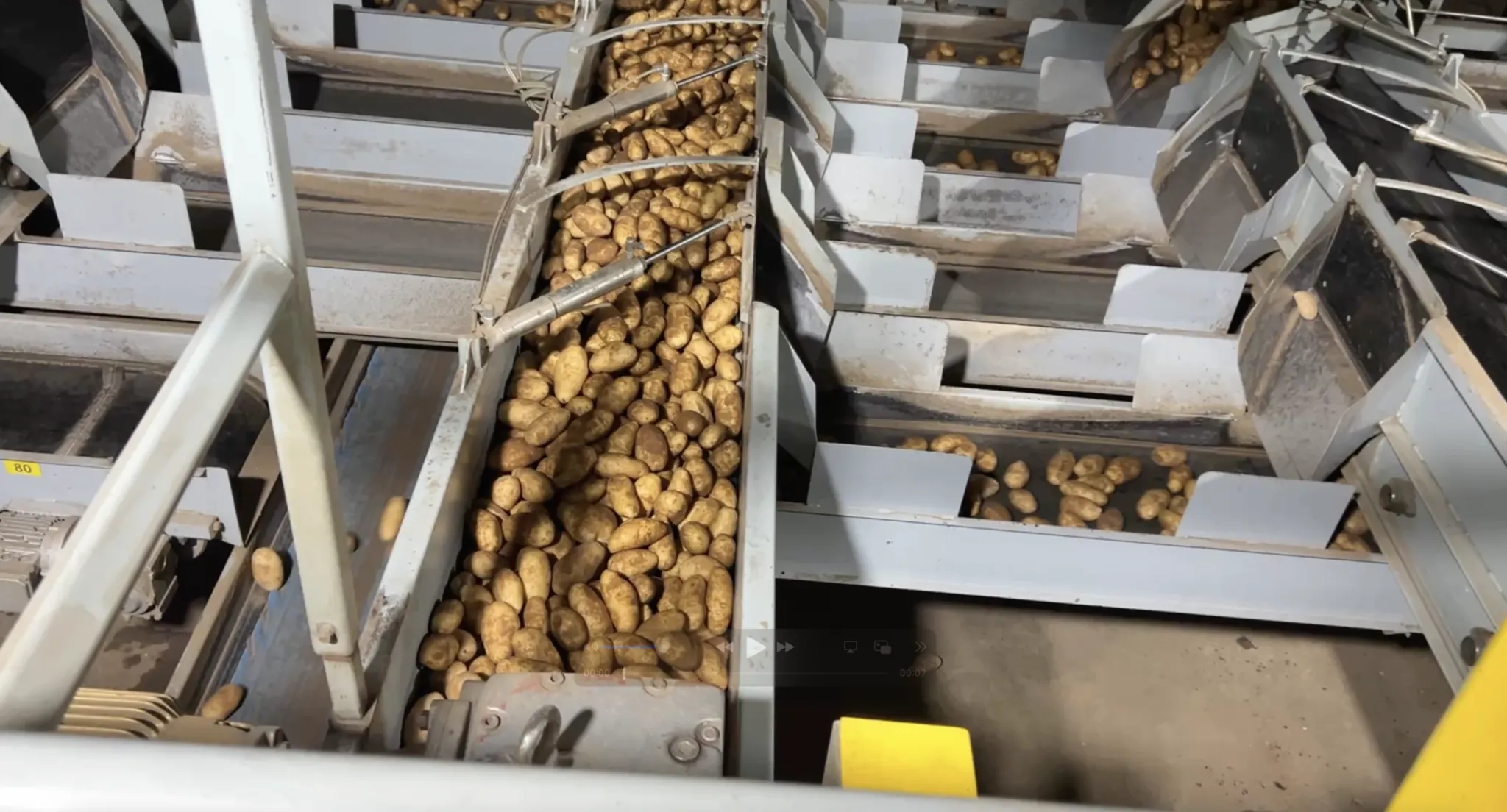
“The next harvest will start roughly, the first of September, and so the ideal situation is we are out of this crop the day that we start harvesting the new crop,” says McCullough.
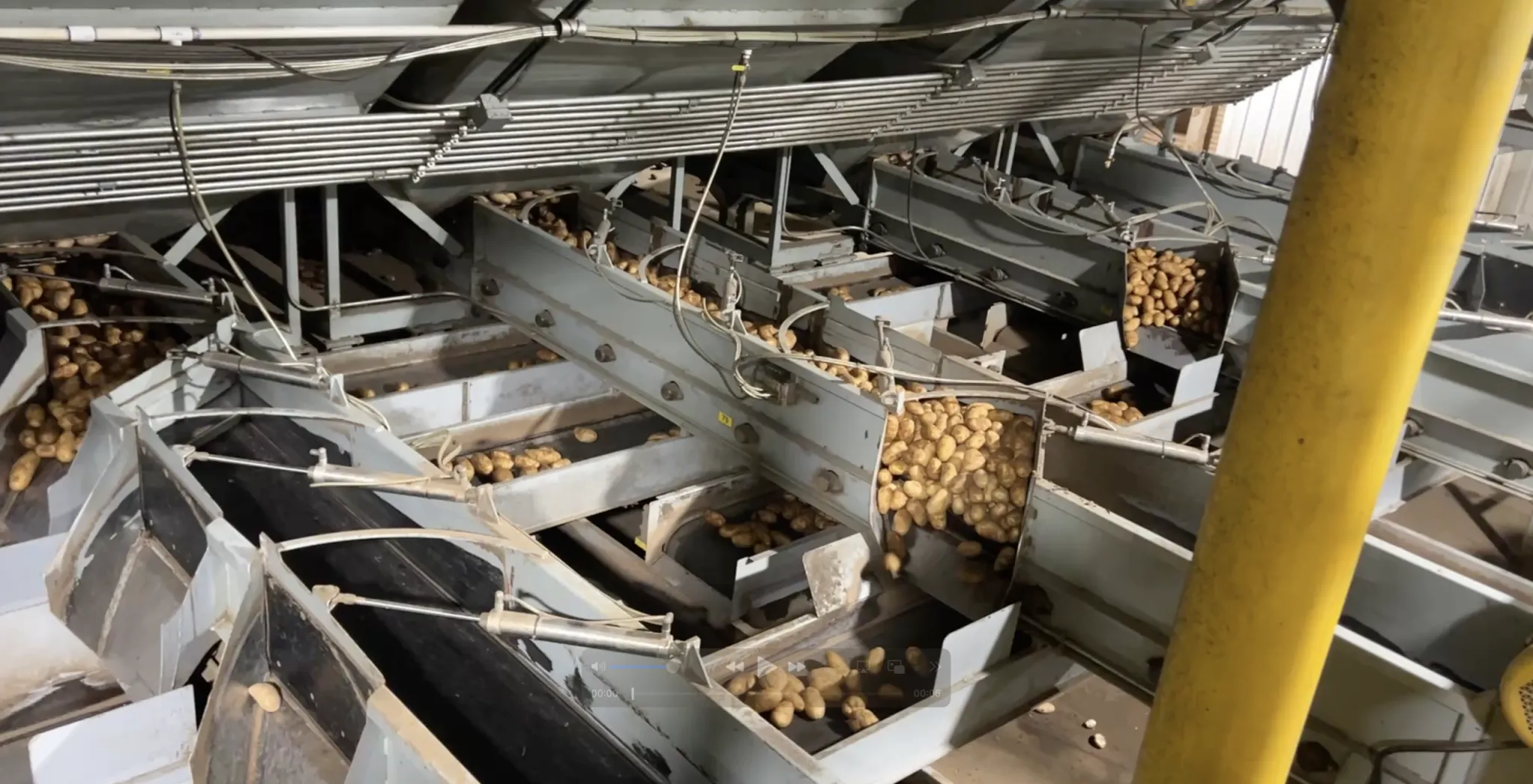
The Spud Seller needs to move about 550,000 sacks of potatoes – each sack 100 pounds – by around July to keep pace and to keep the backlog of potatoes from growing at his operation, McCullough figures.
Others are in similar boats.
“There’s still a shit-ton of potatoes out there,” said Mark Lounsbury, general manager of Grower Shipper Potato Company.
Lounsbury and McCullough’s packaging and shipping operations are two of the biggest in the Valley.
2025 top six certified varieties of SLV spuds were:
• Reveille Russet (2,611 acres)
• Russet Norkotah selections (2,444 acres)
• Canela Russet (457 acres)
• Soraya (429 acres)
• Teton Russet (339 acres)
• Alegria (371 acres)The variety of potato in storage matters, too. Some varieties have a longer dormancy period and will store longer, while a less dormant variety like a Russet Norkotah that wants to sprout has to be gone by a calendar date, McCullough said.
Newer varieties of potatoes are creating efficiencies on the growing side, using less water and creating more yield even as less acreage is planted.
Potato growers have to follow rules for cull piles outlined in the Colorado Seed Potato Act, which will make the dumping of the amount of potatoes McCullough and others are talking about all the more challenging to figure out.
Hence the outreach to county officials.
The process involves smashing or crushing each individual potato, spreading them out in a very thin layer and then running them over with something. “For example, we have a manure spreader that we run our potatoes through and it chops them up and it kind of disintegrates them. And then it spreads them out into a thin layer, and then once you break the skin of that potato, it dries out really well,” McCullough says.
“We’ve been in situations in years past where we’ve had to dump a lot of potatoes, and it’s because of those years that we’ve come up with these new laws.”
But Valley potato growers rarely see a year where a hundred million pounds of potatoes may have to be dumped. Then again, the Valley has never seen a March where the temperatures reached into the 80s and caused potatoes in storage to want to sprout.
An oversupply of potatoes, coupled with a burned-down processing plant and a much too warm winter, is creating the conditions for a biggest cull pile of potatoes the Valley has ever seen. Proper disposal is essential.
“It is not one person that can swoop in and solve this,” said Tara Artho, executive director of the Colorado Potato Administrative Committee in Monte Vista. “It’s going to take the community.”