
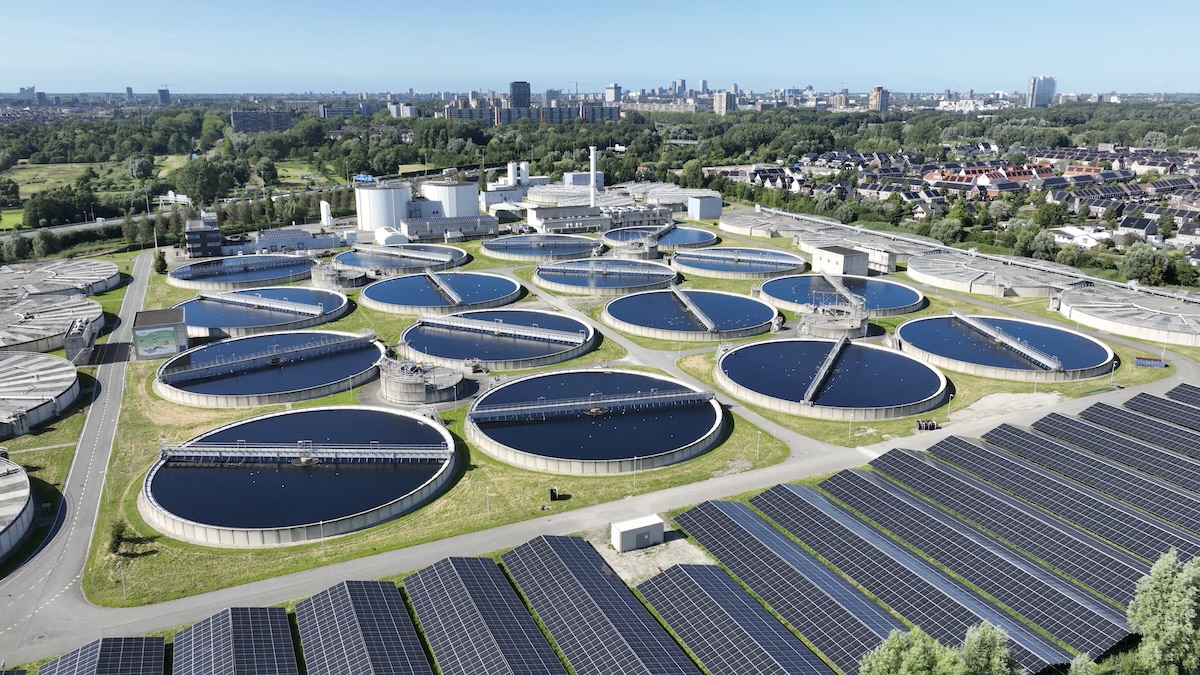
by Robert Marcos
Cities in the Western United States are deploying advanced municipal water recycling technologies to combat chronic drought and to establish local, climate-resilient water supplies. By combining multi-barrier purification, natural filtration, and direct or indirect potable reuse, these municipalities are pioneering sustainable water management.
Los Angeles, California
Los Angeles relies on a multi-tiered water recycling system that treats municipal wastewater to fit-for-purpose standards. At a minimum, the city utilizes tertiary treatment involving screening, biological neutralization, chemical coagulation, and filtration. This water is distributed via an extensive network to over 400 commercial facilities for landscape irrigation and cooling towers. For its ambitious Pure Water Los Angeles and Groundwater Replenishment initiatives, LA applies advanced treatment—including micro-filtration, reverse osmosis, and ultraviolet light disinfection with hydrogen peroxide. This highly purified water is injected into local aquifers for groundwater recharge, creating a sustainable, drought-resilient local supply. 1
Phoenix, Arizona
Phoenix maximizes its treated wastewater through a combination of non-potable distribution and advanced purification planning. Currently, the city treats municipal wastewater to Class A+ standards, delivering it to regional partners for agricultural use, park irrigation, and tech sector demands like data center and industrial cooling towers. To secure long-term water sustainability, Phoenix is constructing dedicated advanced water purification facilities under the Pure Water Phoenix initiative. This system will subject pre-treated recycled water to multi-barrier technologies—specifically ozonation, membrane ultrafiltration, reverse osmosis, and ultraviolet advanced oxidation—safely transforming reclaimed wastewater into high-quality drinking water distributed directly to thousands of area homes. 2
San Diego, California
San Diego is in the process of implementing its multi-phase program to drastically reduce its heavy reliance on imported water. The city utilizes a rigorous five-step advanced purification process to clean municipal wastewater at its demonstration and upcoming production sites. Secondary effluent undergoes ozonation, biologically active carbon filtration, membrane filtration, reverse osmosis, and high-intensity ultraviolet disinfection. While Phase One routes this purified water into the Miramar Reservoir for an environmental buffer and further blending, Phase Two adapts to updated California regulations. This allows the San Diego Pure Water Project to utilize direct potable reuse, piping the ultra-pure water directly into the drinking water distribution system after remineralization. 3
Orange County, California
Orange County operates the Orange County GWRS, the world’s largest advanced water purification facility for indirect potable reuse. The system takes secondary-treated municipal wastewater that would otherwise be discharged into the Pacific Ocean and subjects it to a rigorous three-step purification process. This advanced flow includes microfiltration to remove solids, reverse osmosis to eliminate dissolved salts, pharmaceuticals, and viruses, and ultraviolet light combined with hydrogen peroxide advanced oxidation to destroy remaining trace organic compounds. The near-distilled quality water is then pumped to inland basins to naturally percolate into the groundwater basin, serving as a primary drinking source. 4
Aurora, Colorado
Aurora utilizes the innovative Aurora Prairie Waters project, a pioneering potable reuse system designed to maximize its fully consumable water rights. After municipal wastewater is treated and discharged into the South Platte River, Aurora recaptures the water downstream using a natural-technical hybrid method. First, riverbank filtration wells pull water through hundreds of feet of sand and gravel. Next, an aquifer recharge and recovery process allows the water to percolate through additional natural filters. Finally, the water is piped uphill to an advanced purification facility for state-of-the-art technical polishing before blending with mountain snowmelt for public consumption. 5
El Paso, Texas
El Paso is building the Pure Water Center, which will be the nation’s first direct-to-distribution water reuse facility that sends purified wastewater straight into the city’s drinking water system. Currently the city’s Fred Hervey plant treats municipal wastewater and injects it into the underground Hueco Bolson aquifer to recharge drinking supplies. The City’s Pure Water Center will take secondary effluent and subject it to multi-stage membrane filtration, advanced oxidation, and disinfection. Instead of utilizing an environmental buffer, this purified water will flow directly into the municipal drinking water system, after being blended with treated brackish groundwater. 6
Do you happen to know which of these treatment facilities are performing tertiary treatment for PFAS/PFOS? As we know, activated carbon treatment for PFAS/PFOS isn’t terribly effective and H2O2 treatment may be more effective.
Thanks for your question, it’s a tough one. But no sir, standard municipal tertiary wastewater treatment in these cities does not specifically remove PFAS/PFOS. Conventional filtration and disinfection are ineffective against the “forever chemicals”. However, several of these cities have implemented or are currently deploying Advanced Water Purification, or Potable Reuse systems that go beyond standard tertiary treatment by utilizing Reverse Osmosis or Granular Activated Carbon —specifically to target and eliminate PFAS/PFOS.
Currently only Orange County CA and Aurora CO have water recycling systems that are capable of filtering out PFAS and PFOS from their recycled water supplies.