
by Robert Marcos
Residents in the San Diego region currently pay between $3,707 and $5,179 per acre-foot of water1, making San Diego’s municipal water the fourth most expensive in America – after San Francisco, Seattle, and Portland.2
For years San Diego relied almost entirely on a single source of municipal water: the Metropolitan Water District of Southern California. However, a severe drought in the early 1990s exposed the region’s vulnerability. This crisis sparked a multi-decade strategy by the San Diego County Water Authority to diversify its portfolio, effectively trading lower costs for long-term supply reliability.3
To break its dependence on Los Angeles, San Diego secured its own water rights through massive, high-cost agreements. This included a historic 2003 deal with the Imperial Irrigation District in the Imperial Valley, where the city pays farmers to conserve water and send it west. This “ag-to-urban” transfer, combined with paying to line the All-American Canal to prevent seepage, provided a secure but significantly more expensive supply than traditional imported water.4
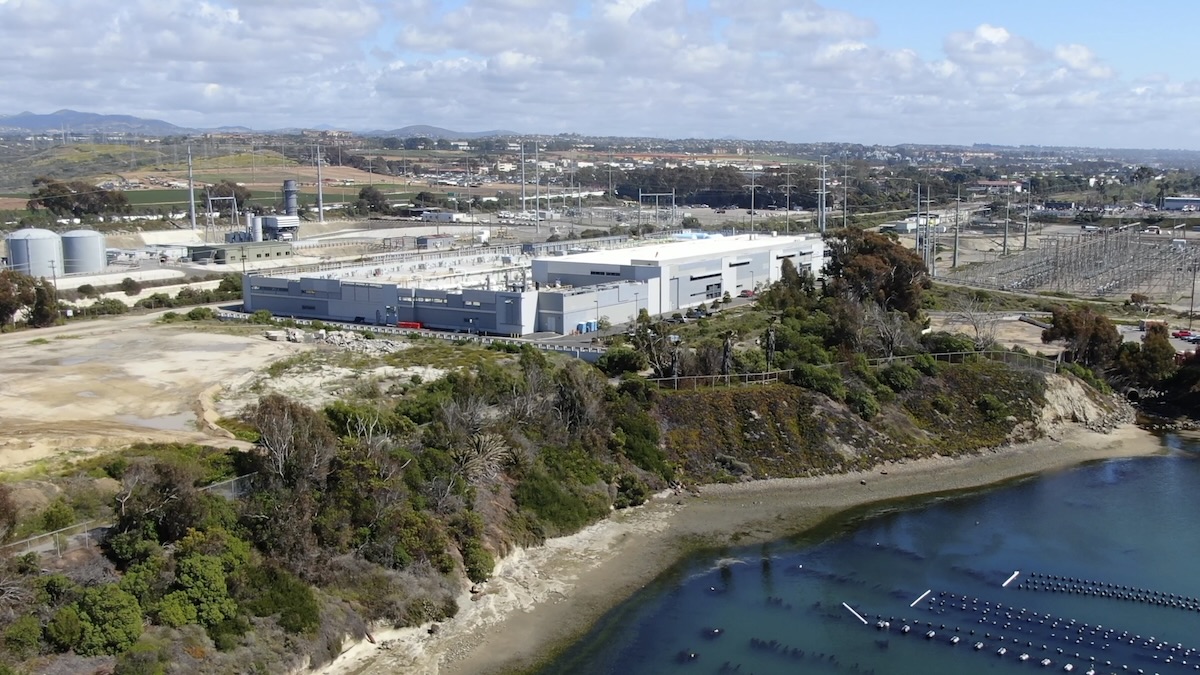
The region further increased costs by investing in “drought-proof” technology, most notably the Claude “Bud” Lewis Carlsbad Desalination Plant, which opened in 2015. While it provides about 10% of the region’s water, it is the most expensive source in the portfolio, costing roughly $2,700 per acre-foot—far higher than imported Colorado River water. San Diego is also currently building the multi-billion dollar Pure Water recycling system to turn wastewater into drinking water, adding another layer of heavy infrastructure debt to monthly bills.5
Paradoxically, San Diegans’ success in water conservation has also contributed to rising rates. Because the Water Authority built massive infrastructure based on much higher population and demand projections, it must now spread the fixed costs of those debts and maintenance across fewer gallons of water sold. When residents use less water, the price per gallon must increase to cover the billions in outstanding loans for dams, pipelines, and treatment plants.6
Today the cumulative effect of these investments has made San Diego’s water rates among the highest in the country, with total bills projected to rise over 60% by 2029. While other California cities face potential shortages during droughts, San Diego often has a surplus; however, the cost of that security is borne entirely by local ratepayers through a complex “chain reaction” of wholesale price hikes and debt service.7
Nick Serrano has sold out to some of the board members funding his campaign. He is not doing what is in the best interest of the city of San Diego. It is time for this useless agency to shut down. it costs us a lot of money for a pass through water.
The San Diego City council took the first steps to alleviate San Diego’s lack of water in 1926, by filing for Colorado River rights. As the city has grown it has continued to develop new sources of clean water – some of which, like recycling and desalination, is very expensive to operate.