Southern Delivery System: Reclamation’s EIS incorporated Colorado Springs’ stormwater enterprise which is now defunct

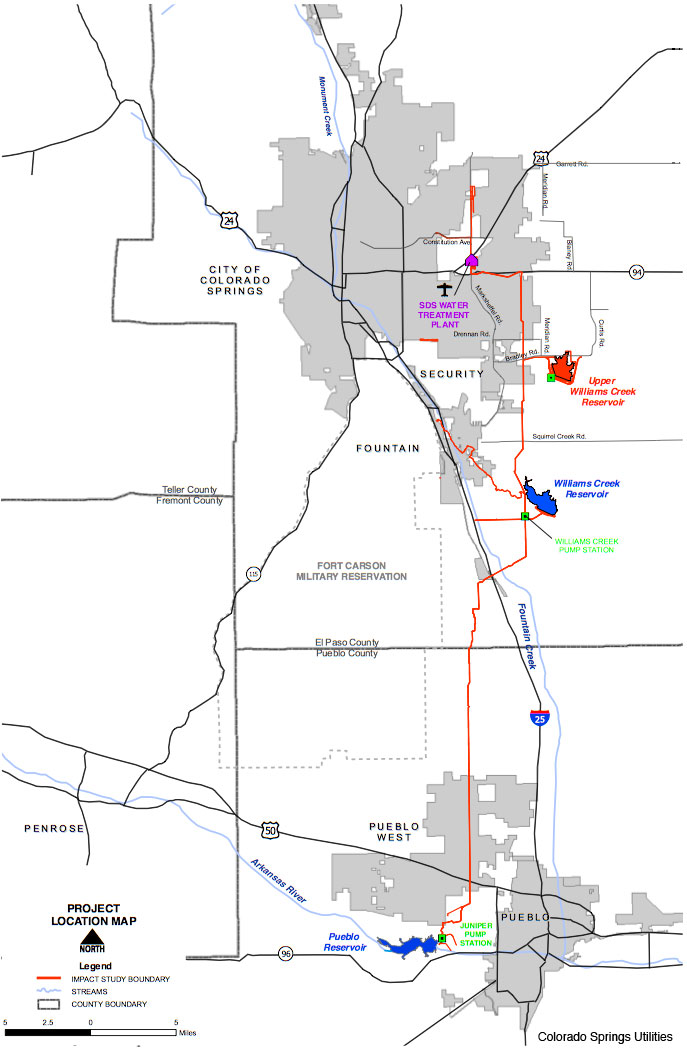
sdspreferredalternative.jpg

From The Pueblo Chieftain (Chris Woodka):

“As I view it, there were firm commitments made on stormwater and the (SDS) contract requires that the environmental commitments are met,” Mike Connor, commissioner of the Bureau of Reclamation said Wednesday, meeting with the editorial board of The Pueblo Chieftain.

In the SDS environmental impact statement, Reclamation states a stormwater enterprise is in place for Colorado Springs. The EIS laid the foundation for the 2010 contract for the project. The contract also incorporates all environmental conditions of Pueblo County’s 1041 landuse permit and state water quality measures. Connor’s goal is to assure the conditions are being met before 2016, when SDS is scheduled to go online. The $1 billion project would pipe water from Pueblo Dam to Colorado Springs, Security, Fountain and Pueblo West. Because Colorado Springs abolished its stormwater enterprise in 2009, no fees have been collected for the past three years. Meanwhile, Colorado Springs faces a $500 million backlog of stormwater projects and should be paying up to $15 million annually, according to City Attorney Chris Melcher.

“A plan is not enough,” Connor said. “We need to make sure the resources are there.”

Meanwhile, Colorado Springs is not alone in needing to fund stormwater improvements. El Paso County faces similar problems. Here’s a report from Scott Harrison writing for KRDO.com. From the article:

Andre Brackin, the El Paso County Engineer, said the area, specifically the communities of Security and Widefield, have only a few drainage channels for runoff to drain into Fountain Creek.

Those communities were established in the 1950s and have grown since then, said Brackin. He estimated that addressing the area’s stormwater needs would cost $10 million — an amount the county can’t afford…

The lack of funds means the county also can’t afford to clear vegetation and rubbish out of the few existing drainage channels, such as the one along Widefield Boulevard…

Ultimately, said Brackin, local leaders must consider enacting some type of regional fee or tax to pay for stormwater improvements. He said the county has a backlog of as much as $100 million in needed improvements.

More Southern Delivery System coverage here and here.

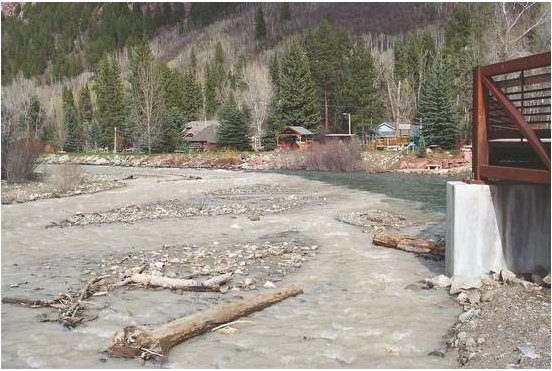
Pueblo County (Commissioner Jeff Chostner) rattles its sabers over Colorado Springs’ stormwater policies

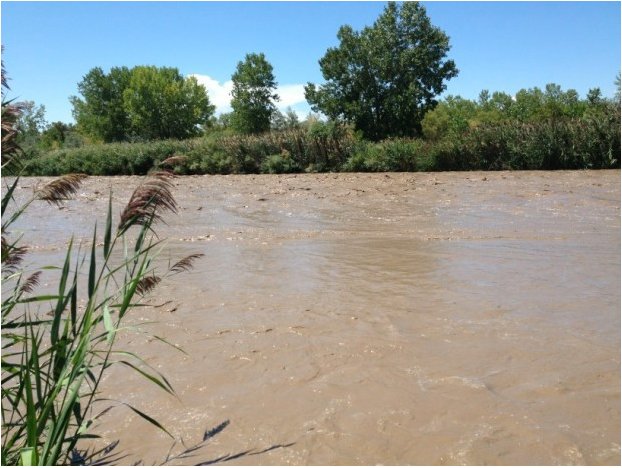
fountaincreekmonsoonjuly2012.jpg

From The Pueblo Chieftain (Chris Woodka):

“When I looked at Fountain Creek this morning, I thought, ‘Here we are about to be hit by another flood, possibly this week, and they are doing nothing,’ ” Chostner said. “We need to see a good outline of next year’s (Colorado Springs) city budget that has $15 million directed toward stormwater funding.” When commissioners approved the 1041 permit for SDS in 2009, Colorado Springs had a stormwater enterprise in place. Council voted to end the enterprise in late 2009 after voters approved a ballot issue promoted by Doug Bruce, who called the stormwater fee a “rain tax.”

More coverage from Chris Woodka writing for The Pueblo Chieftain. From the article:

A Chieftain editorial Monday asked Pueblo County commissioners to insist on a surcharge to Colorado Springs water rates on water provided by the Southern Delivery System that would raise $18 million a year to address the city’s $500 million in stormwater needs. Commissioners have some control through the county’s 1041 land-use regulations.

There are practical, but not insurmountable, hurdles to implementing a stormwater fee through water bills.
Colorado Springs Utilities policies, set by the Colorado Springs City Council, do not allow for a surcharge for stormwater fees. Fees for water service have to directly affect the water system, said spokesman Steve Berry.
“Utilities would not be able to do what the editorial suggested,” he said. “Stormwater would have to be a separate service, which we are open to if our customers and board directed us to do so.”

More Southern Delivery System coverage here and here.

Big Thompson Flood: July 31, 1976

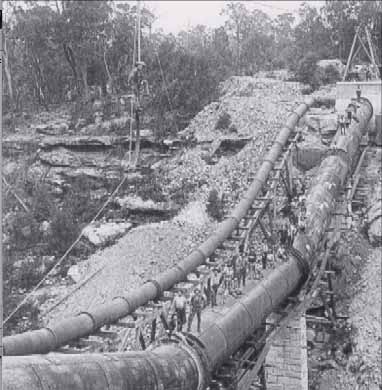
bigthompsonflood073176.jpg

The night of July 31, 1976 I was holed up in Steamboat Springs. I had been backpacking with Mrs. Gulch in the Flattops Wilderness for a week or so — drizzle in between downpours during the Colorado monsoon season – and bailed out for the usual, hot shower, cold beer and someone else’s cooking.

I called Denver to check in. My mother asked, “Johnny, are you anywhere near the Big Thompson Canyon?”

“Nope,” I said.

She added, “There’s been a terrible flood.”

Click here for my post from a while back with the link to a 9News (Chris Gallegos) piece about the 30th memorial service.

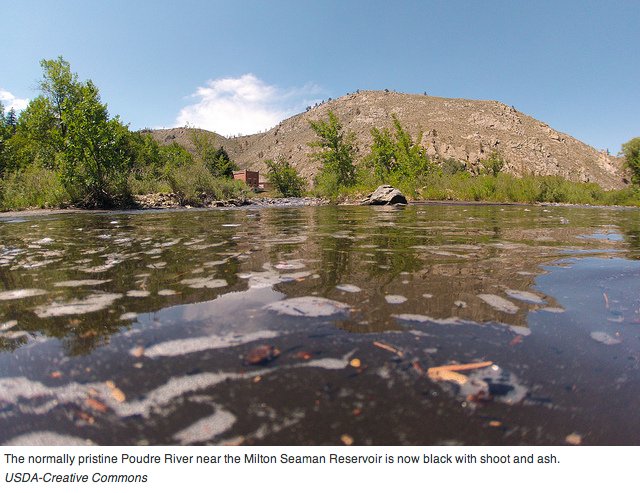
High Park Fire: The NRCS, et al., have started restoration efforts above Horsetooth Reservoir

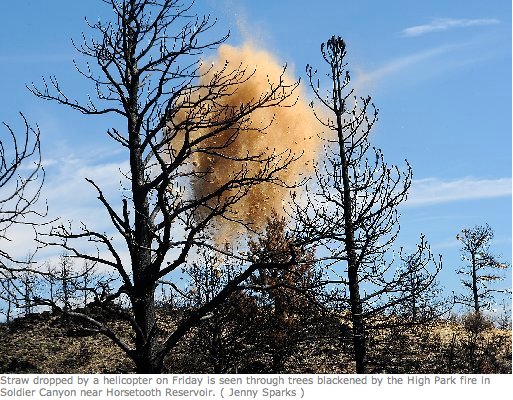
strawdroppedbyhelicoptersoldiercanyonhighparkfire.jpg

From the Longmont Times-Call (Pamela Dickman):

All told Thursday and Friday, the team planted 1,120 pounds of grass seed across 40 acres and covered it with 105 bales of agricultural straw and wood chips — a layered approach to protecting the nearby glistening waters from the ash and debris of the High Park Fire…

The ash and debris have already blackened much of the Poudre River, so Fort Collins, Greeley and the Tri-Districts (North Weld County, Fort Collins-Loveland and East Larimer County water districts) have instead been pulling water for their customers from Horsetooth Reservoir. The waters of Horsetooth remain clean, but the threat of fire pollution is real. When rains fall, the now barren Soldier Canyon could mirror a slip-and-slide, sending debris from the fire right into Horsetooth Reservoir — and the water supplies for Fort Collins, Greeley and the Tri-Districts.

From The Denver Post (Erin Udall):

By dropping a mix of seed and straw mulch on the area, Natural Resources Conservation Service (NRCS) officials hope to trigger plant growth and create a filter that will keep debris, erosion and sediment runoff from getting into the reservoir…

“Think of the Poudre (River) as the hose, and Horsetooth (Reservoir) as the bucket,” [NRCS district conservationist Todd Boldt] said, explaining that the river provides drinking water for more than 300,000 people in the area. “They rely on the hose, but when they can’t, they turn to the bucket. That’s why it’s crucial to maintain Horsetooth.”

Here’s the release from the Natural Resources Conservation Service (Todd Boldt):

Helicopters are hovering near Horsetooth Reservoir for a responsive, cooperative project to protect the reservoir’s water quality in the wake of the High Park Fire.

Helicopters are dropping an erosion control seed mix and straw mulching materials on about 40 acres that suffered the most soil burn severity within the 400-acre burn area in the Soldier Creek drainage, which sits in Lory State Park on the west side of Horsetooth Reservoir.

The helicopters, from contractor Western States Reclamation, will apply a seed mix of native species. The seeds are large, with the expectation that they will break through the fire-caused debris and establish roots without requiring much moisture. Helicopters will also drop straw mulch, then a layer of wood straw on top, to retain moisture, shelter the seed from the wind and provide soil erosion protection.

Experts expect the project to trigger plant growth in the Solider Creek area, creating a filter to prevent debris, erosion and sedimentation runoff into Horsetooth Reservoir, a key water source for area cities.

The Natural Resources Conservation Service is providing much of the technical and financial support for this $91,320 project, which is part of its Emergency Watershed Protection Program. Other sponsors are Northern Water, the cities of Greeley and Fort Collins, and the Tri-Districts (the North Weld County, Fort Collins-Loveland, and East Larimer County water districts).

The helicopters, which are staged within Lory State Park, first took off Thursday morning and will likely finish Saturday.

More restoration coverage here and here.

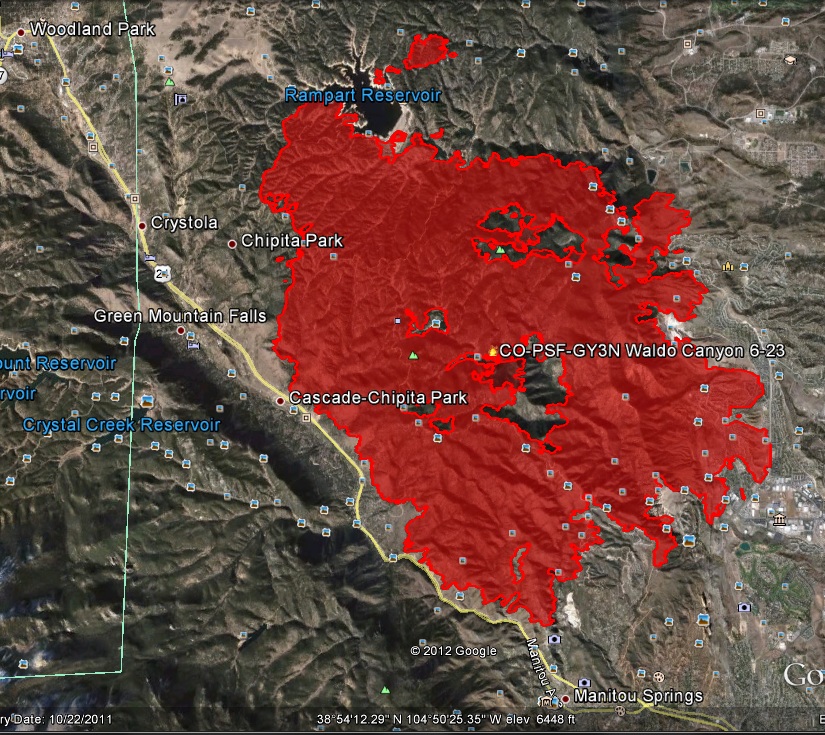
Fountain Creek: Runoff from Waldo Canyon Fire could affect stormwater flows for years

waldocanyonfirejuly2012.jpg

From The Pueblo Chieftain (Chris Woodka):

The Fountain Creek Watershed Flood Control and Greenway District heard a report on the potential flood, mudflows and landslide impacts that could follow the Waldo Canyon Fire, which burned near Colorado Springs from June 26 to July 10. A small storm event could send up to 12 times as much water down canyons and into Fountain Creek, while larger storms such as a 10-year event might bring five times as much water because vegetation has been stripped away and soils hardened…

Jamie Prochno, an engineer and community assistance coordinator for the Colorado Water Conservation Board, told the Fountain Creek board that residents near the burn and even those downstream should consider flood insurance…

The Fountain Creek board is planning to play a role in Waldo recovery efforts. Its technical advisory committee and citizens advisory group have begun discussions about what that should be. The district was formed in 2009 by the state Legislature to sort out Fountain Creek issues between Pueblo and El Paso counties.

More Fountain Creek coverage here and here.

Estes Park: Lawn Lake Dam failure remembered

lawnlakefloodwaters1982.jpg

From the Estes Park Trail Gazette (John Cordsen) via the Loveland Reporter-Herald:

The flood was first reported a little after 6 a.m. by former town trustee Stephen Gillette, who was a driver for A-1 Trash Service at the time.

He was making a pickup at the Lawn Lake trailhead and “heard a roar and saw debris in the air,” he said in an interview following the flood in 1982. “It was like a jet had crashed into the mountain.”

Millions of gallons of water rushed down Roaring River, creating the alluvial fan that is still visible today. The water merged with Fall River in Horseshoe Park and collapsed the Cascade Dam before joining the Big Thompson River and dumping into Lake Estes. The water hit the west edge of Estes Park around 8:12 a.m.

Flood waters destroyed 18 bridges, damaged road systems (particularly Fall River Road), inundated 177 businesses (75 percent of Estes Park’s commercial activity) and damaged 108 residences. Most businesses reported 3 to 4 feet of water, and as much as 2 feet of mud, in their establishments.

More South Platte River basin coverage here and here.

Precipitation news: Monsoon rains expected today, flash flood warnings issued through tonight (July 7, 2012) #Monsoon

Click here to go to the Colorado Flood Threat Portal for the latest forecasts and flooding information. They’ll update later this morning.

From the Montrose Daily Press (Mike Easterling):

As of 5 p.m. Thursday, Montrose had received 0.44 inches of precipitation at the automated weather reporting station at Montrose Regional Airport. That was good news for the Uncompahgre Valley and surrounding mountains, as Montrose had received only trace amounts of precipitation in May and June, Colton said. The last time Montrose had received measurable precipitation was in April, when 0.16 inches of rain fell on April 26. Other parts of the city fared even better. Colton said an NWS spotter one mile east-southeast of Montrose reported 0.57 inches of rain in a half hour.

Southern Delivery System update: Next Pueblo County DA promises to continue lawsuit over the project water quality permit

fountaincreekwatershed.jpg

From The Pueblo Chieftain (Chris Woodka):

Jeff Chostner, who beat District Attorney Bill Thiebaut in the June 26 Democratic primary, said he will pursue a lawsuit now under appeal by the state and Colorado Springs. “It would not be judicially efficient to drop it,” Chostner said Thursday. “We will have the expertise to handle the case within our office.”[…]

“Assuming that it’s not resolved by the end of Bill’s term, we will continue with the case,” Chostner said.

Would he take the case to the state Supreme Court if the appeal goes in the state’s favor? “Let’s handle that one when the contingency arises,” Chostner said.

More Southern Delivery System coverage here and here.

Drought news: ‘We’re going to operate our system in a way that’s protective of fish’ — Linn Brooks #CODrought

usdroughtmonitor06282012.jpg

From the Vail Business Journal (Bob Berwyn):

If and when streamflows drop below certain levels, the Eagle River Water & Sanitation District could be forced to enact strict water-use limits on top of ongoing conservation efforts, according to district general manager Linn Brooks…

The community water system also includes the two Black Lakes reservoirs, near Vail Pass, as well as Homestake Reservoir and also has access to water in Wolford Mountain Reservoir and Green Mountain Reservoir. The water in the reservoirs is used primarily for augmentation, which means when the district removes water from Gore Creek and the Eagle River, it can replace that water from the reservoirs to compensate downstream users.

This year, the Homestake Reservoir water is not available because the reservoir has been drained for repairs. That complicates the overall picture a bit, but in any case, that augmentation water, even though it’s destined for downstream users, can help sustain stream flows in Eagle County.

For now, flows are tracking close to where they were during the 2002 drought, which at the time was characterized as a 500-year event by some water experts. Gore Creek flows are a little lower than in 2002, at about 20 to 30 percent of average for this time of year. High in the drainage, at a gage in the wilderness was reading only at 11 percent of normal…

A somewhat normal monsoon season, with intermittent rains from mid-July to mid- or late August would likely sustain flows enough to stave off the most drastic conservation measures this year. But summer rains don’t compensate for a lack of winter snow. Snowpack is the key for sustaining base flows throughout the summer. “Thunderstorms can come in and drop a lot of moisture, but the ground can’t absorb all that water. It surges through the system and gives a short-lived benefit. A good rainstorm can give a week of propped up rainflows, she said…

The district uses water from both Gore Creek and the Eagle River, as well as a handful of wells, and has the ability to shunt water in different directions through a web of pipes to meet the needs — and address potential shortages in different parts of the system…

The district also monitors stream temperatures. If the climb to a point deemed dangerous to fish, that could also trigger operational changes. “We’re going to operate our system in a way that’s protective of fish,” she emphasized.

More Eagle River watershed coverage here and here.

‘Every time Secretary Salazar sees me, he bugs me about Fountain Creek’ — GOCo Executive Director Lise Aangeenbrug

kensalazarnewmexicoindependent.jpg

From The Pueblo Chieftain (Chris Woodka):

Fountain Creek Watershed Flood Control and Greenway District board member Richard Skorman recognized his former boss, Secretary of Interior Ken Salazar, both for his concern about Fountain Creek and for his role in establishing the Great Outdoors Colorado program that funded a $2.5 million grant to benefit the creek this week.

“Ken Salazar was one of our regional leaders,” said Skorman, a former Colorado Springs councilman and mayoral candidate who served as a U.S. Senate aide to Salazar. “He talked about how we should stop turning our backs on our rivers, and learn to face them and embrace them.”

“You’re right,” laughed GOCo Executive Director Lise Aangeenbrug, who came to Friday’s Fountain Creek district board meeting to formally announce the grant. “Every time Secretary Salazar sees me, he bugs me about Fountain Creek.”

More Fountain Creek coverage here and here.

USGS: Effects of Urban Stormwater-Management Strategies on Stream-Water Quantity and Quality

detentionpond.jpg

Here’s the release from the United States Geological Survey (J.V. Loperfido/D.M. Hogan):

Urbanization results in elevated stormwater runoff, greater and more intense streamflow, and increased delivery of pollutants to local streams and downstream aquatic systems such as the Chesapeake Bay. Stormwater Best Management Practices (BMPs) are used to mitigate these effects of urban land use by retaining large volumes of stormwater runoff (water quantity) and removing pollutants in the runoff (water quality). Current USGS research aims to understand how the spatial pattern and connectivity of stormwater BMPs affect water quantity and water quality in urban areas.

More stormwater coverage here.

Pueblo County leaders are beating the drum for Colorado Springs to re-establish a stormwater enterprise

fountaincreekstormwater092011chieftain.jpg

From The Pueblo Chieftain (Chris Woodka):

While the storm [Wednesday], centered over Colorado Springs for three hours, did little to impact Pueblo County, it caused internal problems. At a news conference Thursday, [Colorado Springs] Mayor Steve Bach said $7 million in city funds would be transferred to stormwater needs. About 40 people had to be rescued. Some comments from frustrated citizens on the Internet early Thursday, chided the City Council for dropping the stormwater enterprise in 2009…

“There has to be a steady stream of revenue,” said [Jay Winner, general manager of the Lower Arkansas Valley Water Conservancy District], who worked to convince Colorado Springs to adopt the stormwater enterprise in 2005. “I don’t see how $7 million does anything to address the $500 million in capital needs that have been identified.”[…]

State Rep. Sal Pace, DPueblo, agreed, saying the enterprise was providing $12 million-$15 million a year before the City Council eliminated it. Pace is drafting a letter to Colorado Springs demanding action on the stormwater question…

Pace said Colorado Springs voters are seeing the problems that resulted from the 2009 passage of Issue 300, which was interpreted by City Council as a mandate to repeal what tax-crusader Doug Bruce called a “rain tax.”[…]

County Commissioner Jeff Chostner, who chairs the Fountain Creek Watershed Flood Control and Greenway District board, said Colorado Springs has to address its stormwater problems immediately.

More coverage from Chris Woodka writing for The Pueblo Chieftain. From the article:

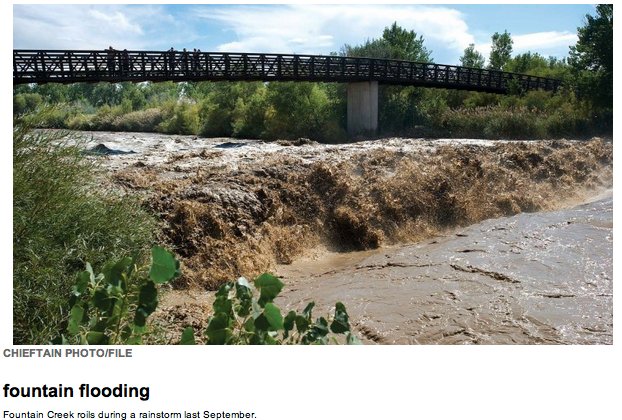
A rainstorm parked itself over [Colorado Springs] for about three hours Wednesday, dropping up to 4 inches of rain. Areas to the north and south of the city received less rain, anywhere from 0.5-2 inches. About 40 people and one dog had to be rescued from high water that collected in Colorado Springs, according to news reports. Mayor Steve Bach called it a “100-year flood,” but it wasn’t even close. It was about a 10-year event on Fountain Creek at Security, and the threat diminished as water traveled downstream, according to the U.S. Geological Survey.

While Pueblo braced for possible flooding, the effects were fairly minor by the time the water traveled 40 miles down the Fountain Creek channel. “It did not take away the hot tub that the flood last September deposited in my pasture, so I am very disappointed,” quipped Bill Alt, whose home is on Fountain Creek just north of Pueblo. “On the upside, it irrigated the pasture, which was good since we’ve had no moisture this year.”

More coverage from Daniel Chaćon writing for The Colorado Springs Gazette. From the article:

Pueblo County is threatening to suspend a permit for the Southern Delivery System water pipeline unless Colorado Springs spends more money on stormwater improvements next year. A condition of the so-called 1041 permit requires Colorado Springs to have an adequate stormwater management plan, Pueblo County Attorney Dan Kogovsek said Thursday…

Pueblo County is “very concerned” that Colorado Springs’ capital improvements to prevent stormwater damage have fallen by the wayside since the demise of the Stormwater Enterprise more than two years ago, Kogovsek said. When the enterprise was in operation, the city was spending about $13.3 million annually on maintenance, capital improvement projects and required permits. This year, the city budgeted $3.3 million for maintenance and permits but nothing for capital improvements. Kogovsek said the county will keep a close eye on the city’s 2013 budget to see how much Colorado Springs plans to spend on stormwater…

Mayor Steve Bach, who marked his first year in office Thursday, has sounded the alarm about the city’s stormwater needs. As part of his funding solution, he wants the City Council to direct Utilities to come up with $12 million to $15 million from its existing budget and rate base. “Why should Colorado Springs Utilities be involved in this? In my view, because Utilities will be bringing Southern Delivery System water here from down at the Pueblo Dam and the Arkansas River,” Bach said during a news conference Thursday in the wake of Wednesday’s storm. “Utilities will thereby be, frankly, exacerbating our stormwater challenges because after that water is used locally — whether it’s domestic consumption or irrigation or other purposes – it will be returned. It’s called return flow and that water will be additive to Fountain Creek flow going back down south. At least that’s a pragmatic reason that I see that Utilities should partner with us,” he said.

From the Colorado Springs Utilities twitter feed (@CSUtilities) yesterday:

Unmanaged storm flows outside of Colorado Springs city limits can jeopardize investments made within the city.

And:

We believe stormwater flows must be managed regionally, to fully protect our community’s investments.

More Fountain Creek coverage here and here.

Southern Delivery System: The CWQCC joins Colorado Springs Utilities in appeal of recent ruling about the project water quality permit

arkansasfountainconverge.jpg

From the Colorado Springs Independent (Pam Zubeck):

Colorado Springs Utilities isn’t alone in thinking Pueblo County District Judge Victor Reyes made a mistake.

The Colorado Water Quality Control Commission has voted unanimously to stand with Utilities in opposing Reyes’ decision to overturn the state’s 401 water quality certification for the Southern Delivery System. Reyes had ruled the state commission didn’t adequately account for Fountain Creek pollution caused by the SDS pipeline, which will increase Colorado Springs’ water supply by a third by 2016 by delivering water from Lake Pueblo. After certification in 2010, the Rocky Mountain Environmental Labor Coalition and Pueblo County District Attorney Bill Thiebaut sought judicial review, resulting in Reyes’ ruling.

State Commissioner John Klomp, a former Pueblo County commissioner, made the motion to appeal the ruling, noting that sufficient controls are in place and that Colorado Springs complies with the rules, the Pueblo Chieftain reports. Utilities spokesperson Janet Rummel says SDS construction continues.

More Southern Delivery System coverage here and here.

Southern Delivery System: Colorado Springs Utilities appeals recent permit decision by Judge Reyes

arkansasfountainconverge.jpg

From KRDO.com (Rana Novini):

Colorado Springs Utilities says the April ruling is unfortunate and they have always met water quality standards. They joined the City of Colorado Springs, and the State of Colorado in filing an appeal against that ruling.

On Friday, Pueblo County District Attorney Bill Thiebaut stood near the Fountain Creek Flood Control marker in Pueblo and vowed he would not stop fighting against SDS. He held up two jars of water: one he said was from Lake Pueblo, the other from Fountain Creek. “You can see (the latter jar) is rather muddy and contaminated as compared to the Lake Pueblo water,” Thiebaut said. He attributes the pollution to Colorado Springs’ development projects, saying the runoff ends up in Fountain Creek. He says that Colorado Springs takes the clean water in Pueblo Reservoir and returns used, dirty water to Fountain Creek.

Mark Pifher of Colorado Springs Utilities works directly with water quality regarding SDS. He tells KRDO NewsChannel 13 that the pollution in Fountain Creek has nothing to do with SDS. “At this point in time, Southern Delivery is not yet operational. So that’s the ambient condition, if you will, of Fountain Creek,” Pifher said.
In a written statement from the Tenth Judicial District, Thiebaut claims the pollution in Fountain Creek has caused illness to Pueblo County residents. But Pifher says Utilities has never been made aware of any illnesses.

From The Pueblo Chieftain (John Norton):

In April, District Judge Victor Reyes ruled on a suit filed by Thiebaut and threw out a state water quality permit the Colorado Water Quality Control Commission gave the project.

Reyes ruled that the commission ignored potential impacts of growth on Fountain Creek water quality and failed to follow its own procedures in upholding a 2010 permit under section 401 of the Clean Water Act.

Friday afternoon, Thiebaut called on the state and Colorado Springs to give up the appeal. He held up jars of clear Pueblo Reservoir water and cloudy water from Fountain Creek.

Standing near the flood control marker across from the El Centro del Quinto Sol community center, he said, “Now, Colorado Springs wants to take this pristine (lake) water, use it in Colorado Springs and then discharge more of its used wastewater and stormwater into Fountain Creek.

From the Colorado Springs Independent:

…a new study from Summit Economics LLC says Colorado Springs residents pay less ($4.63 per capita annually) than those of every other Front Range city. The average is $52.11. To reach that average, El Paso County would have to impose a half-percent sales tax (50 cents on a $100 purchase), a property tax of 5.8 mills ($93 on the tax bill of a $200,000 house) or a $5.35 per month fee per home. Any of those taxing methods would yield the roughly $36 million a year needed to tackle a $600 million backlog for the county, Colorado Springs, Manitou Springs, Fountain and Monument, the study says.

And the issue lies here, not downstream in Pueblo County, which accounts for only 1 percent of the region’s stormwater infrastructure needs, the study found.

The Fountain Creek Watershed Flood Control and Greenway District, which covers portions of Pueblo and El Paso Counties, funded the study, and its manager Larry Small says the board is eying a November 2013 election if a tax increase is sought.

From the Colorado Springs Gazette (Daniel Chaćon):

Bach said his administration inherited “upwards of a billion” dollars in unfunded capital needs, including stormwater, and that the city needed to “come to grips” with the problem. “The day of reckoning is in front of us,” Bach said.

The lack of stormwater funding has other consequences that City Attorney Chris Melcher has said obligates Utilities, a billion-dollar-plus enterprise of the city. Stormwater is a crucial element of the 62-mile Southern Delivery System water pipeline that Utilities is building between Colorado Springs and Pueblo…

The Board of Pueblo County Commissioners, which issued the so-called 1041 permit for SDS, is now applying pressure on the city, too. The board sent Bach and the council a letter May 3, saying it was “encouraged” by reports that the city was exploring ways to fund stormwater but that it needed to act fast…

“A key component was the Stormwater Enterprise,” they wrote. “Unfortunately, in December 2009, only a few months after it obtained its SDS permits, Colorado Springs Council voted to abolish its Stormwater Enterprise fees.”

SDS spokeswoman Janet Rummel said the city’s stormwater issue is much broader than SDS. “Not only is utilities infrastructure impacted by stormwater run-off, but City and County roads and bridges are also affected for example,” she said in an email.

More coverage from the Colorado Springs Independent (Pam Zubeck):

After the enterprise was dismantled in 2009, the Springs City Council assured Pueblo County that a replacement funding source would be developed, Pueblo County commissioners note, but more than 2.5 years later, no such funding has been secured.

Pueblo County issued a construction permit for SDS, and that permit could be rescinded if Colorado Springs doesn’t live up to its promises.

County President Pro Tem Jan Martin wrote a letter to Pueblo County dated May 10, two days after Bach talked of a stormwater-related “day of reckoning” awaiting the Springs. In it, Martin says, “Protecting our watershed is a high priority for City Council …”

Really? Where’s the evidence? Rather, the Council is busy getting its package of road projects together to be included in an extension of a sales tax for the Pikes Peak Rural Transportation Authority. The tax doesn’t sunset until the end of 2014, but Councilors and others are rabid to get it renewed and want it on this November’s ballot.

More Southern Delivery System coverage here and here.

Southern Delivery System: The CWQCC will appeal judge’s ruling for project water quality permit

fountaincreekthrucoloradospringsfromdippity.jpg

From The Pueblo Chieftain (Chris Woodka):

The Colorado Water Quality Control Commission voted unanimously Monday to appeal the decision. The commission approved staff certification under section 401 of the federal Clean Water Act in 2010, after the decision was protested by Pueblo District Attorney Bill Thiebaut and the Rocky Mountain Environmental Labor Coalition…

“The 401 certification was fully discussed and we’re convinced we made the right decision, controls are in place and that Colorado Springs is in compliance,” said John Klomp, a former Pueblo County commissioner who sits on the state water quality board. Colorado Springs Utilities will join the state in the appeal, said spokeswoman Janet Rummel.

“We agree with the state of Colorado that the Pueblo district court decision was erroneous and believe the court of appeals will affirm the Colorado Water Quality Control Division’s issuance of the 401 water quality certification for SDS,” Rummel said…

Ross Vincent, of the local Sierra Club and the coalition, said the state decision is not appropriate. “The Water Quality Control Commission’s decision makes no sense to me,” Vincent said. “The state did a really sloppy job in its first review of the water quality impacts of SDS. The facts are pretty clear, and that’s why Judge Reyes ruled the way he did. It would be simpler, faster, and a whole lot less expensive for the state to go back to the drawing board and do the thorough water quality review that the law requires.

More Southern Delivery System coverage here.

Southern Delivery System: ‘Colorado Springs remains in compliance, and is in regular contact with Reclamation’ — Kara Lamb via the Chieftain

sdspreferredalternative.jpg

Here’s a report from Chris Woodka writing for The Pueblo Chieftain. [ed. The link does not take you to the article in the Chieftain’s new format as of 5:11 AM. I had to scroll through the online paper to find it.] Here’s an excerpt:

Colorado Springs remains in compliance, and is in regular contact with Reclamation, spokeswoman Kara Lamb said this week. “Reclamation has not issued a permit. We are not a regulating agency,” Lamb explained. “What we have done is enter into a series of contracts with Colorado Springs Utilities and the other SDS participants.

“The contracts are based on the environmental compliance measures outlined in the final Environmental Impact Statement and associated record of decision and permits issued by other entities which do have regulating authority.”

More Southern Delivery System coverage here and here.

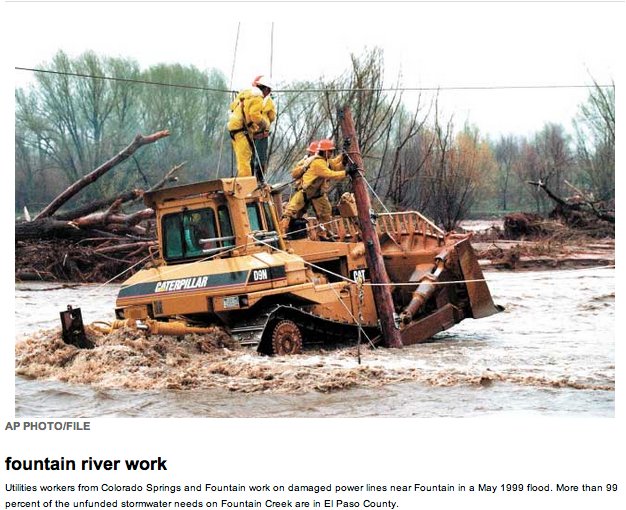
It turns out that Colorado Springs did need a stormwater enterprise after all, where is Douglas Bruce?

fountaincreekflood1999apviachieftain.jpg

From The Pueblo Chieftain (Chris Woodka):

A Summit Economics study, now being reviewed by communities in El Paso County, identifies $752.5 million in unfunded stormwater management needs on Fountain Creek. Only $3.2 million of those are in Pueblo, although no assessment has been made of the parts of the creek in unincorporated Pueblo County. There are also about $13 million in annual funding needs that have not been addressed…

Nearly $500 million in projects are needed in Colorado Springs, with about $86 million considered critical needs, the study stated. That’s a significantly higher amount than reported to Colorado Springs City Council in 2005, when it created a stormwater enterprise. The enterprise was dissolved by council after the 2009 municipal election. A 2005 stormwater study identified about $300 million in Colorado Springs projects, with $66 million considered critical were presented.

In Pueblo, at that same time, there were about $65 million in needs. Pueblo instituted a stormwater fee in 2003 that generates about $2.8 million per year to begin addressing those problems. Puebloans pay about $25 per capita monthly into the fund…

Colorado Springs, with nearly four times the population, spends about $1.9 million, or $4.63 per capita monthly to address stormwater issues, mainly compliance with state or federal permits. The Front Range average is $52 per capita monthly.

More Fountain Creek coverage here and here.

Southern Delivery System: ‘Pueblo will not pay for the failure of the Colorado Springs stormwater enterprise’ — Jeff Chostner

fountaincreekstormwater092011chieftain.jpg

From The Pueblo Chieftain (Chris Woodka):

“We’re paying five times per capita in Pueblo County, while El Paso County has five times the resources,” Chostner said. “Pueblo will not pay for the failure of the Colorado Springs stormwater enterprise. This has implications for the 1041 permit.”

The Fountain Creek board got its first look at a regional stormwater study by Summit Economics that suggests a coordinated regional approach is needed to meet a backlog of more than $750 million in stormwater management needs. The study, which will be finalized after the sponsors have a chance to review it, also points out that Colorado Springs pays only $4.63 per capita for stormwater protection, less than one-tenth of the Front Range average. Pueblo pays $25.81 per capita.

Chostner, who guided the Fountain Creek board away from contributing any money to the study, was adamant that it is not Pueblo’s responsibility to pay for stormwater projects in Colorado Springs, which abolished its stormwater enterprise in 2009. As part of 2009 Pueblo County 1041 conditions, Colorado Springs agreed to provide $50 million to the district over five years after SDS goes online in 2016. Chostner balked at the economists’ suggestion that some of that money could defray stormwater costs. “This board decides how to spend that,” he said.

More Fountain Creek coverage here and here.

Southern Delivery System: Did Colorado Springs violate their federal permit when they abolished their stormwater enterprise?

fountaincreek.jpg

From The Pueblo Chieftain (Chris Woodka):

A district formed to protect water in the Lower Arkansas Valley instructed its water attorney to investigate whether Colorado Springs violated a federal permit when it abolished its stormwater enterprise. “This is irresponsible behavior by Colorado Springs. They owe the rest of the area a service,” said Melissa Esquibel, who represents Pueblo County on the Lower Arkansas Valley Water Conservancy District board. “It’s unconscionable.”[…]

The board approved Esquibel’s motion to have Peter Nichols investigate whether Colorado Springs is in violation of a record of decision by the federal Bureau of Reclamation for SDS. The federal permit makes the assumption that Colorado Springs would have a certain level of funding annually under the former enterprise. Instead, Colorado Springs has spent about $1.2 million annually since voters instructed City Council to disband it in 2009. Stormwater funding is listed at $1.9 million this year, according to a budget comparison of Front Range cities distributed at the meeting. Colorado Springs spends $4.63 per capita on stormwater funding, less than 10 percent of the Front Range average. Pueblo is at half the average, at $25.81 per capita…

Last month, Colorado Springs Attorney Chris Melcher said Colorado Springs is obligated to spend $13 million-$15 million annually for stormwater improvements. At a Fountain Creek meeting last month, Councilwoman Brandy Williams said the council is working on a plan of how to come up with the money.

More Southern Delivery System coverage here and here.
Southern Delivery System: Colorado Springs Utilities plans to file appeal of Judge Victor Reyes’ decision about water quality permit

arkansasfountainconverge.jpg

From The Colorado Springs Gazette (Daniel Chaćon):

While the Colorado Department of Public Health and Environment evaluates its next move, Colorado Springs Utilities said Tuesday it plans to appeal the ruling. “Construction is proceeding,” SDS spokeswoman Janet Rummel said…

The court ruling came after a request for a judicial review from Pueblo District Attorney Bill Thiebaut and the Rocky Mountain Environmental Labor Coalition. Thiebaut argued that SDS will lead to potentially damaging water flows back to Pueblo, worsening “the existing flooding and contamination in Fountain Creek and the Arkansas River.” Thiebaut has a long history of opposing SDS, and during the permitting process, the labor coalition tried unsuccessfully to get Utilities to promise to use union labor for the construction of SDS…

Rummel said the 401 certification was meant to assure the U.S. Army Corps of Engineers that the SDS project would follow all applicable state water quality regulations and procedures. The certification was a condition of the 404 permit issued by the Army Corps of Engineers for SDS. That permit is required under the U.S. Clean Water Act because the project will have permanent and temporary impacts on jurisdictional wetlands.

Thiebaut told the Pueblo Chieftain newspaper this week that Utilities doesn’t have a valid permit for SDS. “In order for the SDS system to proceed, the owners need to obtain one from the state,” Thiebaut told the newspaper. “Approval of a new 401 certification will require a comment period and opportunity for appeal. In the alternative, the defendants can appeal to a higher court. We are prepared either way.”[…]

Rummel said the judge’s ruling means that if the appeal is unsuccessful, the state may be required to do additional water quality evaluation. “That may result in additional mitigation for the project. That is what we believe the worst case scenario to be,” she said.

More coverage from John Hazelhurst writing for the Colorado Springs Independent. From the article:

…thanks to SDS, we’ll have more water than we’ll ever need. Our future is assured: Our urban forest won’t die, we can keep our lawns green, and sustain ourselves indefinitely … right?

Not quite. Even with some surprising decreases to cost projections, SDS will still run about $1.6 billion total, and has already affected our water rates. To help mitigate costs, Utilities would like to make “temporary” deals with users outside the city.

That’s nuts. Doing so will just enable sprawl, further hollow out our tax base, and put us at risk in the years to come. Temporary deals have a way of becoming permanent. It’s best not to make such deals, and use the water to fuel our infill growth.

More coverage from Pam Zubeck writing for the Colorado Springs Independent. From the article:

Instead of a 120 percent increase [ed. in Colorado Springs water rates] between 2011 and 2017, the hike could be less than half that under a new rate forecast being drafted. The change stems in part from the recession creating more competition among contractors — thus, lower construction costs. But the biggest reason is lower interest rates, which could save $700 million from previous estimates. While officials won’t release new projections until the May 16 Utilities Board meeting, chief financial officer Bill Cherrier says, “What I can tell you is, we probably lopped off several years of rate increases. That would be four years of 12 percent increases, instead of six or seven. Even the ones we need, we believe, will be less than 12 percent. Once we get up to a certain level of rates, we’re likely to see virtually no water increases for quite some time.”[…]

Cherrier says the city will issue more debt for SDS in August, and in 2013 and 2014 to finish Phase 1 funding for the pipeline, construction of three pump stations and a water treatment plant, which continues even as the city spars with opponents over a water quality permit.

In 2010, City Council raised rates by 12 percent for 2011 and 2012. Under the initial plan, the typical residential customer’s average monthly bill would have leaped by 120 percent, from $37 in 2010 to $82 in 2017. If the last three years of 12 percent rate hikes aren’t imposed, the typical increase would be 57 percent, to $58.

More Southern Delivery System coverage here and here.

Southern Delivery System: Colorado Springs Utilities plans to file appeal of Judge Victor Reyes’ decision about water quality permit

southerndeliverysystemconstructioncelebration08192011.jpg

From The Pueblo Chieftain (Chris Woodka):

“We do plan to appeal the ruling,” said Janet Rummel, a spokeswoman for Utilities. “We will need to consult with the state on the timing, but anticipate it will be filed as soon as is practical.”

The city also would have the option of following Reyes’ order and seeking another set of guidelines from the Colorado Water Quality Control Division, presumably with another hearing before the commission. The state is evaluating which course to take…

Pueblo District Attorney Bill Thiebaut said SDS does not have a valid permit, but needs one for the project to continue. “In order for the SDS system to proceed, the owners need to obtain one from the state,” Thiebaut said. “Approval of a new 401 certification will require a comment period and opportunity for appeal. In the alternative, the defendants can appeal to a higher court…

Reyes ruled that the adaptive management plan Colorado Springs, the state and other agencies have agreed to is not a reasonable safeguard against contamination of Fountain Creek.

More Southern Delivery System coverage here and here.
Southern Delivery System: Colorado Springs Utilities is, ‘disappointed that the Court disregarded several years of studies and evaluation’

southerndeliverysystemnorthoutletworksconstructionpueblodampueblochieftain.jpg

From KRDO.com (Rana Novini):

A Pueblo County judge ruled Friday that the Southern Delivery System (SDS) would further degrade water quality and violates water quality standards in Pueblo County. The SDS water project would divert water from Pueblo Dam to Colorado Springs.

District Attorney Bill Thiebaut says he is pleased with the court’s decision. Thiebaut says he filed the lawsuit because the State of Colorado “failed to protect the citizens of Pueblo.”

Despite the ruling, Colorado Springs Utilities announced they will continue construction of the SDS project while they evaluate their appeal rights. Utilities says it is “disappointed that the Court disregarded several years of studies and evaluation by federal and state environmental agencies and the extensive mitigation already required of the project.”

More Southern Delivery System coverage here and here.

Southern Delivery System: ‘District Judge Victor Reyes set aside the Colorado Water Quality Control Commission’s decision to issue a water quality permit to Colorado Springs’ — Chieftain

sdspreferredalternative.jpg

From The Pueblo Chieftain (Chris Woodka):

District Judge Victor Reyes set aside the Colorado Water Quality Control Commission’s decision to issue a water quality permit to Colorado Springs and ordered new hearings by the commission. The lawsuit was brought by Pueblo District Attorney Bill Thiebaut and joined by the Rocky Mountain Environmental and Labor Coalition against the commission and Colorado Springs.

The commission approved a Section 401 permit under the federal Clean Water Act that was approved by the Water Quality Control Division in April 2010. However, in upholding the staff decision to grant the permit, the commission failed to consider scientific evidence and instead relied on “gut feeling” and “best professional judgment” in approving the permit, Reyes said in a 57-page ruling. Under deposition, a staff member admitted that no scientific measurement was used in reaching a decision. Reyes also chided the state for not documenting its findings, not evaluating the impacts of growth and failing to use its own methodology.

Thiebaut and the environmental groups argued that the impact of 800,000 people living in El Paso County by 2030 had not been fully considered, and that water quality in Fountain Creek and the Arkansas River would be significantly degraded…

Ross Vincent of the Sierra Club praised the decision as well. “Clean water is really important, and the agencies we rely on to keep it clean are not getting the job done,” Vincent said. “The decision shows Colorado Springs Utilities is not above the law. Urban growth and water quality are unavoidably linked and the state must consider those links when evaluating big projects like SDS.”

More coverage from Pam Zubeck writing for the Colorado Springs Independent. From the article:

The decision is a blow to Colorado Springs Utilities’ SDS pipeline project, now under construction, that will bring water here from Pueblo Reservoir. Utilities’ spokeswoman Janet Rummel explains in an e-mail to the Indy:

The Colorado Department of Public Health and Environment’s (CDPHE) Water Quality Control Division (Division) issued a 401 water quality certification under the Clean Water Act for the SDS project in April 2010, certifying that SDS would comply with all applicable state water quality requirements. The Rocky Mountain Environmental Labor Coalition (RMELC) and Pueblo County District Attorney, Bill Thiebaut, then appealed the CDPHE 401 certification for SDS.

Following extensive review, including testimony from experts at a hearing in December 2010, the Colorado Water Quality Control Commission voted unanimously in January 2011 to confirm the SDS 401 Certification issued by the Water Quality Control Division.

Today, we received Pueblo County Judge Reyes’ ruling regarding the RMELC and District Attorney Thiebaut’s request for a judicial review of the Commission’s affirmation of the Division’s certification. The judge reversed the Commission’s ruling and sent the case back to the Division to revise the 401 Certification.

We are disappointed that the Court disregarded several years of studies and evaluation by federal and state environmental agencies and the extensive mitigation already required of the project.

We are currently evaluating our appeal rights and coordinating with the appropriate state and federal agencies.

Construction of the SDS project is proceeding — providing hundreds of regional jobs and infusing tens of millions of dollars in the southern Colorado economy — while we work to resolve this issue in the courts.

Meanwhile, Colorado Springs has filed an application in water court to build a terminal reservoir for SDS on Williams Creek (same site planned for the Flaming Gorge pipeline), according to Chris Woodka writing for The Pueblo Chieftain. From the article:

The Utilities reservoir is part of a future phase of the Southern Delivery System. The first phase of SDS is a 50-mile long, 66-inch diameter pipeline, new outlet works at Pueblo Dam, three pump stations and a treatment plant now under construction. Completion is expected in 2016. To fully use the pipeline’s entire capacity, the reservoir would be built to provide terminal storage before water is treated. It would be developed in the 2020-25 timeframe. A March filing in Division 2 Water Court indicates a 129-foot high dam, spanning 8,100 feet would detain about 30,500 acre-feet of water. Water would come through the Williams Creek drainage, exchanges from other sources and direct deliveries from SDS…

It’s no secret that Colorado Springs has had designs on the site for years. The site was part of a water court exchange application Colorado Springs filed in 2007, when it was listed as an alternative site in the SDS study. After problems with Colorado Springs’ first choice for SDS terminal storage at Jimmy Camp Creek, to the north of Williams Creek, surfaced in 2008, the Bureau of Reclamation identified Williams Creek as the preferred location. In 2010, the El Paso County planning commission approved the site for location of a reservoir. In 2011, under state legislation adopted the previous year (HB1165), the State Land Board approved sale of land for the reservoir.

But much of the site is on private land owned by the Norris family, which has filed to create the Marlborough Metropolitan District…

The Marlborough district would be to construct a 30,000 acre-foot reservoir for regional use as well as recreation. Located south of the Colorado Springs site, it could be expanded with a higher earthen dam, according to engineering reports. The site also is identified as terminal storage for Aaron Million’s Flaming Gorge pipeline proposal…

There are major differences in approach. Utilities plan would require relocating part of Bradley Road, while the Norris plan does not. The Norris family also has discussed sharing revenue from storage fees with the State Land Board as an alternative to buying that portion of the land, Duncan said.

More coverage from Ryan Maye Handy writing for The Colorado Springs Gazette. From the article:

The crucial 401 certification, which has been battled over for two years, is headed back to the Colorado Public Health and Environment’s Water Quality Control Division. The division granted the certification for Utilities’ Southern Delivery System, a 62-mile-long pipeline, in April 2010. Pueblo County Judge Victor Reyes upheld concerns about the project and reversed a January 2011 decision by the Colorado Water Quality Control Commission to confirm the certification, according to Janet Rummel, a spokeswoman for the project. The 401 certification is a prerequisite for the only remaining obstacle in the project’s completion — a 404 permit issued by the U.S. Army Corps of Engineers…

Since 2010, the SDS project has battled with the Rocky Mountain Environmental Labor Coalition and Thiebaut over its 401 certification. Thiebaut and the coalition challenged the project’s certification when it was granted two years ago.

More Southern Delivery System coverage here and here.

It turns out that Colorado Springs did need a stormwater enterprise after all — where is Douglas Bruce?

rueterhesswithwaterexample1

From The Colorado Springs Gazette (Daniel Chacón):

Melcher gave Mayor Steve Bach and the City Council five options, including making stormwater a responsibility of Colorado Springs Utilities and asking voters to pass a tax.

Melcher emphasized that Utilities should play a big role in the solution because he said the future of the $2.3 billion Southern Delivery System water pipeline is at stake. “Utilities right now has a shared interest with the city for a number of reasons, but particularly because their SDS project is contingent on a permit that requires the city, which includes Utilities, the entire city, to have a functioning stormwater system,” Melcher said during the monthly Mayor’s Counsel Meeting between Bach and council members. The 62-mile pipeline from the Pueblo Dam to Colorado Springs is under construction.

Colorado Springs is falling woefully behind on its stormwater needs.

The city should be spending $13 million to $15 million annually on stormwater, and the unfunded capital needs for stormwater are estimated at $500 million. The city is spending only about $1.2 million to pay for the federally mandated stormwater component of the National Pollutant Discharge Elimination System program.

At least two council members — Tim Leigh and Angela Dougan — said the city should try to find a way to pay for stormwater through Utilities’ budget of more than $1 billion.

More coverage from Chris Woodka writing for The Pueblo Chieftain. From the article:

Colorado Springs Council, in a meeting with Mayor Steve Bach this week, was told by City Attorney Tim Melcher that it should be spending $13 million-$15 million a year for stormwater projects, rather than the bare minimum it now spends, about $1.2 million a year, to satisfy federal requirements…

There is a $500 million backlog of stormwater projects dating back to the 1980s. Options to fund improvements include raising water rates, already expected to double to pay for the $2.3 billion cost of SDS; shifting Utilities’ payments to the city; finding more money somewhere in general fund; or asking citizens to vote on creating a stormwater enterprise. Colorado Springs had a stormwater enterprise from 2005-09, but eliminated it after a campaign led by tax activist Doug Bruce against a “rain tax.”[…]

The option to vote on the enterprise could conflict with the Fountain Creek Watershed Flood Control and Greenway District’s plans to ask voters in El Paso and Pueblo counties to approve a mill levy. The district, formed in 2009, will run out of money at the end of this year, and no other source of funding is in sight until SDS is completed in 2016. At that time, Colorado Springs Utilities will begin making five annual payments totalling $50 million.

The [Fountain Creek Watershed Flood Control and Greenway District] will hear a report at its April 27 meeting from Summit Economics on a regional stormwater solution. The study was commissioned by El Paso County communities to come up with a unified approach to stormwater management.

More coverage from J. Adrian Stanley writing for the Colorado Springs Independent Indy Blog. From the post:

Really, this was inevitable. Drainage problems aren’t going away. In fact, neglecting them too long will get the city in trouble with the feds, piss off [Colorado Springs Utilities], and probably lead to a few streets caving in.

According to City Attorney Chris Melcher, who spoke on the issue at today’s Mayor’s Counsel meeting, the city has a few options. City Council could simply write a law making Stormwater, or at least parts of Stormwater, the responsibility of Utilities. Alternately, Council could ask for a tax increase, or simply ignore the problem.

One thing’s for sure, the city general fund can’t pay for what needs to be done — about $15 million a year in work.

Both Council President Pro Tem Jan Martin and Councilor Brandy Williams responded by saying the city should cooperate with the Fountain Creek Watershed board, which is working on a regional solution to Stormwater. When that process wraps up, voters will likely be asked to approve a tax to cover project costs.

More stormwater coverage here and here.

The Logan County Water Conservancy District is working on flood control along Pawnee Creek

pawneecreek.jpg

From the Sterling Journal-Advoacate (Judy Debus):

The LCWCD was established in 2002 by District Court decree to address the issue and develop projects to reduce the potential for damaging floods. It has since focused its efforts on the Pawnee Creek, which represents one of the greatest threats for future flooding damage. It is funded by mill levy and other board members in addition to Bournia are Shane Miller and Richard Walker, board president. Board members are appointed by the court for a three-year term. This year, the .83 mil levy will provide revenue of $212,732 paid by county landowners, according to the county finance department. The board is not connected with Logan County government.

The Pawnee Creek has seen major floods occur about every 30 years and the 1997 flood caused approximately $20 million in damage to roads, railroads and agricultural property, not to mention in the towns of Sterling and Atwood.

More stormwater coverage here.

Fountain Creek: Stormwater detention/management and other improvements subject of seminar

fountaincreekthrucoloradospringsfromdippity.jpg

From The Pueblo Chieftain (Chris Woodka):

Balancing flood protection, water quality concerns and water rights will be necessary to develop projects on Fountain Creek and other areas. A crowd of about 100, mostly regulators or developers whose work involves stormwater control, attended a seminar last week at the Pueblo Convention Center to discuss those issues…

A study of dams on Fountain Creek by the U.S. Geological Survey will determine how effective dams at various locations would be at controlling flows, but a further study of water rights is needed, Witte said. “A big dam would be easier to regulate and easier to analyze,” he said. “There are a lot of advantages to a single flood control structure. There are also negatives to consider, like the loss of riparian habitat.” Gates at Pueblo Dam can be shut when flows exceed 6,000 cfs at Avondaleto avoid flood conditions. There is no similar mechanism on Fountain Creek, Witte said…

The seminar, now in its second year, was staged to acquaint people from Pueblo and the surrounding area with policies and laws affecting stormwater, said Louise Bosché, stormwater quality inspector for the city of Pueblo. “Stormwater is a huge issue for Fountain Creek and the city of Pueblo,” said Ross Vincent, of the Pueblo Sierra Club. “If we hope to hold Colorado Springs to high standards to protect the Arkansas River, we have to do at least as well or better here in Pueblo.

More stormwater coverage here and here.

Pueblo stormwater utility seminar January 24

southplatteflood.jpg

Here’s the release from the utility via The Pueblo Chieftain (Chris Woodka):

The relation of stormwater to water rights, new regulations and system design will be among topics on the agenda at the stormwater educational seminar scheduled from 8 a.m. to noon Jan. 24 at the Pueblo Convention Center.

The seminar, hosted by the Pueblo stormwater utility department, is designed to assist organizations, developers, contractors, builders, professional engineers, municipalities and any others wanting to learn about:

– Underground stormwater management design, performance and regulatory drivers.
– Water rights of Colorado pertaining to stormwater management.
– Urban drainage water quality and drainage criteria updates.
– A state health department regulation about nutrient levels in discharges.

A continental breakfast will be provided.

For more information, call 553-2899.

More stormwater coverage here.

Brighton: City council raises utility rates, adds storm drainage fee

fountainpavementdrawing.jpg

From the Brighton Standard Blade (Kevin Denke):

Resident’s utility rates will rise for the second time in less than a year as the city continues to try to keep pace with the cost of aging infrastructure. Brighton City Council members approved staff recommended rate increases for water and sewer services Dec. 20. The new rates, which go into effect with utility bills issued after Jan. 1, include an increase to both fixed rates and user rates for water and sewer as well as the addition of a storm drainage fee.

More infrastructure coverage here.

CWQCD’s proposed stricter wastewater treatment plant effluent standards for nitrogen and phosphorus will be costly

bluegreenalgaebloom.jpg

From The Grand Junction Daily Sentinel (Charles Ashby):

Officials with the Colorado Water Quality Control Division say the new rules are needed to prevent even stricter ones from being imposed on the state by the federal government. At the same time, local wastewater experts say the proposed rules, known as Regulations 31 and 85, will do little to nothing to clean the state’s waterways.

The issue centers on the amount of nutrients that end up in the state’s rivers and lakes. Having too many nutrients — nitrogen and phosphorus — causes algae to grow. That, in turn, saps oxygen from the water, creating so-called dead zones, places where nothing can grow and fish can live, said Steve Gunderson, executive director of the water division.

While the U.S. Environmental Protection Agency isn’t mandating what Colorado is considering, the federal agency ultimately will impose something even more stringent if the state doesn’t act on its own, he said. “The EPA has been pushing for states to do something for quite a few years,” Gunderson said. “It is one of the nation’s biggest water quality challenges. (The nutrients) causes a water body to get choked. It will rob the water body of oxygen, and it will raise the pH, the level of corrosivity, in the water. It can adversely impact aquatic life.”[…]

The division has filed about 600 pages worth of rules and other accompanying documents with the Colorado Water Quality Control Commission that call for lowering phosphorus and nitrogen levels to virtually zero over the next 10 years. The commission is holding a public hearing on the rules in the spring, with an expectation of having them go into effect by June 1…

Local wastewater experts…say there’s no scientific evidence that shows all wastewater treatment plants are releasing too many nutrients, and have asked for more time to research the matter…

The commission is to vote on the proposed rule in March, but the city only has until Jan. 20 to file a prehearing statement if it intends to challenge any part of it…

So far, officials from 32 local entities have signed a letter complaining about the proposed rules, including the Clifton and Orchard Mesa sanitation districts, the Grand Valley Drainage District, the Battlement Mesa Metropolitan District and the towns of Rangely, Cedaredge, De Beque and Nucla. In the letter that is to be sent to Gov. John Hickenlooper by the end of the week, the officials say the regulations will cost all of them about $2 billion to be in compliance, and ask that he delay it until more scientific research can be done…

Meanwhile, state Sen. Steve King, R-Grand Junction, said he plans to introduce a bill when the Legislature reconvenes next month calling for a five-year moratorium on the rule, to give local communities more time to study its impact…

Gunderson said all this may be much a-do about nothing. He says the division already has limited the scope of the proposed regulation only to larger plants, and is willing to limit it even further to include specific areas of the state.

More wastewater coverage here.

Restoration: South Suburban Parks and Recreation is planning a four million dollar project on the South Platte River south of Denver

placingrocks.jpg

Increased opportunity to fish for trout? I’m in. Here’s a report from Bruce Finley writing for The Denver Post. From the article:

The $4 million project run by South Suburban Parks and Recreation, with support from Arapahoe County and Littleton, would scoop a deeper channel into a 2.4-mile stretch of the river south of central Denver. A “riparian terrace,” planted with native willows, dogwoods, berries, wild plums and buffalo grasses, would fall away toward the river. In the waterway, a dozen or so riffles and pools where fish can escape heat would be created, and eroding banks would be stabilized with buried rip-rap rocks…

Today, the South Platte “no longer functions as a natural river system” that can support a riparian corridor, according to a report commissioned by Littleton planners. The state’s reclassification of the South Platte shifted its status from “cold water” to “warm water class 1” — which is defined as capable of sustaining a wide variety of sensitive species “but for correctable water-quality conditions.”

Point-source polluters — such as the Littleton/Englewood Water Treatment Plant, just east of the river between Yale and Hampden — now have greater flexibility in the discharges they are allowed to release into the river. The problem with cleaning up discharges is that plant upgrades will require more money than Littleton and Englewood can afford, Brinkman said.

More restoration coverage here.

Restoration: Crystal River tributary, Coal Creek, is on the Roaring Fork Conservancy’s radar

coalcreekcrystalriverdrainageaspentimes.jpg

From The Aspen Times (Janet Urquhart):

The Basalt-based Roaring Fork Conservancy hopes to launch a multi-agency effort to clean up Coal Creek, a tributary of the Crystal River, with a grant from the Pitkin County Healthy Rivers and Streams Fund to get things started.

The board that oversees the fund has recommended spending $48,269 from county tax revenues devoted to water quantity and quality in the Roaring Fork River watershed; the expenditure is on the county commissioners’ agenda today.

In part, the funds will go toward analysis of existing water-quality data for Coal Creek, which tumbles out of Coal Basin west of Redstone, and a technical workshop in the spring that draws together experts to review the data and discuss options to clean up a creek that regularly dumps large quantities of sediment into the Crystal River. The Crystal in turn flows north to Carbondale, where it joins the Roaring Fork.

“Basically, nine times out of 10, if the Crystal is that ashy color, it’s Coal Creek that’s putting it in there,” said Rick Lofaro, executive director of the Roaring Fork Conservancy. Coal Creek flows through a basin still healing from years of mining for high-grade coal.

More Crystal River watershed coverage here and here.

The Fountain Creek Watershed Flood Control and Greenway District board approves a $568,000 budget for 2012

fountaincreekwatershed.jpg

From The Pueblo Chieftain (Chris Woodka):

The Fountain Creek Watershed Flood Control and Greenway District board approved a $568,000 budget for 2012 Friday, but only $37,250 will be spent in the general fund. The remainder of the money will be basically pass-through costs for studies under grants the district manages. The U.S. Geological Survey is currently completing a study of the effects of building dams on Fountain Creek or its tributaries. Another study, funded by El Paso County cities, is looking at stormwater and parks options that could reduce the impact of minor floods on Pueblo. The district’s funds so far have come entirely from a $1.2 million master plan project by Colorado Springs Utilities and the Lower Arkansas Valley Water Conservancy District. The district received $200,000 of the money to pay administrative costs, and has managed to stretch the funds over several years…

Under the 2009 legislation that formed the district, it could collect up to 5 mills in property tax in Pueblo and El Paso counties, but that would require approval of voters in both counties. The district has, informally, discussed the timing of a mill-levy election, but no plans have been made.

More coverage from Chris Woodka writing for The Pueblo Chieftain. From the article:

The Fountain Creek Watershed Flood Control and Greenway District board Friday reviewed the decision earlier this week by Great Outdoors Colorado to invite the district to submit an application for a River Corridor Initiative grant. “This could really help move these projects ahead,” said Dennis Hisey, an El Paso County commissioner who chairs the Fountain Creek board.

Executive Director Larry Small told the board that the cooperative approach could help the Fountain Creek projects survive a competitive bid process for the GOCo grants. The GOCo grant was submitted by Pueblo, on behalf of Colorado Springs, Fountain and El Paso and Pueblo counties. The grant is asking for $7 million in lottery revenues to be applied toward a series of projects to build trails and preserve land on Fountain and Monument creeks…

The district approved spending $25,000 to pay THK consultants to complete the application. The money comes from the Corridor Master Plan fund.

More Fountain Creek coverage here and here.

The Fountain Creek Watershed Flood Control and Greenway District technical advisory committee is looking at water rights with respect to flood mitigation projects

fountaincreek1999floodcwcb.jpg

From The Pueblo Chieftain (Chris Woodka):

“Stormwater is a make or break situation,” said Dan Henrichs, superintendent of the High Line Canal. “The question is: Whose water is it, and how do you get it to them?” Storms on Fountain Creek can affect water rights on the entire Arkansas River, because the call — the most recent priority date for diversion of water — changes once the water enters the Arkansas River at the confluence in Pueblo…

The Fountain Creek District anticipates building several flood control projects on Fountain Creek, and is awaiting the results of a U.S. Geological Survey study — expected in draft form by the end of 2012 — of the impact of dams or diversions on storm water detention, said Larry Small, executive director of the district…

Some of the projects are under way as demonstration projects, and water rights are being administered by substitute water supply plans. Kevin Rein, deputy state engineer for the Division of Water Resources, said any large project on Fountain Creek would require such a plan, and eventually would require a decree from water court so it could be administered. The state now has a “passively” administered accounting system for small, site-specific detention ponds that allows them to hold water and release it over 72 hours. That standard has been discussed in Fountain Creek projects that create wetlands and side detention ponds. But a more thorough accounting for water rights will be needed for projects on Fountain Creek, he said.

“We have an obligation to see that the Arkansas River Compact (with Kansas) is upheld,” added Alan Hamel, a member of the Colorado Water Conservation Board…

In a spirited discussion with about 40 people in attendance — including some farmers — the group was unable to come to a specific conclusion about what sort of agreement could be reached on Fountain Creek. How much water would be detained, and where, remain unknown.

More Fountain Creek coverage here and here.
The City of Delta is moving to the next phase to establish a stormwater utility

lightning.jpg

From the Delta County Independent:

The City of Delta has embarked on the next step in the process to create a stormwater utility program. The results of a needs analysis study, identified as Phase 1 in the process, were presented to the city council earlier this month.

By a unanimous vote, they agreed to proceed with Phase 2, program development, and Phase 3, establishing rates and implementing a billing system which will be applied to every home and business in the city.

The City of Delta has been working with URS to develop a long-term strategic plan for addressing the city’s stormwater needs.

Although there is some infrastructure in place, the downtown stormwater collection system is “significantly undersized and lacks the capability to convey the 100-year storm event.” As a result, low-lying areas with no outlet tend to flood after heavy rains.

More stormwater coverage here.

The USGS is gearing up for a $500,000 Fountain Creek flood control dam study

fountaincreekwatershed.jpg

From The Pueblo Chieftain (Chris Woodka):

The $500,000 study will look at up to 14 scenarios and develop a draft report by late 2012. A final report won’t be done until September 2013, said David Mau, head of the Pueblo USGS office. The study is funded in part by $300,000 from Colorado Springs as payment under Pueblo County 1041 conditions for Southern Delivery System. When SDS goes on line in 2016, the Fountain Creek district will receive the balance of $50 million in payments over a five-year period. Some of that money could go toward dams…

The technical committee will work with the USGS to identify where dams might be placed, and which type of flood events should be studied. The USGS also will attempt to predict how much erosion occurs and sediment is deposited in certain types of storms. The scenarios will be identified in February or March, after the USGS finishes calibrating existing data…

“We have a lot of information for smaller storm events, but where are you going to get information for the big storms?” asked Dennis Maroney, who represents Pueblo on the committee. Large floods in 1999 and 1965 may have provided enough data to make reasonable assumptions of the impact, said Karl Winters, a hydrologist from Austin, Texas, who specializes in stream hydrology.

More Fountain Creek watershed coverage here and here.

After a five year review the EPA has approved the remediation plan for the Standard Mine superfund site

faultveinstandardminegunnisoncounty.jpg

From The Crested Butte News (Alissa Johnson):

The two-phase plan would control the flow of water through the mine to reduce contamination, and if needed, use passive water treatment to further treat runoff.

The record of decision, signed in September, has the support of the local nonprofit Standard Mine Technical Advisory Group but still needs to be selected for federal funding. It could take until 2013 before the plan is implemented, complementing remediation work already done from 2007 through 2009.

The Standard Mine, which is about five miles west of Crested Butte and drains into Elk Creek, was added to the National Priority List in 2005 because of elevated levels of metals in the soil and the creek. Elk Creek flows into Coal Creek, which is the site of the municipal water intake for Crested Butte.

“We were really fortunate that when the EPA first came in 2006, they had the funding to do some surface cleanup first,” said Anthony Poponi, executive director of Coal Creek Watershed Coalition and grant administrator for the advisory group. That work included building a repository for mine tailings that included waste rock and tailings rich in pyrite, a metal that creates acid mine drainage when exposed to air. After removing waste rock and tailings from Elk Creek, the EPA also reconfigured the creek.

“The miners had produced a creek channel around and through the mill site, which was not the natural orientation, so once we took the tailings out, we dropped the creek back to its natural alignment,” explained EPA superfund project manager Christina Progess. That alignment includes small wetlands and riparian areas and has led to a measureable reduction in metals in Coal Creek and Elk Creek…

“There are three connected mine levels,” said Poponi, “and the EPA knew water coming in at the highest level was in pretty good condition and by the time it came out at level 1 [at the bottom] it was really bad, so they did some investigations and what they came up with was the proposed plan.” The first phase of the remediation plan proposes filling the entrance at level 3, toward the top of the mine, with a flowable fill and foam. That fill, a concrete mixture, would seal off the entrance to the mine so that clean water could be prevented from entering mine workings and would reduce the amount of water coming out of level 1…

A flowthrough bulkhead would be installed at level 1 to control the water flowing out of the bottom of the mine. The bulkhead would allow for what Progess calls the “metered release” of water from the mine…

Residents interested in learning more about the plan are invited to attend an EPA-hosted community meeting on November 30, at 1 p.m. in Town Hall.

More Standard Mine coverage here and here.

Fountain Creek: Lower Arkansas River irrigators are speaking out about the effect of potential flood control projects on junior water rights

fountaincreek1999floodcwcb.jpg

From The Pueblo Chieftain (Chris Woodka):

“It’s the same question I kept asking on the Vision Task Force,” said Dan Henrichs, superintendent of the High Line Canal and secretary of the Arkansas Valley Ditch Association. “Whose water is it [ed. flood water/storm water], and how do you get it to them?”

While the September rainfall was heavy in Colorado Springs, it was light or nonexistent in the farmlands along the Arkansas River. In addition, the native flows from the Arkansas River were held back during the high-water event on Fountain Creek to avoid worsening flood conditions. Flows at Avondale were only briefly above the flood limit of 6,000 cfs. The return flows from the banks and side channels along Fountain Creek lasted for two weeks…

While Pueblo’s side detention pond may have had a negligible impact on the September stormwater, a whole series of them could have a much bigger impact. Water rights must be incorporated into the current U.S. Geological Survey study of the impact a dam or series of dams would have on Fountain Creek, Henrichs added. There are indications many others agree. The technical advisory committee of the Fountain Creek Watershed Flood Control and Greenway District wants to better understand how water rights would be affected by projects the district is coordinating, according to comments at last week’s meeting by Executive Director Larry Small…

Henrichs said he would prefer a more detailed analysis of the historic timing of Fountain Creek flows and development of a way to release flows to the appropriate users — like the winter water program that allows irrigators to store during winter months when irrigation is impractical or unnecessary.

More Fountain Creek coverage here and here.

Partners find solution to clean up the Fraser River: Grand County, Denver Water, CDOT and others minimize impacts from winter driving

berthoudpass.jpg

Here’s the release from Denver Water (Stacy Chesney):

The Fraser River is on its way to a better future. Sediment created by sand applied to Berthoud Pass to improve winter driving conditions now has a better place to go, thanks to a partnership between entities on both sides of the divide. The Colorado Department of Transportation (CDOT), Denver Water, Grand County and Town of Winter Park, along with the U.S. Forest Service-Sulphur Ranger District, East Grand Water Quality Board, Army Corps of Engineers and Colorado Parks and Wildlife have come together to construct a settling pond on the Fraser River on the east side of U.S. Highway 40 near the entrance of the Mary Jane ski area.

“This project and the Colorado River Cooperative Agreement show that by working together we can save the Fraser River,” said Grand County Commissioner James Newberry.

“This is a great example of collaboration, ingenuity, and the value of the Cooperative Agreement we recently negotiated with Grand County and other West Slope entities,” said Dave Little, director of planning for Denver Water.

The project began in August and is expected to be completed by mid-November. Crews have been constructing a settling pond in Denver Water’s existing diversion facility, building an access road and establishing a mitigation pond – or, new wetland area – downstream of the project. The purpose of the settling pond is to trap and remove sediment that enters the Fraser River below Berthoud Pass. This project builds on previous efforts funded by a Colorado Nonpoint Source Program grant from the Colorado Department of Public Health and Environment, which involved an initial construction phase years ago and helped pay for this new design.

“CDOT is very excited to see this project take form,” said CDOT Region 1 Director Tony Devito. “The end result of removing traction sand from this drainage basin is so critical for the environment and end users of this watershed. This could not have happened without those involved collaborating toward the common goal.”

The project is funded through multiple partners. Led by president Kirk Klancke beginning in 2002, the East Grand Water Quality Board acquired a grant from the Colorado Water Conservation Board in 2008 for $187,900 to construct the settling pond. Grand County is administering the grant and contributing $45,000 plus one-third of the cost of all change orders. In addition, CDOT is contributing $175,000 toward project engineering and construction. As part of the enhancements recently agreed to in the Colorado River Cooperative Agreement Denver Water has contributed $90,000 toward construction, is managing the project, and is allowing the construction of the settlement pond within its Fraser River diversion facility.

“This will be a great enhancement for our water treatment system,” said Mike Wageck from Winter Park Water and Sanitation District. “The excess sediment clogs Winter Park’s drinking water intake pipes and Winter Park Resort’s diversion pumps.”

The settling pond design, created by JVA, Inc., captures sediment and includes a diversion structure to channel water away from the basin when it is necessary remove the sediment. The design also includes access improvements from U.S. Highway 40 to accommodate long-term maintenance and sediment removal without impacting wetlands or Denver Water’s infrastructure. The new access route will allow CDOT to easily remove the sediment from the pond and load it into trucks to be hauled to a Grand County gravel pit for reuse. The sediment was tested to make sure it contained no potentially unsafe materials.

For more information, please contact Grand County at 970-725-3347, ext. 101, or go to www.co.grand.co.us.

More coverage from Bob Berwyn writing for the Summit County Citizens Voice. From the article:

Better maintenance and capture of highway sand can help reduce impacts to tiny aquatic organisms that form the base of the food chain in the river, helping to sustain healthy fisheries. The larvae of the aquatic insects need a coarse bed of rocks at the bottom of the stream to thrive. When the sand fills in all the gaps between the rocks, the bugs have nowhere to go.

The settling pond will also protect municipal and resort water infrastructure and equipment.

Work started in August and should be done by mid-November. Crews have been constructing a settling pond in Denver Water’s existing diversion facility, building an access road and establishing a new wetland area downstream of the project.

More Fraser River watershed coverage here and here.
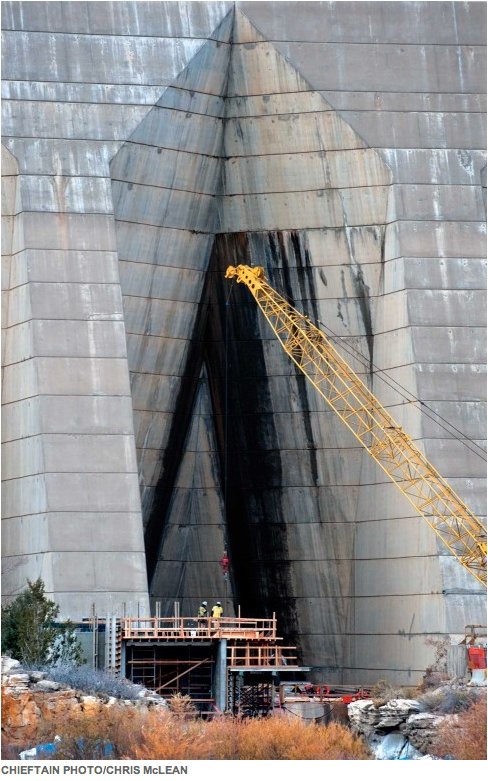
The Fountain Creek Watershed, Flood Control and Greenway District reviewed the Corridor Master Plan at Friday’s meeting

fountaincreekwatershed.jpg

From The Pueblo Chieftain (Chris Woodka):

The district Friday reviewed the progress of the newly completed Fountain Creek Corridor Master Plan and an El Paso County stormwater study. In addition, the district suggested areawide flood plain regulations developed by Colorado Springs and reviewed a U.S. Geological Survey study of the impact of building a dam or a series of dams on Fountain Creek. It also looked at a more immediate plan by communities throughout the watershed to apply for a $7.5 Great Outdoors Colorado grant that would support 20 separate projects. The district is still developing the application.

While the master plan is done, the others are at various stages of development and acceptance in communities throughout the watershed. And, although those in the district have been involved for years with the creation of plans, there are worries that the communities they represent know little about the work they have been doing. For instance, a recent press release about the completion of the master plan was published by only The Pueblo Chieftain, and some members of the public weren’t sure how it fits in…

In presenting the master plan, Kevin Shanks of THK Associates said it is heavy on demonstration projects that bring people to Fountain Creek rather than treat it simply as a polluted waterway prone to flooding. “If people can come out and enjoy it, they will be more receptive to a mill levy later on,” Shanks said. “I have a strong feeling that people need to be out there now.”

The district has delayed asking for a mill levy — the 2009 legislation that created it allows for up to 5 mills, but initially would look at much less than that — because of the economy. Voters would have to approve the tax, and the board wants something to show before asking for a tax…

Not everyone was happy about the discussion of only small flood control projects and recreational improvements, particularly landowners whose property was damaged during last month’s flooding. “Someday, someone has got to do something to keep the water from flooding and doing us all in,” said Jane Rhodes, who owns farmland on Fountain Creek in Pueblo County. “Every time, it’s everywhere else but us. There are no detention ponds or reservoirs.”

Meanwhile, the Union Pacific Railroad has removed the deck of an abandoned trestle across the creek near Pueblo but the piers remain. Here’s a report from Chris Woodka writing for The Pueblo Chieftain. From the article:

The Union Pacific Railroad hired contractors to remove iron deck supports from the bridge. The job was completed last week. “The railroad did not commit to removing the piers, but the trusses were a flood issue,” said Scott Hobson, assistant city manager for community development. “It would look better with the piers removed, but we need to look at options to remove them. For the short term, we were able to take the trusses down.”

The piers are 50-60 feet apart and collected piles of trees and debris during last month’s elevated creek levels — the U.S. Geological Survey called it a 10-year flood event. Large logs moved through the openings under the bridge, but there is still potential for large amounts of material to collect during a heavier flood, Hobson acknowledged.

More Fountain Creek coverage here and here.

Southeast Metro Stormwater Authority celebrates fifth anniversary

cherrycreekflood08031933castlewooddamfailure.jpg

Here’s the release from the SEMSWA via the Englewood Herald. From the release:

The Southeast Metro Stormwater Authority has celebrated its fifth anniversary of operations in the southeast Metro Denver area. SEMSWA, formed by a five-party intergovernmental agreement signed in September 2006, is responsible for stormwater management in the City of Centennial and the urbanized unincorporated portion of Arapahoe County. The authority was formed to provide a funding mechanism for the planning, construction and maintenance of drainage and flood control facilities, and to comply with federal environmental regulation to protect and enhance water quality in neighborhood greenways, flowing creeks and Cherry Creek Reservoir.

More stormwater coverage here.

The Fountain Creek Watershed, Flood Control and Greenway District is awaiting a stormwater assessment and management study due in December

fountaincreek1999floodcwcb.jpg

From the Colorado Springs Independent (Pam Zubeck):

That September deluge provided the latest evidence of the need to control stormwater runoff. The question is how, considering the backlog of projects in the Springs alone amounts to as much as $500 million, and efforts to collect the now-defunct stormwater fee have been a nightmare.

[Larry Small, manager of the district] believes the first step is overseeing a study to identify the region’s drainage costs and funding options. It’s funded by Colorado Springs Utilities ($20,000), El Paso County ($10,000) and the Pikes Peak Regional Water Authority ($7,500), a coalition of water users outside the city. “I think we have to get this study put together first,” Small says, “and then get the governments together in the region and say, ‘How do we want to tackle this, and how do we tell people the benefits?'”[…]

Small says the study will quantify costs regionally (including Pueblo County), report timeframes for building projects, and suggest funding mechanisms, such as a stormwater authority that might rely on property taxes over a wide area, possibly two counties…

Lisa Ross, the city’s acting stormwater manager, says the EPA is getting tougher on pollutants and monitoring. She encourages flood-control projects such as detention ponds that allow pollutants to drop out of the water before flowing to creeks…

Stormwater has always been a loser. In 2005, City Council, in part to placate Pueblo, formed the Stormwater Enterprise and followed in 2007 with fees levied on all property owners. Many refused to pay the “rain tax,” and the city has had trouble collecting since. The enterprise was dismantled in 2009. Collection letters, court judgments and “till taps,” wherein deputies seize money from businesses in satisfaction of court orders have only brought ill will.

More stormwater coverage here.

The Fountain Creek Corridor Restoration Master Plan is hot off the press from the Fountain Creek Watershed Flood Control and Greenway District

fountaincreekwatershed.jpg

From The Pueblo Chieftain (Chris Woodka):

The plan builds on past studies of Fountain Creek by recommending specific actions and strategies for reaches south of Colorado Springs to the confluence with the Arkansas River in Pueblo. The plan includes the 100-year floodplain for about 46 miles of the creek. The plan is the completion of efforts to improve Fountain Creek that began in 2007 with negotiations between Colorado Springs and the Lower Arkansas Valley Water Conservancy District. The Fountain Creek district signed a partnership with those entities in 2009 to complete the plan…

A total of $1 million has been spent on the plan, which was financed equally by Colorado Springs and the Lower Ark district. THK Associates was the primary contractor. “This plan defines the elements that are included in a healthy reach of the creek versus an unhealthy reach of the creek,” said Larry Small, executive director of the Fountain Creek district. “The plan establishes a series of restoration techniques, including conservation, that are intended to be the toolbox of techniques used as a part of revitalizing Fountain Creek.”

The plan notes that most of the land in the unincorporated areas along Fountain Creek is privately owned, and generally healthy. The problem areas in Fountain and Pueblo, on mostly public land, receive the most attention. To improve the health of the stream, the plan recommends bank restoration, side detention ponds, wetlands and removal of invasive species that choke out other vegetation. The plan also seeks ways to connect communities to Fountain Creek to treat it as an asset rather than a problem…

The U.S. Geological Survey, in connection with the district, is studying the impact of a dam or series of dams on Fountain Creek. Results from that study are expected next year.

Comments on the corridor master plan may be made to fountainck dist@aol.com.

More Fountain Creek coverage here and here.
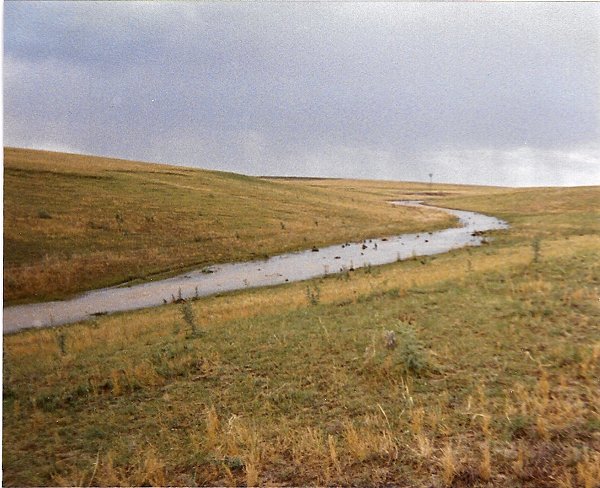
The Ute Mountain Ute Indian Tribe is taking over water quality monitoring on their reservation

sleepingutemountainapril2005.jpg

Here’s the release from the Environmental Protection Agency (George Parrish/Richard Mylott/Colin Larrick/Scott Clow):

The U.S. Environmental Protection Agency (EPA) has approved the Water Quality Standards for the Ute Mountain Ute Tribe with Reservation lands in Colorado, New Mexico and Utah. The Tribe submitted its Water Quality Standards to EPA earlier this year for review and an approval determination under the Clean Water Act. The Tribe’s standards will be implemented for all Clean Water Act purposes, including issuing and enforcing discharge permits for Reservation surface waters.

Water Quality Standards are the cornerstone of State and Tribal water quality management programs established under the Clean Water Act. These standards define the goals for specific waterbodies by designating their uses, setting criteria to protect those uses, and establishing provisions such as anti-degradation policies to protect waterbodies from pollutants.

The Ute Mountain Ute received program authority from EPA for Water Quality Standards in 2005, and submitted their standards in 2011. EPA has determined that the Tribe’s standards are consistent with the requirements of the Clean Water Act. The approved standards will be used by the Tribe to assess the health of aquatic ecosystems, identify water quality problems, and target and prioritize remediation and restoration projects.

EPA’s approval of the Tribe’s Water Quality Standards is the latest step forward for a tribal water quality program that has been working to protect Reservation waters for over 20 years. The Tribe is currently working collaboratively with surrounding states and federal agencies on a broad range of water quality issues. These include recovery efforts for endangered aquatic species, reducing pollution from mining, irrigated agriculture and livestock, and protecting culturally significant resources.

Out of 46 tribes nationally that have received the authority to establish Water Quality Standards, the Ute Mountain Ute becomes the 37th tribe with EPA-approved standards.

The Ute Mountain Ute Indian Reservation includes lands in southwestern Colorado, northwestern New Mexico and southeastern Utah, straddling much of the arid four corners area. Major Reservation waterbodies include the San Juan and Mancos Rivers, and McElmo Creek. The Reservation’s population includes approximately 2,100 enrolled members and its largest community, Towaoc, Colo., serves as the Tribal Government seat. The local economy consists mainly of ranching and farming, oil and gas production, and a tourism trade showcasing western landscapes, natural history and cultural sites.

The Tribe maintains a copy of its Water Quality Standards on its website: http://www.utemountainuteenvironmental.org/index.cfm/water-quality/surface-water/surface-water-quality-standards/

The Tribal Environmental Program website: http://www.utemountainuteenvironmental.org/

For more information on Water Quality Standards and the Clean Water Act visit: http://water.epa.gov/scitech/swguidance/standards/index.cfm

More coverage from The Durango Herald:

The newly approved rules will be used for issuing and enforcing discharge permits for surface waters on the Ute Mountain Ute reservation, which straddles three states and much of the Four Corners. They also will protect specific water bodies, including McElmo Creek and the San Juan and Mancos rivers, on the reservation.

The move is the latest in the tribe’s 20-year effort to protect its reservation waters, and officials said it is among other crucial collaborations to protect endangered species, reduce mining pollution, provide irrigation and protect water resources.

More San Juan River basin coverage here and here.
Brush: The city council sets priorities, completion of the wastewater treatment plant, purchasing water rights, conservation and stormwater improvements are on the list

brush.jpg

From the Brush News Tribune (Iva Kay Horner):

At Monday night’s meeting of the council, City Administrator Monty Torres presented the list, with the top priority for council targeted at completing the wastewater treatment facility. “We’re well underway with that project and expect it to be completed in the next 12 months,” Torres commented.

Also on the list is to continue improving water resources and upgrading of the water distribution system, with Torres further explaining that council consider, when given the opportunity, of purchasing water rights or shares if it will benefit the city. Along the same lines, the administrator noted that officials also continue with water conservation…

Listed at number five on the list is storm water improvements with the downtown area at the top of the list. “There are five areas in the city that have pretty significant flooding but the top priority is downtown where we are enlarging the water lines. We also are looking at the storm water pond,” the city administrator stated.

Here’s a post from last February that has been getting a lot of traffic on Coyote Gulch, Brush wastewater treatment plant construction update.

More South Platte River basin coverage here.

Fountain Creek: Colorado appeals court rules that the Pueblo District Attorney is not authorized to sue Colorado Springs for pollution under the Clean Water Act

fountaincreek.jpg

From The Pueblo Chieftain (Chris Woodka):

The decision by the 10th U.S. Circuit Court of Appeals nixes Thiebaut’s intention to sue the city again for discharging pollutants from its sewage system into the creek. Thiebaut said, however, his 2005 lawsuit, under the federal clean water law, prompted Colorado Springs to improve its sewage system, which discharges into the creek. “It is important to take stock of what this suit has accomplished for our community,” Thiebaut said. “No one has ever stood up against Colorado Springs on behalf of Pueblo before this suit was filed.”[…]

Thiebaut said Wednesday his lawsuit “woke up Colorado Springs to the fact that they would no longer get away with their shoddy practices and cheap stream crossings. “To avoid the full power of the court, they began to spend a lot of money to clean up their act, improving their sewage treatment system and stream crossings — and they need to do even more,” he said…

The Denver-based appeals court’s 3-0 decision said Thiebaut had conceded he, as an individual citizen, was entitled to have sued Colorado Springs under the federal water law. He chose, instead, to sue in his official capacity as district attorney. The appeals court agreed with [U.S. District Court judge, Walker Miller, who threw out Thiebaut’s lawsuit in 2007] that the Colorado law which outlines the duties of district attorneys does not give them authority to sue under the Clean Water Act.

Here’s the order from Leagle.com.

More coverage from Associated Press via The Durango Herald:

Thiebaut’s lawsuit in 2005 argued that discharges of sewage between 1998 and 2007 were violating the Clean Water Act, hurting Fountain Creek and affecting Pueblo County’s economy. His lawsuit sought civil penalties. On Wednesday, a three-judge panel of the 10th U.S. Circuit Court of Appeals sided with a district court that found Thiebaut couldn’t file a citizen Clean Water Act lawsuit in his official capacity. Thiebaut said his office was reviewing the ruling before deciding what’s next…

The Sierra Club also sued over the spills. A judge fined the utility $35,500 to settle the Sierra Club’s claims.

Colorado Springs Utilities’ pipes cross creeks dozens of times, leaving them somewhat at risk in times of rainstorms, utility spokesman Steve Berry said. He said that since 2004, before Thiebaut sued, the municipal utility has invested more than $147 million in improving its wastewater collection system, which he said is now among the best-performing systems in the state. It expects to have spent $250 million by 2018, he said.

More Fountain Creek coverage here and here.

Colorado Springs Utilities has a new design for retention ponds, they hope to save $64 million in the Jimmy Camp Creek drainage

jimmycampcreek.jpg

From The Colorado Springs Gazette (John Schroyer):

Colorado Springs would save an estimated $64 million on construction expenses for stormwater retention ponds in the Jimmy Camp Creek watershed, under a new design compiled by the city engineer’s office.

The plan, outlined in a manual that must be approved by City Council by next May, would direct homebuilders to include a series of smaller retention ponds for stormwater runoff as they develop subdivisions, retail parks and the like…

Currently, stormwater runoff is controlled by dozens of much larger ponds, each of which covers about 45 acres. The problem is that with such large bodies of water, it’s hard to prevent large-scale erosion and watershed flooding. With smaller ponds, both of those problems are significantly reduced, said Dan Bare, senior civil engineer for the city.

The ponds — which are basically small dams — trap storm and spring runoff and moderates the flow of the water into local tributaries, such as Fountain Creek, to prevent flooding and erosion as much as possible. The smaller ponds would range from five to 10 acres, and would be much less obtrusive, Bare said during a presentation to city employees on Sept. 15. And because the smaller ponds are easier to maintain, require smaller channels and wouldn’t have to absorb as much runoff all at once as the larger ponds, the city would save millions in capital costs as Colorado Springs grows.

More stormwater coverage here.

Anticipated retirements to fuel need for approximately 2,775 new operators over the next five years in a four county area including Boulder

prairiewaterstreatment.jpg

From the Boulder Daily Camera (Amy Bounds):

The Boulder High class is part of the “Get Into Water” project through the Boulder Valley School District’s Lifelong Learning Program, in conjunction with the Rocky Mountain Section of American Water Works Association and the Colorado Workforce Development Council.

Along with the Boulder High class, two classes are offered this fall through Boulder Valley’s fee-based adult education program — Water Foundations and Wastewater Collection. Scholarships for the adult classes are available through Boulder County Workforce.

The idea, organizers said, is to connect adults with well-paying jobs and fill an industry need. Within the next five years, 25 percent of the water operators in a four-county area that includes Boulder County are expected to retire, opening up about 2,775 jobs.

Boulder High students who take the Water Foundations class this semester and a water distribution class next semester are eligible to take a state certification test. If they pass, they’re qualified for entry-level jobs…

The class covers water source, treatment and distribution, along with water regulations, storm water and water conservation with an emphasis on local water information, history and issues. The class will visit area water sources and treatment plants, along with hearing directly from those who work in Boulder’s water industry.

More water treatment coverage here.

Work begins on Clark Reservoir enlargement

clarkreservoirboxelderauthority

From the North Forty News (Cherry Sokoloski):

The project is part of Phase I of the Boxelder Basin Regional Stormwater Authority project, designed to reduce flooding along Boxelder Creek. Three ponds, each several acres in size, will be built. When they are finished, likely early this month, dredging of Clark Reservoir will begin. The dredge pump will pump water-laden sediment into the ponds, where sediment will separate from the water and settle to the bottom. The water will then be pumped into the Inlet Canal and returned to Clark Reservoir. Dredging is scheduled to be completed by late November, according to authority manager Rex Burns.

More stormwater coverage here.

Denver: Sanitary sewer and stormwater rates go up

A picture named sewerusa.jpg

From The Denver Post (Caitlin Gibbons):

The rate hike, effective July 1, reflects the pass-through cost of the Metro Wastewater Reclamation District facility being built near Brighton and the cost of maintaining city sewer lines…

Mix said this is the city’s first sewer-rate hike since 1995. But it won’t be the last: Sewer rates will increase by 15 percent in 2012 and by 10 percent in 2013, and each year thereafter based on the Consumer Price Index. About 59 percent of the average Denver sewer bill is paid to Metro. The rest is used to maintain the sewer system for collecting and transporting waste from homes and businesses to Metro for processing.

Metro’s bill to Denver increased by about 34 percent, utility spokesman Steve Frank said. The city will pay Metro about $45 million this year. Frank said Denver’s bill went up “because of the amount of water and how heavily polluted the water is.”[…]

Denver Wastewater — managed by the city’s Public Works department — is increasing storm-drainage rates by 20 percent.

More infrastructure coverage here.

Fort Morgan: City council will likely form committee to explore funding for stormwater projects

A picture named detentionpond.jpg

From The Fort Morgan Times (Jenni Grubbs):

At their regular meeting next week, Fort Morgan City Council members likely will establish an ad hoc committee to study and put together some sort of financing mechanism for city voters to consider for dealing with financing stormwater infrastructure. That was what came out of the discussion the council members had Tuesday night about how to pay for needed stormwater system upgrades, as well as system maintenance. Several months ago, the members of the Fort Morgan City Council listed the stormwater system improvements as a major need for the city at their brainstorming session. Studies are currently underway by outside design contractors for the northwest and south quadrants of the city, and public meetings have been held to discuss the findings and possible plans. Those studies have made it clear to council that millions of dollars would be needed for long-term infrastructure upgrades that would alleviate all storm-related flooding in the city…

Current estimates have the total cost of infrastructure projects at around $50 million. The very preliminary cost estimates Curtis has received from the contractor for the big version of the possible northwest quadrant project was $3 million to $6 million. Figures weren`t known on a possible south quadrant project…

They settled on the idea of creating an ad hoc committee that likely will include council members and citizens to study the issue in-depth and create a plan of action, possibly including a ballot issue or ballot issues for a 2012 general election. The issue of creating a study committee will likely be on the agenda next week as a regular item.

More stormwater coverage here and here.